
Conquer the Heat: Smart Sun Safety for Australian Climbers
Don't let the harsh Australian sun stop your ascent. This guide provides practical, no-nonsense heat management tips for climbers, focusing on helmet wear and UV protection. Beat the heat, stay safe.
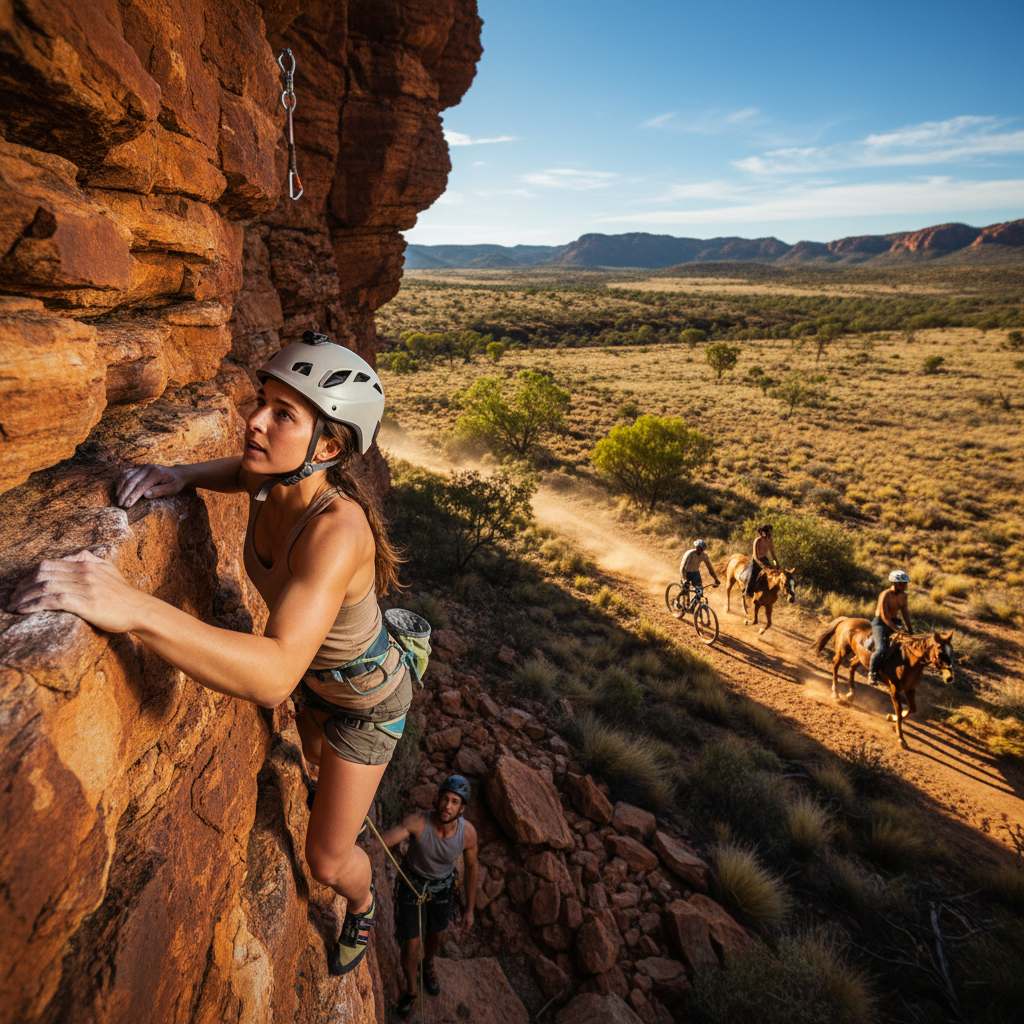
Conquer the Heat: Smart Sun Safety for Australian Climbers
The Australian sun is no joke. Whether you're in the Blue Mountains, Grampians, or Uluru, our UV index can reach extreme levels, and long summer days mean prolonged exposure. For climbers, this presents a unique challenge: staying cool and protected while wearing essential safety gear – your helmet.
Many climbers worry about overheating with a helmet on. It’s a valid concern. But ignoring sun protection entirely? That’s a recipe for serious trouble, from heatstroke to skin cancer. This guide cuts through the fluff and gives you practical, actionable tips to manage heat and maximise sun safety while climbing, with your helmet firmly in place.
Why Sun Safety Matters When Climbing
Let’s be blunt: climbing often puts you in exposed locations for extended periods. While the physical exertion generates heat, the sun relentlessly bakes down. High UV radiation damages your skin, even on cloudy days. And heat stress? It’s not just uncomfortable; it’s dangerous. Dehydration, heat exhaustion, and heatstroke can impair judgment and physical performance, leading to accidents. Wearing a helmet is non-negotiable for climbing safety. The trick is making it work for you, not against you, in the heat.
The Helmet and Heat Problem: Let's Address It Directly
"Helmets make me sweat too much." "I can’t feel the breeze." "It’s just too hot." We hear you. Traditional helmets, designed for impact protection, aren't always optimised for thermal regulation. But the solution isn’t ditching the helmet – it’s enhancing it.
Objection Handling: "But I need to feel the air to stay cool!"
Feeling the breeze is nice, but it’s a poor defence against serious heat and UV. A helmet, especially one with added sun protection, creates a microclimate. Your primary goal in extreme heat isn't just feeling a breeze; it's preventing your core temperature from rising dangerously high and shielding your skin from UV. With the right strategies, you can manage the heat effectively.
Objection Handling: "Won’t more stuff on my helmet make it hotter?"
This is where smart design comes in. Accessories that add coverage and ventilation, rather than just bulk, can actually improve your overall heat management. Think about how a wide-brimmed hat protects your face and neck from direct sun – that’s a defence mechanism.
Smart Heat Management Strategies for Climbers
Your climbing helmet is your primary safety gear. Let’s integrate sun and heat management into your climbing routine.
1. Hydration is King (and Queen)
This is non-negotiable. Start hydrating well before your climb. Sip water consistently throughout the day, even if you don’t feel thirsty. Electrolyte drinks are your friend on long, hot days. Dehydration amplifies heat stress.
2. Timing Your Climb
This is the most effective heat management tool. Avoid climbing during the hottest part of the day, typically between 10 am and 3 pm. Early mornings and late afternoons offer cooler temperatures and less intense UV radiation. Plan your routes and energy levels accordingly. If you’re out for a long day, take a significant break in the shade during peak heat.
3. Clothing Choices
Lightweight, breathable fabrics: Opt for UPF-rated clothing that wicks moisture. Light colours reflect sunlight.
Cover up: Long sleeves and pants might seem counterintuitive in the heat, but they provide a crucial barrier against UV rays and can be cooler than exposed skin if the fabric is breathable.
4. Strategic Shading
Whenever possible, seek shade. This applies to belay stations, rest stops, and transitions. Even a small patch of shade can significantly help with cooling and reducing UV exposure.
5. Helmet Ventilation and Add-ons
Modern climbing helmets have ventilation ports, but they don't always cover your face and neck adequately from the sun. This is where accessories come into play.
Helmet Brims: A quality brim attached to your helmet is your first line of defence against direct solar radiation. It shades your face, neck, and eyes, reducing glare and the amount of heat hitting your head directly. Many are designed to not impede airflow unduly. Check out Products for options.
Cooling Towels: Pre-moisten a cooling towel and wear it around your neck or under your helmet (ensure it doesn't interfere with fit or safety). Evaporation is a powerful cooling mechanism.
Helmet Liners: Some liners are designed for sweat management, wicking moisture away. Others can provide a light layer of insulation against direct sun heat.
The Core of the Matter: Your Helmet and Sun Protection
Your helmet is your lifeline. Therefore, any additions or strategies must not compromise its integrity or function.
Never modify your helmet in a way that could weaken its structure. This is paramount. If you’re attaching something, ensure it’s designed for helmet use and installed correctly.
For example, the Da Brim Helmet Brim is designed to attach securely to most climbing helmets. It offers significant sun and glare reduction without compromising the helmet’s impact protection or ventilation significantly. Installation is straightforward – see How to Install.
Your Sun Safety Checklist for Climbing
Before you head out, run through this practical checklist:
[ ] Helmet: Clean, in good condition, and with appropriate sun protection add-ons fitted correctly.
[ ] Hydration: Water bottles/bladders filled, plus electrolyte supplements if needed.
[ ] Sunscreen: High SPF, broad-spectrum, applied to any exposed skin.
[ ] Eyewear: Sunglasses with good UV protection, especially for approaches and descents.
[ ] Clothing: Lightweight, UPF-rated, light-coloured clothing. Long sleeves and pants are recommended.
[ ] Timing: Plan your climb to avoid peak sun hours.
[ ] Shade Strategy: Identify potential rest spots and their shade availability.
[ ] First-Aid Kit: Including items for heat-related issues (e.g., rehydration salts).
Practical Application: Step-by-Step Heat Management During a Climb
Let’s break down how to manage heat and sun on the rock.
Before the climb:
1. Hydrate: Drink at least 500ml of water.
2. Sunscreen: Apply liberally to all exposed skin.
3. Gear Check: Ensure your helmet is secure and any sun brim is attached properly. Pack extra water and electrolyte tablets.
On the approach:
4. Wear your helmet with brim: Start protecting yourself immediately. This shades your face and neck.
5. Sip water: Don’t wait until you’re thirsty.
6. Consider a neck gaiter or cooling towel: Wet it and wear it.
While climbing:
7. Focus on technique: Conserve energy. Efficient movement generates less internal heat.
8. Hydrate at belay stations: Take a few sips of water every 20-30 minutes.
9. Utilise shade: Position yourself and your gear in the shade whenever possible.
10. Don't ignore early signs of heat stress: If you feel lightheaded, dizzy, or nauseous, communicate it immediately. Descend if necessary.
On the descent/post-climb:
11. Continue hydrating: Replenish fluids lost.
12. Check for sunburn: Assess any areas that might have been missed.
Durability and Australan Conditions
Australian conditions are demanding. Our UV levels are high, and our heat can be intense. Your gear needs to withstand this. Da Brim Helmet Brims, for instance, are made from durable materials designed to resist UV degradation and physical stress, ensuring they remain effective on long-term Australian adventures.
Common Misconceptions and FAQs
"A helmet will trap heat and make me overheat." As discussed, smart additions like brims and good hydration management are key. The helmet’s primary role is safety. Overheating is managed through broader strategies.
"I only climb in shady spots, so I don't need much sun protection." This is a dangerous assumption. UV rays penetrate clouds and reflect off surfaces. Even in the shade, you're exposed.
"My helmet has vents, that's enough." Vents help with air circulation, but they don't block direct solar radiation on your face and neck. A brim does this.
For more detailed answers, visit our FAQ page.
Invest in Smart Sun Safety
Don't let the Australian sun compromise your passion or your safety. By integrating smart heat management strategies with essential sun protection, you can continue to push your limits responsibly. A well-chosen helmet accessory, like a durable brim, is a small investment that pays massive dividends in comfort and safety during those long, hot climbing days.
Explore our range of Products designed to enhance your climbing experience. For tips on maximizing your gear's effectiveness, check out our Blog and How to Install guides.
Climb smart, climb safe, and enjoy the Australian outdoors.
Disclaimer: This content is for informational purposes only and does not constitute professional advice. Always prioritize safety and consult with qualified professionals. Always follow manufacturer guidelines for your climbing equipment.