
Conquer the Heat: Riding Your Bike in Extreme Australian Conditions
Don't let scorching Australian heat sideline your rides. This practical guide will show you how to stay cool, safe, and comfortable on your bike, even when the mercury soars.
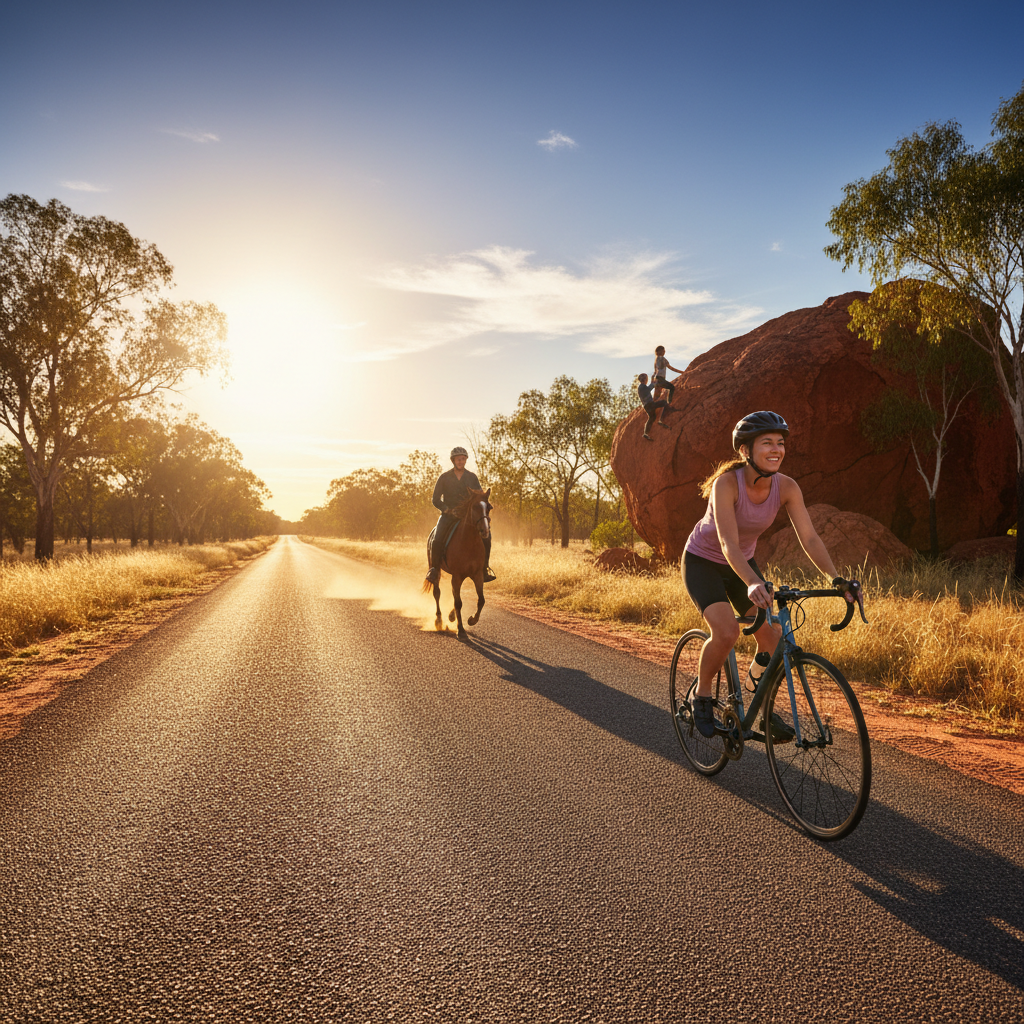
Conquer the Heat: Riding Your Bike in Extreme Australian Conditions
Australia. Land of scorching summers, brutal UV indexes, and endless opportunities for cycling. But when the temperature climbs into the high 30s and beyond, and the sun feels like a physical force, just getting on your bike can start to feel like a dangerous proposition. Overheating can lead to heatstroke, impaired judgment, and a miserable experience overall. So, how do you keep riding when the weather’s trying its best to cook you?
Forget the myths. You can ride in extreme heat, and you can do it safely and comfortably. It’s about preparation, smart choices, and understanding what your body needs.
Understanding the Risks: More Than Just Sweat
It’s easy to dismiss riding in the heat as just 'sweaty business'. But the reality is far more serious. Prolonged exposure to high temperatures, especially when combined with physical exertion, can lead to:
Heat Exhaustion: Symptoms include heavy sweating, dizziness, nausea, headache, and a rapid pulse. It’s a precursor to heatstroke and needs immediate attention.
Heatstroke: This is a medical emergency. The body’s core temperature rises dangerously high (40°C or higher). Symptoms include confusion, lack of sweating (despite high heat), hot red skin, and loss of consciousness. If you suspect heatstroke, seek immediate medical help.
Dehydration: This goes hand-in-hand with heat and exertion. Even mild dehydration significantly impacts performance and cognitive function, making you more prone to accidents.
Sunburn: While not directly related to overheating, severe sunburn exacerbates dehydration and makes the skin less efficient at regulating temperature. Considering the Australian UV index, this is a constant battle.
Pre-Ride Strategy: Your First Line of Defence
Getting your ride plan right before you leave the house is crucial. This is where you can make the biggest difference.
Timing is Everything
This is non-negotiable. If the forecast is for extreme heat, avoid the hottest part of the day. The peak sun hours, typically between 10 am and 3 pm, are best avoided entirely for longer or more strenuous rides. Early mornings (before 8 am) and late evenings (after 5 pm) are your friends. This might mean a change in your usual routine, but it’s a small price to pay for safety and comfort.
Hydration: It Starts the Day Before
Don't wait until you're thirsty to start drinking. Dehydration creeps up on you. Aim to be well-hydrated for at least 24 hours before your ride. This means drinking plenty of water throughout the day, not just chugging a litre just before you head out.
Water: Your primary and most important beverage.
Electrolytes: For longer rides or particularly hot days, electrolyte drinks are vital. These replace the salts and minerals lost through sweat.
Nutrition: Fuel Wisely
Heavy, greasy meals can make you feel sluggish and worsen the feeling of heat. Opt for lighter, easily digestible foods. Think fruits, vegetables, and complex carbohydrates. Avoid excessive caffeine and alcohol, as they can contribute to dehydration.
Gear Up for the Heat
Your clothing and gear play a significant role in how well you regulate your body temperature. Lightweight, breathable, and light-coloured fabrics are key.
Light-Coloured, Loose-Fitting Clothing: These reflect sunlight and allow for better airflow. Synthetic fabrics designed for wicking sweat away from your skin are ideal.
Helmet Choice: This is where things get serious. A poorly ventilated helmet can be a mini-oven on your head. Ensure your helmet has ample vents. Critically, consider an accessory that provides extra shade without compromising airflow. Something that extends beyond the helmet's front rim can make a world of difference by keeping the sun off your face and neck, reducing direct heat absorption. This is where products like Da Brim come into their own.
Sunscreen: Apply a broad-spectrum sunscreen with at least SPF 30 (SPF 50+ is better in Australia) to any exposed skin. Reapply regularly, especially if you’re out for an extended period.
Sunglasses: Protect your eyes from UV rays and glare, which can also contribute to headaches and fatigue.
During the Ride: Tactics for Staying Cool
Once you're rolling, your strategy needs to adapt to the conditions.
Hydration is On-Demand
Carry more fluids than you think you’ll need. A general rule of thumb is to aim for about 500-750ml of fluid per hour of cycling, adjusting upwards for extreme heat.
Electrolyte Mix: Even for shorter rides on very hot days, consider a small amount of electrolyte drink mixed with water.
Sip Regularly: Don’t wait until your bottles are nearly empty. Take small, frequent sips.
Refill Opportunities: Plan your route to include shops or water fountains where you can refill your bottles.
Pacing and Intensity
This is where many riders go wrong. You cannot maintain your usual pace and intensity in extreme heat. Your body is working overtime to cool itself. Reduce your effort significantly. Think of it as a recovery ride, even if you’re trying to get some miles in.
Listen to Your Body: If you feel dizzy, nauseous, or excessively fatigued, stop. Rest in a shaded area and rehydrate.
Shorten Your Ride: If you’re struggling, it’s better to cut your ride short than push yourself into a dangerous situation.
Cooling Techniques
Beyond drinking, there are active ways to cool down on the go:
Splash Water: Soak your helmet, jersey, or bandana with water. As the water evaporates, it cools you down. A spray bottle filled with water can be very effective.
Wet Towel/Bandana: Before you leave, consider carrying a small, quick-drying towel or bandana. Soaking this in water and wearing it around your neck or under your helmet can provide significant cooling.
Seek Shade: Take advantage of any shaded sections of your route to briefly rest and cool down.
The Role of Your Helmet Brim
While your helmet needs to be on, it can also be a point of heat retention. A clever accessory can mitigate this and provide additional sun protection. A helmet brim, like Da Brim, is designed to extend beyond your helmet's shell, creating shade for your face, neck, and even parts of your shoulders. This direct sun protection reduces the amount of heat absorbed by your head and face. Crucially, good designs allow for continued airflow around your helmet, so you don't trap more heat. Make sure to check the How to Install guide to get the most out of yours.
Post-Ride Recovery: Rehydrate and Recharge
Your work isn’t finished when you unclip. Proper recovery is essential to prevent the lingering effects of heat.
Rehydrate, Rehydrate, Rehydrate
Continue drinking water and electrolyte drinks after your ride. Your body will be depleted. Urine colour is a good indicator: pale yellow means you’re hydrated; dark yellow means you need to drink more.
Cool Down
If you’re feeling hot, a cool shower can help bring your core temperature down. Avoid extremely cold showers, which can shock your system.
Replenish
Eat a balanced meal soon after your ride to replenish energy stores and aid muscle recovery.
Common Objections Handled
"It’s too hot to ride. I’ll just get off my bike."
If 'too hot' means dangerously high temperatures or extreme humidity, then yes, it’s wise to postpone, shorten, or adjust your ride significantly. BUT, if it’s just a warm Australian day, then with the right preparation, you can still enjoy your ride. It’s about managing the heat, not avoiding it entirely.
"I don’t want to carry extra water. It’s too heavy."
Dehydration is heavier on your body and your safety than an extra bottle of water. Plan your route to include refill points. Consider a hydration pack if you need to carry more. Your life and well-being are worth the slight inconvenience.
"A helmet brim looks silly/is unnecessary."
Safety and comfort trump fashion on the bike. A good helmet brim not only reduces sun exposure to your face and neck, thereby reducing overall heat absorption and glare, but it also provides crucial sun protection. Considering Australia’s high UV levels, anything that helps ward off sun damage and keeps you cooler is a practical advantage. Check out the options in our Products section.
" I’ll just sweat it out. I’m used to the heat."
Acclimatisation takes time and careful exposure. Even those 'used to the heat' can succumb to heat illness if they overdo it. Pushing your limits in extreme conditions without proper hydration and moderation is a recipe for disaster.
Your Extreme Heat Riding Checklist
Before you even think about heading out on a hot day:
[ ] Check the forecast and UV index. Plan your ride for cooler parts of the day.
[ ] Hydrate well 24 hours prior to your ride.
[ ] Pack adequate fluids (water and/or electrolyte drink).
[ ] Apply high SPF sunscreen to all exposed skin.
[ ] Wear light-coloured, breathable cycling gear.
[ ] Ensure your helmet has good ventilation and consider a brim extension like Da Brim.
[ ] Plan a route with shade and refill opportunities.
[ ] Mentally prepare to reduce your pace and intensity.
Step-by-Step: Preparing for a Scorcher
1. Assess the Day: Look at the temperature, humidity, and UV index. If it’s extreme (e.g., forecast of 40°C+), consider an indoor trainer session or a very short, early morning/late evening ride.
2. Hydration Blitz: Start drinking water and electrolyte drinks the day before. Keep sipping throughout the morning before your ride.
3. Gear Up: Slip on your light cycling kit. Apply sunscreen generously. Fit your preferred helmet, ensuring it’s snug but comfortable, and that any accessories like a brim are securely attached.
4. Pack Smart: Fill your bottles. Add electrolyte tablets or powder if needed. Pack a small, quick-dry towel or bandana.
5. Warm-Up (Lightly): A very light warm-up is fine, but don’t push it. Your body will heat up quickly.
6. Ride Smart: Pace yourself. Sip fluids constantly. Use your cooling techniques. Listen to your body. Don't be afraid to stop or turn back.
7. Cool Down Properly: After the ride, a cool shower and continued hydration are key.
Beyond the Ride
For more tips and to explore products that can help you stay comfortable and protected, browse our Products page. If you have specific questions about gear or installation, our FAQ section might have the answers. For general cycling advice and further blog posts, head to our Blog.
Don't let the Australian heat dictate your cycling life. With the right approach, you can enjoy your rides safely and comfortably, no matter the temperature. Stay cool, stay safe, and keep pedalling.