
Conquer the Heat: Practical Cycling Strategies for Australian Summers
Don't let scorching Australian heat stop your ride. Learn practical, no-nonsense strategies for staying cool and safe while cycling, even on the hottest days. From helmet hacks to hydration, this guide has you covered.
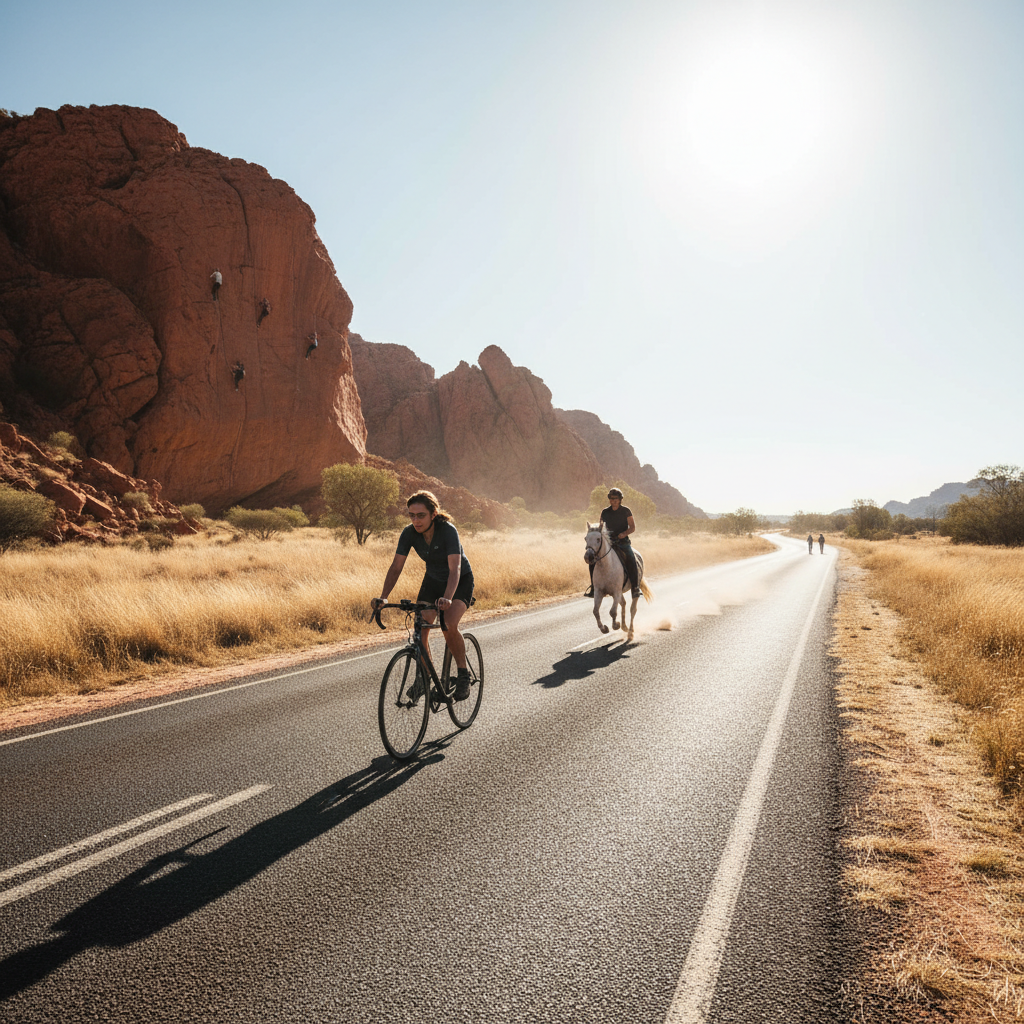
Conquer the Heat: Practical Cycling Strategies for Australian Summers
Australia. We love our sunshine, our open roads, and our outdoor lifestyle. But let’s face it, when summer hits, it hits HARD. Riding your bike in 35-degree heat with a brutal UV index soaring can feel like a suicide mission. Overheating isn't just uncomfortable; it's dangerous. Dehydration, heatstroke, and reduced cognitive function can turn a fun ride into a serious problem. This isn't about slowing down your pace; it's about riding smarter, safer, and still enjoying the journey, even when the mercury climbs.
We're going to cut through the fluff. This is practical advice for real cyclists braving typical Australian conditions – long daylight hours, intense sun, and heat that can sneak up on you fast. If you wear a helmet (and you should be!), you’ve already taken a crucial safety step. Now let's build on that.
The Core Problem: Your Body and the Heat
Your body is a finely tuned machine that struggles when its core temperature rises too high. When cycling, especially in the heat, your muscles generate a lot of heat. Your body’s cooling mechanism? Sweating. But on a hot, dry day, sweat evaporates quickly, which can be misleading – you might not feel as hot as you are. In humid conditions, sweat doesn't evaporate as efficiently, making you feel even hotter and increasing the risk of overheating.
Your helmet, designed for impact protection, can sometimes add to the challenge by trapping heat. But don't ditch the helmet – that's non-negotiable. Instead, we adapt.
Pre-Ride Prep: Setting Yourself Up for Success
Preparation is key. Don't roll out the door hoping for the best. A little planning goes a long way:
Hydration: It Starts Before You Pedal
This is the absolute bedrock of riding in the heat. You can't just chug water as you ride and expect to catch up. You need to be hydrated before you even get on your bike.
Morning of: Drink a good glass of water as soon as you wake up.
Hours before: Sip water consistently throughout the day leading up to your ride.
Electrolytes: Don't just rely on water. Add electrolyte tabs or powders to your bottles. These replace salts and minerals lost through sweat, which is crucial for muscle function and preventing cramps.
Avoid dehydrators: Limit caffeine and alcohol the day before and the morning of your ride. They're diuretics and will work against your hydration efforts.
Fueling Smart
Digestion also generates heat. Eat a light, easily digestible meal a couple of hours before your ride. Avoid heavy, fatty foods that take longer to process. On longer rides, even in the heat, you still need to fuel. Opt for easily digestible options like energy gels, bars, or fruit.
Gear Check: More Than Just a Helmet
Your helmet is your primary defence against injury. Ensure it fits correctly and is well-ventilated. But consider other gear too:
Light-Coloured Clothing: Dark colours absorb more heat. Opt for light, breathable fabrics in white, yellow, or pastels. Mesh panels in jerseys can also improve airflow.
Sunscreen: Apply it liberally to all exposed skin, even on cloudy days. UV rays get through.
Sunglasses: Protect your eyes and reduce glare. Some cycling glasses have tinted lenses that are great for bright conditions.
Sun Sleeves: For those who don't want full-length jerseys, sun sleeves offer UV protection on your arms while keeping you relatively cool.
Riding in the Heat: Tactics for the Road
Once you're out there, it's about managing your body's temperature and staying aware.
Hydration on the Go
Sip, Don't Gulp: Take small, frequent sips from your water bottles regularly. Don't wait until you feel thirsty – thirst is already a sign of dehydration.
Bottle Placement: Ensure your bottles are easily accessible. If you need to stop every time you want a drink, you're less likely to drink enough.
Carry Extra: For longer or more remote rides, consider carrying an extra bottle or a hydration pack.
Cooling Strategies Mid-Ride
Wet Your Cap/Bandana: If you wear a cycling cap or bandana under your helmet, soak it in water before you leave. As you ride, the evaporating water will help cool your head.
Dampen Your Jersey: In a pinch, you can pour a little water over your jersey, especially on your back and chest. This evaporation can provide significant cooling relief.
Take Advantage of Shade: If your route offers shaded sections, use them. Even a few minutes in the shade can help your body recover.
Slow Down: If you start to feel seriously overheated, don't push it. Slow your pace, take more frequent breaks, and focus on cooling down.
Helmet Hacks for Better Airflow
Your helmet has vents for a reason. Make sure they're clear of debris! And here's where your helmet add-on can make a difference.
The Da Brim Advantage: A properly designed helmet brim, like The Da Brim, attaches securely to your helmet and can significantly improve shade and comfort. It extends the shade from your helmet visor, protecting your face, neck, and ears from direct sun exposure. This reduces the direct radiant heat hitting your head and potentially even offers a slight air-cooling effect as air flows around it. While it can't magically make your helmet cooler, it does reduce the heat load your body has to manage by shielding you from direct solar radiation. Some riders even find they can tuck a small, damp cloth under the brim for extra evaporative cooling on their forehead – just ensure it doesn't impede your vision or airflow.
Recognizing the Danger Signs of Overheating
This is critical. Know the difference between being hot and being dangerously overheated.
Heat Exhaustion: This is a warning. Symptoms include:
Heavy sweating
Pale, clammy skin
Muscle cramps
Fatigue
Dizziness or lightheadedness
Headache
Nausea or vomiting
Heatstroke: This is a medical emergency!
High body temperature (above 40°C)
Hot, red, dry, or damp skin (sweating may stop)
Fast, strong pulse
Headache
Dizziness
Nausea
Confusion, disorientation, or losing consciousness
What To Do If You Suspect Heatstroke:
1. Stop Immediately: Get off the bike.
2. Seek Shade: Move to the coolest place possible, ideally indoors with air conditioning.
3. Cool Down Rapidly: Remove excess clothing. Apply cool, wet cloths or fanning to the skin. Immerse yourself in cool (not cold) water if possible.
4. Call for Help: Dial 000 (triple zero) immediately.
Post-Ride Recovery: Crucial for the Next Ride
Don't just stop pedalling and go inside. Your body needs to recover.
Continue Hydrating: Keep sipping water and electrolyte drinks.
Cool Down: Take a cool shower to help your body temperature return to normal.
Gentle Stretching: Helps with muscle recovery and prevents cramps.
Replenish: Have a light, nutritious meal.
A Quick Checklist for Hot Weather Riding
Here's your no-nonsense reminder:
[ ] Hydrate: Drink plenty of water and electrolytes before, during, and after your ride.
[ ] Fuel Light: Eat easily digestible foods.
[ ] Sun Protection: Apply sunscreen, wear light clothing, and consider sun sleeves.
[ ] Helmet Ready: Ensure your helmet is well-ventilated and fits properly. Consider an attachment for extra shade like The Da Brim.
[ ] Check Weather: Be aware of the UV index and temperature forecast.
[ ] Listen to Your Body: Recognize the signs of overheating and don't be afraid to stop or slow down.
[ ] Plan Your Route: Incorporate shaded sections or water fountains if possible.
[ ] Carry Essentials: Water, electrolytes, a basic repair kit, and a phone.
Frequently Asked Questions About Heat and Cycling
We get a lot of questions about riding in the Australian heat. Here's a quick rundown of some common queries:
Q: Will a helmet make me hotter?
A: Your helmet’s primary job is safety. While it does cover your head, modern helmets are designed with ventilation in mind. Ditching your helmet to stay cooler is a terrible trade-off for safety. Instead, focus on cooling strategies with your helmet on, like ensuring good airflow through the vents and using accessories for added shade and evaporative cooling. See our FAQ for more on helmet benefits.
Q: How much water should I drink?
A: There's no single answer. It depends on the temperature, humidity, your intensity, and your personal sweat rate. A good rule of thumb is to aim for one standard bottle (around 750ml) per hour of moderate riding in hot conditions. You’ll need more for harder efforts or extreme heat. Better to have too much than too little. Remember to replenish electrolytes too.
Q: I feel fine, but my friend is struggling. Should I stop?
A: Absolutely. Always ride within your capabilities, and if you're out with others, stay together. If someone is showing signs of overheating, stop and help them. A group ride means looking out for each other.
Q: Are there specific times of day that are better for riding in summer?
A: Yes. Early morning or late evening are generally cooler and have lower UV ratings. Avoid riding during the hottest part of the day (typically 10 am to 4 pm) if possible. This is where planning your rides and checking the forecast, as mentioned in our Blog posts, becomes crucial.
Final Ride Thoughts
Riding in the Australian summer doesn't have to mean suffering. By being prepared, employing smart strategies on the bike, and always listening to your body, you can enjoy your cycling adventure safely. Remember that your helmet is an essential piece of safety gear. By adding smart accessories for shade and focusing on your hydration and cooling, you can make even the hottest days manageable. Don't let the heat win – ride smart, stay safe, and keep those wheels spinning. Explore our range of products designed to make your ride safer and more comfortable: Products. And if you're unsure about anything, our comprehensive How to Install guides and FAQ page are there to help.