
Conquer the Heat: Helmet-Wearing Climbers' Guide to Staying Cool in the Australian Sun
Climbing in Australia means dealing with serious sun and heat. This guide provides no-nonsense advice on how to manage heat while wearing your helmet, keeping you safer and stronger on the rock.
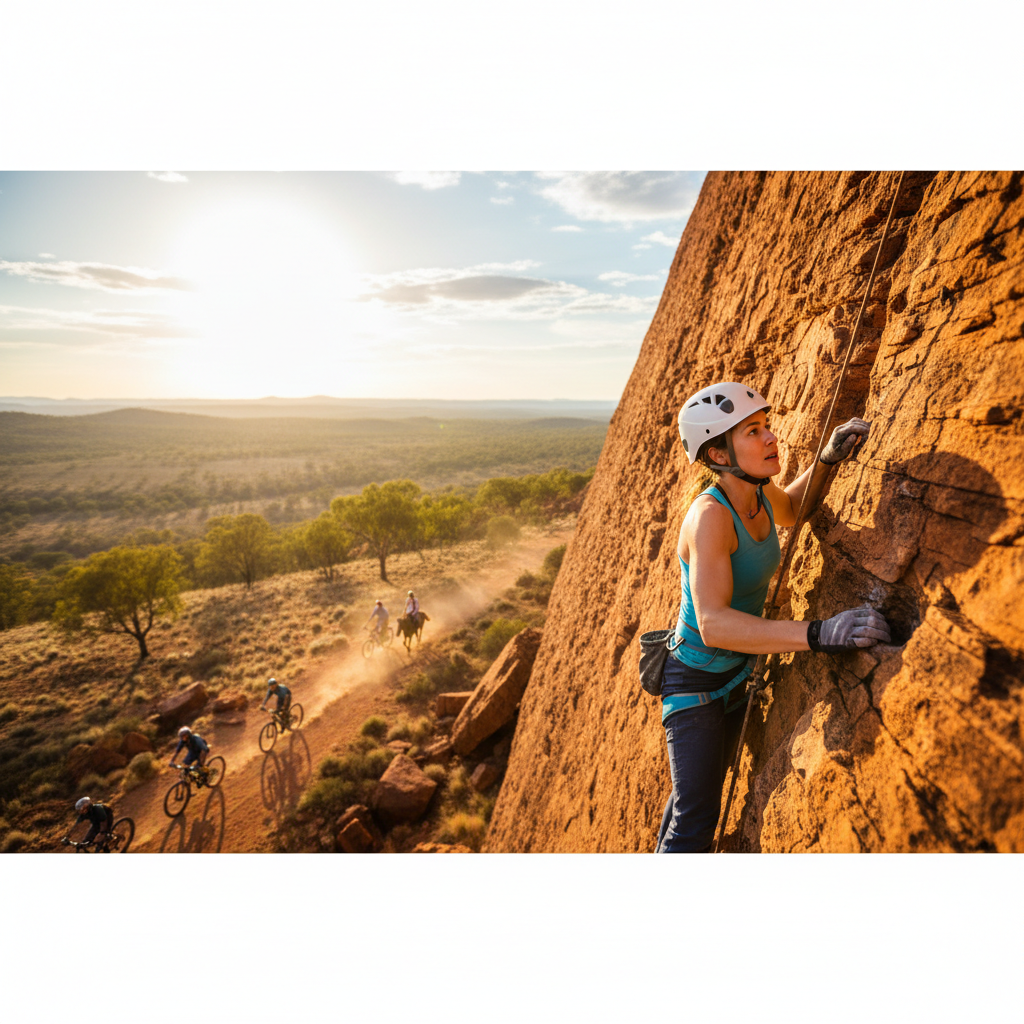
Conquer the Heat: Helmet-Wearing Climbers' Guide to Staying Cool in the Australian Sun
Australia. Beautiful, rugged, and undeniably sunny. For climbers, this means epic adventures under a sky that can quickly turn from inviting blue to a harsh, relentless furnace. The UV index here can be brutal, and prolonged exposure to heat while wearing a helmet can be more than just uncomfortable – it can be dangerous. Heatstroke, dehydration, and reduced cognitive function are real risks. This isn't about whining about the weather; it's about being smart, prepared, and maximising your time on the rock without compromising safety.
Many climbers dismiss heat concerns, thinking they can just "push through it." But that’s a recipe for disaster, especially when you’re high up, exposed, and relying on clear thinking and peak physical condition. Your helmet, essential for protection, can also become a personal sauna if you’re not managing the heat effectively. So, let’s get practical. This is your no-fluff guide to staying cool and safe while wearing your helmet in the Australian heat.
The Helmet Problem: Why Heat Management Matters
Your climbing helmet is designed for impact absorption and, increasingly, for ventilation. However, on a scorching day, even the best ventilation can struggle. The helmet sits close to your head, trapping heat and sweat. This can:
Increase core body temperature: Leading to heat exhaustion or heatstroke.
Cause dehydration: You sweat more to try and cool down, depleting fluids faster.
Impair judgement and coordination: Heat can make you sluggish, prone to mistakes, and less able to react quickly.
Reduce performance: Your muscles get tired faster under heat stress.
But you can't ditch the helmet. It's non-negotiable. The solution is to actively manage the heat without compromising your head protection. That’s where smart strategies come in.
Pre-Climb Preparation: Setting Yourself Up for Success
It’s not just about what you do on the rock; it starts before you even tie in.
Hydration is King (and Queen)
This is the most crucial element. Don't wait until you're thirsty. Thirst is a sign you're already behind.
Start hydrating 24-48 hours before a big climb. Top up your fluids regularly.
Include electrolytes. Water alone isn't always enough. Electrolyte drinks, powders, or even a pinch of salt in your water can help your body retain fluids more effectively.
Carry more water than you think you'll need. For a long day out in the Australian sun, this could mean several litres per person. Consider insulated bottles to keep water cooler for longer.
Strategic Timing
If possible, plan your climbing sessions for the coolest parts of the day. Early mornings and late afternoons are your best friends. The midday sun in Australia is relentless and offers little respite.
What You Wear Under the Helmet Matters
Think about your base layer. Breathable, moisture-wicking fabrics are essential. Avoid cotton, which holds sweat and makes you feel even hotter and heavier.
Acclimatisation
If you're not used to the heat, try to spend some time outdoors in similar conditions before your major climb. Your body will thank you.
On the Rock: Real-Time Heat Management Techniques
Once you’re climbing, you need to be proactive. Don't just endure the heat; manage it.
The Power of the Brim
This is where external products can make a significant difference. A good helmet brim, like the Da Brim Helmet Brim, offers crucial shade. This isn't just about comfort; it reduces direct solar radiation on your face and neck, which can significantly impact your perceived temperature and prevent sunburn. A shaded face feels cooler, and the reduction in glare can also improve visibility.
Many climbers worry about a brim affecting their field of vision or getting caught. Modern designs are streamlined and secure. The key is to choose one designed for your specific helmet type and ensure a proper fit. Check out our range of solutions for a secure, effective addition to your climbing gear: Products.
Ventilation Maximisation
Understanding your helmet: Know where your vents are. Most modern climbing helmets have decent ventilation, but some are better than others. If you have a choice, opt for a helmet with more airflow. If you already have a helmet, make sure you’re aware of its vent locations.
Keeping vents clear: Ensure no debris is blocking your helmet's ventilation holes. A quick wipe-down is all it takes.
Sweat Management
Sweat is your body's cooling mechanism, but excessive sweat can lead to dehydration and get in your eyes.
Headbands: A moisture-wicking headband worn under your helmet (if it’s not too tight) can absorb sweat before it drips into your eyes. Choose thin, breathable ones.
Bandanas: A damp bandana tied around your neck (not on your head, as that can trap heat) can provide a cooling effect as the water evaporates.
Cooling Towels
These are game-changers. A small, absorbent towel soaked in water and worn around the neck or draped over the head (under the helmet, if possible without discomfort) can make a massive difference. The evaporation process is highly effective at cooling. Remember to re-soak it whenever you get a chance.
Strategic Breaks
Don't power through climbs in the hottest part of the day without respite. Take breaks in the shade whenever possible. Even 10-15 minutes of shaded rest can help lower your core temperature. Use this time to rehydrate and eat.
Reflective Surfaces
While not always possible, try to avoid routes that are intensely reflective surfaces (like certain types of rock) during peak sun hours. These can amplify the heat.
Hydration and Nutrition On the Go
Keep it simple and effective.
Sip, don't gulp: Small, frequent sips are better for your body to absorb fluids.
Electrolyte replenishment: Consuming electrolyte gels or tablets during longer climbs is advisable.
Easy-to-digest snacks: Think dried fruit, nuts, energy bars. Avoid heavy or greasy foods that are harder to digest in the heat.
What If You Start Feeling Overheated?
Recognising the signs and acting fast is critical. Don’t be a hero.
Early Warning Signs:
Headache
Dizziness
Nausea
Excessive thirst
Muscle cramps
Cool, clammy skin (heat exhaustion)
What To Do:
1. Stop climbing immediately. Safety first. Alert your climbing partner.
2. Get into the shade. Find the coolest spot available.
3. Loosen or remove clothing. Especially around your neck and head.
4. Drink water and electrolytes. Slowly and steadily.
5. Cool down your body. Use a damp cloth or towel on your forehead, neck, and wrists. Splash water on your face.
6. Rest. Don't resume climbing until you feel fully recovered and your symptoms have completely subsided.
If symptoms are severe (confusion, hot and dry skin, lack of sweating, rapid pulse), this could be heatstroke, which is a medical emergency. Seek immediate professional help.
Objecting Proactively: Common Excuses and Realities
"A brim will get in my way or look silly." Modern brims are designed to be low-profile and secure. They don't significantly impede vision when fitted correctly and look no sillier than someone suffering from heatstroke. Functionality for safety trumps aesthetics.
"I'll just sweat more." You will sweat more to cool down, it's your body's natural response. The goal is to manage that sweat and use it effectively for cooling, not to prevent it entirely. Drinking enough is key here.
"My helmet has enough ventilation." Helmets are great, but direct sun and prolonged exposure will overwhelm even the best ventilation systems. Additional measures are necessary for prolonged, intense conditions like those found in many Australian climbing spots.
"I’m tough enough to handle it." Overconfidence in heat can be dangerous. Being tough means being prepared and knowing your limits; it doesn’t mean ignoring physiological needs.
Essential Gear Checklist for Hot Weather Climbing
[ ] Helmet with secure, effective sun brim (e.g., Da Brim Helmet Brim)
[ ] Plenty of water (electrolytes recommended)
[ ] Moisture-wicking clothing
[ ] Sunscreen (high SPF)
[ ] Wide-brimmed hat or cap (for non-climbing times)
[ ] Sunglasses
[ ] Cooling towel
[ ] Lightweight, windproof jacket (for cooler mornings/evenings or unexpected changes)
[ ] Easy-to-digest snacks
[ ] First-aid kit, including advice on dealing with heat-related illness
Installation and Maintenance
Ensuring your gear, especially additions like a helmet brim, is correctly installed and maintained is crucial for its effectiveness. If you're new to helmet brims or unsure about fitting a new one, don't guess. Follow the instructions precisely. For our Da Brim Helmet Brims, we have a dedicated guide to help you: How to Install. Proper installation means it stays put, provides optimal shade, and doesn’t hinder your vision or safety.
Final Thoughts
Climbing in Australia is an incredible experience, but ignoring the heat is a critical mistake. Treating heat management as seriously as you treat your belay skills will keep you safer, stronger, and allow you to enjoy those epic days on the rock for longer. Don't let the sun beat you. Be prepared, stay cool, and climb smart.
For more tips on gear and safety, check out our FAQ or browse our latest articles on our Blog.