
Conquer the Climb: Sun Safety for Australian Climbers
Don't let the Australian sun beat you on the rock. Learn how to stay safe, cool, and focused with essential helmet safety and accessories for climbing.
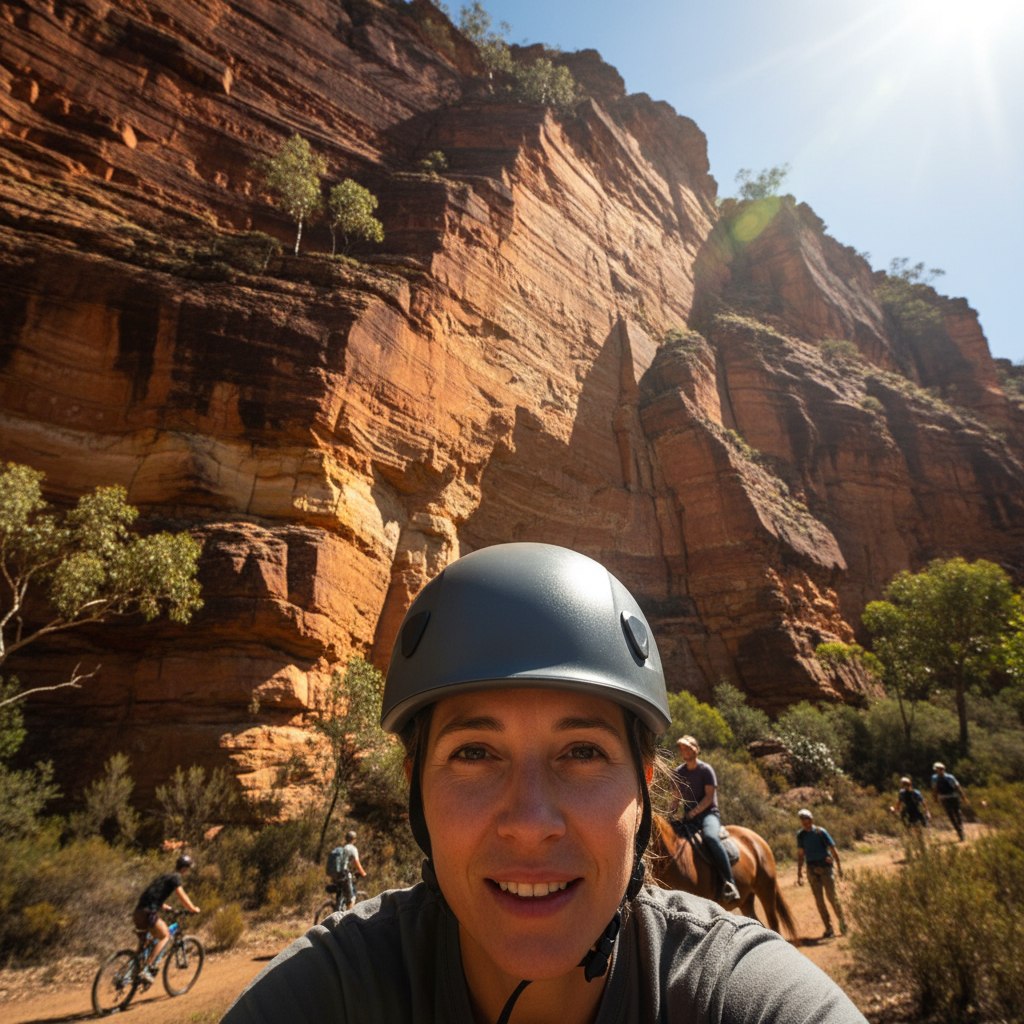
Conquer the Climb: Sun Safety for Australian Climbers
Australia. Land of epic outdoor adventures and… relentless sunshine. If you’re a climber here, you know the sun isn't just a backdrop; it’s a factor you have to manage. And managing it starts with your helmet. It’s your primary safety gear, but are you using it to its full sun-blocking potential? Let's talk practical sun safety for climbers, focusing on your helmet and essential accessories.
The Australian Sun: More Than Just a Pretty View
We’ve all felt it. That searing Australian sun. It’s not just about getting a tan; it’s about UV radiation, heatstroke, and losing focus because you’re squinting or overheating. On long climbing days, especially in summer, the UV index can be extreme. Even on cloudy days, UV rays penetrate. And the heat? It can sap your energy and impair your decision-making faster than you think.
Your helmet’s job is to protect your head in case of impact. But it can also be your first line of defence against the sun and heat. Simply wearing a helmet is a start, but optimising it for Australian conditions can make a significant difference to your comfort, performance, and overall safety.
Beyond the Standard Helmet: Essential Accessories
Your helmet is a fantastic piece of safety equipment, but it’s often designed with impact protection as the absolute priority. Sun and heat management are usually secondary. This is where accessories come in. Think of them as upgrading your helmet’s capabilities for our specific environment.
The Biggest Player: The Sun Brim
This is non-negotiable for serious Australian climbers. A good sun brim, designed to attach securely to your climbing helmet, offers crucial shade for your face and neck. Why is this so critical?
Reduces Glare: No more squinting up at your next move. Better visibility means better route reading and safer climbing.
UV Protection: Direct sunlight on your skin significantly increases UV exposure. A brim casts a shadow, reducing the amount of direct UV radiation hitting your face and eyes. This is vital for preventing sunburn and long-term skin damage.
Heat Management: By shielding your face and scalp, you’re reducing direct heat absorption. This helps keep your core temperature down, combating fatigue and the risk of heat-related illness.
Keeps You Cooler: It’s basic physics. Less sun on your skin means you feel cooler. On a hot day at a crag, this can be the difference between a solid climbing session and calling it quits early.
When looking for or using a sun brim, consider:
Coverage: Does it provide adequate shade for your forehead, eyes, and nose? Some are too small.
Durability: It needs to withstand being packed, bounced around, and exposed to the elements.
Attachment: Crucially, it must attach securely without compromising your helmet's safety features. You don't want it dislodging on a climb or rappel.
We recommend exploring Products for options that integrate seamlessly with your helmet.
Keeping it Together: Chin Straps and Comfort Liners
While not direct sun protection, these accessories impact your comfort and helmet's fit, which indirectly helps with sun management.
Comfort Liners: A sweat-wicking liner can make a huge difference on hot days. It absorbs sweat, preventing it from dripping into your eyes and making your scalp feel less like it's cooking. Some are specifically designed to add a bit of padding and insulation.
Secure Chin Straps: A well-fitted chin strap ensures your helmet stays put, even when you're looking up at steep angles or moving vigorously. This means your sun brim stays in place, providing consistent shade.
Integrating Your Accessories: Getting it Right
It’s not just about buying the gear; it’s about using it correctly. For a sun brim, proper installation is key. We've got you covered with a straightforward guide.
Step-by-Step: Installing Your Helmet Brim
While specific designs vary, the principle remains the same. If you're looking at a Da Brim or similar product, here's the general process:
1. Identify Attachment Points: Most helmets have specific divots, holes, or reinforced areas where accessories can attach. Your brim should have compatible clips or straps.
2. Position the Brim: Align the brim with your helmet, ensuring it sits at the front where it will provide maximum shade to your face and eyes.
3. Secure Attachment: Gently but firmly attach the brim to your helmet. This might involve clicking clips into place, threading straps through slots, or using integrated velcro. The goal is a snug, wobble-free fit.
4. Test It: With the brim attached, tilt your head forward and backward, and move from side to side. The brim should remain stable and in the correct position. Check that it doesn't obstruct your vision or interfere with any other helmet functions (like headlamp clips).
5. Check Helmet Integrity: Ensure the brim attachment doesn't compromise the structural integrity of your helmet. It should not be forcefully pressing into or cracking the helmet shell.
For detailed instructions specific to certain products, be sure to check out our How to Install guide.
Sun Safety Checklist for Australian Climbers
Here’s a quick rundown to make sure you’re prepared:
[ ] Helmet with Sun Brim: The essential piece for Australian conditions.
[ ] UV-Protective Sunglasses: For when the brim isn't enough, or for descents.
[ ] High SPF Sunscreen: Applied religiously to any exposed skin (neck, ears, hands).
[ ] Lightweight, Long-Sleeved Clothing: Provides a physical barrier against UV.
[ ] Wide-Brimmed Hat (for approach/descent): A beanie or cap can be useful when not wearing your helmet.
[ ] Plenty of Water: Hydration is key to managing body heat.
[ ] Regular Breaks in Shade: Plan your rests strategically.
Common Objections: And Why They Don't Hold Up
Let’s address the pushback. We hear it all the time.
Objection 1: "A brim will get snagged on rocks or branches."
Reality Check: This is a valid concern for some accessories, but smart design mitigates it. A well-fitting brim, positioned correctly, is designed to be low-profile. Modern climbing helmets are already relatively bulky. A brim, properly installed, shouldn't significantly increase the snag risk compared to the helmet itself. Plus, the added safety of shade often outweighs the minimal snag risk, especially during long, exposed climbs.
Objection 2: "It's just more weight and bulk I don't need."
Reality Check: When it comes to sun and heat, 'more' is often better, provided it's functional. The weight of a quality brim is negligible compared to the impact of severe sunburn, heat exhaustion, or poor visibility on a challenging climb. Think of it as an investment in your comfort and focus. The goal isn't to be a minimalist; it's to be a safe and effective climber.
Objection 3: "I'm used to the sun; I have tough skin."
Reality Check: 'Tough skin' doesn't offer a shield against UV-induced skin cancer or the debilitating effects of heatstroke. Even the most sun-hardened individuals are susceptible to the dangers of prolonged, intense UV exposure and heat. Long days on the rock mean prolonged exposure, even for the 'toughest'. Relying on your skin’s resilience just isn't a safe strategy.
Objection 4: "It looks silly/unnecessary."
Reality Check: Safety and performance trump aesthetics. What looks 'silly' to one person is a practical necessity for another who wants to climb longer, safer, and more comfortably in challenging conditions. Many seasoned climbers wear them because they work. Focus on climbing, not trends.
When to Use Sun Protection
If you’re climbing in Australia, always consider sun protection. This applies to:
Direct Sunlight: Obvious, but worth stating. Midday sun is the worst.
Long Days: Even if it feels moderate in the morning, hours on the rock add up.
High UV Index Days: Check the forecast. If it's high, you need serious protection.
Reflective Surfaces: Sandstone and light-coloured rock can reflect UV, increasing your exposure.
Higher Altitudes/Latitude: UV intensity increases.
Table: Sun Intensity vs. Activity Time
| UV Index | Recommended Protection Level | Example Activity Duration Before Sunburn (Untreated Skin) | |
| --- | --- | --- | |
| 1-2 (Low) | Basic protection | 60+ minutes | |
| 3-5 (Moderate) | Good protection | 30-60 minutes | |
| 6-7 (High) | Very good protection | 15-30 minutes | |
| 8-10 (Very High) | Maximum protection | 10-15 minutes | |
| 11+ (Extreme) | Maximum protection | <10 minutes |
Note: This table is illustrative. Factors like skin type, cloud cover, and reflective surfaces significantly alter risk. Always err on the side of caution.*
Your Helmet is Your Foundation
Your helmet is your fundamental safety gear. By adding simple, practical accessories like a sun brim, you're not compromising its safety; you're enhancing its overall utility for the specific challenges of climbing in Australia. It’s about making sure you can focus on the climb, not on getting burnt, blinded by glare, or succumbing to the heat.
It’s time to stop treating the sun as an afterthought. Equip your helmet, protect yourself, and keep your head in the game – literally. For more on gear and safety, check out our FAQ and remember, a well-protected climber is a happy climber. Explore our range of protective accessories and climb smarter. See our Products page for your next upgrade.
Keep it safe, keep it cool.
The Blog Team