
Conquer the Climb: Stay Cool and Focused on Long Australian Routes
Long climbs under the harsh Australian sun demand focus and comfort. Learn practical strategies to beat the heat, manage fatigue, and keep your head in the game, all while protecting yourself with your helmet and a Da Brim.
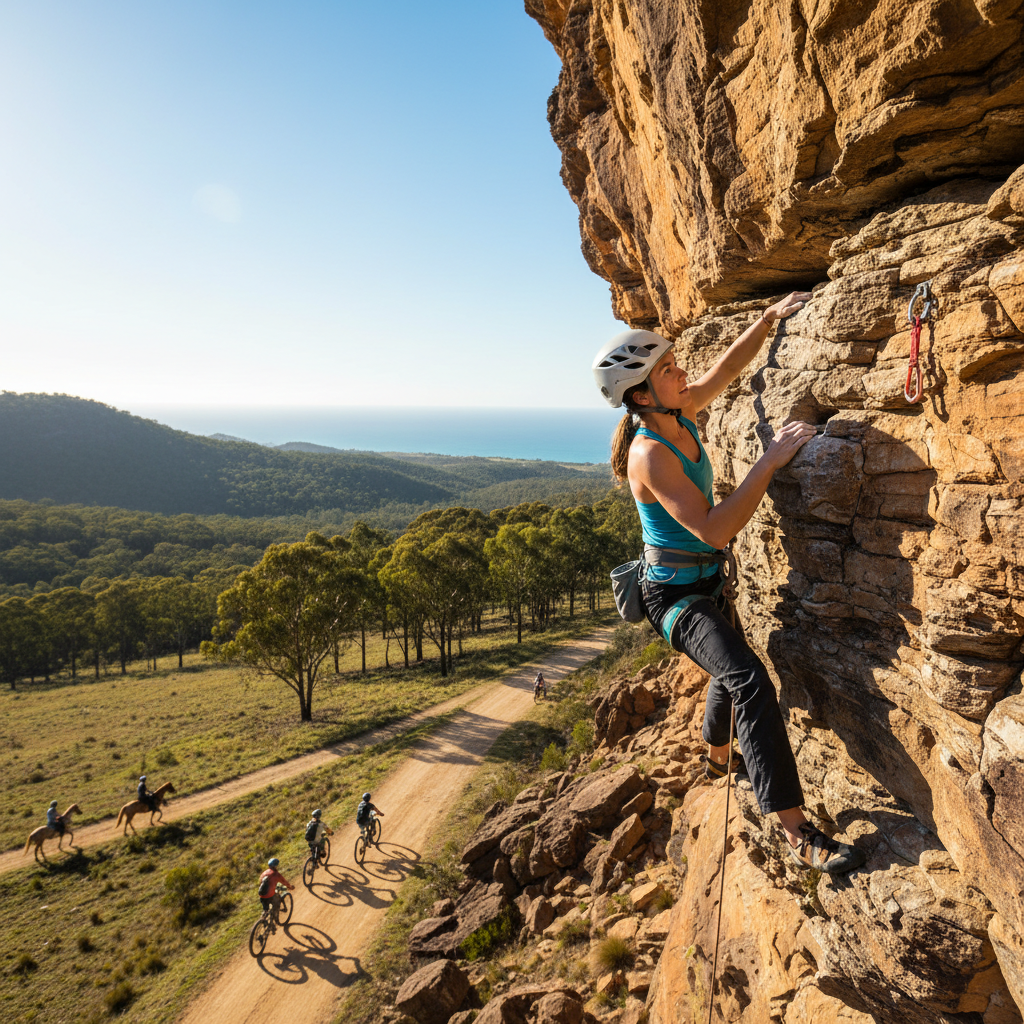
Conquer the Climb: Stay Cool and Focused on Long Australian Routes
We all love the challenge and freedom of a long climb. But in Australia, those long days often come with long hours under a brutal sun. The heat can zap your energy, blur your focus, and turn a dream climb into a miserable slog. And let's not forget the relentless UV radiation – even on cloudy days, it's a serious threat.
Your helmet is crucial for safety, but it's only part of the equation for sustained performance. You need to manage heat, dehydration, and visual discomfort. This isn't about fancy gadgets; it's about practical, no-nonsense strategies to keep you cool, alert, and pushing your limits, safely.
The Enemy: Heat, UV, and Fatigue
Australian conditions are unforgiving. High UV indexes mean skin damage is a constant risk. Intense heat can lead to heat exhaustion or even heatstroke if you're not careful. But beyond the immediate health risks, heat directly impacts your climbing ability:
Reduced Muscle Function: Overheating makes your muscles less efficient and more prone to cramping.
Cognitive Decline: Dehydration and heat stress impair your concentration, decision-making, and reaction times. This is the last thing you want when you're high off the deck.
Increased Perceived Exertion: Everything feels harder when you're baking. What should be a manageable climb can feel like an impossible feat.
Vision Impairment: Sun glare and sweat dripping into your eyes can obscure your vision and break your concentration.
Your helmet, while protecting your head, can also trap heat. Standard helmets don't offer much in the way of sun protection for your face and neck, relying on smaller visors that are often inadequate.
The Solution: Smart Strategies and Smart Gear
Beating the heat and staying focused isn't about suffering in silence. It's about being prepared and using the right tools. That's where a Da Brim helmet brim comes in, combined with smart climbing practices.
1. Hydration: Your First Line of Defence
This cannot be stressed enough. Dehydration is a rapid path to fatigue and poor decision-making.
Pre-Hydrate: Start drinking water well before your climb, especially in hot weather. Don't wait until you feel thirsty.
Sip Consistently: Carry enough water for the entire route. Sip it regularly, even if you don't feel thirsty. Small, frequent sips are better than chugging large amounts infrequently.
Electrolytes: For longer, hotter days, consider adding electrolyte powders to your water. These help replace salts lost through sweat and improve water absorption.
Monitor Urine Colour: Pale yellow is good. Dark yellow or amber means you need to drink more immediately.
2. Sun Protection: Beyond the Helmet
Your helmet protects your skull, but your face, ears, and neck are still exposed. This is where a Da Brim makes a significant difference.
Da Brim Helmet Brim: This is designed to attach to your helmet, providing an extended brim that shields your face, eyes, and neck from direct sun. Crucially, it’s designed to maintain airflow, so it doesn’t just trap more heat.
UV Blocking: A larger brim offers significantly more shade than most standard helmet visors, reducing glare and UV exposure. This means less squinting, less eye strain, and a clearer view of the rock.
Neck and Ear Protection: Many climbers forget how sensitive their ears and necks are. A Da Brim extends shade to these areas, preventing painful sunburn and further contributing to comfort.
Airflow: Unlike a hat worn under the helmet (which can insulate and trap heat, and is generally not recommended for safety), a Da Brim integrates with your helmet's ventilation, allowing air to flow over your head.
3. Gear Strategy: Lightweight and Breathable
Choose clothing that wicks moisture and allows for maximum airflow. Think light colours, loose fits, and breathable fabrics. Your climbing harness should also be well-ventilated if possible.
4. Pace Yourself: Conserve Energy
Long routes require energy management. Don't blast off at the start.
Start Slow: Conserve energy in the initial stages.
Utilise Rests: Take advantage of every rest stance to shake out your arms, recalibrate your breathing, and take a sip of water.
Efficient Movement: Focus on clean, efficient climbing techniques. Avoid unnecessary movements that burn energy.
5. Mind Games: Staying Focused
When the heat starts to set in, your mind can wander, or fatigue can lead to frustration. Combat this with mental strategies.
Break it Down: Think about the climb in sections. Focus on reaching the next bolt, the next ledge, or the next pitch. Don't get overwhelmed by the entire route.
Positive Self-Talk: Keep your internal monologue positive. Congratulate yourself on successes, however small.
Mindfulness: When you feel your focus wavering, take a moment for conscious breathing. Focus on your breath, your handholds, and your foot placements.
Visualisation: Before and during the climb, visualise yourself executing moves successfully and feeling strong.
Integrating Da Brim: Practical Application
Attaching a Da Brim to your climbing helmet is straightforward. It’s designed to be a universal fit for most standard climbing helmets. For detailed instructions, check out our How to Install guide.
Once installed, you'll immediately notice the difference. Less glare means better vision. More shade on your face and neck means less discomfort and reduced risk of sunburn. This allows you to keep your focus where it needs to be: on the rock, your next move, and your safety.
It’s a simple addition, but it significantly enhances your ability to endure long, hot climbs in Australian conditions. It doesn’t hinder your vision or add undue weight. Instead, it actively improves your comfort and protection.
Your Checklist for Long, Hot Climbs
Here’s a quick rundown to ensure you're prepared:
[ ] Hydration Pack/Bottles: Sufficient water for the route + extra.
[ ] Electrolytes: For prolonged exertion in heat.
[ ] Da Brim Helmet Brim: Properly installed on your helmet.
[ ] Sunscreen: Applied before and reapplied if necessary.
[ ] Lightweight, Breathable Clothing: Wicking fabrics.
[ ] Hat/Buff (optional): For under the helmet if ventilation allows and does not compromise helmet fit or safety. Note: A Da Brim often makes a separate hat unnecessary for sun protection purposes.
[ ] Snacks: High-energy, easy-to-eat snacks.
[ ] First-Aid Kit: Basic supplies.
[ ] Knowledge of Route Conditions: Water sources, shade, exposure times.
[ ] Mental Preparedness: Strategies for focus and fatigue.
Step-by-Step: Pre-Climb Preparation for Heat and Focus
To maximise your performance on challenging long routes under the Australian sun, follow these steps:
1. Evening Before: Hydrate thoroughly. Pack all your gear, ensuring your Da Brim is securely attached to your helmet.
2. Morning Of (2-3 hours before): Eat a balanced breakfast. Drink a large glass of water. Apply sunscreen to all exposed skin, including your neck and ears.
3. Just Before Depart: Top up your water supply. Do a final check of your helmet and Da Brim. Mentally prepare: break the route down into manageable sections.
4. During the Climb: Sip water regularly. Rest at every opportunity. Employ your focus strategies. If glare becomes an issue, remember the Da Brim is working to minimise it. If you feel yourself overheating, slow down, breathe deeply, and focus on rehydration.
5. Post-Climb: Continue to hydrate. Assess for any sunburn and treat accordingly. Reflect on what worked and what could be improved for future climbs – this is what the Blog is for!
Overcoming Objections
“Will a Da Brim make my helmet too hot?”
No. Da Brims are designed to work with your helmet’s ventilation. They provide shade to your face and neck without impeding airflow over the top of your head. In fact, by reducing direct sun on your face, they can actually make you feel cooler and more comfortable than without.
“Is it safe? Will it fall off?”
Da Brims are engineered for secure attachment. When installed correctly according to our How to Install guide, they are designed to stay put, even under climbing conditions. They are made of durable materials tested for our harsh climate.
“I already wear a hat under my helmet.”
While a hat can offer some sun protection, wearing one under a helmet can trap significant heat, increase sweating, and can sometimes interfere with the helmet's safety fit. A Da Brim integrates directly with the helmet, providing superior shade and keeping your head cooler by not adding that extra layer of insulation inside.
“It looks a bit bulky.”
The design prioritises function. The extended brim is what provides the crucial shade. While it looks different, the functionality it offers – significant glare reduction and sun protection for your face and neck – far outweighs any aesthetic concerns for serious climbers tackling long routes.
“I don't climb very long routes.”
Even on shorter, exposed climbs, the Australian sun can be intense. UV radiation is present regardless of the duration, and a reduction in glare can always improve focus. Check our FAQ for more common questions.
Conclusion
Long climbs under the Australian sun require more than just strength and skill; they demand resilience against the elements. By prioritising hydration, employing smart energy management, and utilising effective sun protection like the Da Brim helmet brim, you can significantly improve your comfort, focus, and ability to perform on even the most demanding routes. Don't let the heat or the glare dictate your limit. Invest in your comfort and safety. Explore our Products and gear up for your next adventure.
Climb smart, climb safe, and stay cool.