
Conquer the Australian Sun: Choosing the Right Helmet Sun Brim
Don't let the harsh Australian sun stop you. This guide helps you select the perfect helmet sun brim for any activity, keeping you protected from UV rays and comfortable all day.
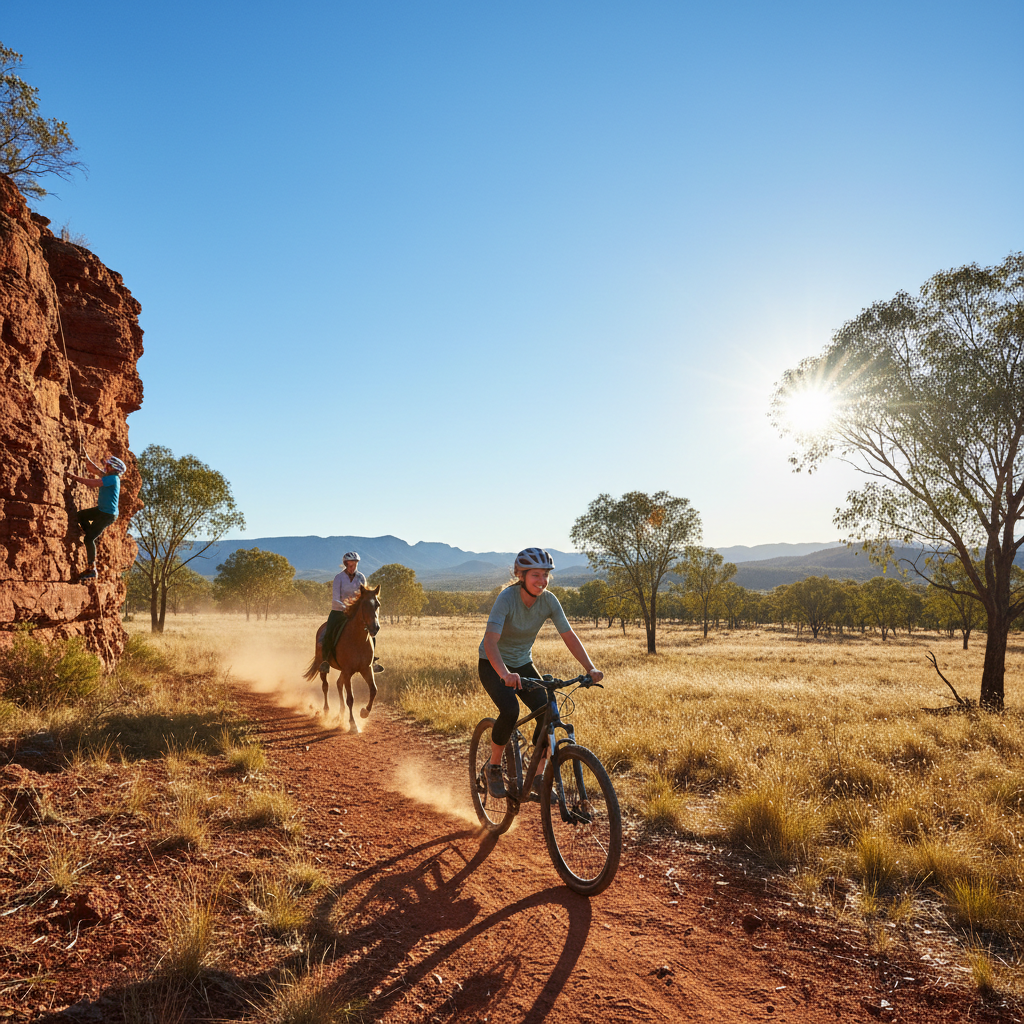
Conquer the Australian Sun: Choosing the Right Helmet Sun Brim
Australia’s sun is, frankly, a beast. High UV levels, scorching heat, and days that stretch on forever mean serious sun protection isn't an option – it's a necessity, especially when you're out and about. If you wear a helmet for work, sport, or recreation, you know the struggle: a helmet is great for safety, but often leaves your face, ears, and neck exposed to that intense UV radiation. That’s where a helmet sun brim comes in. But with different activities and conditions, how do you pick the right one?
This isn't about fashion. It's about practical, no-nonsense sun defence that works. We're talking about preventing sunburn, reducing the risk of skin cancer, and generally making your outdoor experience more comfortable under the relentless Australian sun.
Why a Helmet Sun Brim is Non-Negotiable Down Under
Let’s break it down. You're out there, doing your thing. Whether it's on a construction site, a farm, a hiking trail, a motorbike, or even just cycling around town, your head is protected. But what about the parts of you exposed around the helmet? That’s your face, your ears, your neck. These areas are prime targets for sun damage, and Australian UV indexes regularly hit the ‘very high’ and ‘extreme’ categories. We’re not talking about a gentle tan here; we’re talking about potential skin damage, premature ageing, and increased cancer risk. A good sun brim acts like an extension of your helmet, creating a crucial shield.
Think about it: a wide-brimmed hat offers good general protection, but it's not always compatible with helmet use. Attaching a brim directly to your helmet ensures it stays put and moves with you, providing consistent shade exactly where you need it. It’s a game-changer for anyone who spends more than a few minutes outdoors.
Understanding Your Needs: What Activity Are You Doing?
This is the crucial first step. The ‘right’ brim isn’t universal; it depends entirely on what you’re using it for. Let’s consider some common scenarios under the Australian sun:
1. Trade & Construction Work
Conditions: Long hours outdoors, often stationary or repetitive movements, intense sun exposure, dusty environments, need for high visibility and durability.
Requirements: Maximum face, neck, and ear coverage for prolonged exposure. Needs to be robust and not easily dislodged by wind or movement. Visibility is often key, so bright colours might be preferred, though the brim itself shouldn't obscure vision.
2. Agricultural & Farming
Conditions: Similar to construction but potentially with more exposure to dust, stubble, and agricultural chemicals. Often involves working low to the ground or overhead.
Requirements: Extensive coverage is essential. Durability is paramount. A brim that can withstand contact with branches or equipment is a plus. Good ventilation is important to combat heat.
3. Landscaping & Gardening
Conditions: Frequent movement, bending, and reaching. Exposure to sun, dirt, and occasional low-hanging branches. Hot, humid conditions are common in many parts of Australia.
Requirements: A balance between coverage and freedom of movement. A brim that doesn't constantly get in the way when bending or reaching is ideal. Good airflow to manage heat is critical.
4. Motorcycling & Powersports
Conditions: High speeds mean wind is a major factor. Sun can be intense, and glare can be a problem. Need to maintain peripheral vision.
Requirements: A brim that doesn't create excessive drag or lift at speed. It needs to be securely attached. It should provide shade without obstructing forward or peripheral vision. Some riders might opt for brims that integrate more closely with their helmet design.
5. Cycling & Trail Riding
Conditions: Variable speeds, often in direct sunlight. Need to see the trail ahead clearly. Can be hot and sweaty.
Requirements: Lightweight and aerodynamic if speed is a factor. Must provide shade without impeding vision, especially when looking uphill or at obstacles. Good ventilation to manage sweat and heat is important.
6. Hiking & Bushwalking
Conditions: Walking for extended periods, often on uneven terrain. Sun exposure can be constant, with limited natural shade in many Australian environments.
Requirements: Comfort and lightweight are key. Needs to provide significant shade for the face and neck over many hours. Durability against brushes and branches is a minor consideration.
Key Features to Consider
Once you've identified your primary activity, let's look at the features that make a brim suitable:
Coverage Area: This is the most obvious. Does it cover your face, ears, and neck sufficiently for the UV levels and duration you'll be exposed? Look for brims with a generous overhang.
Material and Durability: Will it withstand the rigours of your activity? Is it UV-resistant itself? Can it handle bumps, scrapes, or repeated flexing?
Attachment System: How does it attach to your helmet? Is it secure? Is it easy to install and remove if needed? We’ll cover installation in more detail later.
Ventilation: This is crucial for comfort in Australia's heat. Some brims are designed with vents or allow airflow around the edges to prevent your head from overheating.
Weight and Balance: A heavy brim can be uncomfortable over long periods. It can also affect how your helmet sits on your head.
Visibility: Does the brim obscure your vision in any way? Some brims are designed to provide maximum shade without compromising your line of sight. High-visibility colours are also a factor for certain jobs.
Choosing the Right DA BRIM for You: A Quick Guide
We design our DA BRIMs with Australian conditions in mind. Here’s a quick breakdown to help you choose:
| DA BRIM Model | Primary Use Cases | Key Benefits | Considerations |
|---|---|---|---|
| Wide Brim | Construction, Farming, Landscaping, Long Outdoor Work | Maximum shade, excellent neck and ear coverage | Can feel substantial, ensure adequate ventilation. |
| Sport/Cycling Brim | Cycling, Motorcycling, Hiking, Trail Running | Lightweight, aerodynamic, good forward vision | May offer slightly less overall neck coverage than Wide. |
| Narrow Brim | General use, shorter outdoor tasks, high wind areas | Minimalist, good for peripheral vision, lighter | Less coverage than wider options. |
This table is a starting point. Many users find flexibility; a construction worker might use the Wide Brim for maximum protection, while a cyclist might prefer the Sport/Cycling Brim for its balance of shade and aerodynamics.
Objection Handling: “But will it stay on?”
This is the big one. Nobody wants a sunshade flying off their head at speed or when they’re working. Our DA BRIMs are designed with secure attachment systems. We utilise robust clips and often add a secondary strap or tab for extra security on many models. The key is to ensure your helmet has a suitable rim or edge for the clips to grip effectively. If you’re unsure, check our FAQ page for helmet compatibility tips or contact us.
Objection Handling: “It’ll make me too hot.”
Another common concern, especially in Australia. The truth is, any extra layer can increase heat. However, our DA BRIMs are designed with airflow in mind. The Wide Brim, for instance, has a generous gap along the helmet's edge that allows air to circulate. The Sport brim is even more streamlined. Crucially, the shade provided often outweighs the minimal heat increase. A shaded face and neck feel significantly cooler than a sunburnt one, even if the ambient temperature is the same. Plus, by reducing direct sun on your head, you're actually helping your body regulate temperature more effectively than if you had no protection.
Objection Handling: “Will it look silly?”
Let's be honest, function over form here. In the Australian sun, looking a bit 'different' is a small price to pay for preventing severe sunburn and long-term damage. Our brims are designed to be practical and integrate as seamlessly as possible with standard helmet designs. Once you experience the comfort and protection, you won't be worried about aesthetics.
Step-by-Step: Installing Your DA BRIM
Getting your DA BRIM attached is straightforward. While specific steps can vary slightly by helmet model and brim type, here’s the general process:
1. Identify Attachment Points: Look at your helmet. Most standard hard hats or safety helmets have a rim or an edge where the DA BRIM clips can grip. For cycling or motorbike helmets, the edge around the vents or the lower rim is usually suitable.
2. Position the Brim: Hold the DA BRIM up to your helmet, aligning the clips with your chosen attachment points. You’re aiming for the brim to extend outwards, providing the desired shade.
3. Attach the First Clip: Gently push one of the DA BRIM’s clips onto the helmet rim until it clicks or feels securely seated. You might need to apply a little firm pressure.
4. Attach Remaining Clips: Working your way around, attach the other clips. Ensure each clip is firmly engaged.
5. Test for Security: Gently tug on the brim in various directions to ensure it’s firmly attached and won’t easily pop off. If it feels loose, reposition the clips or check your helmet’s rim for suitability. For ultimate peace of mind, some models offer an optional chin strap, which you’d attach during this step as well.
6. Adjust: Make any minor adjustments to the brim’s angle for optimal sun coverage and visibility.
For a visual guide, check out our detailed How to Install page.
Australian Sun Safety Checklist
Before you head out, give yourself the once-over:
[ ] Helmet On Properly: Is it fitted, snug, and secure?
[ ] Sun Brim Attached: Is your chosen DA BRIM securely fastened?
[ ] Adequate Coverage: Does the brim shield your face, ears, and neck?
[ ] Clear Vision: Can you see clearly without the brim obstructing your view?
[ ] Sunscreen Applied: Even with a brim, don't forget exposed areas like the back of your hands or the backs of your legs.
[ ] Hydration: Essential in the Australian heat.
Conclusion
Don't let the Australian sun win. Protecting yourself from UV radiation is a fundamental part of staying safe and healthy outdoors. By choosing the right helmet sun brim for your specific activity, you can significantly enhance your sun defence, improve comfort, and enjoy more time doing what you love, without the damaging effects of our powerful sun. Explore our range of Products designed for real-world Australian conditions. Stay safe, stay shaded.
For more information or specific questions, please visit our FAQ page or browse our Blog for more tips.