
Conquer Multipitch Climbs: Helmet Sun Protection for Australian Climbers
Long days on Australian multipitch climbs mean serious sun exposure. Learn how to protect yourself effectively with your helmet.
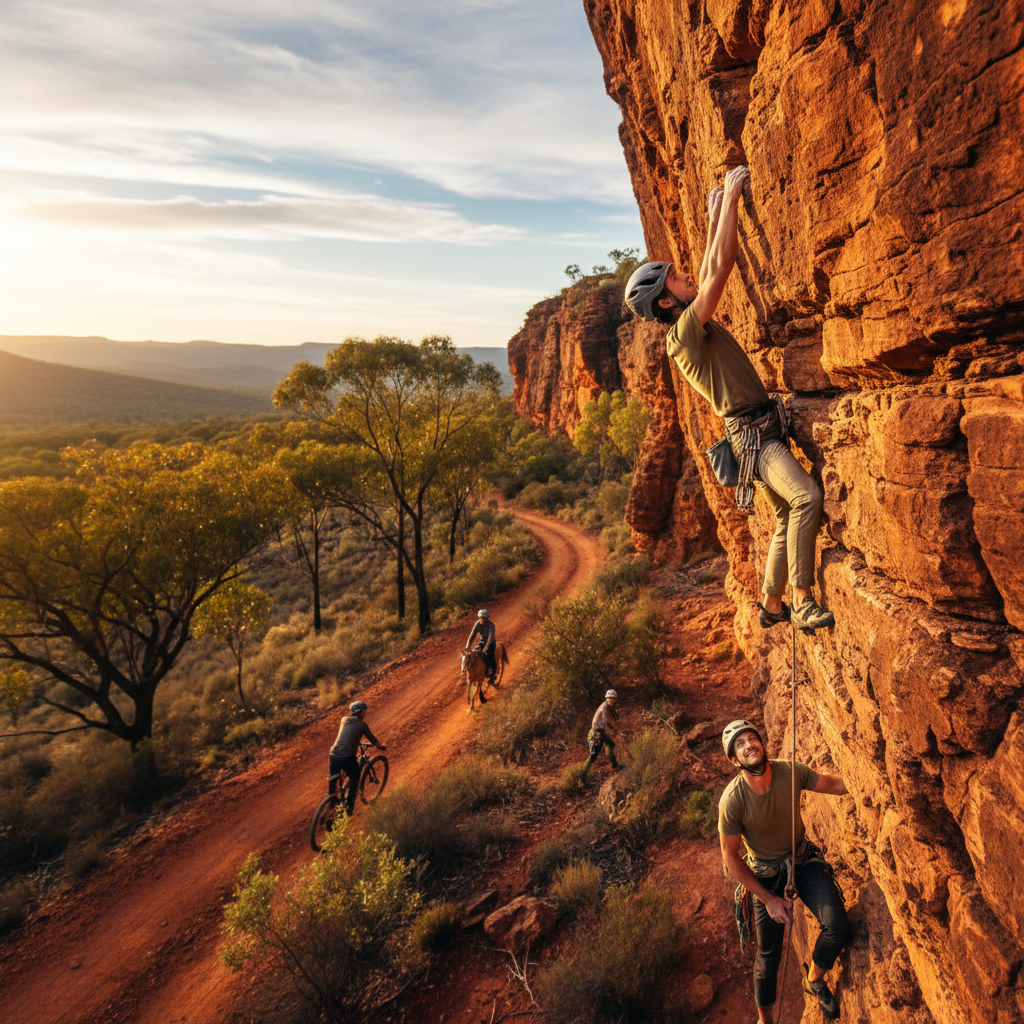
Conquer Multipitch Climbs: Helmet Sun Protection for Australian Climbers
Australia's vast landscapes offer incredible multipitch climbing opportunities. From the Grampians to the Blue Mountains, the allure of long, challenging ascents is undeniable. But with these epic adventures come prolonged exposure to the harsh Australian sun. We're talking intense UV radiation, relentless heat, and days that stretch from dawn till dusk. Standard helmet use is non-negotiable for safety, but it often leaves your face, neck, and ears exposed to the elements. This isn't just uncomfortable; it's a recipe for sunburn, heatstroke, and long-term skin damage.
Your climbing helmet is your primary safety device, but it's not always enough to guard against the sun's relentless assault, especially during long multipitch ascents common in Australia. Think about it: you're often on exposed rock faces for hours, potentially hundreds of metres off the ground, with nowhere to hide. The midday sun can be brutal, even on cooler days, and the cumulative UV exposure over a long climb can be significant. Don't let sun-related discomfort or damage cut your adventure short or ruin your recovery.
This is where smart sun protection for your helmet comes in. It's not about being fussy; it's about being practical and prepared for Australian conditions.
The Australian Sun: Not to Be Underestimated
We all know the Australian sun is fierce. Even on cloudy days, UV rays can penetrate, and the risk of sunburn is significant. On multipitch climbs, you're often above the tree line, on reflective rock surfaces, with minimal shade. The UV Index can reach extreme levels, far exceeding those in many other parts of the world. Long climbing days mean extended exposure, increasing the cumulative dose of harmful UV radiation. Beyond sunburn, prolonged heat exposure can lead to dehydration, heat exhaustion, and heatstroke – serious conditions that can be life-threatening, especially when you're high on a wall.
Common Objections and Realities
Let's address some common thoughts climbers have about helmet-based sun protection:
"My helmet already has some shade." True, a standard helmet offers minimal shade, usually just over the forehead. It doesn't cover your nose, cheeks, ears, or the back of your neck – critical areas that get blasted on multipitch routes. Think about the last time you climbed a long route and ended up with a tan line that covered half your face and part of your ears from helmet straps.
"I just wear sunscreen." Sunscreen is vital, yes, but it's not foolproof. It sweats off, needs reapplication (which is a pain mid-climb), and doesn't offer protection from reflected UV or physical barriers against heat.
"It's too much hassle." Being prepared is part of a successful, safe climb. Faffing with a hat that keeps falling off or reapplying greasy sunscreen while balancing on a small ledge is more hassle than a well-integrated sun protection solution.
"It'll make my helmet too hot." This is a valid concern, but a well-designed solution actually helps with heat management by shielding direct sunlight from your head and neck, which can be more effective than just airflow alone.
"It looks silly." Safety and comfort trump aesthetics when you're miles from help. Plus, functional gear can look pretty good!
Enhancing Your Helmet's Sun Protection Capabilities
The most effective way to enhance your helmet's sun protection for multipitch climbs is to add a purpose-designed brim. These are not bulky add-ons; they're often lightweight and integrate seamlessly with your helmet. They offer significantly more shade coverage than a standard helmet alone.
What to Look For in Helmet Sun Protection:
Extended Coverage: It needs to shade your face, ears, and neck. Think beyond just the forehead.
Durability: It will get knocked around, so it needs to be tough and flexible.
Lightweight: You’re already carrying a lot of gear. It shouldn’t add significant weight.
Ventilation Compatibility: Crucially, it shouldn't block essential ventilation on your helmet, especially in Australian heat.
Ease of Attachment/Removal: For multipitch, you want something that's straightforward to fit and adjust.
Compatibility: Ensure it fits your specific helmet model. Not all brims fit all helmets.
Multipitch Sun Protection Checklist for Australian Climbers
Before your next big multipitch day, run through this quick checklist to ensure you're adequately protected:
[ ] Helmet: In good condition, properly fitted.
[ ] Helmet Brim: A purpose-designed brim attached for extended facial and neck coverage.
[ ] Sunscreen: SPF 50+, broad-spectrum, applied liberally and reapplied as needed.
[ ] Lip Balm with SPF: Don't forget your lips!
[ ] Sunglasses: UV-protective and comfortable for long wear.
[ ] Lightweight Headwear (Optional): A thin skullcap or bandana under the helmet can add an extra layer of insulation and sweat management on very hot days, if it doesn't interfere with helmet fit or ventilation.
[ ] Hydration: Plenty of water, and electrolytes.
[ ] Knowledge: Understand the UV index for your climbing location and period.
Integrating a Brim: A Practical Solution
Adding a dedicated brim to your climbing helmet is the most practical upgrade for extended sun exposure. These are designed to attach to your helmet, extending its protective capabilities significantly. Many are designed to be easily attached and removed, making them versatile. For multipitch, where you might encounter varying conditions throughout the day, the ability to adjust or remove it without complicating your climbing is key.
How to Install Your Helmet Brim
Attaching a helmet brim is typically a simple process. Most are designed with a clip or hook-and-loop system that fits around your helmet's existing retention system or vents. For the most secure fit and best coverage, follow the manufacturer's instructions. We recommend taking a few minutes before your climb to ensure it's correctly positioned and doesn't impede your vision or helmet function.
Refer to our handy How to Install guide for detailed steps specific to our Products.
Sun Management on the Wall: Strategies for Long Climbs
Even with the best gear, smart strategies make a difference:
1. Strategic Planning: Start climbs in the early morning to minimise peak sun exposure. Plan your pitches to take advantage of any natural shade, even brief overhangs.
2. Utilise Your Brim: Position your helmet brim for maximum shade on your face and neck. Be mindful of how it affects your upward vision on steeper sections.
3. Hydration and Electrolytes: Sip water regularly. Add electrolyte tablets or powders to your water, especially for long, hot days. Dehydration exacerbates heat stress.
4. Reapplication of Sunscreen: While it's a pain, reapply sunscreen whenever you get a chance at a belay stance, focusing on exposed areas like your nose, ears, and any skin peeking from under your helmet.
5. Listen to Your Body: Recognise the signs of heat exhaustion and heatstroke. If you're feeling dizzy, nauseous, or experiencing a severe headache, descend if possible or seek shade and cool down. Don't push through severe symptoms.
6. Carry a Tarp or Bivvy Sack: For multi-day multipitch where you might be on the wall overnight or for extended periods, a lightweight tarp can provide crucial shade and shelter. Even for single-day climbs, a compact emergency bivvy can offer a shaded refuge during breaks.
When Gear Matters: Choosing the Right Sun Protection Products
Selecting the right accessories can make a significant difference. We’ve focused on creating solutions that are practical, durable, and effective for Australian climbing conditions. Our range of helmet brims are designed to fit a variety of popular climbing helmet models, offering substantial shade without compromising ventilation or helmet integrity. They are made from robust materials that can withstand the rigours of climbing.
Explore our Products to find the perfect addition to your climbing helmet.
Frequently Asked Questions
We get a lot of questions about helmet sun protection, especially from climbers tackling longer routes. Here are a few common ones:
Will a brim affect my helmet's safety rating? A properly designed and attached brim should not compromise your helmet's certified safety. Our products are engineered to integrate securely without interfering with the helmet's impact absorption or structural integrity. Always ensure your helmet is certified and in good condition according to manufacturer guidelines. For more detailed information, check our FAQ.
How do I choose the right brim for my helmet? Compatibility is key. Check the product descriptions on our Products page for a list of compatible helmet models. If you're unsure, our customer support can assist.
Can I use a standard baseball cap brim? While a brim offers shade, purpose-built climbing helmet brims are designed for a secure fit and to work with helmet ventilation and retention systems. A standard cap brim is unlikely to attach securely or safely.
- What about extreme heat? Will the brim make it hotter? Counterintuitively, a good brim can help manage heat by blocking direct solar radiation from reaching your head and neck. This reduces heat gain. Combined with good ventilation, it can actually improve comfort.
Don't Let the Sun Win
Multipitch climbing in Australia is an incredible experience. Don't let inadequate sun protection turn a dream trip into a painful ordeal. Invest in practical solutions that enhance your helmet's protective capabilities. A well-chosen and properly fitted helmet brim is a simple yet highly effective way to significantly improve your comfort and safety on long, sun-drenched ascents.
For more tips and updates on climbing gear and techniques, visit our Blog.
Stay safe, stay protected, and enjoy the climb!