
Climbing Under the Sun: Your Helmet is Only Half the Battle
Outdoor climbing in Australia means serious sun. Learn how to protect yourself from UV damage, heatstroke, and glare, even with a helmet. It's not just about shade – it's about smart sun safety.
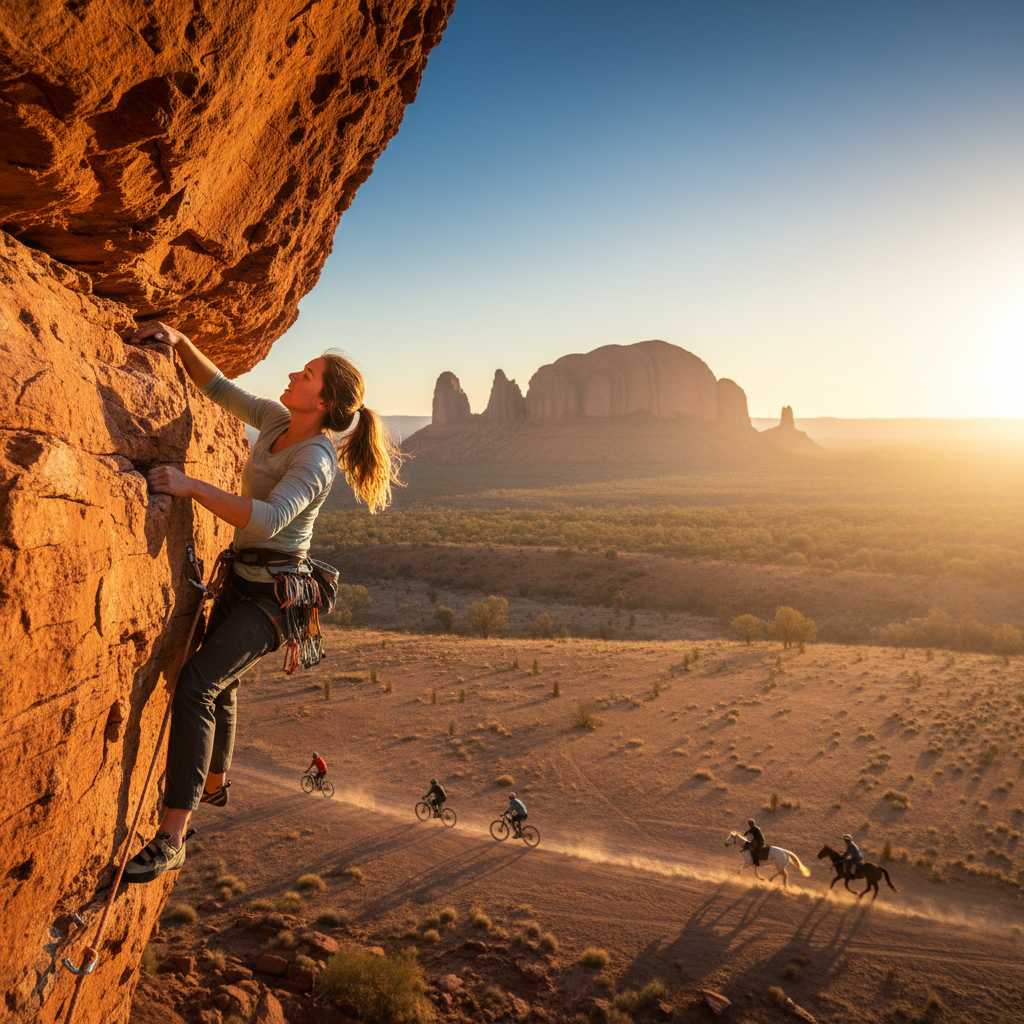
Climbing Under the Sun: Your Helmet is Only Half the Battle
Australia. Land of endless blue skies, iconic landscapes, and… brutal sunshine. If you're heading outdoors for a climb, you're already thinking about safety. Helmet on, check. Climbing shoes, check. But are you thinking about the sun? Really thinking about it?
Many climbers assume their helmet is enough. It protects your noggin from rockfall, right? Correct. But it does next to nothing for your face, neck, and ears. And in Australia, that's a problem. We’re talking about UV indexes that regularly hit extreme levels, long daylight hours, and heat that can sneak up on you, even if you don't feel like you're 'burning'.
This isn't about fear-mongering. It's about practicality. You’ve invested in good gear for your climb; it’s time to invest a little thought into protecting your skin and your body from the sun’s hazards.
The Silent Dangers of Sun Exposure While Climbing
Let’s break it down. What are you actually up against when you’re at the crag?
1. UV Damage: The Long Game (and the Short Game):
Skin Cancer Risk: This is the big one. Cumulative UV exposure over years significantly increases your risk of skin cancers, including melanoma. Australia has one of the highest rates of skin cancer in the world. Every bit of unprotected skin exposed, hour after hour, adds up.
Premature Ageing: Sun damage breaks down collagen and elastin. Think wrinkles, leathery skin, and sunspots. Not ideal, even for the hardiest adventurer.
Sunburn: This is the immediate, painful consequence. Severe sunburn can be debilitating, take you out of action for days, and is a clear indicator of significant skin damage.
2. Heatstroke and Dehydration: When the Heat Wins:
Direct Heat Load: Even if it's not 40°C, prolonged exposure to direct sunlight, especially when you're exerting yourself physically, raises your core body temperature.
Dehydration: You'll sweat more on a sunny day. If you’re not adequately hydrated, this leads to fatigue, reduced performance, cramps, and eventually, heatstroke – a potentially life-threatening condition.
Impaired Cognitive Function: Dehydration and heat can affect your judgement, concentration, and reaction times. This is dangerous on a climb where mistakes have serious consequences.
3. Glare and Vision Impairment:
Reduced Visibility: Bright sunlight can create intense glare off rock faces and the surrounding environment. This makes it harder to see handholds, foot placements, and potential hazards.
Eye Strain and Damage: Prolonged exposure to intense UV can contribute to eye conditions like cataracts and pterygium over time. And in the moment, squinting constantly is just plain tiring.
Why Your Helmet Isn't Cutting It (Alone)
Your climbing helmet is designed for impact protection. It’s round. It has vents. It’s not designed to block UV rays from hitting your face, your neck, or your ears. Imagine wearing a regular bike helmet for a day at the beach – it wouldn’t offer much shade or protection from the sun. A climbing helmet is no different for your exposed skin. The vents, while crucial for cooling, are also pathways for UV radiation to reach your scalp and face.
Practical Solutions: Beyond the Basic Helmet
Okay, so the helmet needs backup. What does that look like? It's a multi-pronged approach, combining gear and good habits.
Essential Sun-Protection Gear for Climbers
Here’s what to consider adding to your kit:
A Wide-Brimmed Helmet Attachment: This is the most obvious and effective addition. Think of it as a built-in visor for your helmet. These attachments broaden the shade cast over your face, neck, and ears. Look for ones designed to fit securely to your helmet so they don’t become a hazard themselves. [Internal Link: /products]
Sunscreen (High SPF): Non-negotiable. Use a broad-spectrum sunscreen with an SPF of 30 or higher. Reapply every two hours, and more often if you're sweating heavily or have been in water.
Long-Sleeved, Lightweight Clothing: Even in the heat, covering up is often better than exposing skin. Look for UPF (Ultraviolet Protection Factor) rated clothing made from breathable, moisture-wicking fabrics. These are designed to keep you cool while blocking UV.
Sun-Protective Hat (for before/after climbing): A wide-brimmed hat is excellent for the approach and descent, as well as for downtime. Just remember to take it off before putting your helmet on.
Polarised Sunglasses: Crucial for reducing glare and protecting your eyes, especially during the approach and when not actively climbing. Ensure they offer 100% UV protection. [Internal Link: /products]
Neck Gaiter or Buff: A lightweight, breathable neck gaiter can be pulled up to protect your neck and lower face. [Internal Link: /products]
Sun Safety Habits for the Crag
Gear is one thing, but habits are king.
Timing Your Climbs: If possible, avoid climbing during the peak UV hours (typically 10 am to 3 pm). Early mornings and late afternoons are your friends. This requires planning, especially if you're travelling to a climbing spot.
Seeking Shade: Use natural shade whenever possible, but don’t rely on it entirely. Rock formations can cast shadows that move, and even 'shaded' areas can still be exposed to reflected UV.
Hydration Plan: Carry more water than you think you’ll need. Sip frequently, even before you feel thirsty. Electrolyte drinks can be beneficial on very hot days or during long excursions.
Regular Reapplication: Make it a ritual. Every time you belay, every time you take a break, check your sunscreen. [Internal Link: /pages/faqs]
Listen to Your Body: If you start feeling dizzy, nauseous, or excessively fatigued, it’s time to stop. Don't push through the symptoms of heat exhaustion or dehydration.
Integrating Sun Protection into Your Climbing Routine
It’s easy to say you’ll be sun-safe, but harder to do it consistently. Here’s how to make it automatic.
The Pre-Climb Check
Before you even drive to the crag, do a quick mental (or actual) checklist:
UV Index Check: Know what you’re dealing with. Many weather apps provide this. On days with a high UV index (7 and above), extra vigilance is needed.
Sunscreen Applied: Before you leave home or the car. You don’t want to be caught out with bare skin.
Hat and Sunglasses Packed: For the approach and any non-climbing time.
Helmet Baggered: Including your chosen helmet brim attachment if you have one. [Internal Link: /products]
Water Bottles Filled: Enough for the planned duration, plus a buffer.
On the Rock: The Climbing Session
This is where your helmet brim becomes your best mate.
1. Helmet On, Brim Attached: Before you step into the sun, ensure your helmet is snug and your brim is securely attached. [Internal Link: /pages/installing-your-da-brim-helmet-brim]
2. Face and Neck Protection: The brim should create a significant shadow over your face and down your neck. This is your primary defence against direct UV radiation.
3. Reapply Sunscreen During Breaks: When you reach a ledge or while belaying, take a moment to reapply sunscreen to any exposed areas not covered by your brim or clothing.
4. Stay Hydrated: Drink at regular intervals. Don't wait until you're parched. If you’re feeling the heat, consider taking a brief rest in the shade if available.
5. Sunglasses for Transitions: Wear your sunglasses during approaches, descents, and any downtime when your helmet isn't strictly necessary for climbing. This protects your eyes from glare and UV.
Post-Climb Wrap-Up
Even after you’ve packed up, sun protection continues.
Check for Sunburn: Inspect your skin for any areas that might have been missed or burned.
Hydrate Further: Continue drinking water to rehydrate.
- Moisturise: If you’ve been in the sun, applying a soothing moisturiser can help.
You're building a lifetime of climbing adventures. Don't let sun damage cut them short or detract from your enjoyment. Think smart, gear up appropriately, and enjoy those sun-drenched Australian climbs safely.
For more practical tips and gear recommendations, check out our Blog or our FAQ section.