
Climbing Under the Sun: Why Your Helmet Isn't Enough and How to Stay Safe
Think your climbing helmet protects you from the sun? Think again. Aussie sun is brutal. Learn the real risks of sun exposure while climbing and practical ways to combat them, even when you're high on the rock face.
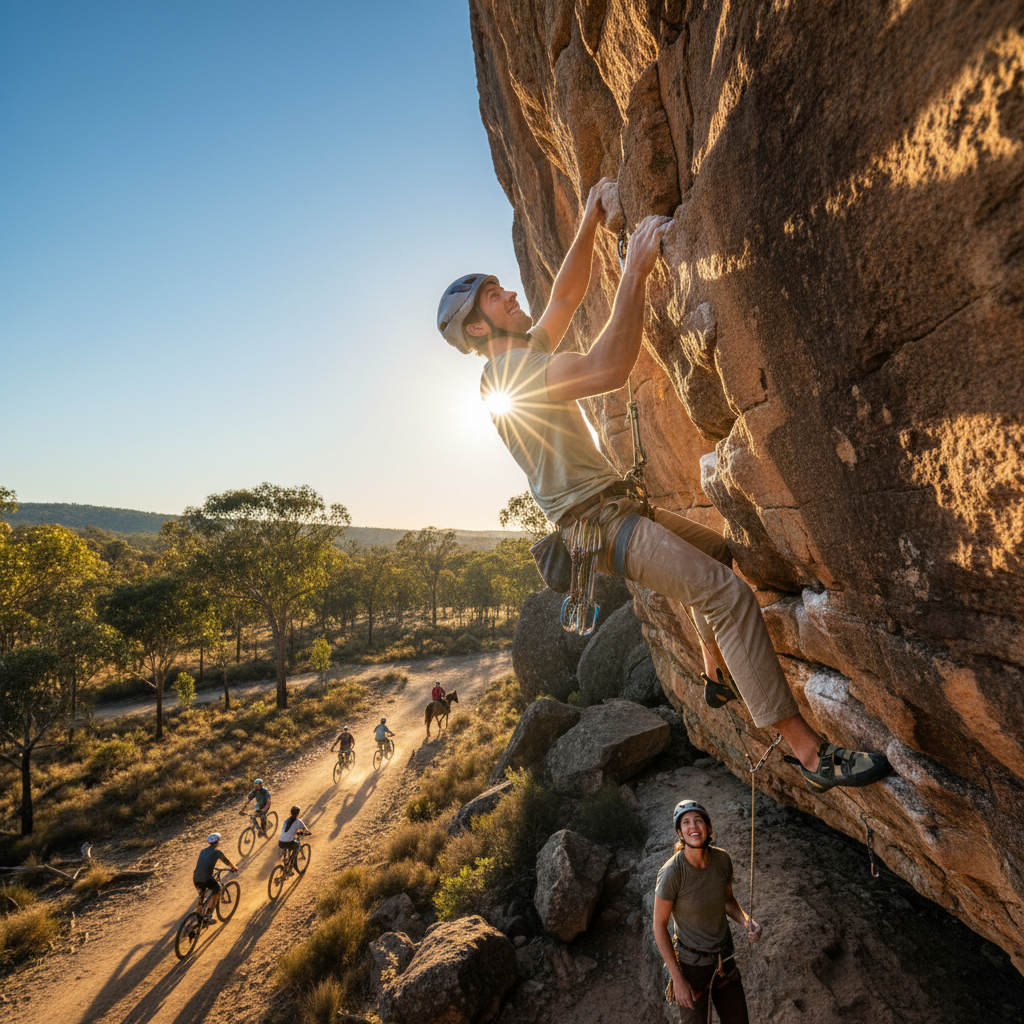
Climbing Under the Sun: Why Your Helmet Isn't Enough and How to Combat Aussie UV
Australia. It’s a climber’s paradise. Rugged coastlines, towering inland formations, and a seemingly endless supply of sun-drenched rock. But that relentless Aussie sun is also a major hazard. You’re geared up with a helmet for falls, but what about the slow, insidious damage of UV radiation and heatstroke you’re exposed to on those long days out?
Many climbers think their helmet is all the sun protection they need. It’s tough, it’s on their head, right? Wrong. While crucial for impact protection, most climbing helmets offer zero UV protection for your face, neck, and ears. And that's where the real trouble begins.
The Silent Attack: Sun Exposure Risks While Climbing
We’re not just talking about a mild sunburn here. Prolonged and intense sun exposure while climbing can lead to a range of issues, some immediate and some with long-term consequences.
1. Sunburn and Skin Damage
This is the most obvious. Direct UV radiation damages your skin cells. In Australia, the UV Index can reach extreme levels, even on partly cloudy days. That exposed skin on your face, neck, and ears is getting bombarded. Frequent sunburns significantly increase your risk of premature aging (think wrinkles and sunspots) and, more seriously, skin cancer.
2. Heat Exhaustion and Heatstroke
Climbing is physically demanding. Add intense heat and direct sun, and your body struggles to regulate its temperature. Heat exhaustion can creep up on you – feeling dizzy, nauseous, having a headache, and excessive sweating. If left unchecked, it can escalate to heatstroke, a life-threatening medical emergency. Symptoms include confusion, lack of sweating despite the heat, a high body temperature, and loss of consciousness. You don't want this happening halfway up a multi-pitch.
3. Dehydration
It’s a given that you’ll sweat more in the heat. But combined with the physical exertion of climbing and exposure to direct sun, dehydration can happen much faster than you think. Thirst is already a sign you’re behind. Dehydration impairs cognitive function, making you more prone to mistakes, and reduces your physical performance. It also exacerbates the risks of heat-related illnesses.
4. Eye Damage
Your eyes are incredibly sensitive to UV rays. Prolonged exposure, especially with glare bouncing off rock faces, can lead to photokeratitis (essentially, sunburn of the cornea) and increase your risk of developing cataracts and macular degeneration over time.
5. Fatigue and Reduced Performance
Sun exposure directly contributes to fatigue. Your body expends energy trying to stay cool and repair UV damage. This means you’ll likely get tired faster, impacting your focus, grip strength, and decision-making abilities. Not ideal when you’re on a challenging route.
Why Your Helmet Doesn't Cut It (For Sun Protection)
Your climbing helmet is designed to protect your head from impacts – falling rocks, hitting your head on overhangs, or the consequences of a fall. It’s not designed to block UV radiation or shield your face from the sun’s rays. In fact, many helmets have vents that allow sunlight and UV rays to reach your scalp and forehead.
Consider this: When you’re belaying or resting on a ledge, your face is often directly exposed. The sun moves, and so do the shadows. Your helmet stays put, but your vulnerable skin doesn't get the same protection.
Practical Sun Protection for Australian Climbers
Dodging the Aussie sun while climbing isn't about being lazy; it's about being smart and responsible. It’s about extending your climbing days and ensuring you can enjoy the sport for years to come without paying a painful price.
1. The Right Sunscreen is Non-Negotiable
SPF 50+: Don't mess around with lower SPFs. Australian sun demands the highest protection. Look for broad-spectrum protection (UVA and UVB).
Water-Resistant: You'll sweat. You might get damp from the rock. Make sure it won't wash off after a few minutes.
Application: Apply generously before you leave home or the car park. Reapply every two hours, and more frequently if you’re actively sweating or swimming.
Don't Forget: Ears, neck, back of your hands, and lips. Use a lip balm with SPF.
2. Sun-Protective Clothing: More Than Just a Shirt
UPF Rated: Look for clothing with a UPF (Ultraviolet Protection Factor) rating. UPF 50+ is excellent. This includes long-sleeved shirts and pants made of lightweight, breathable fabric.
Coverage: The more skin you cover, the better. Long sleeves can be rolled up, but they offer a barrier when you need it.
3. Hats: Your Second Line of Defence
Wide-Brimmed Hats: While a helmet is essential for climbing, a wide-brimmed hat is great for the approach, descent, and any downtime. It provides crucial shade for your face, neck, and ears.
Under-Helmet Options: This is where things get clever. Traditional baseball caps don't work with helmets. This is where innovative solutions come in.

An attachable brim, like the DA BRIM, can significantly extend the sun protection offered by your helmet. It attaches securely to most standard climbing helmets, providing shade for your whole face and neck without compromising safety or comfort.
Consider your existing helmet. Can you attach an additional brim? This is a game-changer for long days out. Read about how to install your DA BRIM – it’s a simple process that drastically improves your sun defence.
4. Sunglasses: Protect Your Eyes
UV Blocking: Ensure your sunglasses block 100% of UVA and UVB rays. Check the label.
Wraparound Style: These offer better protection by minimising light entering from the sides.
Essential for Approaches/Descents: While you might not wear them on the crux, they are vital during long approaches in exposed terrain and on the descent.
5. Hydration: Your Secret Weapon
Carry Enough: Calculate your water needs for the day, factoring in high temperatures and exertion. It's always better to have too much than too little.
Electrolytes: Consider electrolyte tablets or powders to replenish salts lost through sweat, especially on very hot days or long climbs.
Sip Regularly: Don't wait until you're thirsty. Drink small amounts frequently.
Sun Protection Checklist for Your Next Climb
Before you head out to that glorious Australian crag, run through this quick checklist:
[ ] SPF 50+ Sunscreen: Applied generously and packed for reapplication.
[ ] SPF Lip Balm: Packed and ready.
[ ] Long-Sleeved UPF Shirt: Breathable and covering.
[ ] Long Pants or Trousers: Lightweight and durable.
[ ] Helmet: Your primary safety gear.
[ ] Attachable Helmet Brim (e.g., DA BRIM): For enhanced face and neck shade (if applicable).
[ ] UV-Blocking Sunglasses: For approaches and descents.
[ ] Wide-Brimmed Hat: For non-climbing periods (approach/descent).
[ ] Sufficient Water Supply: Plus electrolyte supplements if needed.
[ ] Knowledge of Symptoms: Recognise heat exhaustion and heatstroke signs.
A Step-by-Step Guide to Sun-Safe Climbing
Let’s break down how to integrate sun safety into your climbing routine, from planning to packing.
Phase 1: Planning & Preparation
1. Check the Forecast: Not just for rain, but for temperature and the UV Index. High UV means extra vigilance.
2. Assess the Route: Is it exposed? Are there long approaches in the sun? Will you be climbing during peak UV hours (10 am - 3 pm)?
3. Pack Smart: Based on the forecast and route, gather your sun-protective gear, sunscreen, hat, sunglasses, and adequate water. Don’t forget your attachable brim for your helmet if you have one.
Phase 2: Pre-Climb Application
1. Sunscreen Application: Apply liberally to all exposed skin at least 20 minutes before sun exposure. This includes your face, neck, ears, hands, and forearms.
2. Dress Appropriately: Put on your UPF clothing.
3. Sunglasses On: If you need them for the approach.
Phase 3: On the Rocks
1. Helmet On, Brim Deployed: Secure your helmet. If using an attachable brim, ensure it's positioned for maximum shade.
2. Reapply Sunscreen: Every two hours, or more often if you’re sweating heavily.
3. Hydrate Constantly: Sip water and electrolyte drinks regularly.
4. Seek Shade When Possible: During rests, on belay ledges, or at the base of the climb.
5. Be Mindful of Glare: Understand how light reflects off the rock and consider sunglasses even during shorter spins if needed.
Phase 4: Post-Climb & Recovery
1. Cool Down: If you've been in extreme heat, have a cool shower or drink plenty of water.
2. Moisturise: This can help soothe any skin that might have been exposed.
3. Check Skin: Look for any new or suspicious moles or sunspots. Regular skin checks are vital.
Making Sun Safety a Habit
Sun protection isn't an afterthought; it's as essential as checking your knot before you leave the ground. The Australian sun is powerful, and its effects can be cumulative and dangerous. Investing in the right gear, like an attachable helmet brim, and making smart habits a priority will not only keep you comfortable but also protect your long-term health.
Don't let preventable sun damage cut your climbing adventures short. Stay educated, stay protected. For more on gear and safety, check out our Products page, consult our FAQ, or explore more tips on our Blog.
Climb smart. Climb safe. Climb protected.