
Climbing Under the Scorching Sun: Your Helmet is Only Half the Story
Australian sun doesn't mess around. Your helmet protects your head, but what about the rest of you? Discover the real sun exposure risks for climbers and how to get full coverage.
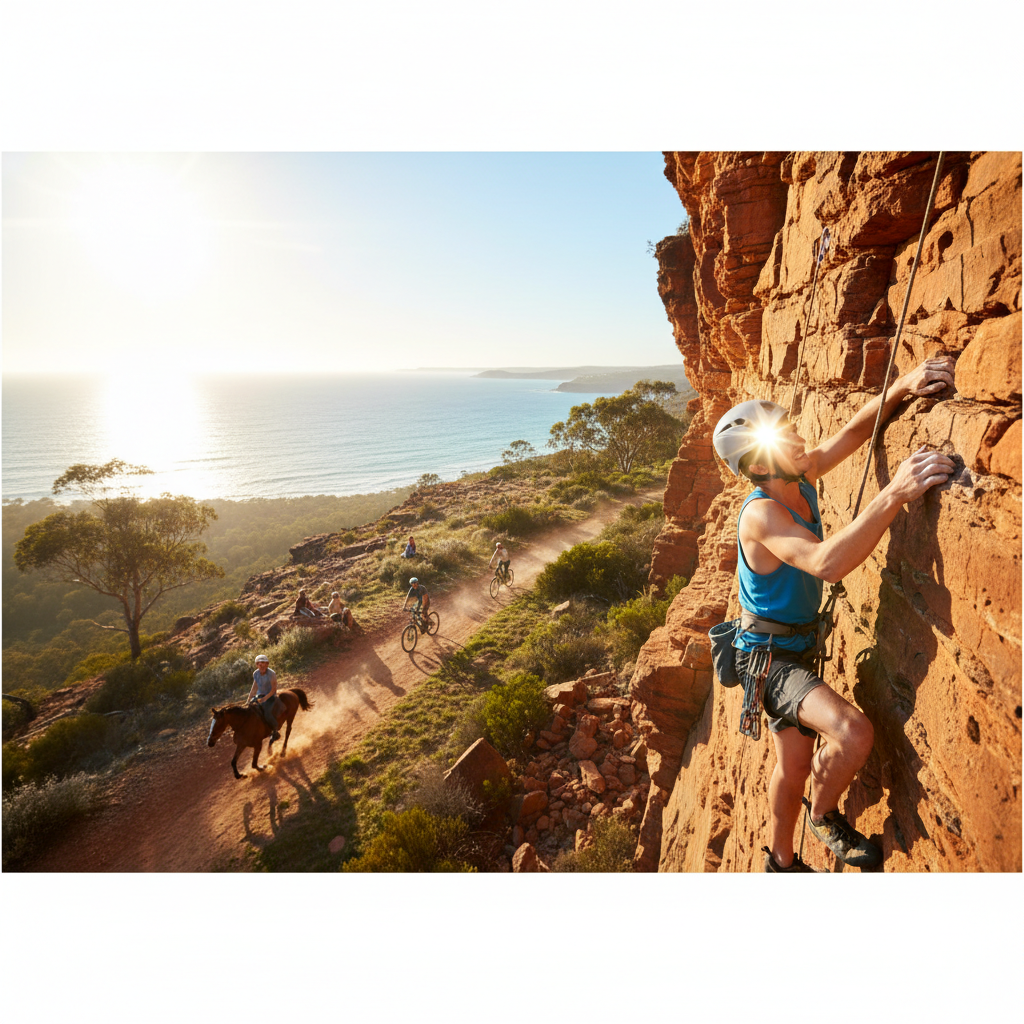
---
Climbing Under the Scorching Sun: Your Helmet is Only Half the Story
We get it. You're focused on the rock, the grip, the next move. Your helmet is strapped on tight, a crucial piece of kit for your safety. But here in Australia, especially during the long daylight hours of our warmer months, a helmet only addresses one part of the danger. The sun is relentless, and without proper protection, you're exposing yourself to serious risks.
The Obvious: Sunburn
This is the one most people think of. Red, peeling skin. Painful. But it's more than just cosmetic damage. Repeated sunburns significantly increase your risk of skin cancer, including melanoma. Even a single blistering sunburn can increase your risk. Think about it: hours spent on exposed rock faces, with limited shade, and often with sweat making any sunscreen you tried to apply drip into your eyes.
The Not-So-Obvious: Heat Stress and Heatstroke
Australian summers are brutal. High temperatures combined with physical exertion are a recipe for heat-related illnesses. When you're wearing full climbing gear, including your helmet, you're trapping heat. Your body’s natural cooling mechanisms struggle. This is where it gets dangerous:
Heat Cramps: Painful muscle spasms.
Heat Exhaustion: Symptoms include heavy sweating, paleness, dizziness, nausea, and a rapid but weak pulse.
Heatstroke: This is a medical emergency. Your body's temperature regulation fails. Symptoms include a high body temperature (over 40°C), hot, red, dry or damp skin, a rapid, strong pulse, confusion, and loss of consciousness. This can lead to permanent disability or death.
Your helmet, while essential, can contribute to this by reducing airflow around your head. You're essentially creating a personal sauna.
Long-Term Damage: Premature Aging and Skin Cancer
Even if you don't get a bad sunburn, consistent UV exposure takes its toll. Sun damage is cumulative. Over time, it leads to:
Premature Aging: Wrinkles, leathery skin, age spots.
Eye Damage: Cataracts and other vision problems.
Increased Skin Cancer Risk: Basal cell carcinoma, squamous cell carcinoma, and the deadliest, melanoma.
Australia has one of the highest rates of skin cancer in the world. Our UV levels are dangerously high, not just in summer, but for much of the year. Peak sun times are often when you're most likely to be out climbing, especially on longer days.
The Helmet Dilemma: Protection vs. Ventilation
Yes, your helmet protects your head from impacts. But does it protect you from the sun? Mostly no. The straps, the gaps, and the lack of coverage mean your face, neck, ears, and any exposed skin are still vulnerable. In fact, the very act of wearing a helmet can sometimes intensify the sun's effect on the exposed areas by creating areas of shade and then intense sun exposure on the surrounding skin, leading to a distinct tan line and potentially burnt areas.
Practical Solutions for Full Protection
Ignoring sun protection while climbing is a gamble. Here’s how to mitigate the risks:
1. Sunscreen is Non-Negotiable
High SPF: Use a broad-spectrum sunscreen with an SPF of 50 or higher. Reapply frequently, especially after sweating. Look for water-resistant formulas.
Apply Correctly: Don't miss spots. Cover your face, neck, ears, lips (use a lip balm with SPF), and backs of your hands. Apply before you head out.
2. Seek Shade When Possible
This sounds obvious, but when you're halfway up a climb, it's not an option. However, during rest breaks, belay stations, and approaching/descending, use any available shade. Planning your climbs for cooler parts of the day can also help, though this isn't always feasible with early starts or long approaches.
3. Cover Up Strategically
This is where your helmet is only part of the puzzle. You need protection for the areas your helmet doesn't cover. This is where a product like Da Brim comes in. A helmet brim is specifically designed to extend the shade provided by your existing helmet, protecting your face, neck, and ears. It's a simple, effective addition.
4. Stay Hydrated
Crucial for preventing heat stress. Drink water continually, even if you don't feel thirsty. Electrolyte drinks can be beneficial on particularly long or hot days.
5. Wear Sun-Protective Clothing
Lightweight, UPF-rated clothing can make a huge difference. Long sleeves and pants might seem counterintuitive in the heat, but modern technical fabrics are designed to be breathable and wick sweat, keeping you cooler and protected from UV.
Addressing Common Objections
"I don't burn easily." Great! But UV damage is cumulative and insidious. You might not see the damage happening, but it's occurring, increasing your long-term risk of skin cancer and premature aging.
"Sunscreen is greasy and gets in my eyes." This is a valid point. That's why reapplying is key, and why products that provide physical shade are so valuable. Consider using a zinc-based sunscreen for your face; it's thicker and often stays put better.
"My helmet is enough." As we've discussed, it protects your head from impact, not your face, neck, or ears from UV. You need to complement your helmet's protection.
"It's too hot to wear more layers or a brim." Modern sun-protective clothing is designed for breathability. A good helmet brim, like the Da Brim, is lightweight and doesn't impede airflow significantly. It's a trade-off for substantial sun protection.
The Da Brim Advantage for Climbers
Your helmet is designed for impact protection. Da Brim is designed for sun protection. Together, they offer comprehensive safety.
Extended Shade: Blocks UV rays from hitting your face, ears, and neck.
Reduced Glare: Improves visibility by reducing the sun hitting your eyes directly.
Lightweight: Adds minimal weight to your climbing setup.
Easy to Install: Attaches quickly to most standard climbing helmets.
It’s a small addition that makes a big difference in comfort and long-term health.
What to Look for in Your Sun Protection Strategy
When planning your climbing day, consider this checklist:
[ ] Helmet: Your primary impact protection.
[ ] Da Brim: For extended shade on face and neck.
[ ] SPF 50+ Sunscreen: Broad spectrum, water-resistant.
[ ] SPF Lip Balm: Don't forget your lips.
[ ] Sun-Protective Clothing: Lightweight, UPF rated (long sleeves, pants if suitable for conditions).
[ ] Wide-Brimmed Hat (for approaches/descents): If not wearing your helmet constantly.
[ ] Sunglasses: Essential for approaches and descents.
[ ] Plenty of Water: Hydration is key.
Integrating Sun Protection into Your Climbing Routine
It's about habit. Make these steps as automatic as checking your knots or your harness.
Pre-Climb Routine (at the trailhead/base):
1. Apply Sunscreen: Thoroughly cover all exposed skin. This includes your face, ears, neck, hands, and any areas not covered by clothing.
2. Apply SPF Lip Balm: Don't skip this. It's easy to forget, but lips are very susceptible to sun damage.
3. Don Your Helmet: Ensure it's properly fitted. If using a Da Brim, ensure it's securely attached.
4. Dress Appropriately: Put on your sun-protective clothing.
5. Hydrate: Start sipping water.
During the Climb/Belay:
6. Reapply Sunscreen: Every two hours, or more often if you're sweating heavily or after any water exposure (even sweat). This is critical. Keep a small tube easily accessible.
7. Seek Shade: During rest stops, position yourself in shade if available.
8. Continue Hydrating: Sip water regularly.
Post-Climb Routine:
9. Assess Your Skin: Check for any missed spots or signs of sunburn.
10. Cleanse and Moisturise: Especially important if you're reapplying sunscreen multiple times.
The Long Game: Protecting Your Health
While your helmet keeps you safe from rockfall or impact, it's your responsibility to protect yourself from the sun's damaging rays. Australian conditions demand vigilance. Investing a little extra time and a few well-chosen accessories into your sun safety routine can prevent painful sunburns, long-term skin damage, and dangerous heat-related illnesses. Don't let the sun cut your climbing adventures short or impact your health down the line. Make sun protection as integral to your climbing as your ropes and your shoes. Explore our range of products designed to enhance your safety and comfort in the outdoors.
Remember, a healthy climb is a protected climb. For more tips and answers, check out our FAQ or read our other posts on our Blog.