
Climbing Under the Scorching Aussie Sun? Protect Your Face and Neck Now.
Don't let sun damage slow your climb or ruin your skin. This guide for Australian climbers covers practical ways to shield your face and neck from intense UV.
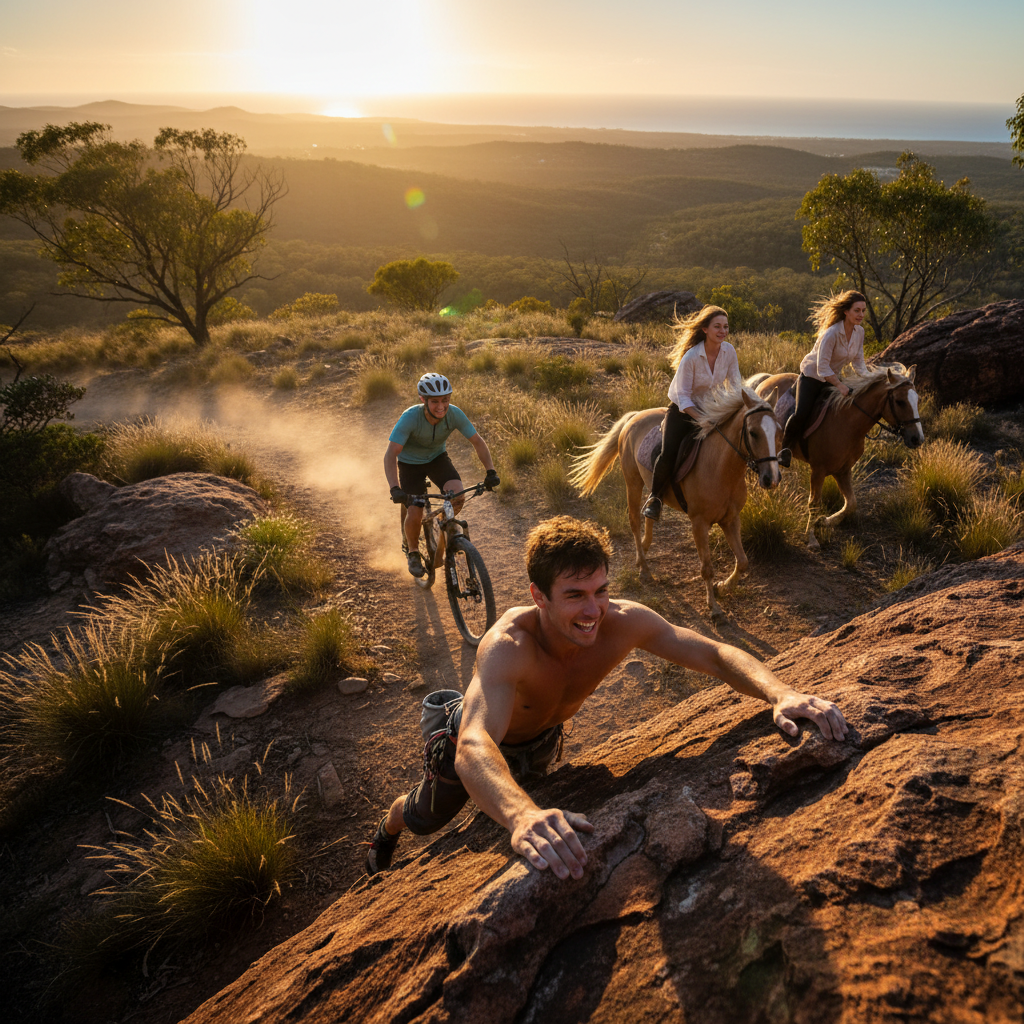
Climbing Under the Scorching Aussie Sun? Protect Your Face and Neck Now.
Let's cut to the chase. If you're climbing in Australia, you're exposed. The sun here isn't messing around. We're talking high UV ratings, relentless heat, and days that can stretch longer than a tough route. Relying solely on sunscreen isn't enough, especially when you're concentrating on your next move. Your face and neck are prime real estate for sunburnt skin, premature aging, and an increased risk of skin cancer. It’s time to get serious about protecting them, especially when wearing a helmet.
The Helmet Paradox: Protection With a Blind Spot
Helmets are non-negotiable for climbing safety. They protect your head from impacts, falling debris, and all sorts of nasty surprises. But traditional climbing helmets? They often leave your neck completely exposed and offer minimal shade for your face. That gap is a gaping hole in your sun protection strategy.
Why Your Current Setup Isn’t Cutting It
Sunscreen Washes Off: Sweat and exposure mean sunscreen needs constant reapplication. It's messy, inconvenient, and often forgotten when you're mid-climb.
Limited Hat Coverage: A regular hat underneath a helmet? It's a recipe for overheating and a poor fit. Plus, the brim is usually too small to make a significant difference.
Neck Burn is Inevitable: That sensitive skin on the back and sides of your neck gets a direct hit, especially when you’re looking up or traversing.
The UVA/UVB Assault: Don't think you're safe in the shade of a cliff. UV rays bounce off rocks and even penetrate light clouds. Long days out mean prolonged exposure.
Practical Sun Protection for the Australian Climber
This isn't about making excuses or whining about the sun. It's about smart, practical solutions that work with your climbing gear, not against it. We're talking about actively blocking that harmful radiation before it hits your skin.
The Core Principles:
1. Block, Don't Just Deflect: Aim for shade and physical barriers. The more you can block the UV rays, the better.
2. Full Coverage is Key: Don't just focus on your nose. Your ears, temples, the back of your neck – they all need covering.
3. Comfort Matters: Any solution you adopt needs to be comfortable, breathable, and not interfere with your helmet's fit or your ability to move.
Your Shield Strategy: Face and Neck
Here's where we get practical. Forget fumbling with sunscreen tubes on a ledge. Think integrated protection.
1. The Helmet Brim Upgrade
This is the most effective and straightforward addition to your climbing headwear. A helmet brim, specifically designed to attach to your helmet, extends the protective shadow cast by your helmet outwards.
Why it Works: Think of it like a wide-brimmed hat for your helmet. It creates a significant personal shade zone, drastically reducing the amount of direct UV reaching your face and forehead. These brims are usually designed to offer maximum coverage without obstructing your vision.
Australian Conditions: In Australia, where the UV index frequently hits 'Very High' or 'Extreme', a substantial brim is not a luxury; it's a necessity. It offers consistent protection throughout those long climbing days.
Objection Handling:
"Will it get in the way?" Look for designs that are shaped to complement your helmet and provide clear peripheral vision. The goal is protection, not hindrance.
"Will it fall off?" Reputable brims are designed for secure attachment. Proper installation is crucial – more on that later.
"Is it too hot?" Many are made from lightweight, durable materials designed for outdoor use. While anything added to a helmet can slightly increase heat, the reduction in direct sun exposure on your skin can actually make you feel cooler and more comfortable overall.
Check out our range of Products designed for this exact purpose.
2. Neck Protection
This is often the most neglected area, but it’s incredibly vulnerable.
Built-in Helmet Flaps: Some climbing helmets come with integrated neck protection, often a softer material that drapes down the back. While better than nothing, these can sometimes be too short or offer limited side coverage.
Add-on Neck Gaiters/Shades: These are often made of lightweight, breathable fabric that clips or attaches to your helmet, extending down to cover the back and sides of your neck. They are designed to work with your helmet, providing a continuous shield.
Bufs/Neck Gaiters (worn correctly): These are versatile. Worn pulled up high around your neck, they offer excellent protection. The key is to choose a lightweight, breathable, UPF-rated fabric. When wearing a helmet, you might need to adjust it to ensure it doesn't bunch up uncomfortably or interfere with the helmet straps.
Long-Sleeved UPF Clothing: While not directly on your face or neck, wearing long sleeves made of UPF-rated material is crucial for overall sun protection, especially on longer approaches or descents.
3. Beyond the Helmet
Sunglasses: Essential eyewear not only protects your eyes from UV but also from glare and debris. Choose sunglasses with good UV protection ratings that fit well.
Strategic Timing: If possible, plan your most exposed climbs for earlier in the morning or later in the afternoon. However, in Australia, this isn't always a viable option due to long daylight hours and intense sun throughout the day.
Making It Work: Your Helmet Protection Checklist
Here’s a quick rundown to ensure you’re covered:
[ ] Helmet Fit First: Ensure your helmet fits snugly and correctly before adding any accessories.
[ ] Choose the Right Brim: Select a helmet brim designed for climbing helmets that offers sufficient coverage.
[ ] Secure Attachment: Follow installation instructions carefully to ensure your brim is firmly attached.
[ ] Neck Shield Readiness: Have a suitable neck gaiter or add-on shade ready.
[ ] Breathability Focus: Prioritize lightweight and breathable materials for all added protection.
[ ] Regular Checks: During your climb, periodically check that your brim and neck protection haven't shifted.
[ ] Sunscreen as Backup: Keep sunscreen handy for any potentially exposed areas, ears included, and reapply during extended breaks.
Installing Your Helmet Brim: A Step-by-Step
Getting it right the first time ensures maximum protection and safety. Always refer to the specific instructions for the brim you purchase, but here’s a general guide:
Step 1: Unpack and Inspect
Lay out the brim and any included attachment hardware (clips, screws, Velcro). Check for any damage.
Identify the front and back of the brim.
Step 2: Familiarise Yourself with Your Helmet's Attachment Points
Most climbing helmets have a system of slots, holes, or reinforced areas around the edges designed for accessories. Some newer helmets may have proprietary attachment systems.
Step 3: Test Fit Without Permanence
Hold the brim against your helmet in its intended position. Ensure it covers your face adequately without obstructing your vision when looking up or sideways.
Check how the attachment points on the brim align with your helmet.
Step 4: Gentle Attachment
Clip-on systems: Carefully align the clips on the brim with the corresponding slots or edges on your helmet and press firmly until they engage. You should hear or feel a click.
Screw-on systems: If your helmet has pre-drilled holes or designated screw points, use the provided screws to secure the brim. Don't over-tighten initially.
Velcro systems: Attach the Velcro strips to the designated areas on your helmet and the brim, then press to secure.
Step 5: Secure and Test
Once the brim is attached, give it a gentle tug in different directions. It should feel solid and not wobble or detach easily.
If you used screws, tighten them now, but be careful not to strip the threads or damage the helmet plastic.
Try on your helmet with the brim attached. It should still fit comfortably and securely.
Step 6: Final Inspection & Practice
Look in a mirror. Does the brim provide good facial shade? Does it obstruct your view of the rock or your surroundings?
Practice looking up and around. You want to ensure your field of vision is still adequate for climbing safety.
***
For detailed, product-specific instructions, always refer to our How to Install guide.
Sun Protection Table for Climbers
| Protection Method | Primary Area Covered | Effectiveness Against UV | Practicality in Climbing | Notes |
|---|---|---|---|---|
| Helmet Brim (Add-on) | Face, Forehead | Very High | High | Creates personal shade, minimal interference. |
| UPF Neck Gaiter/Shade | Neck, Ears, Chin | High | High | Lightweight, breathable fabric. |
| Sunscreen | All exposed skin | Medium (requires reapply) | Medium | Essential backup, but not primary solution for climbing. |
| UPF Long-Sleeve Shirt | Arms, Torso | Very High | High | Crucial for overall protection. |
| Sunglasses | Eyes | High | High | Protects eyes from UV and glare. |
Frequently Asked Questions
We get asked a lot about how to integrate sun protection without compromising safety or comfort. For more detailed answers, head over to our FAQ.
Q: Does adding a brim make my helmet heavier or hotter?
A: A well-designed brim adds minimal weight. While any addition can slightly increase heat, the substantial reduction in direct sun on your face and neck can actually make you feel more comfortable and prevent overheating from sunburn.
Q: Will a brim affect the safety certification of my helmet?
A: Reputable helmet brims are designed to attach to existing helmet features without compromising structural integrity, and they do not affect your helmet's safety certification so long as they are attached correctly and not forcing the helmet into an unsafe position.
Q: How do I clean my helmet brim?
A: Most can be wiped clean with a damp cloth and mild soap. Always check the manufacturer's specific cleaning instructions.
Don't Wait for Damage
Sun protection isn't an afterthought; it's a fundamental part of enjoying your time outdoors safely. The Australian sun is intense, and cumulative sun damage adds up. By investing in practical, helmet-compatible sun protection, you're not just preventing painful sunburns – you're safeguarding your long-term skin health. Combine effective physical barriers like helmet brims and neck shades with smart practices, and you'll be able to focus on what matters: your climb.
Explore our solutions designed for climbers like you in our Products section. For more tips and advice, visit our Blog.