
Climbing Under the Aussie Sun: Your Helmet Isn't Enough
Thinking your helmet protects you from the sun? Think again. Learn the real risks of sun exposure for Australian climbers and how to beat the burn, even on long days.
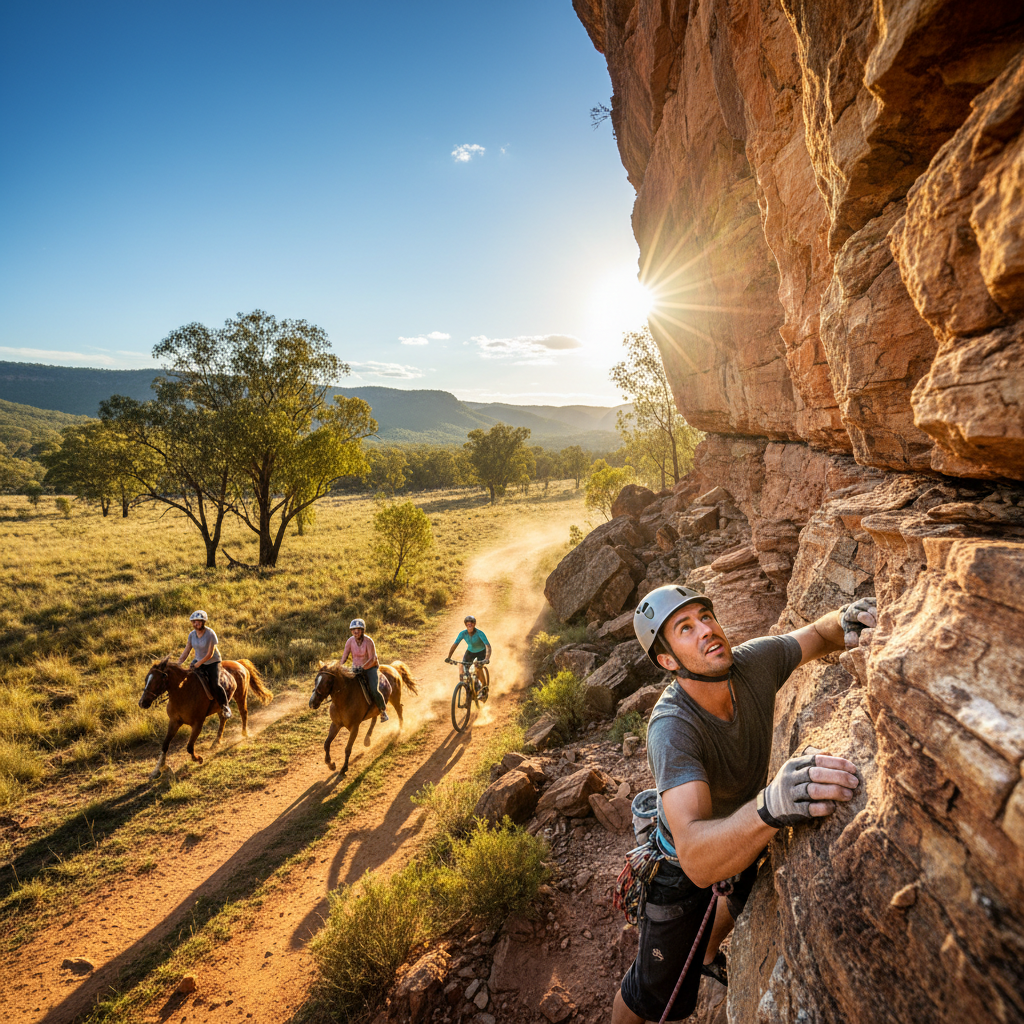
Climbing Under the Aussie Sun: Your Helmet Isn't Enough
You're geared up. Harness is snug, chalk bag is full, your helmet is securely strapped. You're ready to tick off that route. But have you thought about the sun? Most climbers think their helmet is the ultimate shield, and while it's crucial for impact protection, it’s doing a bang-up job of not protecting your face and neck from the relentless Australian sun. And that's a problem. Because even on a cloudy day, the UV rays here mean business.
The Unseen Enemy: Sun Exposure Risks for Climbers
Australia has some of the highest UV levels on the planet. We’re not talking about a gentle tan here; we’re talking about serious, cumulative damage that can lead to discomfort, heat stress, and long-term health issues.
1. Sunburn and Heatstroke
This is the most obvious. Those long hours on the rock, often with limited shade, means your exposed skin – your face, ears, and neck – is copping it. Sunburn isn't just painful; it’s a sign of skin damage. Worse, prolonged exposure to intense heat, especially when combined with physical exertion, can lead to heat exhaustion and even life-threatening heatstroke. Dehydration is a major factor, and you can become severely dehydrated without realising it until it’s too late.
2. Premature Skin Ageing
Nobody wants to look like a dried-out kangaroo hide before their time. But that’s what UV exposure does. Wrinkles, sunspots (pigmentation), and leathery skin are the hallmarks of chronic sun damage. This happens gradually, so you might not notice it day-to-day, but over years of climbing, it adds up.
3. Skin Cancer
This is the big one. Australia has the highest rates of melanoma and non-melanoma skin cancer in the world. Climbing exposes you to cumulative UV radiation, dramatically increasing your risk over a lifetime. Your ears, nose, and the back of your neck are particularly vulnerable areas that your helmet can’t properly cover.
4. Eye Damage
While sometimes overlooked, your eyes are also susceptible to sun damage. UV rays can contribute to cataracts and pterygium (surfer's eye). Glare bouncing off rocks can also strain your eyes, making spotting holds and assessing routes harder.
Why Your Helmet Isn't Enough (and Why You Think It Is)
Let's be blunt. Most climbing helmets are designed for impact, not for shade. They have vents to keep you cool, which is great for airflow, but terrible for blocking sunlight from reaching your face and neck. They might offer a tiny bit of shade for your forehead, but that’s about it.
Objection Handling: "But I wear a cap under my helmet." Good start, but a standard baseball cap offers minimal side coverage and often gets pushed around by the helmet. The back of your neck? Completely exposed. Plus, the brim might interfere with your peripheral vision or get caught.
Objection Handling: "I only climb early or late in the day." Great principle, but Australian daylight hours, especially in summer, are long. Even early and late sun can pack a powerful UV punch, and heat can linger for hours. You might be out on the rock for extended periods, accumulating exposure.
Objection Handling: "I put on sunscreen." Essential, but it wears off, sweats off, and you can miss spots. Reapplying on a climb, especially when you're geared up, is impractical and often forgotten. And it doesn't protect against heat.
Australian Conditions Demand More
We know Australian conditions are harsh. Our UV index frequently hits extreme levels (11+). The heat can be suffocating. The days can be long and demanding. Just turning up isn't enough; you need to be prepared. Relying solely on your helmet for sun protection is like bringing a knife to a gunfight.
| Risk Factor | Impact on Climbers |
|---|---|
| High UV Index | Significant sunburn, rapid skin ageing, increased skin cancer risk, eye damage. |
| Intense Heat | Dehydration, heat exhaustion, heatstroke, reduced cognitive function, performance drop. |
| Long Daylight Hours | Cumulative sun exposure, increased dehydration risk over extended periods. |
| Reflective Surfaces | Glare from rock and water can worsen eye strain and contribute to UV exposure. |
Practical Solutions: Beat the Aussie Sun
Protection needs to be proactive, not reactive. Here’s how to keep yourself safe and comfortable:
1. Head & Neck Protection is Key
Your helmet is for impacts. You need something additional for sun and heat. Think about protecting the areas the helmet misses: your entire face, ears, and the back of your neck.
2. Hydration, Hydration, Hydration
This is non-negotiable. Start hydrating well before your climb and continue throughout the day. Electrolyte drinks can be beneficial, especially on very hot days. Don’t wait until you feel thirsty; that’s a sign you’re already behind.
3. Sunscreen Smarts
Use a broad-spectrum SPF 50+ sunscreen. Apply it generously to all exposed skin at least 20 minutes before heading out. Reapply every two hours, or more often if sweating heavily or after swimming. Don't forget the tops of your ears, your nose, and the back of your neck – these are prime real estate for skin cancer.
4. Eye Protection
Wear sunglasses that offer UV protection. Wraparound styles are best for blocking peripheral light. Consider polarised lenses to reduce glare.
5. Cover Up Wisely
Lightweight, breathable, UPF-rated clothing is your friend. Long-sleeved shirts and long pants can provide excellent sun protection. Lighter colours tend to reflect heat better than darker ones.
Introducing Da Brim: The Climber’s Secret Weapon
This is where things change. Standard helmet accessories often fall short or are impractical for climbing. We’ve developed Da Brim specifically for outdoor enthusiasts who need serious sun protection without compromising their activity.
Da Brim is a revolutionary helmet brim that attaches securely to virtually any outdoor helmet. It’s designed to provide maximum shade and protection for your face, ears, and neck while remaining lightweight and stable.
Key Benefits of Da Brim for Climbers:
Superior Shade: The wide brim offers extensive sun protection, far beyond what a helmet alone can provide. It keeps the harsh Australian sun off your face and neck.
Heat Management: By shading your skin, it helps reduce the direct heat load you experience, contributing to better comfort and potentially reducing the risk of heat stress.
Durability & Stability: Designed to withstand outdoor conditions, it stays put without being overly heavy or cumbersome. It’s engineered to integrate with your helmet, not fight it.
Versatility: Attaches easily, so you can add it when you know you’ll be on the rock for long periods, or leave it off for shorter, shaded sessions. See how to install it.
UV Protection: The brim itself blocks UV rays from reaching the areas it covers, complementing your sunscreen and clothing.
Don't let this be you: Picture yourself squinting, sweating profusely, with a red, burning neck after a long day of climbing. It's preventable.
Opt for this: Imagine finishing your climb feeling comfortable, your skin protected, and your focus maintained because you weren't battling the elements. That's the Da Brim difference.
Getting Your Da Brim
Ready to take your sun safety seriously? We’ve made it easy. Check out our range of Products suitable for helmets. We offer different styles for different needs, all designed to give you the best possible sun protection.
Step-by-Step: Optimising Sun Safety for Your Climb
Here’s a quick routine to implement before you hit the crag:
1. Assess Conditions: Check the UV index for your climbing location on the day. If it’s high (6+), sun protection is paramount.
2. Hydrate: Drink at least 500ml of water before leaving home.
3. Apply Sunscreen: Generously apply SPF 50+ to face, ears, neck, and any other exposed areas. Apply 20 minutes before sun exposure.
4. Don Your Gear: Put on your UPF clothing, hat (if applicable), and sunglasses.
5. Equip Your Helmet: If using Da Brim, ensure it’s securely attached to your helmet. If not, consider if your helmet alone is sufficient for the duration and intensity of your climb. For most long days in the Australian sun, it won't be.
6. During the Climb: Take regular hydration breaks. Reapply sunscreen as needed, especially if you're sweating a lot.
7. Post-Climb: Continue hydrating and reapply sunscreen if you're still in direct sun.
Frequently Asked Questions
We get a lot of questions about outdoor safety. For more detailed answers, visit our FAQ section, but here are a couple of common ones for climbers:
Q: Will Da Brim affect my helmet's safety rating?
A: Da Brim is designed to attach to the exterior* of your helmet and is not meant to contribute to impact protection. It’s a sun protection accessory and does not interfere with the helmet’s intended safety functions. It’s secured in a way that should not compromise your helmet’s structural integrity.
Q: Is it bulky? Will it get in the way when I'm climbing or belaying?
A: Da Brim is designed to be lightweight and streamlined. The brim is shaped to provide maximum coverage without obstructing your vision or getting caught on ropes or gear. It’s constructed with durable yet flexible materials.
Don't Get Burned by Complacency
Climbing is an amazing way to experience the Australian outdoors. But the same environment that offers incredible adventures also presents significant health risks if you’re not prepared. Your helmet is a life-saver for falls, but it’s not a sun shield. Long days, intense UV, and high temperatures require more comprehensive protection.
Don't let sunburn, heat exhaustion, or the long-term risk of skin cancer cut your climbing adventures short or compromise your health. Invest in practical, effective sun protection. Your skin and your future self will thank you.
Ready to climb smarter and safer under the Aussie sun? Explore our Products.
For more tips and news, check out our Blog.