
Climbing Under the Aussie Sun: Helmet Brim Protection is Non-Negotiable
Don't let sun exposure cut your climbing sessions short. Learn why a helmet brim is vital for Australian climbers and how to stay safe.
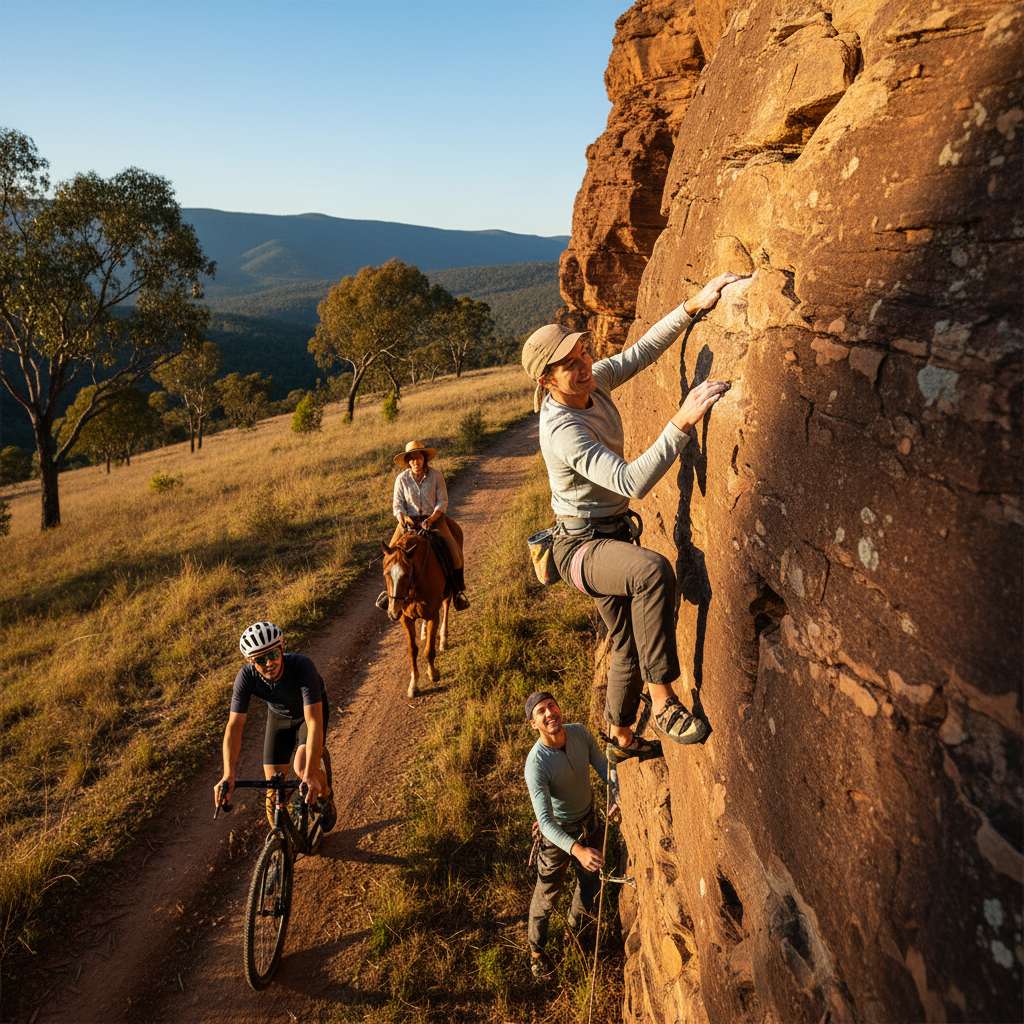
Climbing Under the Aussie Sun: Helmet Brim Protection is Non-Negotiable
Australia. The land of epic coastlines, vibrant cities, and... brutal sunshine. If you're a climber here, you know the drill. Long days, scorching heat, and UV rays that don't mess around. While you're focused on your next move, your skin and eyes are taking a beating. And that's where your helmet’s brim comes in – or rather, should come in.
Many climbers treat their helmet as just that: a helmet. For protection against falling rocks or head impacts. Essential, no doubt. But in Australia, it's a double-duty piece of gear. A well-designed helmet brim, especially one that extends sufficiently, is your first line of defence against the relentless Australian sun.
The Scalp and Face: Unprotected Zones During Climbs
Think about it. When you're climbing, especially on multi-pitch routes or even just a long day at the crag, large sections of your head and face are exposed to direct sunlight. Your neck, ears, and the top of your head can easily get fried.
Scalp Sunburn: This is excruciatingly painful. It's hard to miss, but even harder to treat fully. Beyond the immediate discomfort, repeated scalp sunburns increase your risk of skin cancer, including melanoma, on one of the most vulnerable areas.
Facial Sun Exposure: Your face is constantly exposed. Even with a helmet, the sun can beat down, especially when you're looking up at a route or exposed on a ridge. This leads to premature aging, sunspots, and, of course, increased skin cancer risk.
Eye Strain and Damage: Glare from sun reflecting off rock faces is intense. Beyond discomfort, prolonged exposure can contribute to cataracts and photokeratitis (sunburn of the cornea).
Australian Sun: It's Not a Joke
We don't need scientific papers to tell us Australian sun is harsh. We feel it. The UV Index regularly hits extreme levels, particularly during summer. Even on cloudy days, up to 80% of UV radiation can penetrate the clouds. You can get sunburnt in less than 10 minutes on a hot day without protection. Add to this the long daylight hours and the reflective nature of rock, and you've got a recipe for disaster if you're not prepared.
Why Your Standard Helmet Might Not Be Enough
Many climbing helmets are designed primarily for impact protection. Their brims, if they have them, are often minimal – enough to shield from minor drips or a bit of rain, but not substantial enough for prolonged sun exposure.
Short Brims: Offer little coverage for the forehead and eyes.
No Rear Protection: The back of your neck and ears are often left completely exposed.
Poor Angle: The brim’s angle might not be optimal for deflecting direct overhead sun.
This is where a dedicated, extended helmet brim solution becomes a game-changer in the Australian context.
The Solution: Your Helmet Brim is More Than Just Plastic
Whether your helmet came with a decent brim or you’re looking to upgrade its sun-shielding capabilities, a well-designed brim is crucial. It’s not about vanity; it’s about health and sustained performance.
Key Benefits of an Extended Helmet Brim:
Superior Sun Protection: Effectively shields your face, forehead, scalp, and even part of your neck from direct UV rays. This dramatically reduces sunburn risk.
Reduced Glare: Cuts down on harsh glare, making it easier to spot holds and improving your vision on the wall. It’s like built-in sunglasses for your entire face.
Comfort in Hot Weather: By blocking direct sun, it helps keep your head cooler, reducing the risk of heat exhaustion and headaches.
Protection from Debris: While the primary focus here is sun, a good brim also offers supplemental protection from small falling debris or scrapes.
Objection Handling: "But It'll Be Hot and Heavy!"
We hear you. Adding anything to your helmet might sound like it’ll make you hotter. But think about it logically: what’s hotter – direct, unfiltered sun beating down on your head and face, or a well-ventilated helmet with a brim designed to keep that sun off?
The reality: Sunlight hitting your helmet directly heats up the outer shell. This heat then radiates inwards. A good brim's purpose is to block that initial direct sunlight, meaning less heat absorption by the helmet itself. Plus, many modern helmets are designed with ventilation systems that work around the brim. If you're experiencing discomfort, it might be time to look at the helmet itself or a brim designed to work with its ventilation, not against it. For many, the added sun protection far outweighs any perceived minor increase in heat.
Objection Handling: "I Just Wear a Cap Under My Helmet."
A cap is better than nothing, but it's far from ideal for climbing.
Fit Issues: A cap can interfere with the helmet's fit, compromising its safety. You risk the helmet not sitting correctly, which is dangerous during a fall.
Limited Coverage: Caps typically only cover the top of the head and offer minimal brim protection.
Bunching and Discomfort: They can bunch up, leading to pressure points and general discomfort during long climbs.
Ventilation Problems: A cap can significantly block your helmet's ventilation, making you sweat more.
A proper helmet brim extends protection where a cap leaves you exposed. Trying to combine them often leads to a less safe and less comfortable experience.
Objection Handling: "My Helmet Doesn't Have a Brim Provision."
This is where innovative solutions come in. Not all helmets are created equal, and not all are designed with sun protection in mind. However, you don't have to buy a whole new helmet. There are accessories designed to attach to most standard climbing helmets, giving you that much-needed extended brim. These can be fitted as a supplementary piece of gear. Check out our Products page for options that can adapt your existing helmet.
The Verdict: Protect Your Scalp and Face
In Australia, sun safety isn't just for beach days. It's a critical component of any outdoor activity, and climbing is no exception. Your helmet is a vital piece of safety equipment. Let's make sure it serves a dual purpose: impact protection and robust sun protection. Ignoring sun exposure on your head and face is a risk you don't need to take.
Sun Safety Checklist for Australian Climbers:
[ ] Evaluate your current helmet brim: Does it offer adequate shade for your face, ears, neck, and scalp?
[ ] Consider an extended brim: If 'no', explore adding an extended brim accessory. See Products.
[ ] Apply sunscreen: Always apply broad-spectrum sunscreen (SPF 50+) to all exposed skin 20 minutes before going outside.
[ ] Reapply sunscreen: Reapply every two hours, or more often if sweating heavily or swimming.
[ ] Wear UV-protective clothing: Long-sleeved shirts and pants are best.
[ ] Invest in sunglasses: UV-rated sunglasses are essential for eye protection.
[ ] Stay hydrated: Drink plenty of water, especially in hot weather.
[ ] Seek shade: During breaks, find shade whenever possible.
Integrating a Da Brim Helmet Brim: Step-by-Step
If you're looking to add enhanced sun protection to your existing helmet, a product like the Da Brim is designed for this. They are generally easy to install for improved head and face coverage.
Step 1: Assess Your Helmet's Rim
Most helmets have a rim or channel around the base where accessories can attach. Identify this area. It's usually a slightly raised edge or a groove.
Step 2: Prepare the Brim
Unpack your Da Brim and inspect its attachment system. Most attach using a loop or Velcro system around the helmet.
Step 3: Position and Align
Place the brim around the helmet. Ensure it's centered and aligns with the front-to-back and side-to-side contours of your helmet. You want even coverage and a secure fit.
Step 4: Secure the Brim
Follow the specific instructions for your Da Brim model. This typically involves tightening straps, securing Velcro, or tucking the brim’s edge firmly into the helmet’s rim or channel. It should feel snug and not prone to shifting. If your helmet is specifically designed for brim attachment and you’re unsure, check our How to Install guide or our FAQ for common questions.
Step 5: Test for Fit and Stability
Gently wiggle your head. The brim should stay firmly in place without creating uncomfortable pressure points or obstructing your vision. A secure fit is paramount, both for comfort and safety.
Step 6: Adjust for Optimal Shade
Once secure, you might be able to make minor adjustments to the angle of the brim for optimal shade. The goal is to keep the sun off your face and neck throughout the day.
Don't Let Sunburn Be Your Downfall
Climbing in Australia is a privilege. Don't let sun exposure cut your adventures short or compromise your long-term health. A proper helmet brim is a simple, effective upgrade that makes a massive difference. For more information on products and installation, visit our Products page and our Blog for other safety tips.
Stay safe, stay sun-smart, and keep climbing!