
Climbing Sun Protection: Shielding Your Most Exposed Areas
Climbing is tough on the body, but don't let sun damage be a constant battle. Learn practical, no-nonsense ways to protect your face and neck when you're out on the rock in Australia.
Climbing Sun Protection: Shielding Your Most Exposed Areas
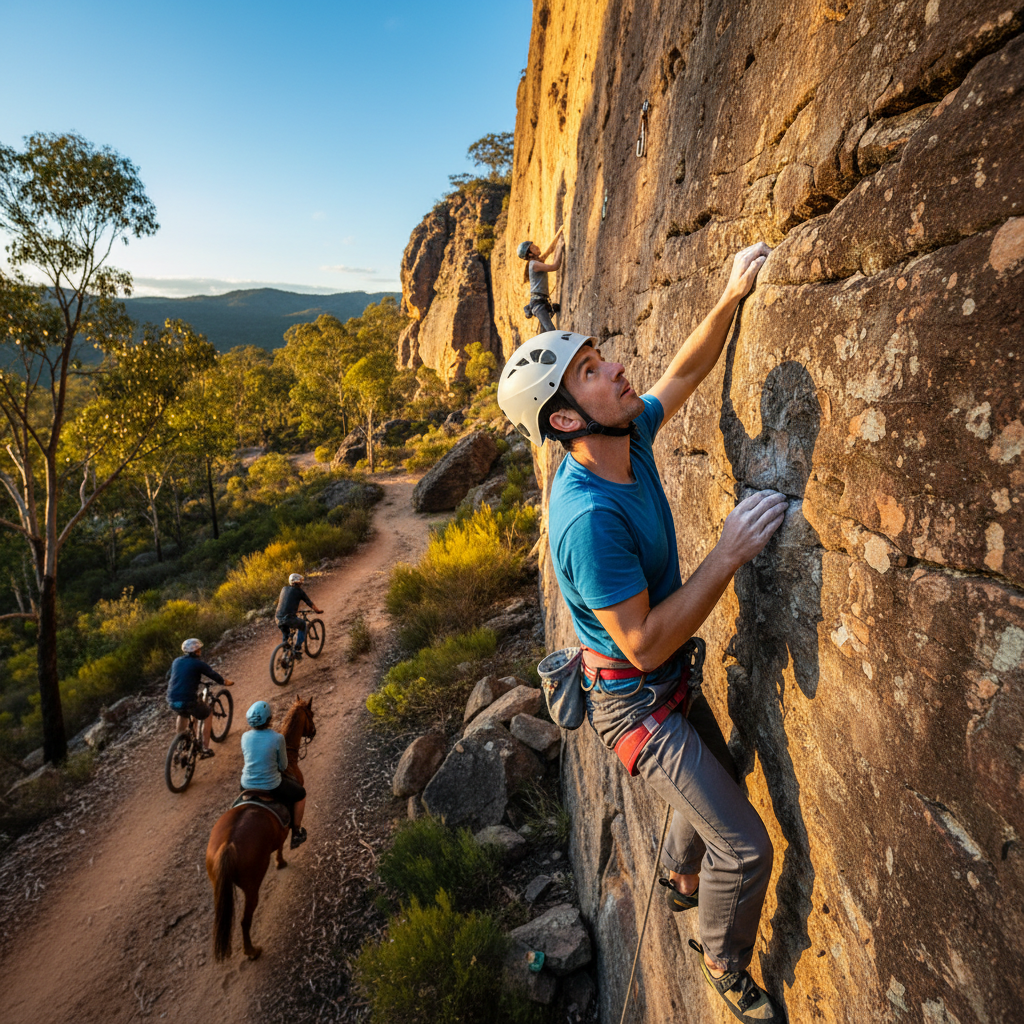
Let's be honest, when you're focused on your next move, the last thing you want is the sun beating down on your face and neck. But in Australia, ignoring sun protection is a recipe for disaster. We’re talking sunburn, premature aging, and a significantly increased risk of skin cancer. Your head is covered by a helmet, which is crucial for safety, but what about the parts of you that are still out in the elements? We’re talking about your face and neck – prime real estate for damaging UV rays.
This isn't about being fussy. This is about climbing smarter and looking after yourself long-term. You wouldn't climb without a helmet, so why would you climb without adequate face and neck sun protection, especially under the harsh Australian sun?
Why Your Face and Neck Need Extra Attention When Climbing
Think about it: your helmet provides some shade, but it’s often not enough. The sun moves, you move, and there are gaps.
Australian UV Index: It’s no secret that Australian UV levels are among the highest in the world. Even on cloudy days, up to 80% of UV rays can penetrate. Long climbing days mean prolonged exposure.
Exposure Points: Your forehead, nose, cheeks, ears, and that vulnerable patch of skin on your neck are directly in the firing line. These areas are often the first to burn and the most susceptible to cumulative sun damage.
Glare: Sunlight bouncing off rock faces, water, or even snow can intensify UV exposure. This indirect radiation is often overlooked.
Heat: Beyond UV, intense heat can lead to discomfort, dehydration, and heatstroke. Proper sun protection also contributes to staying cooler by reducing direct solar gain on your skin.
Common Objections and Why They Don't Cut It:
“I only climb in winter/early morning/late afternoon.” Great, but UV rays are still present. The UV Index can still be high, especially during spring and autumn. Plus, unexpected weather changes happen.
“I have a tan.” A tan is your skin's way of saying it's been damaged. It offers minimal protection against further UV assault and does nothing to prevent DNA damage.
“Sunscreen is greasy/gets in my eyes.” This is a valid pain point, and we’ll address how to manage it. But the discomfort of sunscreen is temporary; the damage from the sun is not.
“My helmet brim is enough.” A standard helmet brim offers limited shade, often only directly in front. It doesn’t protect your sides, ears, or neck.
Practical Solutions for a Sun-Smart Climb
We're not suggesting you turn into a walking mummy. Practical, effective solutions are key. The goal is to integrate sun protection seamlessly into your climbing routine without it becoming a hassle. Your helmet is your primary safety gear; let's make it your sun-protection platform too.
1. The Right Headwear Add-ons
Your helmet is designed for impact protection. To address sun protection, you need accessories. We’re talking about expanding the shield your helmet provides.
A helmet brim, specifically designed to attach to climbing helmets, is a game-changer. Unlike a baseball cap under your helmet (which is a bad idea for safety reasons), these brims integrate directly.
Table: Helmet Brim Benefits
| Feature | Benefit |
|---|---|
| Extended Shade | More coverage for face, cheeks, and nose. |
| Neck Protection | Some designs offer rear coverage for the neck. |
| Versatility | Attaches securely to most climbing helmets. |
| Durability | Made to withstand outdoor conditions. |
| Safety Integration | Designed to not interfere with helmet's protective function. |
Look for brims made from durable, UV-resistant materials. They should be easy to attach and remove, and importantly, not compromise your helmet's fit or safety.
2. Sunscreen Application – The Right Way
If you're going to use sunscreen, apply it correctly. This means:
Broad Spectrum: Ensure it protects against both UVA and UVB rays.
High SPF: Minimum SPF 30, preferably SPF 50+ for Australian conditions.
Water-Resistant: Especially if you sweat a lot or climb near water.
Apply Generously: Don’t skimp. Cover all exposed skin: face, neck, ears, back of hands.
Apply Before You Go: Apply sunscreen at least 15-20 minutes before sun exposure to allow it to bind to your skin.
Reapply: This is crucial. Sweat, friction from gear, and time mean sunscreen wears off. Reapply every two hours, or more often if you're sweating heavily.
Eye Protection: Use a sunscreen specifically formulated for the face or one that is non-comedogenic and less likely to sting your eyes. Consider applying a barrier cream first if you’re particularly sensitive.
3. Sun-Protective Clothing
While your face and neck are critical, don't neglect other exposed areas.
Long-Sleeved Shirts: Lightweight, breathable, UPF-rated shirts are ideal. They provide a physical barrier against UV rays.
Neck Gaiters/Scarves: A lightweight, breathable neck gaiter can be pulled up over your lower face on particularly harsh days or worn around your neck for coverage. Choose fabrics that wick moisture and offer UPF protection.
Sun Hats (for approach/descent): While not for climbing itself, a wide-brimmed hat for your walk-in and walk-out can significantly reduce overall sun exposure.
Integrating Sun Protection into Your Climbing Routine
Let’s break down how to make this happen without it feeling like a chore. It’s about preparation and habit.
Pre-Climb Checklist
Before you even leave the house or set off for your climb, run through this:
[ ] Helmet Check: Is it clean? Is it fitted correctly? Does it have a suitable brim attached?
[ ] Sunscreen Applied: Did you apply it at least 15 minutes ago?
[ ] Sunscreen Packed: Is there a tube in your pack for reapplication?
[ ] Neck Protection Ready: Is your gaiter or scarf easily accessible?
[ ] Hydration: Are you starting the day well-hydrated? Sun protection works best when your body is functioning optimally.
[ ] Check the Forecast: Understand the expected UV Index and temperature for the day.
During the Climb
Mid-Route Checks: If you're on a multi-pitch climb, take a moment at belay stations to check your skin. Is your nose burning? Is your neck feeling exposed? Reapply sunscreen if needed.
Hydration Breaks: Use your water breaks as a reminder to reapply sunscreen.
Adjust Neckwear: Pull up your gaiter during hotter, sunnier periods. Lower it when you’re in shade or feeling too warm.
Post-Climb
Assess: Check for any red areas that might have been missed. This helps you learn for next time.
Moisturise: After showering, apply a good moisturiser. If you have any sunburn, use an aloe vera gel or after-sun lotion.
Installing Your Helmet Brim: Simple and Secure
Getting the most out of your sun protection means ensuring it’s attached correctly and won’t hinder your climbing. If you're considering a new helmet brim, follow these steps. Many brims are designed for universal fit, but it's always worth checking compatibility with your specific helmet model.
Step-by-Step: Attaching a Da Brim Helmet Brim
1. Unpack and Inspect: Lay out your brim and ensure all components are present. Read the manufacturer’s instructions carefully. (Our How to Install page has specific guidance).
2. Identify Attachment Points: Most climbing helmets have ventilation holes or specific mounting points. Locate these on your helmet. The Da Brim often uses a system of straps or clips that engage with these holes.
3. Position the Brim: Align the brim around the helmet, ensuring it’s centred and sits at the desired angle. For maximum face and neck shade, you’ll want it positioned to extend as far forward and back as possible without obstructing your vision or causing interference with your harness or pack when looking up or down.
4. Secure the Straps/Clips: This is the crucial step. Thread the straps through the helmet’s ventilation holes or use the provided clips to fasten the brim securely. Ensure the straps are snug but not so tight that they distort the helmet or cause discomfort.
5. Test the Fit: Gently try to wiggle the brim. It should feel solid and secure, not loose or likely to detach during activity. Put the helmet on and check for any pressure points or areas where the brim might interfere with movement.
6. Vision Check: Look up, down, and to the sides. Ensure the brim does not impede your field of vision, which is critical for safety when climbing and assessing routes.
Most brims are designed for tool-free installation, making them quick to put on or take off. Always refer to the specific instructions for your product, as designs can vary.
Frequently Asked Questions
We get asked a lot about sun protection for climbers. Here are a few common ones:
Will a brim make my helmet too hot? While any addition can slightly increase warmth, modern brims are often designed with airflow in mind. The trade-off for significantly better sun protection usually outweighs minimal extra heat.
Can I wear a cap under my helmet? No. Wearing anything under your climbing helmet can compromise its ability to protect you in an impact. That’s why integrated brims are the safest solution.
I’ve heard about zinc cream. Is it good? Yes, zinc oxide is a physical blocker that sits on top of the skin. It's excellent for targeted protection on the nose and ears. However, it can be thick and leave a white residue, which is why many people opt for the convenience of a brim and a good sunscreen.
- How can I stop sunscreen from stinging my eyes? Apply it carefully, avoiding the immediate eye area. Use sunglasses for approaches. If you’re very sensitive, a sweatband worn across your forehead can help catch drips. Ensure your brim is well-positioned, too.
For more answers, check out our FAQ.
Don't Let the Sun Win
Climbing in Australia is an incredible experience. Don't let sun damage be the thing that limits your enjoyment or your long-term health. Investing in a good helmet brim and a consistent sun protection routine is as essential as your climbing shoes or harness.
It's practical, it's effective, and it’s a sign of a smart, experienced climber who looks after themselves. Explore our range of solutions on our Products page and get ready to climb safely and sun-smart.
Remember to visit our Blog for more tips and insights into climbing and outdoor adventures.