
Climbing Sun Protection: Shielding Your Face and Neck Down Under
Climbing in Australia means serious sun. Learn practical, no-nonsense ways to protect your face and neck, from helmet brim solutions to quick tips.
Climbing Sun Protection: Shielding Your Face and Neck Down Under
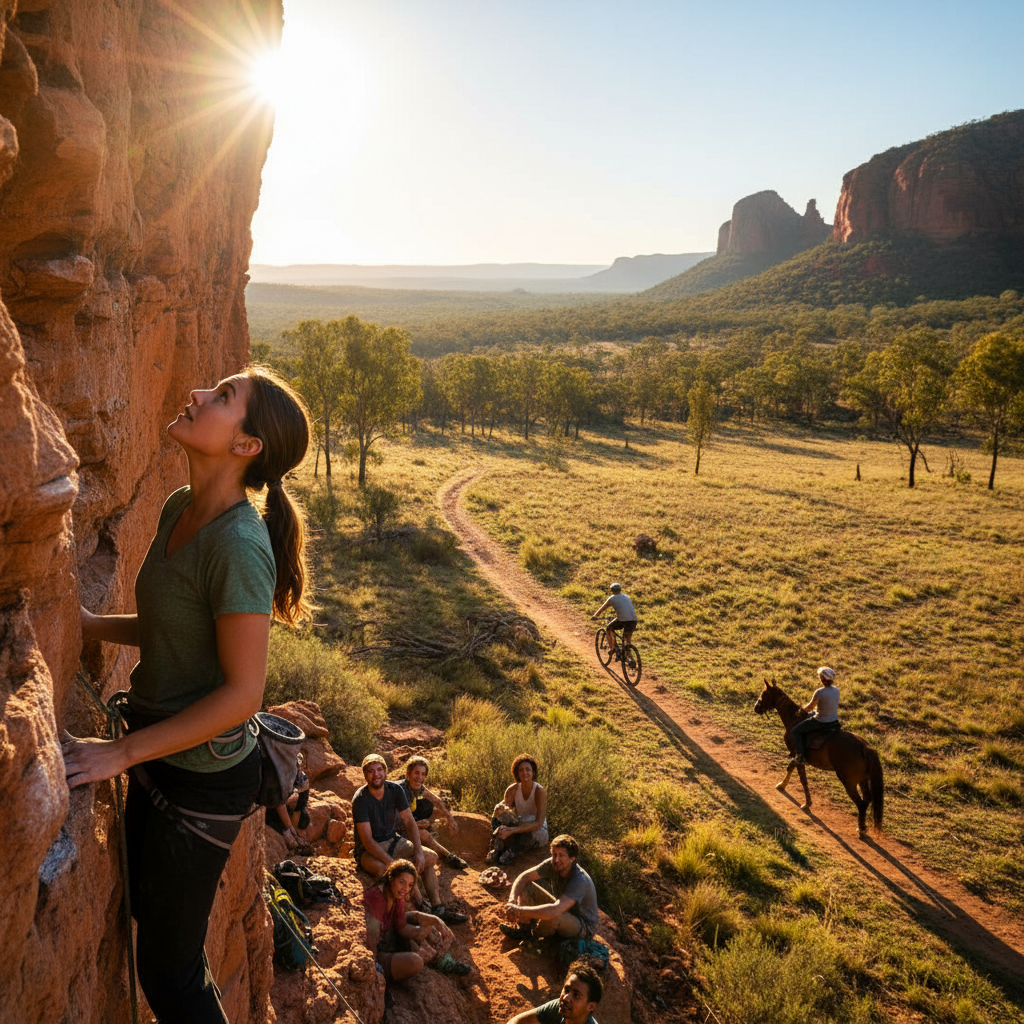
Climbing in Australia is epic. The rock, the views, the challenge – it's all world-class. But so is the sun. We all know about the risks of skin cancer and sun damage, and when you're out climbing, especially on long days under that harsh UV, your face and neck are prime targets. You can't just duck for cover when you're on a pitch.
Let's be honest, wearing a helmet is non-negotiable for climbing safety. But most climbing helmets leave your face and neck exposed. This isn't just about getting a sunburn; it's about cumulative UV damage that can lead to premature aging and, more importantly, skin cancer. We're talking about the kind of damage that builds up over years, not just from a single bad burn.
So, how do you actually protect yourself effectively without getting in the way of your climb? Forget flimsy hats that blow off, or reapplying sunscreen every hour and getting it in your eyes. We need practical solutions that work with your climbing setup.
The Obvious Problem: Unprotected Areas
Your climbing helmet is designed for impact protection, not sun protection. Its primary job is to shield your noggin from falling debris or impacts. The vents, while crucial for keeping you cool, are also pathways for UV rays to reach your scalp and face if you're not careful. And the edges of the helmet? They often leave your ears, the sides of your face, and the entire back of your neck completely vulnerable.
Think about a typical day of climbing in Australia: the sun can be relentless. The UV index can climb rapidly, especially during summer and in inland areas. You might be out from dawn till dusk, spending hours with your face pointed upwards or sideways, directly into the sun's rays. That's a lot of unprotected exposure.
Common (and Ineffective) Objections:
"I just wear sunscreen." Sunscreen is vital, but it's not a foolproof solution for climbers. Reapplication is a hassle, it can sweat off or get rubbed off by your helmet, and it doesn't offer physical barrier protection against direct glare or prolonged exposure. Plus, getting sunscreen in your eyes during a climb is a good way to ruin your focus (and your vision).
"I have a wide-brimmed hat under my helmet." Good idea in theory, but most hats won't fit comfortably or safely under a climbing helmet. They can shift, restrict ventilation, or compromise the helmet's fit and shock absorption. Not a viable option for serious climbing.
"The sun isn't that bad." If you're climbing in Australia, especially during daylight hours, the sun is almost always a significant risk. That 'mild' UV can still cause damage over time. Believing otherwise is dangerous.
"I don't climb often enough for it to matter." Skin damage is cumulative. Even infrequent exposure adds up. It’s better to be safe than sorry.
Practical Solutions for Sun Protection
We need solutions that integrate with your helmet, stay put, and actually provide significant coverage. This means looking beyond basic sunscreen and considering physical barriers.
1. The Helmet Brim Attachment
This is where dedicated solutions come in. A helmet brim attachment, like the Da Brim, is specifically designed to extend the shade provided by your helmet. These aren't just floppy bits of fabric; they are structured to hold their shape, provide significant frontal shade, and not interfere with your helmet's primary function.
Why it works: It creates an extended shadow that covers more of your face, including your nose and cheeks, and goes further down your neck. It also helps reduce glare, making it easier to see your route when looking up.
Considerations: You need a brim that's compatible with your helmet. Look for attachments designed for climbing or general outdoor helmets. Ensure it’s secure and won't detach during a fall or strong winds. The ease of installation is also key – you don't want a complicated setup when you're trying to get ready to climb. Check out our guide on How to Install to see just how simple it can be.
2. Neck Protection
Sunburn on the neck is painful and a common oversight. The back of your neck is particularly exposed when you're looking up at a climb or even when you're belaying. A helmet brim helps, but it often doesn't cover the entire back of the neck. This is where other accessories are essential.
The Neck Gaiter/Buff: A lightweight, breathable neck gaiter is your best friend. Made from UPF-rated fabric, it can be pulled up over your neck, ears, and even lower face. They are versatile, come in countless designs, and don't interfere with your helmet straps.
Collar on Clothing: Wearing shirts with higher collars can offer some protection, but gravity and head movement means it often leaves gaps. It's a good additional layer, but not sufficient on its own for long days.
3. Sunglasses
While not directly attached to the helmet, good quality sunglasses with UV protection are crucial for protecting your eyes and the delicate skin around them. Glare can be intense, and prolonged exposure can cause serious eye damage. Integrated side shields on sunglasses offer extra protection against stray rays.
Daily Checklist for Sun-Safe Climbing
Before you even head to the crag, make sure you've got your sun protection sorted. Here’s a quick rundown:
Helmet: Is it fitted correctly and comfortable?
Brim Attachment: Is it securely attached to your helmet?
Neck Gaiter/Buff: Is it clean and ready to wear?
Sunglasses: Are they with you and are they UV protected?
Sunscreen: Have you applied a broad-spectrum SPF 30+ (preferably 50+) to any exposed areas not covered by your brim or gaiter (e.g., hands, forearms)?
Integrating Sun Protection into Your Climbing Routine
Let's break down how to make sun protection a seamless part of your climbing experience, not an afterthought.
1. Pre-Climb Preparation
Gear Check: Before leaving home, ensure your helmet brim is properly attached and your neck gaiter is easily accessible. Think of them as essential pieces of safety gear, just like your harness or rope.
Sunscreen Application: Apply sunscreen thoroughly to all exposed skin at least 15-20 minutes before sun exposure. This allows it to absorb properly and reduces the likelihood of it sweating off immediately.
Hydration: Sun exposure is dehydrating. Start your day well-hydrated.
2. During Your Climb
Helmet Brim: This is your primary passive protection. The extended brim casts a shadow, reducing direct UV exposure to your face and eyes.
Neck Gaiter: Pull it up before you start climbing. You can adjust it on the go. During breaks on multi-pitch climbs, you can pull it down if needed, but keep it readily available. It's easy to forget your neck until it's too late, so making it a habit to wear it is key.
Sunglasses: Wear them when you're not actively climbing or when moving between pitches. They also help you spot holds better on bright days.
3. Post-Climb
Check for Missed Spots: Even with the best prep, you might have missed a spot. Examine your skin for any redness and apply after-sun lotion if needed.
Rehydrate: Continue drinking fluids to combat dehydration.
Addressing Specific Climbing Scenarios
Multi-Pitch Climbing
This is where sun exposure can become extreme. You're often on the wall for hours, with minimal shade. The combination of a helmet brim and a neck gaiter is almost essential. Consider a lighter-coloured neck gaiter to help reflect heat.
Bouldering
While bouldering sessions might be shorter, you can still spend a lot of unprotected time in direct sun, especially on south-facing cliffs. The back of your neck and face are still vulnerable between attempts. Keep your gaiter handy and your brim on your helmet.
Alpine Climbing (Australian Context)
Even in higher altitudes or cooler months, UV radiation is stronger. Don't underestimate the sun just because it's not scorching hot. The reflective glare off rock can also be intense.
Product Spotlight: The Da Brim Helmet Brim
We know that effective sun protection needs to be practical and reliable. Our Products are designed with climbers in mind. The Da Brim helmet brim offers a significant extension of shade, fitting securely onto most standard climbing helmets. It's lightweight, durable, and designed to withstand the rigours of outdoor activity without compromising your helmet's safety features. No more squinting up at the sun or worrying about that burning sensation on your nose. It's a straightforward addition that makes a massive difference.
Why Choose a Purpose-Built Brim?
Coverage: Designed to maximise shade where you need it most.
Durability: Built to last against the elements.
Compatibility: Made to work with existing helmet designs. Check our FAQ for compatibility details.
- Ease of Use: Simple attachment and detachment processes.
Frequently Asked Questions
Q: Will a helmet brim affect my helmet's certification?
A: Reputable helmet brim attachments are designed to not interfere with the helmet's shock absorption or structural integrity. Always ensure you're using a product specifically designed for helmet use and installed according to instructions. Our Da Brim products are designed with safety integration in mind.
Q: Can I wear a cap under my helmet with a brim?
A: We generally advise against wearing thick caps under climbing helmets, as they can affect the fit and safety. A thin, moisture-wicking skullcap might be possible, but a helmet brim attachment is a more integrated and secure solution. Check our FAQ for more on this.
Q: How do I clean my helmet brim?
A: Most brims can be wiped clean with a damp cloth. Refer to the specific care instructions for your product. For any general queries, our FAQ is a great resource.
Conclusion
Climbing in Australia demands respect for the sun. Protecting your face and neck isn't a luxury; it's a fundamental part of responsible climbing. By integrating practical solutions like helmet brim attachments and neck gaiters into your gear and routine, you can significantly reduce your UV exposure. Don't let the sun dictate your climbing experience or compromise your long-term health. Gear up smart, climb safe, and enjoy the incredible Australian outdoors without the burn. For more tips and to explore our range of protective gear, check out our Products page and our Blog for more articles on outdoor safety.