
Climbing Smarter: Helmet Sun Protection for Multipitch Adventures in Australia
Multipitch climbing under the Australian sun demands serious sun protection for your head and face. Learn how a helmet brim works and why it's non-negotiable.
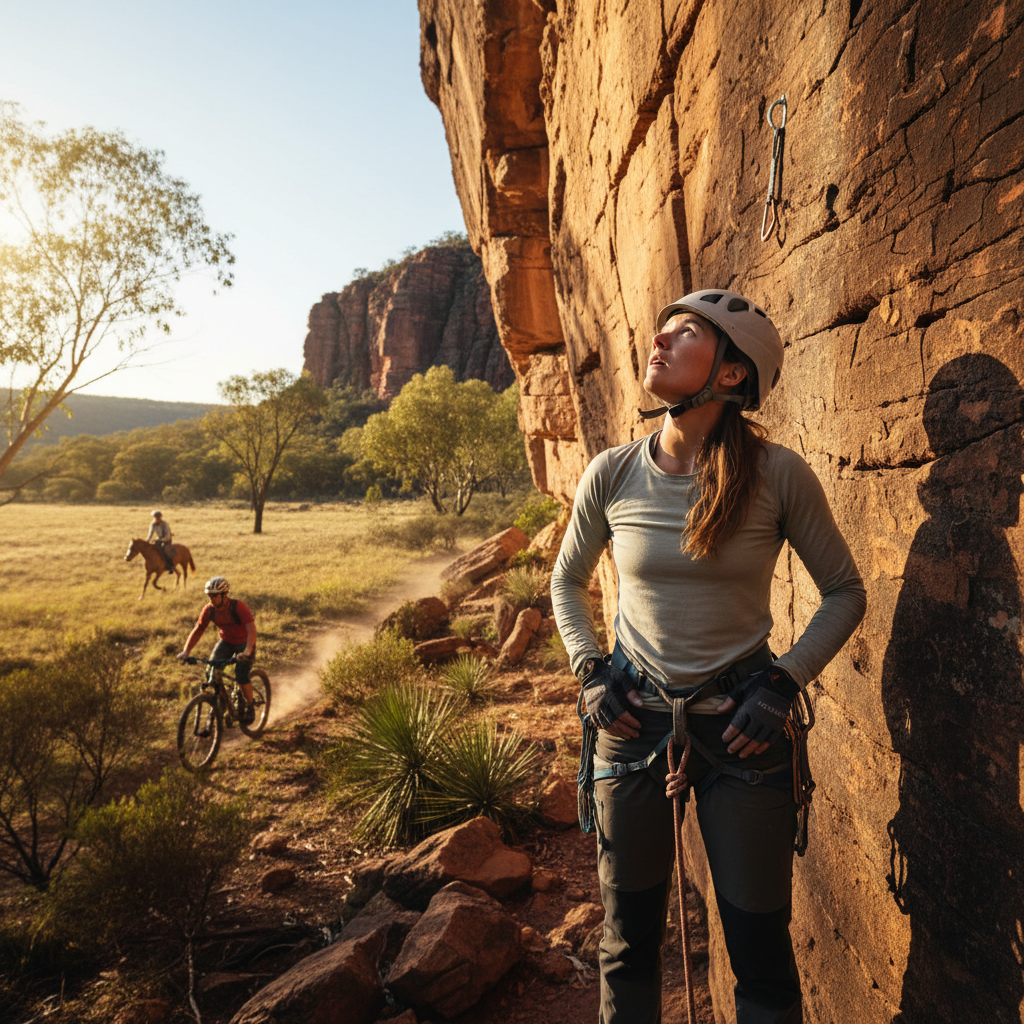
Climbing Smarter: Helmet Sun Protection for Multipitch Adventures in Australia
Australia. The name alone conjures images of vast, sun-drenched landscapes. Our climbing destinations are no exception. From the sandstone walls of the Blue Mountains to the granite spires of the Grampians, we're blessed with incredible climbing, but it comes with a serious caveat: the sun. For anyone tackling multipitch routes, sun protection isn't a luxury; it's a critical piece of essential gear, just like your harness or your cams.
This isn't about tanning. This is about preventing severe sunburn, heatstroke, long-term skin damage, and even skin cancer. When you're spending hours on a vertical wall, miles from shade, the sun bears down relentlessly. Your helmet is your primary head protection, but is it doing enough for your face and neck? Probably not.
The Problem: Sun Exposure on Multipitch Routes
Think about a typical multipitch day in Australia. You're up early, but the sun is already climbing. You ascend through the day, the sun high and potent. Even on a cooler day, UV radiation is everywhere. The rock itself can reflect sunlight, intensifying your exposure.
What are the specific dangers?
Sunburn: Obvious, but often underestimated. A burnt neck, face, or scalp is painful, dehydrating, and incredibly distracting on a climb. Repeated burns significantly increase your skin cancer risk.
Heatstroke & Heat Exhaustion: Extended exposure to heat, especially when you're exerting yourself, can lead to dangerous core body temperature rises. A sun-baked helmet offers little relief and can trap heat.
Eye Strain & Glare: Intense sunlight glare can impair your vision, making it harder to read the rock and increasing the risk of mistakes. Your eyes are vulnerable too.
Long-Term Damage: Cumulative UV exposure causes premature aging of the skin and, more seriously, raises your risk of developing skin cancers.
Your standard climbing helmet is designed for impact protection and ventilation. It's not designed to shield your face, eyes, and neck from direct, prolonged solar radiation.
The Solution: A Helmet Brim Built for Australian Conditions
This is where a quality helmet brim comes in. We're not talking about a flimsy afterthought. We're talking about a purpose-built accessory designed to integrate seamlessly with your helmet, providing substantial shade and protection.
What Makes a Good Helmet Brim?
For multipitch climbing in Australia, a brim needs to be:
Durable: It needs to withstand being stuffed in a pack, brushed against rock, and generally survive the rigours of climbing.
Effective Shade: The wider the brim, the more shade it provides for your face, ears, and neck. Some brims offer significantly more coverage than others.
Secure Attachment: Critically, it must attach firmly to your helmet. Losing a brim mid-climb is annoying and defeats the purpose.
Lightweight: You don't want to add unnecessary weight to your head.
UV Protective: While the brim itself provides shade, the material should ideally be UV resistant.
Compatible: It needs to fit your existing helmet. Not all helmets are created equal, and neither are brims.
This is why we developed the Da Brim. It’s engineered for serious adventurers who demand real sun protection. It's not just a piece of plastic; it's a tool to make your climbing days safer and more comfortable.
How Da Brim Works
Unlike flimsy add-ons, the Da Brim utilizes a secure attachment system that keeps it firmly in place, even in windy conditions or when you're upside down. It’s designed to provide maximum shade to your face, ears, and neck, actively reducing your UV exposure. The shape is optimised for visibility while maximising coverage.
We've addressed the common objections: "It'll get in the way." "It's too much hassle." "My helmet is enough." With the right brim, these concerns disappear. The Da Brim is designed to enhance, not hinder, your climbing experience. Check out our How to Install guide to see just how simple it is to get started.
Australian UV Index: It's No Joke
In Australia, we live with a significantly higher UV index than many other parts of the world. Even on cloudy days, up to 90% of UV radiation can penetrate the clouds. In summer, the UV index can easily reach 10 or higher, which is classified as 'Extreme'.
Multipitch climbs often take us well above our typical elevation in shaded areas. The combination of altitude and the reflection from rock surfaces means your UV dose can be substantial. The UV index doesn't care if you're on a sunny beach or a sunny cliff face; it's still high.
A Quick Comparison: Sun Protection Strategies
| Strategy | Effectiveness on Multipitch | Notes |
|---|---|---|
| Sunscreen | Moderate (needs reapplication) | Can be messy, washes off with sweat, hard to apply on face mid-climb. |
| Wide-brimmed Hat | High (if worn) | Impractical with a helmet. |
| Sunglasses | High (for eyes) | Doesn't protect face/neck. |
| Helmet Brim (e.g. Da Brim) | Very High | Permanent, integrated solution for face/neck, works with helmet. |
Objections Handled: Why You Need This
Let's get practical. We've heard it all. Here's why those hesitations don't hold up for serious climbing:
"My helmet is enough." As established, standard helmets are for impact, not solar radiation. They offer minimal face and neck coverage. Extended exposure will still lead to sunburn and heat build-up.
"It’ll get caught on rocks." The Da Brim is designed with a flexible yet durable material. While you need to be aware, it's designed to flex and withstand contact. The improved visibility and reduced glare from the brim also helps you pick better lines, potentially avoiding snags.
"It’s too much hassle to put on." It takes about two minutes to attach a Da Brim securely. Once it's on, it stays on. The peace of mind and the actual protection it provides far outweigh the initial effort. Think of it as another piece of critical gear you prepare before heading out.
"I don’t want to look silly." Climbers are practical people. Functionality trumps fashion 99% of the time. But honestly, the Da Brim looks like it belongs on a helmet. It's gear, not a fashion statement. And you'll look a lot sillier with a peeling, sunburnt face.
"It’ll make my helmet too hot." While it adds a layer, the Da Brim is designed with ventilation in mind. It creates a shaded zone, actually helping to keep your head cooler by blocking direct solar radiation, rather than trapping heat. The improved airflow around the helmet often offsets any perceived heat increase.
Checklist for Multipitch Sun Preparedness
Before your next multipitch adventure in Australia, make sure you've got your sun protection sorted:
[ ] Helmet: Properly fitted and certified.
[ ] Helmet Brim: Securely attached (e.g., Da Brim).
[ ] Sunscreen: High SPF, broad-spectrum, applied liberally and reapplied.
[ ] Sunglasses: For when you're not actively climbing or for approaches/descents.
[ ] Protective Clothing: Long sleeves, hat for approach/descent.
[ ] Hydration: Plenty of water.
Step-by-Step: Integrating Sun Protection
It’s simple. Turn sun protection into a routine.
1. Pre-Climb Gear Check: Lay out all your climbing gear. Include your helmet.
2. Attach Your Brim: If you haven't already got a Da Brim permanently affixed (which is recommended for convenience), take the two minutes to attach it securely to your helmet. Follow the instructions on our How to Install page.
3. Sunscreen Application: Apply sunscreen to any exposed skin before* putting on your helmet. Don't forget your ears, neck, and the back of your hands.
4. Helmet On: Place your helmet with the brim attached.
5. Mid-Climb Reapplication: If you have longer pitches or a very long day, plan for sunscreen reapplication at belays. It’s easier with the brim providing some shade for your face.
6. Post-Climb Care: Wash sunscreen off and rehydrate.
By making the helmet brim a standard part of your climbing helmet setup, you're proactively addressing a major risk factor in Australian climbing.
Make the Switch: Invest in Protection
Don't let sun exposure be the weakest link in your multipitch climb. A good helmet brim is a small investment for a significant return in comfort, safety, and long-term health. It’s a practical solution for an undeniable environmental challenge.
Explore our range of Products to find the perfect Da Brim for your helmet. It's time to climb smarter and safer under the Australian sun. For more tips and common questions, check out our FAQ or our Blog for further climbing insights. Stay safe out there.