
Climbing in the Sun: Your Helmet Isn't Enough
Sun exposure is a serious risk for climbers in Australia. Learn why your helmet isn't enough and how to protect your skin, eyes, and neck.
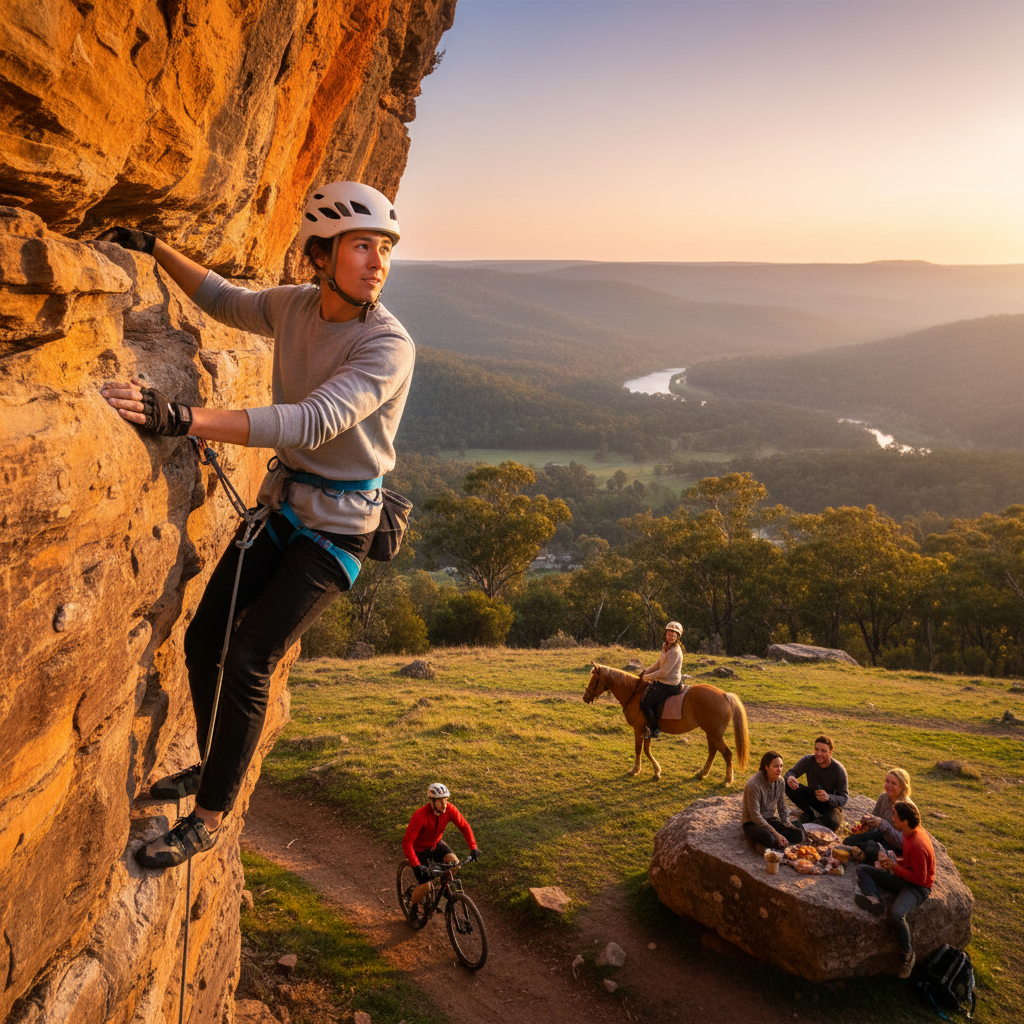
Climbing in the Sun: Your Helmet Isn't Enough
Alright, climbers. Let's cut to the chase. You’re geared up, you’ve picked your route, and the Australian sun is beating down. You’ve got your helmet – smart move. But is that all you need for sun protection? Absolutely not.
Australia boasts some of the best climbing in the world, but we also have some of the harshest UV radiation. Those long summer days, the intense midday sun, even those seemingly pleasant cloudy afternoons – they all pack a punch. Your helmet protects your noggin from rockfall and impacts, not from the sun’s relentless rays.
Ignoring sun exposure while climbing can lead to more than just a tan. We’re talking about premature skin aging, painful sunburns, heatstroke, and an increased risk of skin cancer. Your eyes are also at risk from UV damage, leading to cataracts and other vision problems down the line. And let's not forget about the back of your neck and your ears – prime real estate for burning when you’re craning your neck upwards.
The Real Risks: Beyond the Burn
UV Radiation: This is the invisible culprit. UV rays penetrate your skin, causing damage at a cellular level. Even on cooler days, UV levels can be dangerously high, especially in Australia. High-altitude climbing exacerbates this, as UV intensity increases with elevation.
Heatstroke and Dehydration: Long days out on the rock, combined with direct sun exposure, can quickly lead to heat exhaustion and, in severe cases, heatstroke. This isn’t just uncomfortable; it’s life-threatening. Climbing requires peak physical and mental performance, and dehydration and heat stress severely impair both.
Eye Damage: Cumulative UV exposure can lead to macular degeneration and cataracts, affecting your vision in the long term. Squinting into the sun all day is also a recipe for headaches and eye strain, which can detract from your climbing experience.
Skin Cancer: This is the big one. The cumulative effect of sun exposure over years significantly increases your risk of developing melanoma and other skin cancers. Most climbers don't think about this while trying to send a difficult route, but the damage is happening.
Why Your Standard Helmet Is Failing You
Helmets are designed for impact protection, not shade. While some might have small visors, they’re generally insufficient to shield your face, neck, and ears from direct sunlight, especially when you’re looking up at the crag. The sides of your face, your ears, and the entire back of your neck are completely exposed. You might be thinking, “I’ll just wear a hat under my helmet.” Good thought, but standard baseball caps or beanies bunch up, can be uncomfortable, and often don’t provide adequate coverage for the neck.
Practical Steps for Sun Protection on the Rock
This isn't about being paranoid; it's about being smart. Protecting yourself from the sun is as crucial as checking your knots or inspecting your gear. It allows you to climb longer, safer, and enjoy the experience without the painful aftermath.
Here’s what you need to do:
1. Sunscreen is Non-Negotiable: Apply broad-spectrum SPF 30 or higher sunscreen liberally to all exposed skin at least 20 minutes before heading out. Don't forget your ears, the back of your neck, and the tops of your feet if they’re exposed. Reapply every two hours, or more frequently if you’re sweating heavily or swimming.
2. Hats Aren’t Just for Style: While a hat under a helmet can be tricky, consider hats designed for outdoor use that offer UPF protection and have wide brims or neck flaps. These can be worn during approaches and descents, and sometimes even in camp situations. For climbing itself, a lightweight, moisture-wicking cap under your helmet might offer a tiny bit more coverage and sweat management, but it’s not primary protection.
3. Sun-Protective Clothing: Long sleeves and pants made from lightweight, breathable, UPF-rated fabric are your best friends. They can significantly reduce your UV exposure. Look for clothing designed for hot weather and intense sun.
4. Sunglasses are Essential: Invest in good quality sunglasses with UV protection. They’ll save your eyes from glare and harmful rays during approaches, descents, and belaying.
5. Hydration, Hydration, Hydration: Carry plenty of water and sip it regularly, even if you don’t feel thirsty. Electrolyte drinks can also help replenish salts lost through sweat.
The Helmet Brim Solution: Shade Where You Need It Most
You’ve got your helmet for safety. Now, let’s add dedicated, practical sun protection directly where it’s needed most during climbing: your face and neck.
This is where a well-designed helmet brim comes in. Forget those flimsy additions that offer minimal shade. You need something robust, lightweight, and specifically engineered to work with your helmet.
Introducing Da Brim: This isn't just another accessory; it's a functional piece of gear designed to combat the Australian sun while you climb. It attaches securely to your existing helmet, providing significant shade for your face, ears, and neck. Imagine climbing without the harsh glare in your eyes, or the constant worry of your neck burning. That’s what Da Brim offers.
Why Da Brim for Climbing?
Extended Shade: Unlike standard helmet visors, Da Brim extends out further, covering more of your face and minimizing direct UV exposure and glare.
Neck Protection: The design provides crucial shade to the back of your neck, an area often ignored and highly susceptible to sunburn.
Lightweight and Secure: Made from durable, lightweight materials, it won’t weigh you down. It’s designed to attach firmly to most standard climbing helmets, so it stays put when you need it most.
Improves Visibility: By reducing glare, Da Brim can actually improve your ability to see handholds and footholds, especially during bright midday climbs.
Australian Conditions: Designed with our harsh UV levels and long climbing days in mind.
Table: Sun Protection Comparison
| Feature | Standard Helmet Visor | Da Brim | Baseball Cap Under Helmet | Long Sleeve UPF Shirt |
|---|---|---|---|---|
| Face Shade | Minimal | Excellent | Poor | None |
| Neck Shade | None | Excellent | Minimal | Excellent |
| Eye Glare Reduction | Minimal | Excellent | Good | None |
| Helmet Compatibility | Built-in | Attachable | Can Bunch Up | N/A |
| Heat Management | Poor | Good | Can Trap Heat | Excellent |
Integrating Da Brim into Your Climbing Routine
Using Da Brim is simple. It’s designed for quick attachment and removal, meaning you can add it when you’re out in the sun and take it off if you’re climbing in a heavily shaded area or a different activity.
How to Install Your Da Brim:
We’ve made installation as straightforward as possible. Our detailed guide will walk you through the process, ensuring a secure fit for your helmet. Check out our How to Install page for step-by-step instructions. It typically involves a simple clipping or strap system that integrates with your helmet's existing features.
Common Objections and Answers
“Will it get in the way?”
Da Brim is designed to be aerodynamic and streamlined, offering significant shade without impeding your vision or movement. Its placement is strategic to maximise coverage with minimal interference. Our aim is to enhance your climb, not hinder it.
“Is it heavy?”
No. We use lightweight, durable materials. The weight is negligible compared to the benefits of sun protection and improved comfort. You’ll barely notice it's there, but you’ll definitely notice the difference in sun exposure.
“Will it look silly?”
Safety and comfort first. The practical benefits of extensive sun protection far outweigh any aesthetic concerns, especially in the context of outdoor climbing. Plus, it serves a clear purpose and looks like serious gear.
“My helmet already has a bit of a brim.”
Most helmet brims are very small and only cover a tiny portion of your face. Da Brim offers significantly more coverage, effectively protecting your entire face and neck. It’s an upgrade you’ll feel and see.
“I don’t climb in the middle of the day.”
Even early mornings and late afternoons can have high UV levels in Australia. Clouds can also trick you; UV rays penetrate cloud cover. Consistent protection is key to preventing cumulative damage.
Your Climbing Sun Safety Checklist
Before you head out for your next climbing session, run through this quick checklist:
[ ] Sunscreen: Applied liberally, broad-spectrum SPF 30+.
[ ] Sun-Protective Clothing: Long sleeves and pants (UPF rated if possible).
[ ] Hat: Wide-brimmed for approaches/descents, or a thin cap for under the helmet.
[ ] Sunglasses: With UV protection.
[ ] Water: Plenty of it.
[ ] Da Brim: Attached to your helmet for maximum sun protection while climbing.
Final Thoughts
Climbing in Australia is an incredible experience. Don't let preventable sun damage cut your adventures short or compromise your long-term health. Your helmet is essential for safety, but it's not enough for sun protection. Layering up with effective sun-safe practices and gear like Da Brim ensures you can focus on the climb, not the burn.
Ready to upgrade your sun protection? Explore our range of helmet brims and other accessories on our Products page or head to our FAQ for more common questions.
Stay safe, stay protected, and happy climbing! For more tips and stories, check out our Blog.