
Climbing in the Sun: Your Helmet Heat Management Guide
Don't let the Australian sun cook your brain. Learn practical, no-nonsense ways to keep your helmet cool and your focus sharp while climbing.
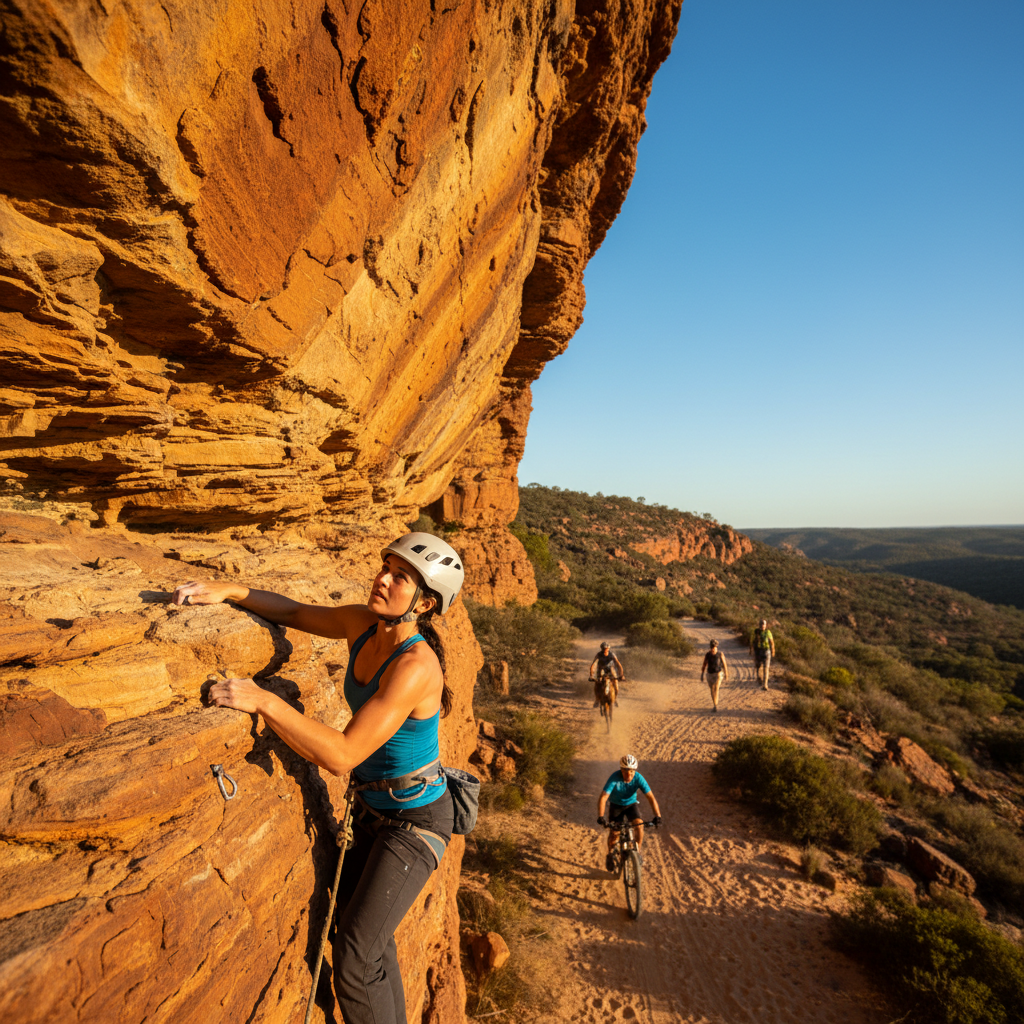
Climbing in the Sun: Your Helmet Heat Management Guide
Australia. Beautiful country. Brutal sun. If you're a climber, you know the drill. Long days out, seeking that perfect line, often under a sky that feels like a giant magnifying glass. Your helmet is essential gear, protecting your noggin. But on a scorching Australian day, that same helmet can feel like a personal sauna. Overheating isn't just uncomfortable; it degrades your focus, saps your energy, and can lead to heatstroke. This isn't about feeling sorry for yourself; it's about practical, no-fluff strategies to manage helmet heat so you can climb better and safer.
The Problem: Your Helmet is a Heat Trap
Let's be blunt: helmets are designed for impact protection. They're also designed to enclose your head. In direct sunlight, especially here in Australia where UV indexes regularly soar and temperatures can hit punishing highs, this enclosure becomes a problem. The sun's rays heat the shell of your helmet, and that heat has nowhere to go. It radiates inwards. Add the heat generated by your own exertion, and you've got a recipe for a cooked brain. Standard vents help, sure, but they often aren't enough when the ambient temperature is high and the UV is relentless.
Common Objections and Why They Don't Cut It
"I can just take my helmet off between climbs." Seriously? Between every single pitch? On multi-pitch routes, this is impractical and dangerous. Even on shorter climbs, leaving your helmet off while you belay or unpack gear exposes you to unnecessary sun. Plus, the moment you put it back on, it's already a hot box. Waiting for it to cool down when you need to be focused is a waste of precious climbing time.
"I'll just drink more water." Hydration is critical, no doubt. We'll cover that. But water alone won't magically cool the plastic encasing your skull. You can be overhydrated and still overheat if your head temperature is skyrocketing.
"My helmet has plenty of vents." Most do. But when the air outside is 35°C or hotter, those vents are letting in hot air. They're insufficient for serious heat management in Australian conditions. Think about it – you wouldn't put a fan in a greenhouse and expect it to stay cool.
Practical Heat Management Strategies
This is where we get down to brass tacks. These are actionable steps you can take to make your climbing experience under the Australian sun more bearable and your brain more functional.
1. Choose the Right Gear: The Foundation
Light Coloured Helmets: Dark colours absorb more heat. If you're buying a new helmet, opt for lighter shades. It makes a tangible difference.
Helmet Brims: This is a game-changer. A good helmet brim, like the Da Brim, provides shade for your face and neck, reducing direct solar radiation on your head and face. This is particularly effective for preventing sunburn on your ears and neck, areas often exposed even with a standard helmet. Consider it an essential upgrade for Australian conditions.
Vented vs. Unvented: While some climbers prefer minimal vents for maximum protection, for heat management, more vents are generally better, provided they're not compromised by direct sun. Combining a vented helmet with a brim offers the best of both worlds: airflow and shade.
2. Pre-Cooling and Cooling on the Go
Pre-Cooling (The Smart Approach): Before you even head to the crag, pop your helmet in the fridge or an esky with ice for 15-20 minutes. When you put it on, it’s already cooler. Don't leave it in there for hours; condensation can be an issue.
Cooling Towels: A small, quick-dry microfibre towel soaked in cool water and wrung out can be placed around your neck or on your forehead under your helmet (if your helmet padding allows and it doesn't compromise fit). The evaporative cooling effect is significant. Keep it in a Ziploc bag in your esky.
Water Spritzing: A small spray bottle filled with cool water can offer temporary relief. A quick mist on your face and neck can provide a cooling sensation as it evaporates. Be mindful not to soak anything that could get drippy or slippery at the wrong moment.
3. Hydration and Electrolytes: Beyond Surface Cool
This isn't just about drinking water; it's about smart hydration.
Sip Constantly: Don't wait until you're thirsty. Thirst is a sign you're already behind.
Electrolytes are Key: Sweat is not just water; it's salt and minerals. Replenishing electrolytes (sodium, potassium, magnesium) is crucial for proper hydration and preventing cramping and heat exhaustion. Sports drinks, electrolyte tablets, or powders are far more effective than plain water for long, hot days.
Avoid Dehydrating Drinks: Cut back on alcohol and excessive caffeine, especially on climbing days. They will work against you.
4. Timing and Shade: Work Smarter, Not Harder
Climb in the Shade: This sounds obvious, but actively seek out shaded routes or aspects. The difference in temperature under shade is immense. Plan your day around where the shade will be at different times.
Avoid Midday Sun: If possible, start your climbing session early and finish before the peak heat of the day (often 11 am to 3 pm). Or, take a long break in the shade during this period.
Take Shade Breaks: When belaying or resting, position yourself and your partner in the shadiest spot available.
Quick Checklist for Hot Day Climbing
Here’s your no-nonsense rundown:
[ ] Light-coloured helmet
[ ] Helmet brim installed (Da Brim)
[ ] Pre-cool helmet (fridge/esky)
[ ] Water bottle(s) filled
[ ] Electrolyte supplement (tablets/powder)
[ ] Small water spray bottle
[ ] Cooling towel (microfibre, quick-dry)
[ ] Sunscreen (applied well before climbing)
[ ] Hat or bandana (for under helmet, if comfortable and not compromising fit)
[ ] Plan for shaded routes/times
[ ] Knowledge of heat illness symptoms
Installing Your Helmet Brim: A Quick How-To
If you're new to helmet brims, you might be wondering how hard they are to fit. The reality is, they're designed for ease of use. Our How to Install guide covers it in detail, but here’s the gist:
1. Clean Your Helmet: Ensure the rim of your helmet is clean and dry where the brim will attach. This ensures good adhesion and a secure fit.
2. Position the Brim: Align the brim with the front edge of your helmet. Ensure it's centred and covers the desired area.
3. Attach the Fasteners: Most brims use Velcro or clips that attach to the helmet's retention system or directly to the shell. Follow the specific instructions for your brim model.
4. Test the Fit: Gently pull on the brim to ensure it's securely attached. It shouldn't wobble or detach with normal movement.
That's it. A few minutes of your time for significant sun protection and heat reduction benefits. Check out the details on our Products page.
When to Bail: Recognising Heat Illness
Ignoring the signs of heat illness is a recipe for disaster. Know the difference between discomfort and danger.
Heat Exhaustion:
Heavy sweating
Cool, pale, clammy skin
Fast, weak pulse
Nausea or vomiting
Muscle cramps
Tiredness or weakness
Dizziness
Headache
Action: Move to a cool place, loosen clothing, apply cool, wet cloths, sip water.
Heatstroke:
High body temperature (above 40°C)
Hot, red, dry or damp skin
Fast, strong pulse
Confusion or loss of consciousness
- Seizures
Action: THIS IS A MEDICAL EMERGENCY. Call for immediate medical help. While waiting, try to cool the person rapidly with whatever means available.
Don't push it. Listen to your body. If you or your partner are showing signs of heat illness, it's time to stop climbing and focus on recovery. Head back to the car, find A/C, and rehydrate. Safety first, always. You can always climb another day.
Conclusion: Keep Your Cool, Climb Strong
Climbing in the Australian sun demands respect. Your helmet is crucial, but it can become a source of discomfort and even danger if heat isn't managed. By implementing practical strategies like choosing the right gear, pre-cooling your helmet, staying hydrated with electrolytes, and actively seeking shade, you can significantly improve your comfort and performance. Don't let the heat dictate your day. Equip yourself with the knowledge and the tools – like a Da Brim – to conquer the sun and focus on your climb. For more tips and product information, explore our FAQ and Blog sections.
Stay cool, climb safe.