
Climbing in the Sun: Protect Your Scalp and Face from Australia's Harsh UV
Think helmets are enough for sun protection while climbing? Think again. Australian conditions demand more. Learn real-world strategies to avoid sunburn, heatstroke, and long-term skin damage.
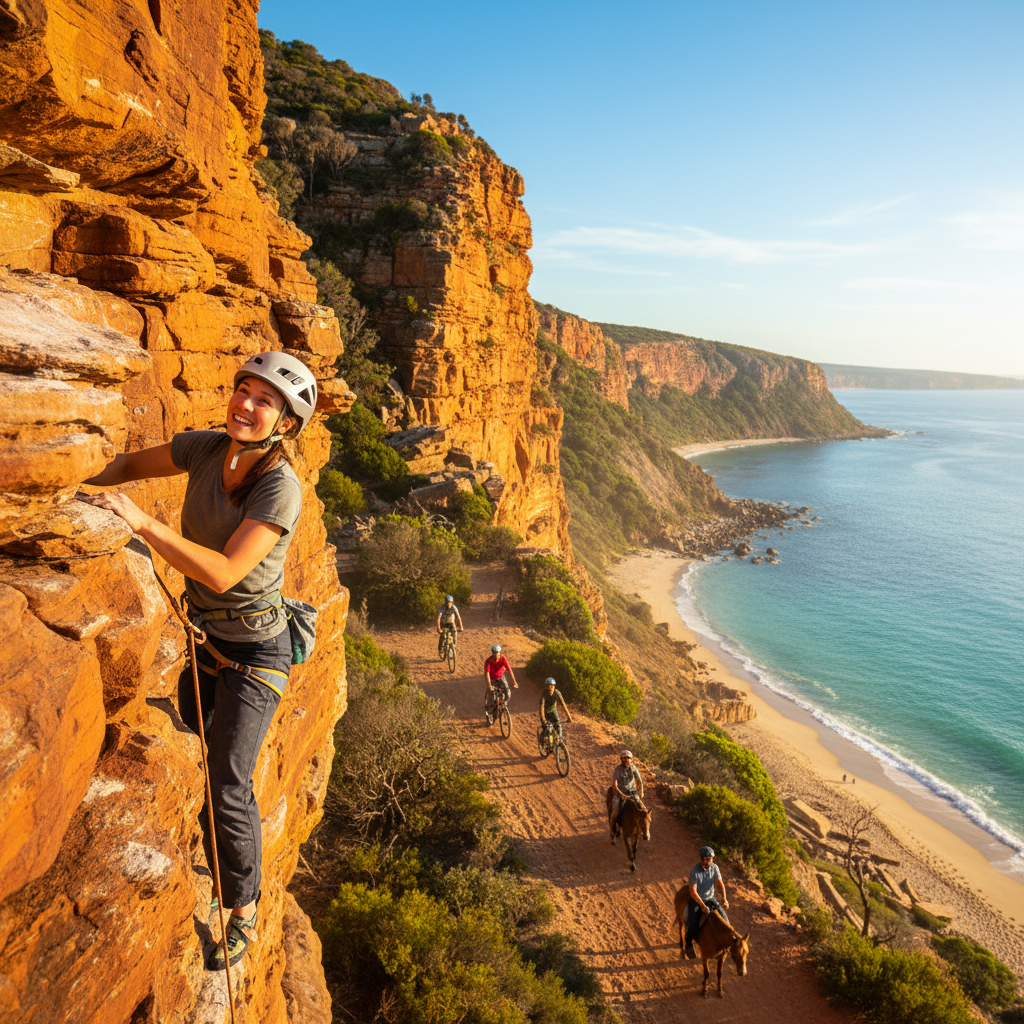
Climbing in the Sun: Don't Let Australia's UV Knock You Down
Australia. Land of vast skies, epic landscapes, and some of the harshest UV radiation on the planet. You're out there, scaling cliffs, pushing your limits, feeling alive. But while you're focused on the next hold, a silent threat is also reaching for you: the sun.
Many climbers think their helmet is the end of the story for sun protection. It keeps your head safe from falling rocks, sure. But what about your scalp? Your neck? The skin around your eyes and on your face that's constantly exposed, even with a helmet on?
Let's get real. Those long days under the Australian sun, especially during peak hours, can do serious damage. We're talking sunburn that’s painful and blistering, increased risk of heatstroke, and the creeping, long-term danger of skin cancer. Your helmet is crucial for impact protection, but it's often not enough on its own against our intense UV.
This isn't about scaring you; it's about equipping you. Practical, no-nonsense advice for Australian climbers to stay safe and keep enjoying the vertical world.
The Unseen Risks of Australian Sun Exposure for Climbers
It's easy to underestimate the sun when you're focused on a challenging route. You might feel cool in the shade of an overhang, or the wind might be keeping you comfortable. But UV radiation doesn't care about shade or wind. It penetrates.
UV Radiation: The Silent Burner
Australia consistently ranks high for UV levels. Even on cloudy days, up to 80% of UV rays can penetrate. When you're exposed for hours, climbing, belaying, or even just resting at the base, this cumulative exposure adds up. The back of your neck, your ears, the tops of your shoulders, your scalp where hair might be thin – these are prime targets. Prolonged exposure significantly increases your risk of skin cancers, including deadly melanomas.
Heat and Hydration: Your Performance Drain
Beyond UV, our summer heat is a major factor. Dehydration while climbing is already a primary concern. Add intense sun exposure, and your body works overtime to stay cool. This can lead to:
Heat exhaustion: Symptoms include heavy sweating, dizziness, nausea, fatigue, and muscle cramps. It's your body's warning sign.
Heatstroke: This is a medical emergency. Symptoms can include a high body temperature (over 40°C), confusion, loss of consciousness, and hot, dry, or clammy skin. It can happen fast and be deadly.
When you're fatigued from heat, your focus wavers, your grip strength might decrease, and your decision-making can be impaired. This directly impacts your climbing safety.
Long-Term Skin Damage: It All Adds Up
Every sunburn, every bit of peeling skin, contributes to premature aging and increases your lifetime risk of skin cancer. Think wrinkles, sunspots, and the more serious risks we’ve already mentioned. Protecting your skin while climbing is an investment in your future health and your ability to keep climbing for years to come.
Real-World Solutions: Beyond the Standard Helmet
So, your standard climbing helmet is fantastic for impacts. But for sun and UV protection? It falls short. We need to be proactive.
The Gap in Your Helmet
Your helmet covers the top and sides of your head. But what about:
The nape of your neck: Exposed all the time when wearing a helmet.
Your ears: Often sticking out, especially if you tie your hair back.
Your face: While you might squint, the skin around your eyes, nose, and cheeks is still getting baked.
Your scalp: Even with hair, UV can reach your scalp, especially if your hair is thin, or you have a receding hairline. And if you're bald or have shaved your head? Direct exposure.
This is where practical, simple additions make a huge difference. We’re talking about extending your protection, not replacing your helmet.
Sun Protection Table for Climbers
Here’s a quick breakdown of common sun threats and how to address them:
| Threat | Primary Risk Area | Standard Helmet Protection | Recommended Supplement |
|---|---|---|---|
| UV Radiation | Scalp, Neck, Face, Ears, Shoulders | Limited | Wide-brimmed helmet attachments, UPF clothing, sunscreen |
| Heat Exhaustion/Stroke | Entire Body | None | Hydration, cool clothing, seeking shade, electrolyte tabs |
| Sunburn | Any exposed skin | Minimal | Sunscreen, UPF clothing, wide-brimmed helmet attachments |
This table highlights that while a helmet is essential, it's only one piece of the sun-safety puzzle!.
Practical Sun Safety Strategies for the Crag
Let's break down what you can actually do before, during, and after your climb.
Before You Go: Preparation is Key
1. Check the UV Index: Always check the BOM or your favourite weather app for the UV index. If it’s 6 or above in Australia, it’s extreme, and you need serious protection.
2. Hydrate Early: Start drinking water the day before your climb, and continue the morning of. Don't wait until you're thirsty.
3. Sunscreen Application: Apply broad-spectrum SPF 50+ sunscreen generously to all exposed skin at least 20 minutes before heading out. Don't forget ears, neck, and the back of your hands.
4. Choose Appropriate Clothing: Think lightweight, long-sleeved UPF (Ultraviolet Protection Factor) rated shirts and long pants. They create a physical barrier.
5. Consider Your Helmet Extension: This is the game-changer for helmet wearers. A robust brim extension designed for climbing helmets significantly increases the shade over your face, neck, and ears, reducing direct UV exposure.
6. Pack Strategically: Bring more water than you think you'll need, plus electrolyte replacements. Pack extra sunscreen for reapplication and a wide-brimmed hat to wear off the rock.
At the Crag: Staying Protected While Climbing and Belaying
Reapply Sunscreen: Reapply sunscreen every two hours, and more often if you're sweating heavily or after swimming.
Utilise Shade: Take breaks in the shade whenever possible. This is crucial for cooling down and reducing cumulative sun exposure.
Stay Hydrated: Sip water constantly. Don't chug it all at once. If you're out for a long day, consider electrolyte tablets or drinks.
Wear Your Helmet Extension: During climbing and belaying, ensure your helmet extension is fitted correctly. It's designed to shield areas your helmet alone can't. This makes a massive difference to direct sun on your face and neck.
Neck Protection: If you're not wearing a shirt with a high collar and long sleeves, consider a buff or a lightweight scarf tucked into your neck at the back of your helmet.
Lip Balm with SPF: Don't forget your lips. They burn too!
After the Climb: Recovery and Rehydration
Cool Down: Take a cool shower or bath to help your body temperature return to normal.
Rehydrate Fully: Continue drinking water and rehydrating with electrolytes.
Moisturise: Apply a gentle moisturiser to any sun-exposed skin to soothe and aid recovery.
Monitor Your Skin: Check for any signs of significant sunburn. If you experience blistering, fever, or severe pain, seek medical advice.
Step-by-Step Guide: Enhancing Your Helmet's Sun Protection
Your standard climbing helmet is great, but it's a base. Let's make it a fortress against the sun.
1. Identify Your Helmet Type: Are you using a traditional hardshell, a foam-based helmet, or a hybrid? Knowing this helps with compatibility.
2. Choose a High-Quality Helmet Brim: Look for extensions specifically designed to fit securely onto climbing helmets. Materials should be durable and UV-resistant. The ideal extension will:
Offer substantial shade over your face, ears, and neck.
Be lightweight and not add significant bulk or weight.
Attach securely without compromising the helmet's safety features.
Ideally, be flexible enough not to snag or cause issues if something brushes against it.
3. Installation (It's easier than you think!): For most practical solutions, installation involves clipping or attaching the brim to the helmet's existing mounting points or a specific rim. They’re designed for quick on-and-off. Refer to How to Install for specific instructions on fitting.
4. Test and Adjust: Once attached, wear your helmet. Does it feel secure? Does it offer enough shade? Make sure it doesn't impede your vision or movement.
5. Integrate with Other Gear: Remember this brim is part of a system. Combine it with UPF clothing and sunscreen for maximum effect.
Common Objections and Why They Don't Hold Up
"My helmet already has a brim."
Many helmets have a small, forward-facing lip. This offers minimal protection against the sun hitting you from the sides, above, or behind. It’s designed more for impact deflection. A dedicated helmet brim extension is significantly larger and shaped to shield more of your face and neck.
"It'll be too hot with extra gear."
This is a valid concern, but the right gear can actually help you stay cooler. Lightweight, breathable UPF clothing and a properly designed helmet brim extension allow air to circulate while blocking damaging UV. The alternative – severe sunburn and heatstroke – is far less comfortable and far more dangerous.
"I'm only climbing for a short time."
Even short bursts of intense sun exposure under Australian skies can be damaging. UV rays don't take a break. That brief period at the crag can contribute significantly to your cumulative UV dose.
"I'll just wear a hat under my helmet."
This is a dangerous myth. Wearing a hat under a climbing helmet can interfere with the helmet's fit and its ability to protect you in a fall. It creates a gap between your head and the protective padding. Stick to helmets that are designed to be worn on their own, and enhance them with external attachments like brim extensions.
Don't Let the Sun Win - Gear Up!
Climbing in Australia is an incredible experience. But it demands respect for our environment, and that includes our powerful sun. Your climbing helmet is non-negotiable for safety. But to truly protect yourself from Australia's intense UV radiation and heat, you need to augment that protection.
Investing in a reliable helmet brim extension, combined with proper hydration, UPF clothing, and consistent sunscreen use, is a small step that pays huge dividends for your health and your ability to continue pursuing your passion. Don't wait for the burn to remind you.
Ready to upgrade your sun protection? Explore our range of practical solutions.
Check out our Products to find the right gear for your helmet.
Got questions about fitting or function? Our FAQ has answers.
- Want more climbing and safety tips? Head over to our Blog.
Stay safe, climb smart, and enjoy the Australian outdoors!