
Climbing in the Sun: Helmet Brims, Sunburn, and Staying Safe
Outdoor climbing in Australia means serious sun. Protect your head and face from UV damage, heatstroke, and glare with practical strategies, focusing on how helmet brims are your best defence. No excuses.
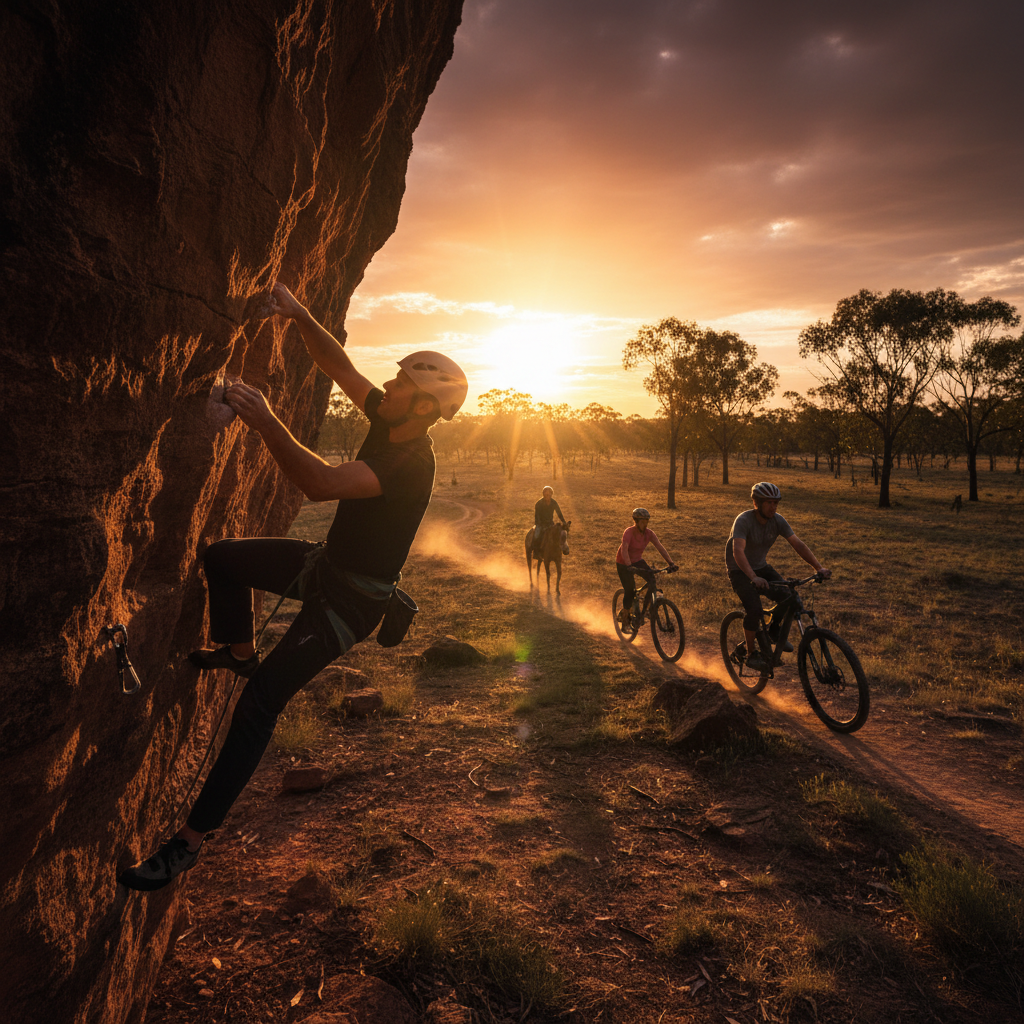
Climbing in the Sun: Helmet Brims, Sunburn, and Staying Safe
Let's cut to the chase. You're heading outdoors to climb. Great. You've got your harness, your shoes, your chalk bag. You've checked the weather. But have you considered the single biggest threat to your comfort and skin while you're out there?
The sun.
Australia's sun is legendary for a reason. It's fierce. It's relentless. And if you're spending hours on a rock face, the UV exposure can be brutal. We're talking sunburn, premature aging, and in the worst cases, serious health risks. But you’re wearing a helmet, right? That’s good. It protects your head. But what about your face, your neck, your eyes?
That's where a good helmet brim comes in. If you think it’s just a bit of plastic, think again. It's your first line of defence against the Aussie sun when you're on the wall.
The Real Risks of Sun Exposure for Climbers
Climbing isn't like sitting at a desk. You're exposed. Often for long stretches. And while enjoying the view is part of the deal, so is the risk.
Sunburn. It's Not Just Uncomfortable.
Everyone knows sunburn. It hurts, it peels, it’s annoying. But repeated sun exposure without protection leads to more than just temporary discomfort. It damages your skin cells.
Premature Aging: Wrinkles, leathery skin, sunspots. It all adds up.
Increased Skin Cancer Risk: This is the big one. Melanoma and other skin cancers are directly linked to UV exposure. Every sunburn, every extended period of unprotected sun, adds to your lifetime risk.
Heatstroke and Dehydration
Climbing requires exertion. Add high ambient temperatures and direct sun, and your body is working overtime to stay cool. This can lead to:
Heat Exhaustion: Dizziness, nausea, heavy sweating, weakness. You might feel like you can push through, but you’re setting yourself up for worse.
Heatstroke: This is a medical emergency. High body temperature, confusion, hot and dry skin (or profuse sweating), rapid pulse, and potential loss of consciousness. Prolonged heatstroke can cause organ damage.
Eye Damage
Your eyes are incredibly sensitive. The sun’s UV rays can contribute to:
Photokeratitis: Essentially sunburn of the cornea. Painful and temporary.
Cataracts: Long-term UV exposure is a significant risk factor for developing cataracts.
Macular Degeneration: While complex, UV exposure may play a role.
Glare and Reduced Vision
Even without direct damage, the intense glare on a sunny day can make it hard to see holds, assess routes, and generally impairs your judgement. This is not just annoying; it can be dangerous when you're relying on good vision for safety.
Your Helmet is a Start. Your Brim is the Finish.
You wouldn't climb without a helmet. It's fundamental. But standard climbing helmets often don't offer much in the way of facial sun protection. Your face is directly exposed to the sun's rays from above and, depending on your angle, even from the front.
This is where a helmet brim, like da Brim, shifts the game. It’s not about style; it’s about function. A well-designed brim extends the coverage of your helmet, creating a crucial shadow over your face.
How a Helmet Brim Works for You:
Shields Your Face: The most obvious benefit. It blocks direct sunlight from hitting your forehead, nose, and cheeks.
Reduces Glare: By creating shade, it significantly cuts down on the glare reflecting off the rock or your gear, improving your visibility.
Keeps You Cooler: Less direct sun on your face means you’ll feel cooler, reducing the strain on your body's thermoregulation system.
Protects Your Neck: Depending on the brim's design and angle, it can offer some protection to the back of your neck, an area often forgotten in sun protection.
Australian Conditions: It's Not Every Other Country
We’re talking about Australia. This means the UV index can reach extreme levels regularly, especially during spring and summer. Climbing often takes you to exposed positions where there’s little natural shade from trees. Rock surfaces can reflect UV radiation, adding to your exposure. And those long summer days? They mean more time spent under potentially harmful UV levels.
What the UV Index Means for You
The UV index is a measure of the strength of ultraviolet (UV) radiation from the sun. Anything above 3 is considered 'moderate'. When climbing in Australia, you'll frequently encounter UV indices of 7 or higher, which are in the 'very high' or 'extreme' categories. At these levels, unprotected skin can burn in minutes. Even through clothing, UV can penetrate. Your helmet is doing its part, but the unprotected flesh of your face is highly vulnerable.
Heat: More Than Just a Nuisance
The combination of high ambient temperatures and direct solar radiation is a recipe for heat-related illness. Climbing is physically demanding, increasing your internal heat load. Shading your head and face helps your body maintain a more stable core temperature.
Practical Steps for Sun-Safe Climbing
Sun protection isn't an afterthought; it's essential gear for climbing in Australia. Integrate these practices into your routine:
Before You Go:
Check the UV Index and Weather Forecast: Plan your climbing times around the highest UV periods if possible (early morning, late afternoon are often best). Always check for the UV index specifically.
Choose Appropriate Clothing: Long sleeves and pants made of lightweight, breathable, UPF-rated fabric are ideal. Don’t just rely on a t-shirt.
Apply Sunscreen: Use a broad-spectrum, SPF 30 or higher sunscreen. Reapply frequently, especially after sweating.
Wear Sunglasses: Polarised sunglasses are best for reducing glare. Ensure they offer UV protection.
Hat or Cap Under Your Helmet? (Rethink This): Many people add a cap or beanie under their helmet. While it might add a tiny bit of padding or warmth, it can also interfere with the helmet's fit and the effectiveness of straps. More importantly, it can trap heat and sweat. Unless it's specifically designed to integrate with your helmet, it's often more trouble than it's worth. A helmet brim is a much more effective, integrated sun protection solution.
During Your Climb:
Utilise Your Helmet Brim: Position your helmet so the brim offers maximum shade to your face and eyes. This is why the design of a brim matters – it needs to sit correctly and provide effective shade without obstructing your vision.
Reapply Sunscreen: Set reminders to reapply sunscreen every two hours, or more often if you’re sweating heavily or get wet.
Stay Hydrated: Drink water consistently, even if you don't feel thirsty. Carry more water than you think you’ll need. Electrolyte drinks can help replace lost salts.
Seek Shade When Possible: Take breaks in shaded areas if available.
Be Aware of Your Body: Listen to your body. If you start feeling dizzy, nauseous, or unusually fatigued, descend or rest immediately. Don’t push through signs of heat illness.
Integrating da Brim into Your Climbing Gear
If you're serious about climbing and about protecting yourself from the sun, a dedicated helmet brim is a no-brainer. It’s not an add-on; it's an enhancement to your existing safety gear.
Why da Brim?
Universal Fit: Designed to attach to most standard climbing helmets. Check our Products page for compatibility and installation guides.
Durable and Lightweight: Made from tough materials that won't add significant weight to your helmet.
Effective Shade: Provides a significantly larger shadow area than standard helmet visors or no brim at all.
Easy Installation: Attaches securely in minutes. See How to Install for a quick guide.
Common Objections—And Why They Don't Hold Up
We get it. Adding anything to your helmet might seem like a hassle. Let's address some common concerns:
Objection 1: "It will get in the way."
Reality: A well-designed brim like da Brim is engineered to extend forward without obstructing your upward or forward vision. In fact, by reducing glare, it often improves your ability to see the rock face. The key is proper installation and choosing a model that complements your helmet. We have guides on How to Install to ensure you get it right.
Objection 2: "It's just going to be extra weight/bulk."
Reality: While technically true, the weight and bulk added by a quality brim are minimal compared to the benefits. Think of it as a small investment for significant protection. The weight is distributed well and designed not to be a burden. The benefits of reduced sun exposure and glare far outweigh this minor addition.
Objection 3: "I'll just use sunscreen and a cap."
Reality: Sunscreen is crucial, but it's not foolproof. It wears off, you miss spots, and it doesn't combat glare. A cap under a helmet can interfere with fit and trap heat. Your helmet’s primary purpose is impact protection; a dedicated brim optimizes it for sun protection. This is why da Brim exists.
Objection 4: "I’m only out for a few hours."
Reality: In Australia, a few hours under the midday sun can be enough to cause significant UV damage. The cumulative effect of repeated exposures is what truly matters for long-term skin health. Don't underestimate the power of our sun.
Sun Protection Checklist for Climbers
Before your next climb, run through this:
[ ] Helmet with effective brim attached
[ ] Broad-spectrum SPF 30+ sunscreen (and know where your reapplication stash is)
[ ] Polarised sunglasses offering UV protection
[ ] Hydration: Water bottles filled (and a plan for refills if needed)
[ ] Lightweight, long-sleeved, UPF-rated clothing (if possible)
[ ] Awareness of the UV index for the day and planned climbing times
[ ] Knowledge of early signs of heat illness
Always Be Prepared
Climbing is an amazing way to connect with nature, but it requires respecting the environment you're in. That includes the sun. A helmet brim is a simple, effective tool to enhance your safety and comfort on the rock.
Don't let the harsh Australian sun cut your climbing days short or compromise your long-term health. Invest in proper sun protection. Check out our Products to find the right brim for your helmet. If you have questions, our FAQ is a great resource, or visit our Blog for more tips.
Stay safe, climb hard, and keep that face shaded.