
Climbing in the Australian Sun: Don't Let Sun Exposure Ruin Your Climb
Australian sun is brutal. As a helmeted climber, you're exposed to significant UV radiation and heat risk. Learn how to protect yourself, your gear, and your performance.
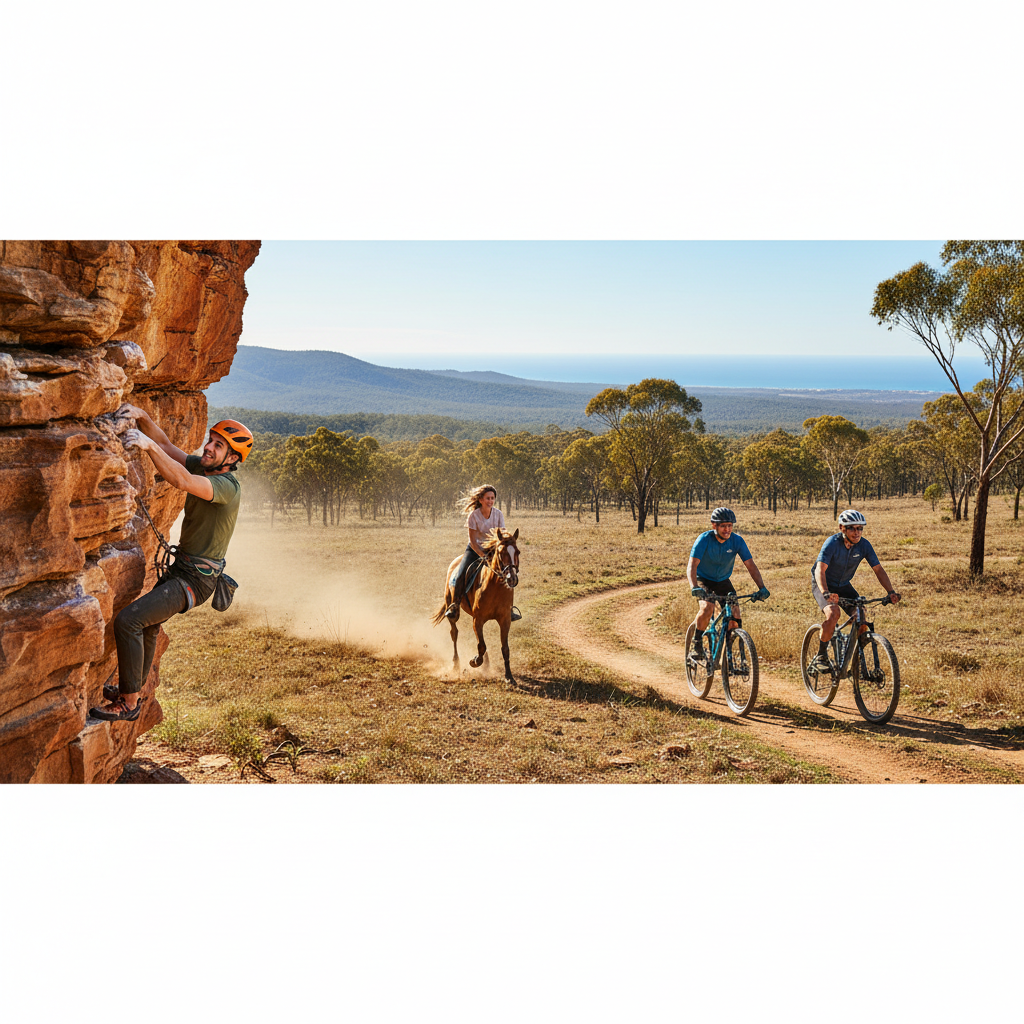
Climbing in the Australian Sun: Don't Let Sun Exposure Ruin Your Climb
Australia. The land of endless sunshine, epic rock formations, and, let's be honest, some of the harshest UV radiation on the planet. If you're heading outdoors to tackle those granite walls or sandstone crags, you're not just battling gravity and your own grit; you're battling the sun.
As a helmeted climber, you might think you're covered. And yes, your helmet is crucial for impact protection. But what about the intense sun beating down on your face, neck, and ears? We're talking about more than just a mild sunburn. We're talking about heat exhaustion, sunstroke, long-term skin damage, and even vision impairment. In Australia, where the UV index regularly hits extreme levels, especially during summer and spring, this isn't a minor inconvenience – it's a serious risk.
Let's get practical. No fluff. This is about how to climb safely and comfortably under the unforgiving Australian sun. You've invested in good climbing gear, you've researched the routes, now invest in protecting yourself.
The Hidden Dangers: Why Your Helmet Isn't Enough
Your helmet is designed to protect your head from falling rocks, impacts, and dings. It does a fantastic job of that. But most standard climbing helmets offer zero protection from the sun. Think about it:
Face and Neck Exposure: Your face, ears, and the back of your neck are directly exposed for hours. Even with a cap under your helmet, gaps remain significant.
UV Radiation: Australian UV levels are notoriously high. Prolonged exposure without adequate protection leads to premature aging, sunburn, and significantly increases your risk of skin cancer. Those rays penetrate even on cloudy days.
Heat Build-up: On hot days, the Australian sun can turn your helmet into a mini-greenhouse. This heat can contribute to dehydration and heat-related illnesses.
Glare and Vision: Direct sunlight can cause glare, making it harder to spot holds, assess routes, and maintain focus. This is a safety hazard, plain and simple.
Australian Sun Specifics
We don't mess around with sun safety here. The UV index in Australia is often higher than in many other parts of the world, even at lower elevations or during shoulder seasons. Midday is the peak, but UV radiation is strong throughout the day, particularly on longer summer days. Factors like altitude, reflection off rock surfaces, and clear skies all amplify the danger. Don't underestimate the power of the Australian sun; it’s a serious occupational hazard for anyone spending time outdoors.
Overcoming Objections: "But I Don't Burn Easily" / "It's Too Much Hassle"
We hear you. It can feel like an extra step, another thing to remember. But let's break down why these objections don't hold up when it comes to climbing in our climate:
"I Don't Burn Easily": Genetics might protect your skin from immediate burning, but UV damage is cumulative. It’s the invisible damage that leads to long-term issues like skin aging and, critically, cancer. Even if you don't look red, the cellular damage is happening.
"It's Too Much Hassle": What's more hassle? A few extra seconds to apply sunscreen or attach a brim, or dealing with severe sunburn, heatstroke, or a doctor’s visit for a suspicious mole later? We’re talking about practical, quick solutions that integrate seamlessly into your climbing routine.
"I Wear a Cap Under My Helmet": A cap offers minimal protection for your face and leaves large areas of your neck and ears exposed. It can also get soaked in sweat, becoming less effective and uncomfortable.
"I'll Just Wear Sunscreen": Sunscreen is essential, but it's not foolproof. It needs reapplication, especially when sweating profusely. It can also sting your eyes if it runs. Relying solely on sunscreen, especially for long climbing days in the Australian sun, is a gamble.
Practical Solutions for the Sun-Conscious Climber
Protection isn't just about avoiding a tan; it's about maintaining performance, comfort, and long-term health. Here's what you need:
1. Sunscreen: The Non-Negotiable Base Layer
Before anything else, sunscreen is your first line of defence. Make sure it's:
High SPF: SPF 50+ is recommended for Australian conditions.
Broad Spectrum: Protects against both UVA and UVB rays.
Water/Sweat Resistant: Essential when you're working hard and sweating.
Apply generously to all exposed skin – face, neck, ears, hands. Reapply every two hours, or more often if you're getting wet or sweating heavily.
2. Headwear: Beyond the Standard Helmet
This is where we get innovative. Your helmet is critical, but it needs augmentation for genuine sun protection.
Most climbing helmets have a gap between the helmet rim and your face. This is a direct entry point for sun and glare. A simple, effective solution is a helmet brim. These attach to your helmet, extending a brim forward to shade your face and eyes.
Consider a brim that offers:
Wide Coverage: Enough to shield your brow and nose.
Durability: It needs to withstand being packed, jostled, and potentially hit.
Easy Installation: You don't want to spend ages fiddling with it.
For more information on how these clip on, check out our How to Install guide. It’s straightforward and makes a massive difference.
3. Apparel: Covering Up
Lightweight, UPF-rated clothing is your friend. Long sleeves and trousers made from breathable, sun-protective fabric can significantly reduce your exposed surface area. Choose lighter colours that reflect heat rather than absorb it.
4. Sunglasses: For When the Brim Isn't Enough
While a good brim will reduce glare, dedicated sunglasses are still useful for direct solar intensity, especially during the approach or descent, or for extended belaying.
Make sure they offer UV protection and a comfortable fit. Polarised lenses can cut down on reflected glare from rock faces.
5. Hydration: Fighting Heat Exhaustion
This cannot be stressed enough. Dehydration is a major contributor to heat stress. Drink water consistently, even before you feel thirsty. Electrolyte drinks can be beneficial on extremely hot days.
Integrated Sun Protection for Helmet Wearers: A Step-by-Step Approach
Let's make this simple. Integrate sun protection into your pre-climb routine:
1. Pre-Climb Application: Apply SPF 50+ broad-spectrum, sweat-resistant sunscreen to your face, neck, and ears. Don't forget your lips (SPF balm!).
2. Attire: Put on your UPF-rated long-sleeved shirt and trousers/long shorts.
3. Helmet Prep: If using a helmet brim, attach it to your helmet now. Ensure it’s secure. Learn how to install if you haven't already. This takes seconds.
4. Gear Up: Put on your helmet with the brim attached. Wear your sunglasses if needed.
5. Hydration Check: Ensure you have ample water for the duration of your climb. Refrain from relying solely on sugary drinks.
6. On the Go: Reapply sunscreen every 2 hours. Hydrate consistently. Be mindful of your body's heat cues.
Quick Checklist for Sun Safety in the Hills:
[ ] SPF 50+ Sunscreen ( Broad Spectrum, Sweat Resistant)
[ ] Reapplication Plan (Every 2 hours)
[ ] Helmet Brim (Attached and Secure)
[ ] UPF-Rated Clothing (Long Sleeves/Pants)
[ ] Sunglasses with UV Protection
[ ] Sufficient Water/Electrolytes
This might seem like a lot, but once it's part of your routine, it becomes second nature. It's the difference between a day of epic climbing and a miserable, potentially dangerous experience.
Performance and Comfort: The Benefits of Staying Protected
It’s not just about avoiding the negative. Sun protection actively enhances your climbing experience:
Improved Focus: Less glare means better visibility of holds and the route ahead.
Reduced Fatigue: Overheating makes you tired and prone to mistakes. Staying cool helps maintain energy levels.
Comfort: No squinting, no burning ears, no raw nose. It’s simply more enjoyable to climb when you’re comfortable.
Long-Term Health: Protecting your skin now means fewer worries about skin cancer and premature aging down the line.
Gear Up for the Sun: Explore Our Products
We know that practical solutions are key. That's why we focus on gear that integrates seamlessly with your existing climbing setup. Whether you're looking for a robust helmet brim designed for harsh Australian conditions or other essential sun protection, you can find it in our Products section.
Don't let the Australian sun dictate the terms of your adventure. Be proactive, be smart, and keep climbing safely. For more tips and frequently asked questions, visit our FAQ or browse our Blog for more insights.