
Climbing Helmets: Your Face and Neck Need More Than Just a Hard Hat
Climbing in Australia means serious sun. Don't let your helmet be your only defence. Learn how to truly protect your face and neck from harsh UV and heat.
Climbing Helmets: Your Face and Neck Need More Than Just a Hard Hat
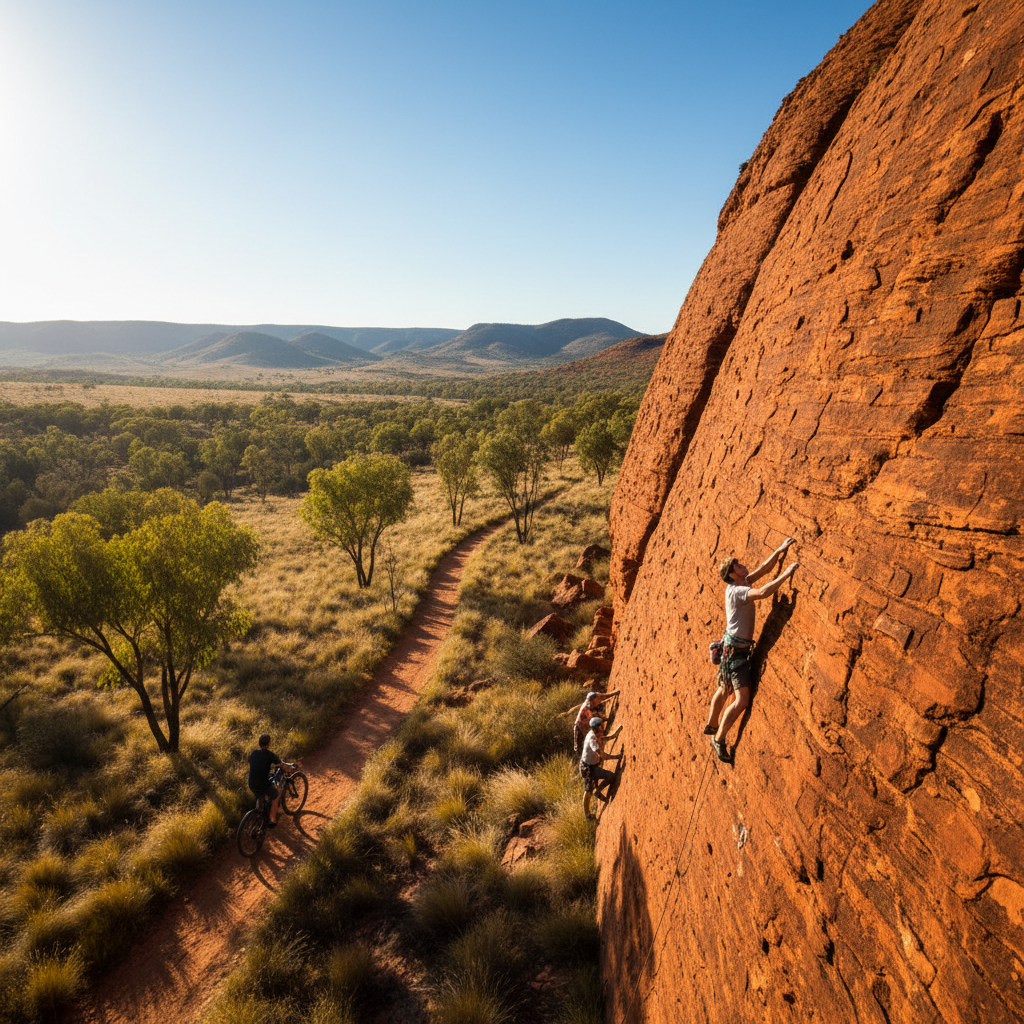
Climbing is epic. The freedom, the challenge, the views. In Australia, it’s particularly brilliant. But let’s be honest, it’s also seriously exposed. We’re talking about intense UV radiation, scorching heat, and days that stretch on forever under a relentless sun. Your climbing helmet is essential for impact protection, that’s a given. But it’s likely doing next to nothing for your face and neck. If you’re relying solely on your helmet for sun protection, you’re leaving yourself vulnerable. This guide is about practical, no-BS ways to stop the sun from ruining your climb and your skin.
The Problem: Your Helmet is Not Enough
Standard climbing helmets are designed to protect your skull from falling rocks, impacts, and abrasion. They are not designed to shade your face or neck. Think about it: most helmets have vents for airflow, which is great for keeping cool, but also let sunlight straight in. The brim on most helmets is minimal, offering little more than a token gesture against direct overhead sun. Up here in Australia, where the UV index regularly hits extreme levels, 'token gestures' aren't going to cut it.
Common Objections & Realities:
"I wear sunscreen." Great, but it’s not foolproof. Sunscreen wears off, you miss spots, and it doesn’t protect against the sheer heat radiating onto your face. Reapplying mid-climb is a pain, and if you sweat it off, you're exposed again. Plus, the skin on your face and neck is delicate and prone to premature aging and cancer from cumulative sun exposure.
"A hat under my helmet? Too hot." Traditional hats can interfere with helmet fit and add uncomfortable heat. We’re not talking about a beanie here. We mean accessories designed to integrate with your helmet without compromising safety.
"I just squint and deal with it." Repeated squinting can lead to wrinkles and eye strain. And 'dealing with it' often means ending the day with a sunburnt nose, red ears, and a burning scalp you didn't even realise was getting toasted.
"My helmet has a small brim." As mentioned, it’s usually not enough. Think about the sides of your face, your ears, and especially the back of your neck. Those areas are prime real estate for sun damage.
The Harsh Australian Reality: UV and Heat
Australia has some of the highest UV levels in the world. Even on cloudy days, up to 90% of UV rays can penetrate. On top of that, climbing often happens during the hottest parts of the day. Dehydration and heatstroke are serious risks. Sunburn adds to that strain, making you feel even more drained and less focused. Long days on the rock mean prolonged exposure. Protecting your skin and keeping cool isn't just about comfort; it's about performance and safety.
Solutions That Actually Work
Forget slapping on another layer of zinc that’s going to sweat into your eyes. We need integrated, practical solutions that work with your climbing helmet, not against it.
The Essential Kit: More Than Just a Helmet
To properly protect your face and neck, you need to add coverage. Fortunately, there are accessories designed specifically for this purpose.
Helmet Brim Extensions (Front and Side): These are designed to clip onto or integrate with your existing climbing helmet, dramatically increasing the shade cast over your face and ears. Look for lightweight, durable options made from UV-resistant materials.
Neck Shades: These attach to the rear of your helmet and hang down to cover the back of your neck – a notoriously exposed and easily burnt area. Some are built into brim extensions, others are separate.
Glacier Glasses/Sunglasses: Crucial for protecting your eyes. Ensure they offer full UV protection and consider wraparound styles for better coverage. Don't skimp here; sustained glare and UV can cause serious damage.
Lightweight, Breathable Headwear (Optional): A thin, moisture-wicking balaclava or bandana can add an extra layer of skin protection under your helmet, particularly if you’re sensitive or spending extended periods in the sun. These are not meant to replace your helmet cover but to add a base layer. Ensure it doesn't interfere with helmet fit.
A Practical Checklist for Sun-Safe Climbing
Before you even think about clipping into your harness, run through this to make sure you're covered.
[ ] Climbing helmet
[ ] Helmet brim extension (front and side)
[ ] Helmet neck shade
[ ] Sunglasses with full UV protection
[ ] High SPF sunscreen (for any exposed skin not covered)
[ ] Lip balm with SPF
[ ] Plenty of water!
Integrating Accessories: How to Get the Best Coverage
The key is to maximise shade without compromising your helmet's primary function or airflow too much.
Front Brim Extension: This is your first line of defence against sun hitting your face. It should extend beyond your helmet’s original brim, casting a significant shadow over your eyes, nose, and cheeks. Crucially, it shouldn't obstruct your upward vision, especially when looking for your next hold.
Side Brim Extension: Many sun exposure issues come from light hitting the sides of your face and ears. Side extensions add critical coverage here.
Neck Shade: Your helmet must have a way to securely attach this. A long neck shade is vital for preventing sunburn on your neck, which can be incredibly painful and contribute greatly to heat discomfort.
Example Setup: The Da Brim Advantage
Accessories like the Da Brim, available in our [Products section](/products) are designed to tackle these issues head-on. They are specifically engineered to attach to various helmets, extending their protective coverage significantly. The key benefits include:
Extensive Shade: Significantly more shade for your face and neck than a standard helmet.
UV Protection: Made from materials that block harsh UV rays.
Durability: Built to withstand the rigours of outdoor activity.
Easy Attachment: Simple to install and remove. Refer to our How to Install guide.
This isn't about fashion; it's about practical physics. Extend the shadow line cast by your helmet. It's the most effective way to shield your skin when you're craning your neck up to find routes or exposed on a ridge line.
Step-by-Step Sun Protection Strategy for Your Climb
This is the practical application. Make it a routine.
Step 1: Pre-Climb Preparation (At Home/Car Park)
Attach Your Shade Gear: Ensure your helmet brim extensions and neck shade are securely fitted to your helmet. Check they don't rattle or feel unstable. If they're loose, revisit the How to Install guide.
Apply Sunscreen: Apply a high SPF sunscreen to any skin that will remain exposed (e.g., back of hands, lower neck if your shade isn't full). Don't forget your ears and the back of your neck before you put your helmet on.
SPF Lip Balm: Essential. Lips get burnt easily and it's painful.
Sunglasses: Have them ready and accessible.
Step 2: On the Rock Face – Layered Defence
Helmet On, Shades Positioned: Put your helmet on, ensuring it's fitted correctly. Position your sunglasses so they fit comfortably with the helmet. The added brim should be doing its job of shading your eyes.
Take Frequent Breaks: Even with protection, the heat can build. Take breaks in the shade if possible, drink water, and reapply sunscreen to exposed areas if needed (though with good coverage from the brim, this should be minimised).
Monitor for Heat and Sunburn: Be aware of how you’re feeling. Are you getting hot and flushed? Is your neck starting to feel tingly? Don't push through excessive discomfort.
Hydration is Key: This cannot be stressed enough. Dehydration exacerbates the effects of sun exposure and heat.
Step 3: Post-Climb Recovery
Assess Your Skin: Check for any missed spots. Sunburn can take hours to fully develop.
Hydrate and Cool Down: Continue drinking water and cool your body temperature.
- Moisturise: If you've been in the sun, especially if there's any redness, use a good after-sun lotion or moisturiser.
Common Mistakes and How to Avoid Them
Neglecting Your Neck
Many climbers focus entirely on their face. Your neck, especially the nape, is constantly exposed when you’re looking up, and it’s a common area for painful sunburn and long-term sun damage. A good neck shade is non-negotiable for Australian conditions.
Poorly Fitting Sunglasses
Sunglasses that slip down your nose or have large gaps at the sides let in glare and UV. They should fit snugly and work in conjunction with your helmet.
Over-Reliance on Sunscreen Alone
As discussed, sunscreen is a supplement, not a primary defence against the relentless Australian sun when you’re actively climbing. Physical shade from a superior brim and neck cover is far more effective and reliable.
Ignoring the UV Index
Just because it’s not 40°C doesn't mean the UV is low. Always check the predicted UV index for your climbing location. In Australia, it’s often 6 or higher, meaning sun protection is essential even on cloudy days.
Compromising Helmet Function
Any accessory you add must not interfere with your helmet’s fit, comfort, or safety. This is why purpose-built accessories are crucial. If something feels unstable or makes your helmet uncomfortable, it’s not the right solution. Our FAQ page covers common questions regarding compatibility and safety.
Conclusion: Protect Your Investment (Your Skin)
Your climbing helmet is a vital piece of safety equipment. Investing in accessories that enhance its sun protection capabilities is a smart move for anyone climbing in Australia. Don't let the sun force you off the rock prematurely or leave you paying for skin damage down the track.
Practical, effective sun protection for your face and neck is achievable and straightforward. It means looking beyond the standard helmet and embracing accessories designed to provide the shade you truly need. Check out the range of solutions available in our Products section, and make sure your next climb is as sun-safe as it is spectacular. Remember, consistent protection helps prevent premature aging, reduces skin cancer risk, and keeps you more comfortable, allowing you to focus on the climb, not the burn.
For more FAQs and details, visit our FAQ page, or explore more tips and stories on our Blog.