
Climbing Helmets & Sunburn: Protecting Your Face and Neck in the Australian Sun
Think your climbing helmet is enough protection from the Aussie sun? Think again. Climbers face unique sun exposure challenges. Learn how to shield your face and neck for extended climbing days.
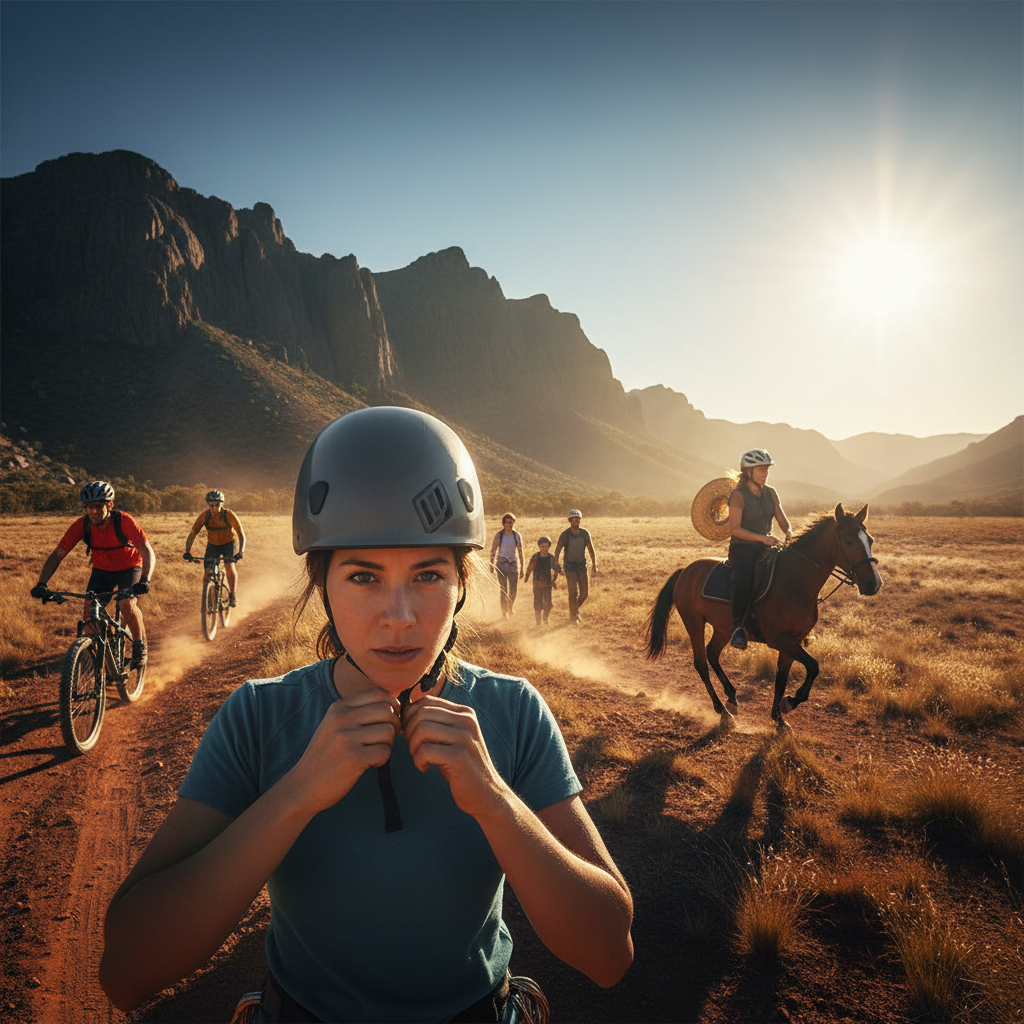
Climbing Helmets & Sunburn: Protecting Your Face and Neck in the Australian Sun
So, you've got the helmet. Good start. For climbing, your helmet is non-negotiable for safety. But what about the other big threat out there, especially here in Australia? The sun.
We all know our sun is fierce. The UV index routinely climbs high, even out of peak summer. The days can be long out on the rock. And while your helmet is designed to protect your noggin from impacts, it's typically pretty scant on facial and neck coverage. This leaves a significant amount of exposed skin vulnerable to sunburn, heatstroke, and long-term damage.
Let's cut to the chase: your standard climbing helmet alone is not enough to keep your face and neck safe from the relentless Australian sun.
Why Your Climbing Helmet Isn't Enough
Climbing helmets are engineered for impact protection. Their design prioritises ventilation, head circumference adjustment, and structural integrity against falling objects or head bumps. This often means a relatively small profile with minimal overhang. This is great for avoiding snags on rock or branches, but it leaves your:
Face: Cheeks, nose, forehead, and ears are directly in the line of fire.
Neck: The back of your neck, particularly when looking up at routes or belaying, is exposed.
Think about a typical climbing day in Australia. You're often starting early, climbing through the hottest parts of the day, and finishing late. That's hours of cumulative UV exposure. Sunburn isn't just uncomfortable; it can lead to blisters, dehydration, heat exhaustion, and long-term skin damage, including skin cancer. And let's not forget the distraction of a stinging sunburn when you're trying to focus on your next move.
Common Objections (and Why They Don't Hold Up)
Before we get to solutions, let's address some common reasons climbers might overlook this. You might be thinking:
"I wear sunscreen."
Sunscreen is crucial, no doubt. But it's not foolproof, especially when you're sweating, climbing in dusty conditions, or need to reapply mid-route. Sweat can wash it off, and it's easy to miss spots. Plus, reapplying sunscreen while actively climbing or belaying can be a hassle. It's a good backup, but not a primary solution for sustained, intense exposure.
"My helmet has a small brim."
Some helmets have a slightly extended front. This offers minimal shade and does nothing for your neck or the sides of your face. It’s a token gesture against the Australian sun.
"I just squint or wear sunglasses."
Sunglasses protect your eyes, which is vital. Squinting is a natural reaction but strains your eyes and doesn't stop UV rays from hitting your skin. And again, neither addresses your neck.
"Too much gear is a hassle."
We get it. You want to be light and fast. But the hassle of a minor sunburn or heatstroke far outweighs the effort of carrying one extra, highly effective piece of gear.
"I'm only going for a short climb."
In Australia, the sun can still cause significant damage even on short exposures. UV rays penetrate clouds and bounce off surfaces, intensifying exposure. A "short" climb can still be hours on the rock face.
Practical Sun Protection for Climbers: The Solutions
We need gear that integrates with your helmet and provides comprehensive facial and neck coverage without impeding your vision or activity. Focus on solutions that:
Attach securely to your helmet.
Provide ample shade for your face and neck.
Are lightweight and durable.
Don't obstruct your peripheral vision or impact movement.
The Helmet Brim Extension: Your New Best Friend
This is where dedicated helmet brim extensions shine. These are specifically designed to clip onto or otherwise attach to your existing climbing helmet, extending its brim significantly. The goal is to create a much larger shadow over your face and, in some designs, extend down to protect your neck.
Let's look at what makes a good one:
Key Features of Effective Helmet Brims:
| Feature | Benefit |
|---|---|
| Extended Length | Provides shade for nose, cheeks, ears, and even the upper neck. |
| Wide Coverage | Shields sides of the face, not just the front. |
| Secure Attachment | Stays put through movement, wind, and light bumps. |
| Lightweight | Won't add noticeable weight or cause neck strain. |
| Durable Material | Withstands outdoor elements and repeated use. |
| Minimal Obstruction | Doesn't block peripheral vision or interfere with helmet straps. |
If you're looking for integrated solutions, check out our range of Products. We understand the specific needs of outdoor adventurers in harsh conditions.
Beyond the Brim: Additional Protection
While a good helmet brim extension is the cornerstone, consider these complements:
Wide-Brimmed Hat (under helmet): Some climbers wear a very thin, packable wide-brimmed hat under their helmet. This can provide extra shade but can also be hot and may interfere with helmet fit and safety. It's a trade-off.
Neck Gaiter/Buff: A lightweight, breathable neck gaiter made of UPF fabric is excellent for protecting your neck and lower face. You can pull it up over your nose and mouth when needed. Choose one that wicks moisture well.
Sun-Protective Clothing: Even with your face and neck covered, long sleeves and pants made of UPF fabric are essential for your arms, body, and legs.
Lip Balm with SPF: Don't forget your lips! They are highly susceptible to sunburn and can develop skin cancer.
Integrating Sun Protection into Your Climbing Routine
It's not just about having the gear; it's about using it effectively. Here’s how to make sun protection a non-negotiable part of your climbing prep.
Pre-Climb Checklist for Sun Safety:
[ ] Helmet Check: Is your helmet securely fitted? Does it have an adequate brim extension? If not, consider an upgrade or addition. (See How to Install for tips on adding extensions).
[ ] Brim Extension: Is your extension clean, undamaged, and securely attached?
[ ] Sunscreen: Applied to all exposed skin not covered by brim, clothing, or gaiter. Reapply as scheduled.
[ ] Lip Balm: Applied with SPF.
[ ] Neck Gaiter/Buff: Clean and accessible.
[ ] Hydration: Water bottle filled and easily accessible.
[ ] Clothing: UPF rated and appropriate for the conditions.
[ ] Weather Check: Understand the expected UV index and temperature for the day.
Step-by-Step: Maximising Your Sun Protection
Let's break down the process of getting ready for a climb with sun protection in mind. This isn't complicated, but it requires attention to detail.
Step 1: Prep Your Helmet and Extension
Ensure your climbing helmet is clean and has no damage. Check for any cracks or wear in the shell or harness.
Attach your helmet brim extension. Follow the instructions for your specific model to ensure it's securely fastened. A loose attachment is useless and potentially dangerous. This is critical for consistent shade. If you're unsure, our How to Install guide can help.
Step 2: Apply Sunscreen and Lip Balm
Apply a broad-spectrum sunscreen (SPF 30 or higher) evenly to all exposed skin on your face, ears, and neck that won't be covered by your brim or gaiter.
Pay special attention to areas like the bridge of your nose, behind your ears, and the tips of your ears.
Apply a lip balm with SPF 15 or higher.
Step 3: Don Your Neck Protection
If using a neck gaiter or buff, put it on. You can wear it pulled down around your neck initially.
Consider pulling it up over your nose and lower face during the hottest parts of the day or when belaying on an exposed ledge.
Step 4: Gear Up with Clothing
Wear long-sleeved shirts and long pants made of lightweight, breathable, UPF-rated fabric. This is your primary defence against UV rays on your body.
Step 5: On the Route
During Climbing: Your helmet brim and neck gaiter (if pulled up) will do most of the work. Keep climbing!
During Belaying/Resting: This is when you are most exposed, especially when looking up. Ensure your brim is providing maximum shade. If you've been sweating heavily, this is a good time to check and reapply sunscreen to your face and neck if necessary. Reapply lip balm.
Hydration: This is crucial. Sun exposure leads to fluid loss. Sip water regularly, even if you don't feel thirsty.
Step 6: Post-Climb
Check for any signs of sunburn. If you find any red, tender areas, apply a soothing after-sun lotion or moisturiser.
- Continue to hydrate well into the evening.
Frequently Asked Questions (FAQ)
We get a lot of questions about sun protection for climbers. For a more comprehensive list, visit our FAQ page.
Q: Will a helmet brim extension snag on rock?
A: Properly designed helmet brim extensions are made to be low-profile and avoid snagging. The ones we offer are tested to minimise this risk. If you're concerned, ensure you select one designed for your helmet type and check its fit before heading out.
Q: How often should I reapply sunscreen?
A: Generally, every two hours, or more frequently if you're sweating heavily or swimming. For climbing, reapply during longer breaks or at the halfway point of your day.
Q: Can I wear a baseball cap under my helmet?
A: A baseball cap is generally not recommended under a climbing helmet. It can interfere with the helmet's fit and safety features, and its brim provides insufficient coverage anyway. A very thin, specially designed head sock or skull cap might work, but a helmet brim extension is a far more effective solution for facial sun protection.
Q: What is the UV index?
A: The UV index is a measure of the intensity of ultraviolet (UV) radiation from the sun. In Australia, it can reach 'Very High' (6-7) or 'Extreme' (8+) even outside of summer. Higher numbers mean greater danger from unprotected sun exposure. Always check the forecast before you go climbing.
Conclusion: Don't Let the Sun Beat You
Your climbing helmet is a vital piece of safety equipment. But to truly protect yourself in the Australian outdoors, especially on long climbs, you need to extend that protection to your face and neck. Don't let a preventable sunburn ruin your day, compromise your focus, or contribute to long-term health problems.
Invest in a quality helmet brim extension and integrate simple sun safety practices into your climbing routine. It's a small effort for a massive gain in comfort, safety, and health.
Ready to upgrade your sun protection? Head over to our Products page to find the right gear for your next adventure. For more tips and stories, check out our Blog.