
Climbing Helmets: Sun Safety Solutions for Aussies
Don't let the Australian sun sideline your climbing. Learn how to maximise helmet safety and sun protection for long days on the rock.
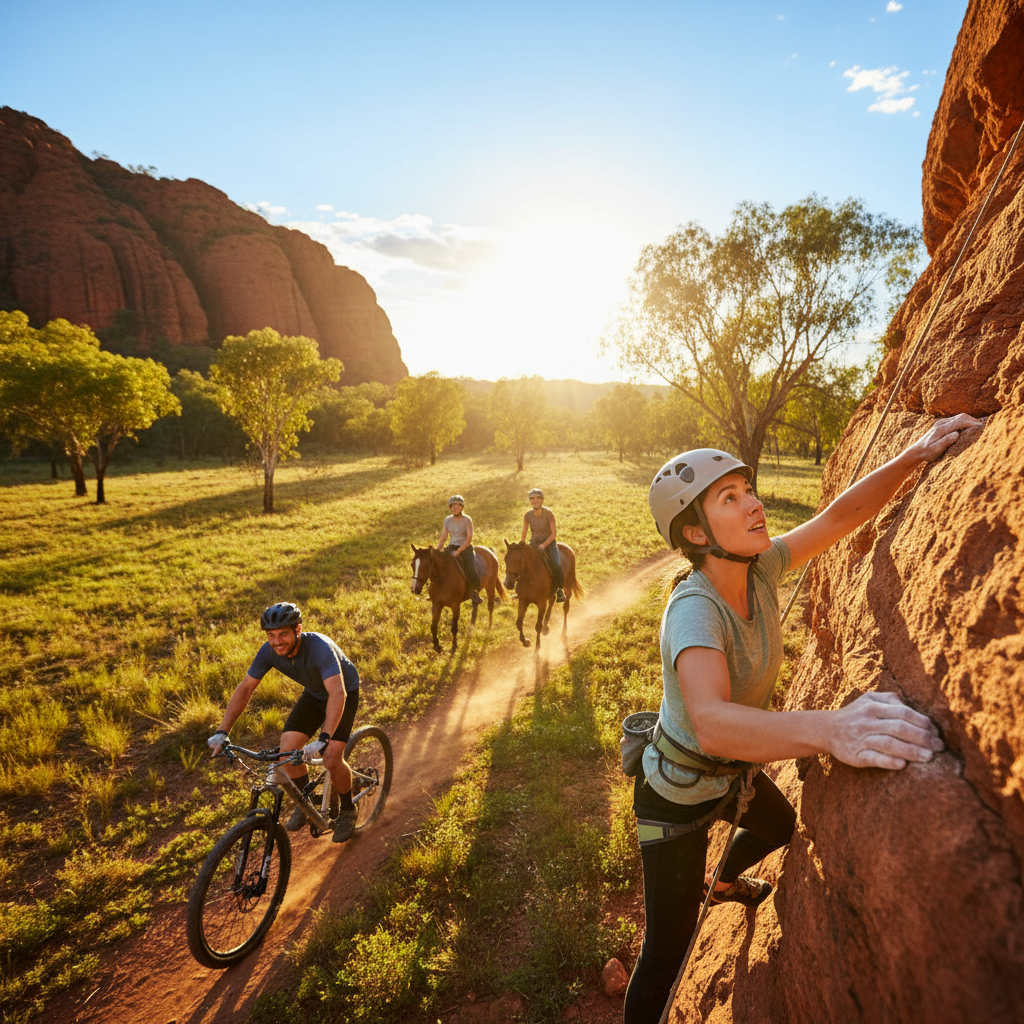
Climbing Helmets: Sun Safety Solutions for Aussies
Australia. Great country, great climbing. But let's be honest, our sun is brutal. Even on cooler days, the UV index can be dangerously high, and a full day out on the rock under that glare can lead to some serious sunburn and long-term skin damage. Your helmet is your primary safety gear for climbing, but is it doing enough to protect you from the elements?
Many climbers focus solely on impact protection and forget about the constant assault from the sun. We're talking about UV exposure to your face, neck, and ears – areas that often don't get covered by your helmet alone.
This isn't about fear-mongering; it's about practical, no-nonsense advice. We're Aussies. We get it. We want to climb hard, climb safe, and avoid looking like a boiled lobster afterwards. Your helmet is crucial for protecting your skull. But what about your skin? Let's look at how to maximise your helmet's effectiveness against the sun, especially during those long Australian climbing days.
The Problem: Australia's Sun and Your Helmet
Think about your average climbing day in Australia. You're often exposed for hours. The sun beats down, reflecting off the rock. You might be belaying, standing around, or climbing routes where your head is tilted back. Your helmet offers some shade, but usually not enough for your eyes, nose, ears, or neck. This leads to:
Sunburn: Painful, immediate, and a risk factor for skin cancer.
Eye Strain: Glare can make it hard to see, affecting your climbing performance and safety.
Heat Exhaustion/Stroke: Prolonged sun exposure, especially when combined with physical exertion, is a dangerous mix.
Premature Skin Ageing: Wrinkles, sun spots – nobody wants that.
Increased Skin Cancer Risk: The big one. Regular, unprotected sun exposure significantly elevates your risk.
Your standard climbing helmet is designed for impacts, not necessarily for comprehensive UV protection. They often have ventilation holes that let in sunlight and don't extend far enough down to shield your face.
Solutions: Enhancing Your Helmet's Sun Protection
Forget slathering on more sunscreen every hour – it washes off, it's messy, and it's not a foolproof strategy. We need a more robust, integrated approach. The best way to combat Australian sun while climbing is to enhance your existing helmet.
1. The Power of a Wide Brim (Attached)
This is where the real game-changer comes in. A helmet brim, specifically designed to attach to your climbing helmet, can dramatically improve your sun protection. We're not talking about a floppy hat perched precariously on top. We're talking about a secure, integrated solution.
An effective helmet brim offers:
Shade for your Face: Directly shields your eyes, nose, and cheeks.
Reduced Glare: Makes it easier to see your belayer, the route, and your surroundings.
Neck Protection: Many designs extend to offer shade for the back of your neck.
Improved Comfort: Less squinting, less direct heat on your head.
Now, not all brims are created equal. You need something that:
Fits Securely: It must not compromise your helmet's stability or impact protection. It shouldn't shift or fall off easily, especially if you take a fall.
Is Lightweight: You don't want extra weight adding to fatigue.
Doesn't Interfere: It shouldn't obstruct your vision or the use of other gear like headlamps.
Is Durable: It needs to withstand the rigours of climbing.
The good news is, solutions are available. Products designed for this purpose can clip or attach firmly to your helmet, giving you that much-needed shade without compromising safety. Check out our range of products specifically designed to enhance your helmet's functionality.
2. Complementary Sun Protection Strategies
While a good brim is your best bet for headwear-based sun protection, it shouldn't be your only strategy. Think of it as the primary defence, with other measures as vital backup.
Sunglasses: Essential for direct sun. Polarised lenses are great for reducing glare on rock. Make sure they fit well and don't interfere with helmet fit.
High SPF Sunscreen: Still important for exposed areas like your hands, arms, and the bit of neck your brim doesn't cover. Reapply as needed, especially after sweating or if you're in and out of the water.
Lightweight, Long-Sleeved Clothing: UPF-rated clothing is your friend. It acts as a physical barrier against UV rays and can help keep you cooler than you might think.
Strategic Planning: If possible, climb during cooler parts of the day. Morning or late afternoon sessions can significantly reduce direct sun exposure. Take advantage of shady areas when resting or belaying.
Attaching Your Brim: A Quick Guide (If Applicable)
Most modern helmet brims, like the ones we offer, are designed for simple integration. They leverage existing attachment points or use secure clips. The key is 'no-tool' installation for convenience and to avoid any modification of your helmet structure.
Here’s a general idea of how it works:
1. Identify Attachment Points: Look for the designated slots or clips on your helmet. These are usually around the front or sides.
2. Align the Brim: Position the brim so it sits correctly over your forehead and sides.
3. Secure the Fasteners: Click, clip, or slide the brim into place as per the product's instructions. Ensure it's snug and feels secure.
4. Test for Stability: Gently shake your head. The brim should remain firmly attached without wobbling or feeling loose.
5. Check for Interference: Put your helmet on with the brim attached. Make sure it doesn't block your peripheral vision or interfere with how the helmet sits on your head.
For specific instructions on how to install your Da Brim helmet brim, refer to our dedicated How to Install page.
FAQ: Your Burning Questions Answered
We get asked a lot about helmet accessories and sun safety. Here are some common concerns addressed:
Will a brim affect my helmet's safety rating?
No, not if it's designed as an accessory for helmets and installed correctly without altering the helmet itself. Our products are designed not to compromise the helmet's primary function. Always follow the installation guide. If in doubt, check our FAQ.
Are they heavy?
Designed brims are typically very lightweight. The added weight is negligible compared to the benefits of sun protection and reduced glare.
Can I use it with a headlamp?
Yes, most designs accommodate standard headlamp attachments, or the brim itself will sit above where a headlamp would go. Check product specifics.
What about rain?
While designed for sun, a brim can offer a small amount of protection from light rain, keeping it out of your eyes.
I already wear a cap under my helmet. Is that enough?
A cap offers some shade, but it's often not enough for full coverage, especially on the sides and neck. Crucially, a cap can interfere with the proper fit and function of your helmet, potentially reducing its impact protection efficacy. A dedicated brim that attaches to the helmet is a much safer and more effective solution.
Table: Helmet Sun Protection Comparison
| Feature | Standard Helmet | Helmet + Brim Attachment |
|---|---|---|
| Impact Protection | Excellent |
| Face Shade | Minimal | Significant |
| Neck Shade | None | Some (design dependent) |
| Glare Reduction | Minimal | Significant |
| UV Coverage | Limited | Enhanced |
| Accessibility | Standard | Requires accessory |
Australian Climbers: Be Prepared
We love climbing in Australia. We love the access to world-class rock. But we can't afford to be complacent about the sun. Long days, high UV, and the reflective nature of rock surfaces mean you're constantly exposed.
Your Sun Safety Checklist for Climbing:
[ ] Climbing helmet with secure brim attachment (highly recommended)
[ ] High SPF sunscreen for exposed skin
[ ] Polarised sunglasses
[ ] UPF-rated long-sleeved sun shirt
[ ] Wide-brimmed hat (for approach/descent, not while climbing)
[ ] Regular hydration (not sun protection, but vital for being outdoors)
Don't wait until you're red-faced and peeling to realise you needed better sun protection. Equip yourself with the right gear. Enhance your helmet's capabilities. Protect your skin. You’ve got a lifetime of climbing ahead of you in this beautiful country – make sure your skin is up to the task.
For more practical tips and gear insights, explore our Blog. Remember, safety on the rock means considering all types of hazards, and in Australia, the sun is a definite one. Grab yourself a helmet brim from our products page and climb on, safely and sun-protected.