
Climbing Helmets: Sun Protection Matters. Don't Get Cooked.
Climbing in Australia means serious sun. Learn how your helmet can actually help you beat the heat and UV, plus essential accessories for extended outdoor sessions.
Climbing Helmets: Sun Protection Matters. Don't Get Cooked.
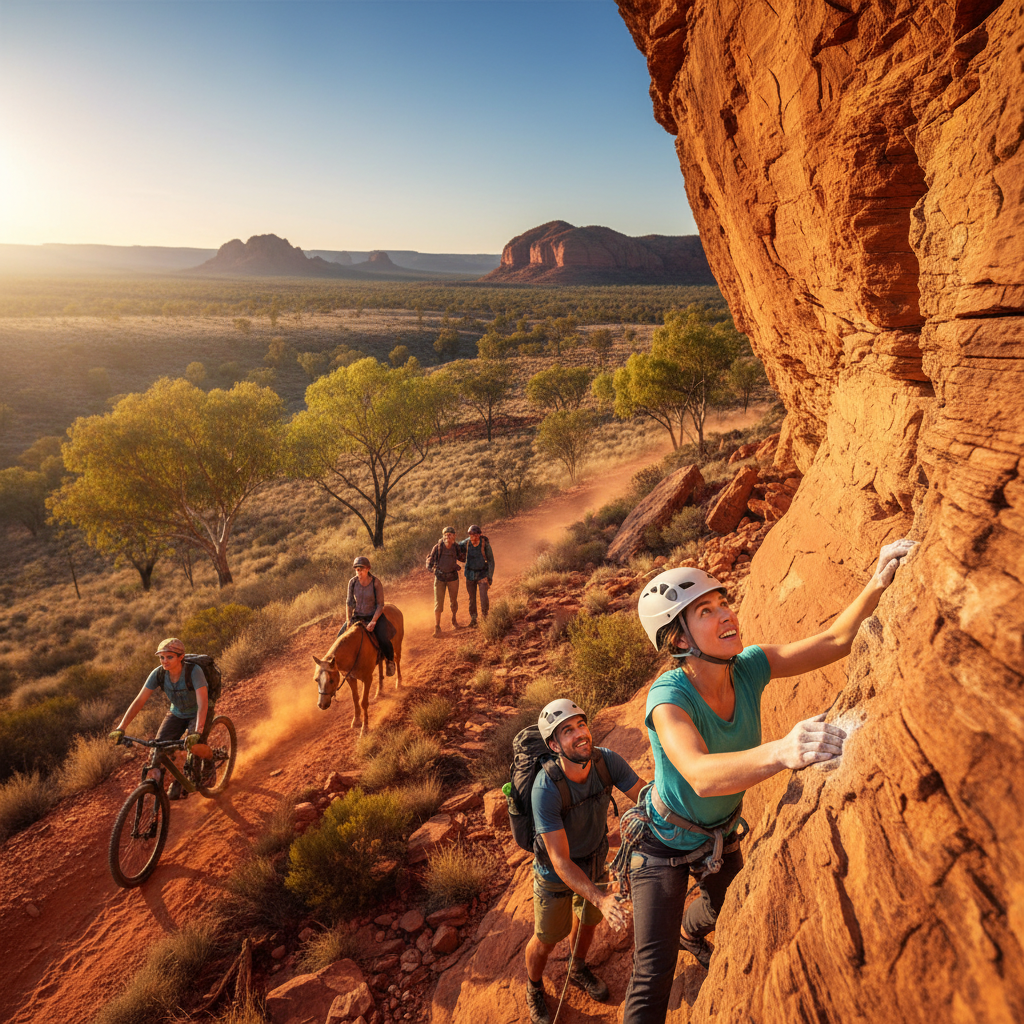
Alright, let's cut the jargon. You're a climber. You're heading outdoors. You're wearing a helmet. Good. Now, let's talk about something most climbers overlook: the sun. Especially here in Australia. We're blessed with incredible climbing locations, but we're also cursed with some of the harshest UV rays on the planet. Long days on the rock mean long days under that blazing sun.
Your helmet is more than just a rock-shield. It's your primary piece of protective gear. But is it protecting you from the sun effectively? Probably not as much as it could be, and that's a problem. We're not just talking about a minor sunburn; we're talking about heat stress, dehydration, and long-term skin damage.
The Sun Problem for Climbers in Australia
Think about it. You're often static on a belay ledge, or you're moving slowly on a route, with your head exposed. That polished scalp under your helmet? That's prime real estate for a serious burn. And it's not just your head. Reflected UV from rock and sand can intensify the exposure to your face, neck, and ears.
Australian UV levels can reach extreme all year round in many regions, not just summer. Peak hours are when you're most likely to be climbing. Even on cloudy days, a significant amount of UV can penetrate. This isn't about being precious; it's about practical self-preservation so you can keep climbing.
Your Helmet: Friend or Foe in the Sun?
Standard climbing helmets, while excellent for impact protection, often have large vents. These vents are crucial for keeping you cool during strenuous efforts or warm days. However, they also let in the sun. That's the trade-off. You get ventilation, but you sacrifice direct UV and sun shielding for your face and neck. Without extra measures, your helmet can become a solar trap, concentrating heat and light.
Common Objections and How to Handle Them:
"It's too much hassle to add anything to my helmet."
Reality: The 'hassle' is minimal compared to dealing with sunstroke or skin cancer. Think about the time it takes to apply sunscreen multiple times a day, especially if you're sweating it off. A good sun-shielding accessory takes seconds to attach and offers constant protection.
"It'll make my helmet too hot."
This is a valid concern. However, the goal isn't to eliminate ventilation. It's to redirect or block direct sun from hitting you. By shading your face and neck, you can actually feel cooler. If you're using a well-designed brim, it won't necessarily smother your helmet's ventilation system.
"It'll look silly/unprofessional."
Are you aiming for a fashion award on the crag, or are you aiming to climb safely and comfortably? Functionality trumps aesthetics here. Plus, many climbers are adapting to better sun protection. What looks 'silly' today might be standard practice tomorrow. Prioritise performance and health.
"I'll just wear a cap under my helmet."
A thin cap might offer some shade but can create a dangerous fit issue. It can interfere with how your helmet sits and how it functions in an impact. It can also trap heat and moisture, making you hotter. It's not a recommended primary solution for sun protection with a helmet.
The Solution: Smart Helmet Accessories
This is where accessories designed specifically for climbing helmets come into play. We're not talking about slapping a gardening hat onto your head. We're talking about functional additions that enhance your helmet's protective capabilities.
The most effective accessory for direct sun management is a helmet brim. This is a piece that attaches to the front, and sometimes sides, of your helmet. Its primary purpose is to extend the shade outwards, shielding your face, eyes, and nose from direct sunlight. Some designs also offer protection for your neck and ears.
What to Look For in a Helmet Brim:
Coverage: How far does it extend? The longer the better for maximum shade.
Attachment System: Is it secure? Easy to put on and take off? Will it stay put during climbing and windy conditions? Look for robust, non-damaging clips or straps.
Material: Is it lightweight? Durable? UV resistant itself?
Ventilation: Does it impede your helmet's existing airflow too much? Good designs work with your helmet's ventilation, not against it.
Compatibility: Does it fit your helmet? Not all brims fit all helmets. Check compatibility before buying.
We developed the Da Brim Helmet Brim specifically for this purpose. It's designed to fit a range of climbing helmets, offering substantial shade to the face and forehead while maintaining airflow. It's a simple, effective way to add a significant layer of sun protection without compromising your helmet's core safety function.
Beyond the Brim: Other Sun Safety Strategies for Climbers
While a helmet brim is your first line of defence against direct sun on your head and face, it's not the only thing you need. Here's a checklist for maximising your sun safety when climbing outdoors, especially in Australia:
Sun Safety Checklist for Climbers:
Wear High SPF Sunscreen: Apply liberally to all exposed skin, including your neck, ears, and the back of your hands. Reapply every two hours, or more often if sweating heavily or swimming.
Protect Your Eyes: Wear high-quality sunglasses with UV protection. Wraparound styles are best to prevent light sneaking in from the sides. Even with a brim, sunglasses are crucial.
Cover Up: Consider lightweight, breathable, long-sleeved UPF-rated clothing. This provides excellent sun protection and can also help regulate body temperature.
Stay Hydrated: Dehydration exacerbates heat stress. Carry plenty of water and drink it regularly, even if you don't feel thirsty.
Seek Shade: Plan your climbing sessions for cooler parts of the day if possible. Utilise natural shade when taking breaks. Your helmet brim will help here too, by shading your resting face.
Inspect Your Gear: Regularly check your helmet for damage, especially UV degradation. Ensure any accessories are securely attached.
Integrating the Da Brim Helmet Brim: A Simple Step-by-Step
Adding sun protection shouldn't be complicated. Our Da Brim Helmet Brim is designed for ease of use.
Step 1: Choose Your Da Brim Model
Visit our Products page and select the appropriate Da Brim model. We have options designed to fit various helmet styles, including popular climbing models. Ensure you select the correct size and fit for your specific helmet.
Step 2: Prepare Your Helmet
Ensure your climbing helmet is clean and dry. Most helmets have a system of clips or anchors around the base and sometimes on the sides.
Step 3: Attach the Da Brim
Refer to our How to Install guide for detailed instructions specific to your Da Brim model. Generally, it involves:
Identifying the attachment points on your helmet (often the retention system). Aligning the Da Brim clips or tabs with these points.
Securing the clips firmly. You'll feel or hear them snap into place or tighten. The brim should feel snug and stable.
Step 4: Test for Stability
Gently tug on the brim to ensure it's securely attached. Give your head a shake. It should not shift or wobble. A properly installed brim will stay put through your climbing activities.
Step 5: Enjoy the Shade
Once installed, you'll immediately notice the difference. Your face will be shielded from direct sun. You can now focus on your climb, not the burning sun on your skin.
Step 6: Removal and Storage
To remove, simply reverse the attachment process. Store your Da Brim in a safe place, out of direct sunlight, to preserve its material for future use. Check our FAQ if you have any specific questions about installation or maintenance.
Beyond the Crag: Extended Outdoor Activities
Climbing isn't the only activity where helmet sun protection is crucial. If you're into mountaineering, construction, forestry, or any activity requiring a helmet outdoors in Australia, the principles are the same. Long hours under the sun demand proactive protection.
Final Thoughts
Don't let the Australian sun dictate how long or how comfortably you can climb. Your helmet is a safety device, and by adding a simple, effective accessory like a Da Brim Helmet Brim, you're enhancing its protective capabilities against the sun. It's a practical, no-fuss solution to a real problem.
Invest in your comfort, your health, and your longevity as a climber. More information and options can be found on our Products page. For any lingering questions, our FAQ section is a great resource. Don't forget to check out our other Blog posts for more climbing and outdoor safety tips.
Stay safe, stay cool, and enjoy the climb.