
Climbing Helmets: Sun Protection is Non-Negotiable
Don't let the Australian sun sideline your climbing. Learn why helmet sun protection is critical and how to get it right.
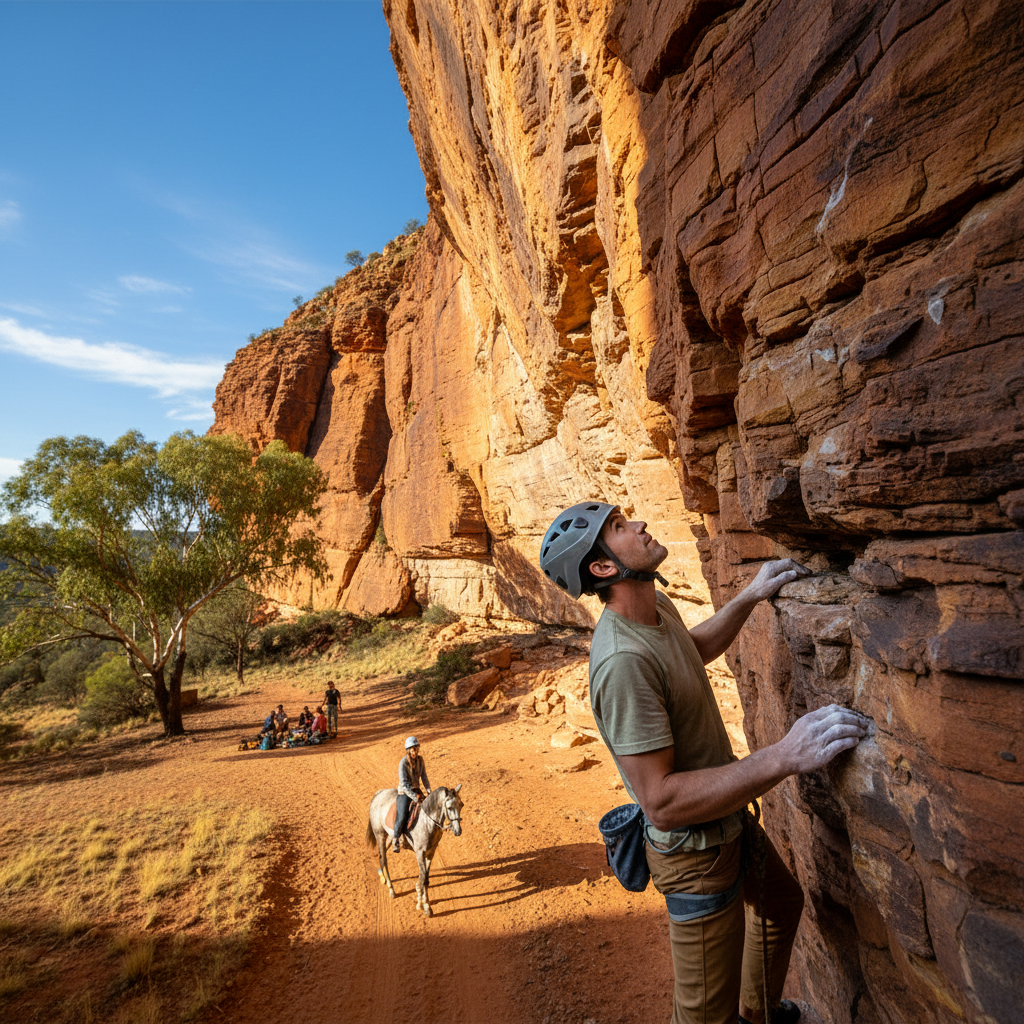
Climbing Helmets: Sun Protection is Non-Negotiable
Let's cut to the chase. You're out there, gripping rock, pushing your limits. You've got the helmet on – smart move. But what about the relentless Australian sun beating down on your head and face? Most climbers think about impact protection, and rightly so. But sunburn, heatstroke, and long-term skin damage are just as real threats, especially when you're spending hours in direct sunlight. Your helmet's job isn't just to stop a rockfall; it should also be protecting you from the very environment you're enjoying.
This isn't about pampering. This is about staying safe, performing better, and coming back for more, day after day. The Australian sun is brutal, with UV indexes that can skyrocket. Long days on the crag mean prolonged exposure. Ignoring sun protection on your helmet is like going climbing without chalk – it's leaving yourself vulnerable.
The Sun's Not Your Friend (When You're Exposed)
Think about it: when you're belaying, or even when you're climbing, your face and neck are often directly exposed to the sun for extended periods. Standard climbing helmets, while great for impact, offer minimal overhead and facial sun coverage. This leads to a few unpleasant realities:
Sunburn: Obvious, right? Red, stinging skin, peeling, and pain. Not ideal when you need to grip or move. And it’s not just your face; your ears and neck are prime targets.
Heat Stress/Heatstroke: A dark helmet absorbs heat. Without adequate ventilation and shade, your head can get dangerously hot. This impairs judgment, causes fatigue, and in severe cases, can be life-threatening.
Long-Term Skin Damage: Repeated exposure without protection significantly increases your risk of premature aging and skin cancers. No summit view is worth that.
Reduced Visibility: Glare from the sun can make it harder to spot holds, assess routes, and communicate with your partner. This is a direct safety issue.
Your Helmet: More Than Just a Hardhat
Your climbing helmet is your primary defence against head injuries. But in Australia, that defence needs to extend to the sun. Standard helmets often have a wide brim at the back to protect from rain or debris, but the front? Usually minimal. This is where smart accessory choices come in.
Why Standard Helmets Fall Short on Sun Protection
Limited Brim Coverage: Most climbing helmet brims are designed for debris, not direct sun. They're often too short or too narrow to shade your face effectively.
Ventilation vs. Sun: While ventilation is crucial for heat management, it can also be a pathway for UV rays to reach your scalp and face.
Comfort Degradation: Sunburn on your face, neck, and ears makes climbing miserable and can impact your focus and performance.
The Solution: Integrated Sun Protection for Your Helmet
This isn't rocket science. You need to add shade to your existing helmet. Fortunately, there are practical, no-fuss solutions designed specifically for this. We're talking about helmet brims that attach securely to your existing helmet, providing much-needed shade.
Types of Helmet Brim Solutions
While some niche helmets might have integrated brims, the most practical and adaptable solution for most climbers is an aftermarket attachment. These are designed to clip or attach to the existing rim of your helmet.
| Feature | Standard Helmet Brim | Dedicated Helmet Brim Attachment | Notes |
|---|---|---|---|
| Sun Coverage | Minimal | Significant | Covers face, nose, and often ears/neck. |
| UV Protection | None | High (depending on material) | Blocks direct UV rays effectively. |
| Glare Reduction | Minimal | High | Reduces squinting, improves visibility. |
| Heat Management | None | Can slightly increase radiated heat, but shade outweighs this. | Focus on shade for comfort and preventing sunburn. |
| Installation | Built-in | Simple attachment | Quick and tool-free for most. |
| Adaptability | Fixed | Retrofit to most helmets | Versatile across different helmet models. |
At Products, we offer solutions designed to integrate seamlessly with your climbing helmet.
Objection Handling: "I Don't Need That."
This is where we get practical and tackle common excuses head-on.
"I wear sunscreen." Great. Sunscreen is a part of the solution, not the whole thing. It washes off, you miss spots, and it doesn't protect against glare or the radiant heat. A brim provides a physical barrier, reducing the need for constant reapplication on your face and neck. Plus, sunscreen in your eyes is a real pain.
"My helmet has a brim." Does it provide adequate shade for your nose, cheeks, and ears when the sun is high or low? Most standard climbing helmet brims are too small for this. If yours is a significant shade-provider, great. If not, consider an upgrade.
"It's too hot/fiddly to add something." Our solutions are designed for speed and ease. Think seconds to attach, not minutes. And the comfort and safety gained far outweigh any perceived fiddliness. Have you ever tried to climb with a blistering sunburn on your nose? It’s fiddly, uncomfortable, and dangerous. Check out our How to Install guide – you'll see it’s straightforward.
"I only climb short routes." Even short routes mean concentrated sun exposure. Belaying takes time. Walking to the crag takes time. The cumulative effect is significant.
"I'll just wear a hat under my helmet." While some opt for a thin cap, this can interfere with helmet fit, compromise safety in a fall, and trap heat. A dedicated brim is a more integrated and safer solution.
Real-World Australian Conditions
Let's be blunt. We live on a continent with a reputation for harsh sunlight. When you're out there, regardless of the season, the UV index can be dangerously high, even on cloudy days. Think about:
High UV Index: Even a moderate UV index demands protection. When it’s high or very high, the risk of sunburn and long-term damage is severe.
Long Days: Sunrise to sunset can be a long time. Whether you're tackling multi-pitch or just enjoying a full day at the local crag, your exposure is prolonged.
Reflection: Rock surfaces reflect UV rays, increasing your exposure. Water bodies can do the same.
Heat: Australia can get incredibly hot. A black helmet amplifies this. Shade is your best friend, and a brim provides portable shade for your face.
How to Ensure Proper Sun Protection with Your Helmet
A helmet brim is a simple tool, but its effectiveness depends on a few things:
Checklist for Helmet Sun Safety
Helmet Fit: Ensure your helmet fits correctly before adding any accessories. A good fit is paramount for impact safety. Refer to your helmet manufacturer's guidelines.
Brim Attachment: Confirm the brim attaches securely. It must not dislodge during climbing or in windy conditions. Our Products are tested for secure fitting.
Coverage Area: Does the brim effectively shade your nose, cheeks, and ears? Adjust or choose a brim that provides adequate coverage for your face shape.
Material: Look for brims made from durable, UV-resistant materials.
Ventilation (Still Important): While adding a brim, ensure it doesn't completely block your helmet's ventilation channels, especially if you're climbing in extreme heat. However, the shade provided by a brim often brings more comfort than slightly reduced airflow.
Step-by-Step: Integrating a Brim for Maximum Sun Protection
Adding effective sun protection to your climbing helmet is simple. Here’s how:
1. Assess Your Helmet: Identify the points where an accessory brim can securely attach. Most climbing helmets have a lip or rim designed for this. If you're unsure, consult your helmet manual or our FAQ.
2. Choose Your Brim: Select a helmet brim designed for climbing helmets. Consider the size and shape of your face and the level of coverage you need. Browse our Products selection.
3. Attach the Brim: Follow the specific instructions for your chosen brim. This usually involves clipping or fastening the brim onto the helmet's rim at the front. It should feel snug and secure.
4. Test for Security: Gently try to wiggle the brim. It should not move freely or feel loose. It must remain firmly attached under normal climbing stresses and potential wind.
5. Check for Coverage: Put the helmet on. Angle your head as if looking up at a route. Does the brim cast a shadow over your eyes, nose, and cheeks? Adjust the brim's position on the helmet rim if possible for optimal shade.
6. Climb On (Protected!): Head out knowing you've significantly boosted your sun defence.
Beyond the Brim: A Holistic Approach
While a helmet brim is a powerful addition to your sun protection arsenal, remember it's part of a bigger picture:
Sunscreen: Still essential for exposed skin (neck, hands, arms).
Sunglasses: Crucial for glare, especially during approach and descent. Look for polarised lenses. Although not part of your helmet, they work in conjunction.
Clothing: Long sleeves, UPF-rated fabrics, and wide-brimmed hats for non-climbing times.
Hydration: Crucial for combating heat.
Timing: If possible, climb during cooler parts of the day or seek shaded routes.
Conclusion: Don't Compromise
Sun protection is not a luxury; it's a necessity, especially in Australian climbing environments. Your helmet is your most critical piece of safety gear. Ensuring it also protects you from the sun is an easy, practical step that pays dividends in comfort, performance, and long-term health. Don't let the sun dictate your climbing days or compromise your well-being. Invest in proper helmet sun protection. Your future skin will thank you.
For more information, check out our FAQ or browse our range of protective accessories at Products. Remember to stay safe and enjoy the climb!
For more tips on climbing safety and gear, visit our Blog.