
Climbing Helmets: Sun Protection is Non-Negotiable
Don't let the Australian sun sideline your climbing. Learn how to keep cool, protected, and focused with the right helmet and accessories.
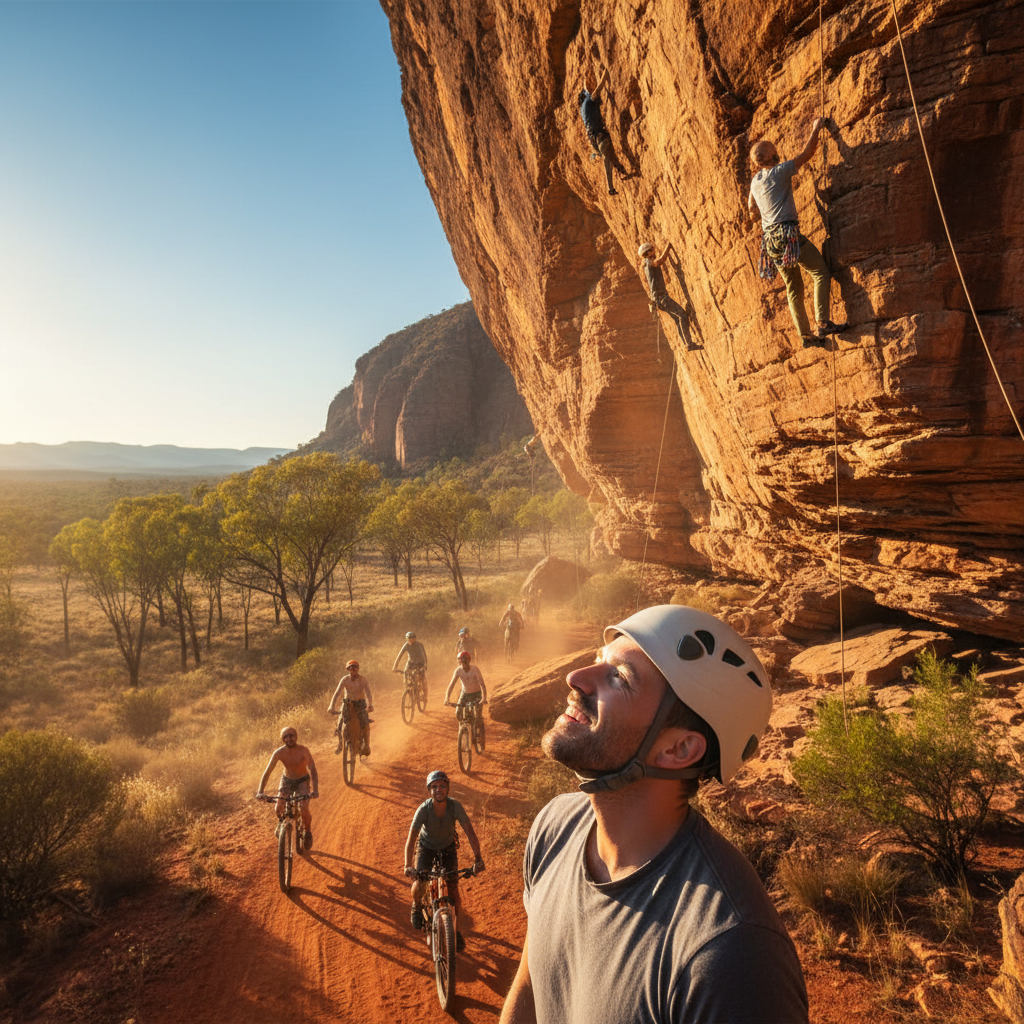
Climbing Helmets: Sun Protection is Non-Negotiable
Climbing is all about pushing your limits, focusing on the rock, and enjoying the Australian outdoors. But let's be honest, the sun here isn't always your friend. Long days out rock climbing mean prolonged exposure to intense UV radiation, and that can lead to more than just a sunburn on your neck. It can impact your vision, your concentration, and ultimately, your safety. Your helmet is your most crucial piece of safety gear, but without proper sun protection, it's only half the job done.
This isn't about looking pretty on the crag; it's about practical, no-nonsense ways to stay protected and perform at your best, even when the mercury is rising and the UV index is high. We've all seen it: climbers squinting, sweat dripping into their eyes, losing focus because they're battling the sun. That's a dangerous distraction. Let's fix that.
The Problem: The Unseen Enemy – UV Radiation and Heat
Australia’s UV index can be lethal. Even on cloudy days, a significant amount of UV radiation penetrates the atmosphere. When you're on a rock face, especially one with reflective surfaces, that exposure is amplified. Your helmet offers crucial impact protection, but the exposed areas – your face, neck, and eyes – are vulnerable.
Think about these real-world impacts:
Eye Strain and Vision Impairment: Glare from the sun will make spotting holds harder. Persistent squinting leads to headaches and fatigue.
Sunburn and Heatstroke: A burned neck is uncomfortable and distracting. Prolonged heat exposure can lead to debilitating heat exhaustion and even heatstroke, a medical emergency.
Tiredness and Reduced Concentration: When you're fighting the sun, you're not fully focused on the climb. This can lead to poor decision-making and an increased risk of falls.
Long-Term Skin Damage: We know the risks of UV exposure. Repeated, unprotected exposure contributes to premature ageing and, more importantly, skin cancer.
Your climbing helmet needs to do more than just protect you from falling rocks and impacts. It needs to be part of a comprehensive sun-protection strategy.
Your Helmet: The Foundation of Protection
Your helmet is designed for impact absorption. Most modern climbing helmets meet stringent safety standards, offering excellent protection against falling debris and head impacts. However, the fit and coverage are crucial, and that's where accessories come into play.
Helmet Fit Isn't Optional
Before we even talk accessories, let's ensure your helmet fits correctly. A poorly fitting helmet is less effective for impact protection and will be a magnet for discomfort, including sun-related issues.
Check the suspension system: It should adjust snugly to your head without being too tight.
Ensure no gaps: The helmet should cover your forehead and the back of your head adequately.
Comfort is key: If it’s uncomfortable, you won’t wear it properly, or you’ll be tempted to take it off – a deadly sin in climbing.
If your helmet isn’t fitting right, it’s time to revisit the basics or consider a replacement. Browse our range of Products to find a helmet that suits your head and your climbing style.
Essential Helmet Accessories for Australian Climbers
This is where we get practical. You've got your helmet, now how do you make it your ultimate sun-fighting tool?
The Brim: Your Personal Sunshade
This might sound obvious, but it's astonishing how many climbers don't optimise their helmet's sun-blocking capabilities. Standard climbing helmets, while offering overhead protection, often leave your face and neck exposed. Adding a dedicated brim is a game-changer.
Purpose-Built Brims: These are designed to extend the coverage of your helmet, casting a shadow over your face, nose, and even your eyes. This significantly reduces glare and direct UV exposure.
Mounting Systems: Look for brims that attach securely and easily to your helmet. Some use clips, others Velcro, and some integrate directly with helmet suspension systems. The key is a robust attachment that won't budge during movement or in windy conditions.
Material Matters: A lightweight, durable material that can withstand being packed and unpacked is ideal.
Our Da Brim helmet brims are designed specifically for this purpose. Easy to attach, they provide substantial shade, keeping your vision clear and your face and neck protected. Learn more on how to install them by visiting our How to Install guide.
Sweat Management: Keeping Your Vision Clear
Sweat dripping into your eyes is a climber's nemesis, especially when the sun is beating down. A sweaty brow can obscure your vision at critical moments.
Internal Sweatbands: Many performance helmets have integrated, removable, and washable sweatbands. Ensure yours is clean and effective. If not, consider if yours can be replaced or if an upgrade is needed.
External Sweatbands: Bandanas or specific sweat-wicking headbands worn under the helmet can absorb a lot of moisture before it reaches your eyes. This is a simple, low-cost solution.
Chin Straps: Keep your chin strap adjusted. A loose chin strap means the helmet can shift, allowing sweat to run down.
Beyond the Brim: Other Sun Protection Layers
Picking the right helmet accessories is only part of the battle. Think holistically about your sun protection.
Sunscreen: Don't Forget the Gaps
Even with a brim, your ears, nose, and the back of your neck are exposed. These are prime spots for sunburn.
High SPF: Use a broad-spectrum sunscreen with at least SPF 50.
Water-Resistant: Choose a sunscreen designed for sports and sweat.
Reapplication: UV rays are powerful, and sweat washes sunscreen away. Reapply every few hours, especially on exposed areas.
Clothing: The Next Layer of Defence
Long Sleeves: Lightweight, breathable, UPF-rated long-sleeved shirts are invaluable for protecting your arms. Many climbing-specific shirts are designed for heat management.
Neck Gaiter/Buff: A lightweight neck gaiter can be pulled up to cover your neck and lower face, offering excellent protection.
Sunglasses: For the Approach and Downtime
While your helmet brim shades your eyes during the climb, you'll still need sun protection for the approach, belay duties, and general downtime.
UV Protection Rating: Ensure your sunglasses block 100% of UVA and UVB rays.
Wrap-Around Style: These offer better protection against glare from the sides.
Integrating Sun Protection into Your Climbing Routine
Sun protection shouldn't be an afterthought. It needs to be part of your pre-climb checklist.
Pre-Climb Checklist (Sun Edition)
[ ] Helmet worn correctly and securely fastened.
[ ] Helmet brim attached and providing adequate shade.
[ ] Sunscreen applied to all exposed skin (face, ears, neck, hands).
[ ] Long-sleeved UPF-rated clothing worn.
[ ] Neck gaiter/buff ready for use.
[ ] Water bottle filled and accessible.
During the Climb
Reapply sunscreen: As soon as you notice it wearing off, or at planned rest points.
Adjust neck gaiter: Pull it up if the sun is directly hitting your neck or face.
Hydrate frequently: Don't wait until you're thirsty.
Post-Climb
Check for sunburn: Early detection and treatment are key.
Rehydrate: Replenish lost fluids.
Common Objections and How to Handle Them
Let's address some reasons why climbers might skimp on sun protection:
Objection 1: "It's too hot with a brim on my helmet."
Reality: While it feels* like more coverage, a good brim actually improves comfort by reducing direct sun on your face, which is a major contributor to heat buildup. It also keeps sweat out of your eyes, improving focus and reducing the need to squint. The materials used in modern brims are lightweight and breathable.
Objection 2: "I'll just wear a hat under my helmet."
Reality: While some people do this, most hats are not designed to be worn under climbing helmets. They can compromise the helmet's fit and impact absorption capabilities. Furthermore, most hats offer minimal protection for the sides of your face and neck. A dedicated brim is far more effective.
Objection 3: "I'm only climbing for a few hours."
Reality: In Australia, a "few hours" in direct sunlight can be more than enough to cause significant UV damage. The UV index can be high even on shorter days. Don't underestimate the cumulative effect of sun exposure.
Objection 4: "Sunscreen is greasy and annoying."
Reality: Modern sunscreens are much less greasy. There are many formulations available, including dry-touch lotions and sprays. The minor inconvenience of applying sunscreen is far outweighed by the risks of prolonged UV exposure and sunburn.
Conclusion: Protect Yourself, Climb Smarter
Your helmet is a critical piece of safety equipment, but its effectiveness against the elements can be significantly boosted with the right accessories. In Australia, sun protection isn't a luxury; it's a necessity for safe and enjoyable climbing.
By incorporating a helmet brim and a comprehensive sun-protection strategy into your routine, you're not just preventing sunburn – you're enhancing your focus, reducing fatigue, and ultimately, making smarter, safer climbing decisions. Don't let the harsh Australian sun compromise your passion. Invest in proper sun protection.
For more information on keeping your gear in top shape and understanding safety, check out our FAQ or explore our Blog for more climbing tips.
Ready to upgrade your sun protection? Browse our selection of essential Products designed to keep you safe and comfortable on the rock.