
Climbing Helmets & Sun: Are You Protected Down Under?
Outdoor climbing in Australia means serious sun. Your helmet is great for knocks, but what about UV? Learn how to protect yourself from sun exposure while keeping your head safe.
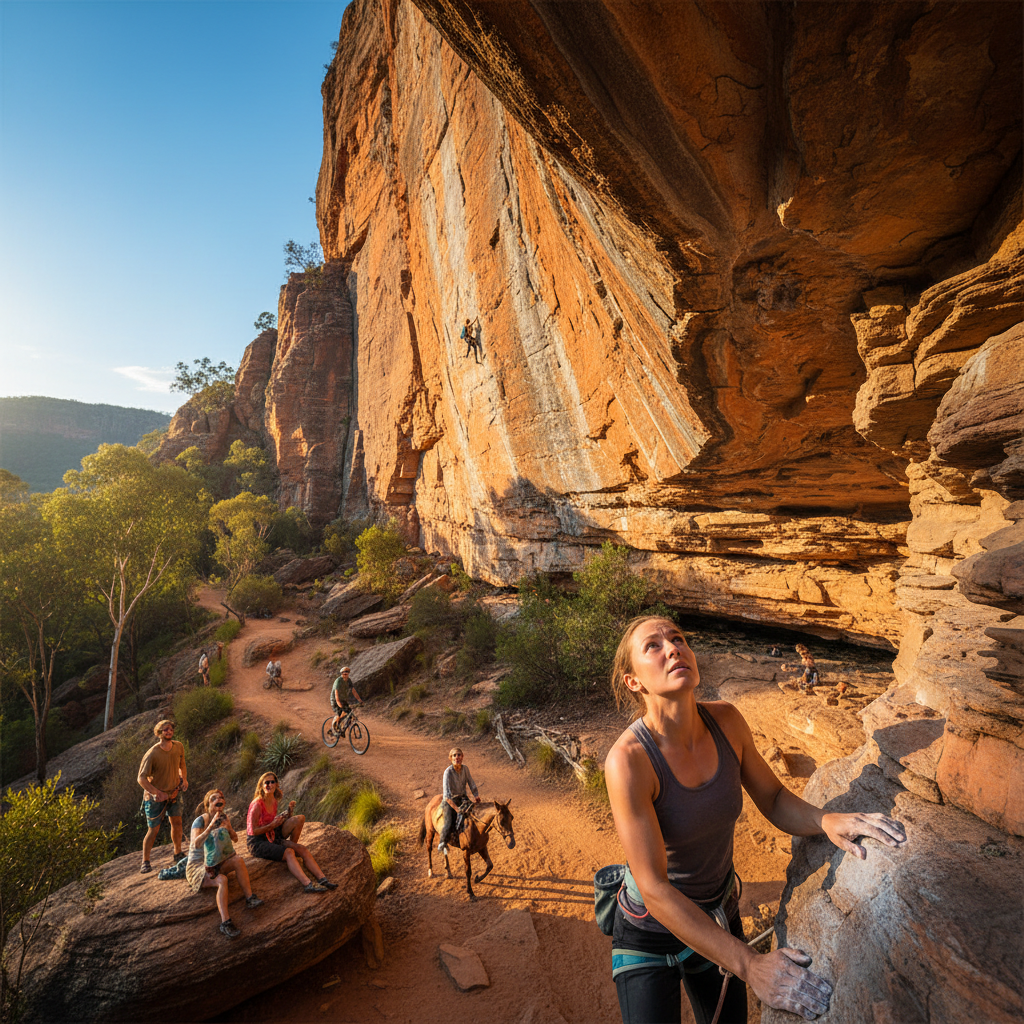
Climbing Helmets & Sun: Are You Protected Down Under?
Australia. It's a climber's paradise. Jagged peaks, endless sandstone, and that unmistakable fierce sun. You've got your helmet on – smart move. It's your shield against falling rock and unexpected head knocks. But what about the sun? That relentless Australian UV can do more than just burn your skin; it can be a silent threat to your long-term health, even when you're focused on the next hold.
This isn't about scaremongering. It's about practical, no-nonsense advice for climbers in our unique environment. We love the outdoors, and we know you do too. But we also know that long days spent on the rock, often in exposed positions, mean significant sun exposure. Your helmet is a crucial piece of safety gear, but on its own, it rarely provides adequate sun protection. Let's talk about the risks and what you can actually do about it.
The Hidden Dangers of Sun Exposure on the Rock
You're likely aware of sunburn. Red skin, peeling, discomfort. Annoying, but often a short-term problem. However, consistent and intense UV exposure, particularly on the head and neck, leads to more serious issues over time. These include:
Premature Skin Ageing: Wrinkles, leathery skin, and sunspots. Not exactly the rugged look you're going for.
Actinic Keratosis: Pre-cancerous skin lesions that can develop into squamous cell carcinoma.
Skin Cancer: Melanoma, basal cell carcinoma, and squamous cell carcinoma. Australia has one of the highest rates of skin cancer in the world. Head and neck areas are particularly vulnerable.
Eye Damage: Cataracts, pterygium (surfer's eye), and other vision problems.
Heatstroke and Dehydration: While not directly UV, prolonged sun exposure exacerbates these risks, especially during intense physical activity.
Think about your typical climbing day. You're often outside from early morning until late afternoon. Even on cloudy days, UV rays can penetrate to a significant degree. And let's be honest, when you're focused on a challenging route, a quick reapplication of sunscreen to your scalp or neck might not be top of mind. The helmet itself, while protecting your head from impact, often offers very little shade.
Why Your Standard Climbing Helmet Isn't Enough Against the Sun
Climbing helmets are designed and tested for impact protection, not UV shielding. Most are ventilated to keep you cool, which is great, but these vents let the sun in. The brim on most climbing helmets is minimal – designed more to keep rain or minor debris off your face. They simply don't provide the coverage needed to protect your scalp, ears, and the back of your neck from direct, prolonged solar radiation.
Consider the Australian context:
High UV Index: Even during winter months, UV levels can be high, especially in elevated or exposed areas. During summer, the UV index frequently reaches extreme levels (11+).
Intense Sun: Our sun is powerful. Hours spent bouldering or sport climbing means cumulative exposure.
Long Daylight Hours: Summer days offer ample climbing time, meaning more hours under the sun.
These factors mean that the sun protection offered by a standard helmet is practically non-existent when it comes to UV rays hitting your exposed skin.
Let's Talk Practical Solutions: Beyond the Basic Helmet
We understand that adding more gear can feel like a hassle. You want to climb, not faff. But being prepared for the Australian sun is as critical as checking your knots. Thankfully, there are effective, straightforward ways to boost your sun protection without compromising your climbing safety or experience.
1. The Sun-Averse Climber's Essential Checklist
This isn't complex. It's about building conscious habits and having the right additions. Here’s what you need to consider before heading to the crag:
[ ] Helmet: Your primary impact protection. Ensure it's well-fitting and certified.
[ ] Extended Brim/Visor Attachment: A key piece to add significant sun coverage for your face, ears, and neck.
[ ] High SPF Sunscreen: For any exposed skin (e.g., face, hands) that won't be covered by your helmet brim.
[ ] Lip Balm with SPF: Lips are easily burnt and prone to skin cancer.
[ ] Sunglasses: Crucial for eye protection, especially during descents or while belaying.
[ ] Sun-Protective Clothing: Long-sleeved UPF rated shirts and long pants/tights are ideal for extended periods of exposure.
[ ] Wide-Brimmed Hat (Optional): For before and after climbing, or for walks to the crag. Not to be worn under your climbing helmet.
[ ] Water: Essential for hydration, which is indirectly linked to heat and sun exposure.
2. The Underestimated Problem: Scalp and Neck Exposure
This is where most helmets fail. The top of your head, your ears, and the back of your neck are prime targets for UV. Imagine the sun beating down directly onto your scalp for hours. Even with hair, UV can reach the skin. And the back of your neck? It’s often completely exposed or only partially covered by the helmet’s minimal rim. This area is particularly susceptible to sunburn and long-term skin damage.
3. Smart Gear: Enhancing Your Helmet's Sun Protection
This is where you can make a significant, practical difference. Adding an extended brim to your existing climbing helmet is a game-changer. Think of it as an upgrade to your sun defence system.
Table: Sun Protection Comparison (Standard Helmet vs. Helmet with Extended Brim)
| Feature | Standard Climbing Helmet | Helmet with Extended Brim Attachment | Practical Benefit for Australian Climbers |
|---|---|---|---|
| Face Shade | Minimal | Significant (cheeks, nose) | Reduces direct sun, glare, and sunburn. |
| Ear Shade | Little to none | Excellent | Protects often-forgotten sensitive skin. |
| Neck Shade | Minimal to none | Good to excellent | Crucial for preventing sunburn and skin damage. |
| Scalp Coverage | None | Indirect (reduces direct overhead UV) | Works in conjunction with other measures. |
| Glare Reduction | Limited | Noticeable | Improves visibility and comfort. |
An extended brim attachment, like the da Brim, is designed specifically to tackle this problem. It’s not a hat, it’s not a visor – it’s a functional addition that integrates with your helmet.
How it Works:
Attachment: These brims are designed for easy, secure attachment to most standard climbing helmets. You don't need to modify your helmet or compromise its integrity. Refer to How to Install for simple instructions.
Coverage: They extend significantly further forward and often sideways than a standard helmet brim. This casts a large shadow over your face, ears, and the critical upper neck area.
Material: Made from durable, UV-resistant materials, they're built to withstand outdoor conditions.
4. Sunscreen Application: The Non-Negotiable Add-On
Even with an extended brim, you still need sunscreen. Why?
Gaps: No sun protection is 100% perfect. UV can still find its way around the edges or through small gaps.
Exposed Areas: Your hands, forearms, and any skin not covered by clothing or the brim require protection. Don't forget your ears and nose if the brim isn't providing full coverage from all angles.
Scalp: If you have thinning hair or a parting, a daily sunscreen application to your scalp is vital. A water-resistant, high SPF (30+) sunscreen is best. Reapplication is key, especially if you're sweating heavily or swimming.
Sunscreen Application Steps:
1. Choose Wisely: Opt for broad-spectrum, water-resistant sunscreen with SPF 30 or higher. Look for formulations that won't sting your eyes.
2. Apply to Exposed Skin: 15-20 minutes before sun exposure, liberally apply sunscreen to all bare skin areas: face, neck (front and back), ears, hands, and any other exposed areas. Don't forget your lips!
3. Scalp and Parting: If your hair is thin or you have a prominent parting, apply sunscreen directly to your scalp. Many people use a spray-on sunscreen for this.
4. Reapply Regularly: Every two hours, and immediately after swimming or excessive sweating. This is where carrying a small tube or spray bottle is essential.
5. Beyond the Helmet: A Holistic Approach
Your helmet and sunscreen are your primary defences on the rock. But consider your overall sun management:
Timing: If possible, climb during cooler parts of the day, especially in summer. Early mornings and late afternoons offer less intense UV.
Hydration: Dehydration makes you more susceptible to the effects of heat and sun. Drink water consistently.
Clothing: UPF-rated long-sleeved shirts and trousers offer excellent protection and can be cooler than you think, especially if they're loose-fitting and breathable.
Spectacles: Invest in good quality sunglasses with UV protection. They reduce eye strain and protect against long-term damage.
Addressing Common Objections
We know climbers are practical. You value efficiency and don't want unnecessary complications. Here are some common concerns and our no-B.S. responses:
"It's too much extra gear."
Response: Think of it as essential safety equipment, just like your harness or shoes. An extended brim attachment is lightweight and integrates seamlessly with your existing helmet. It’s a small addition for significant health benefits. Check out our Products page to see how simple it is.
"It looks silly."
Response: Looking after your long-term health and avoiding potential skin cancer is far more important than a perceived aesthetic. Plus, with the right setup, it looks functional and prepared, not silly. We focus on practicality.
"I'll just reapply sunscreen."
Response: Reapplying sunscreen to your scalp and neck consistently, especially when you're chalked up, sweaty, and focused on a tricky move, is incredibly difficult. An extended brim provides passive, consistent protection that you don't have to think about.
"I only climb in winter."
Response: UV levels are still significant in Australian winters, especially on clear days and at higher altitudes. Don't underestimate it.
"My helmet has a brim already."
Response: As discussed, the brim on most climbing helmets is minimal and offers very little sun protection. It's inadequate for sustained exposure to Australian UV.
Conclusion: Climb Smarter, Climb Safer
Your climbing helmet is non-negotiable for impact safety. But to truly be safe in the Australian sun, you need to augment its protection. Prolonged sun exposure is a serious health risk, and simply not worth the gamble.
By adding an extended brim attachment to your helmet, consistently using sunscreen, and being mindful of other sun protection measures, you can significantly reduce your risk of sunburn, premature ageing, and skin cancer.
Don't let the glorious Australian sun turn into a serious health hazard. Protect your head, your face, and your skin. It’s a small change that makes a massive difference to your long-term climbing adventures. If you have any questions about helmet compatibility or sun protection for climbers, our FAQ is a great resource, or you can always check out our Blog for more tips.
Climb safe, and climb sun-smart.