
Climbing Helmets: Don't Let Your Face Fry in the Aussie Sun
Climbing under the harsh Australian sun? Your helmet protects your head, but your face and neck are still exposed. Learn practical, no-nonsense ways to shield yourself from UV damage and heatstroke.
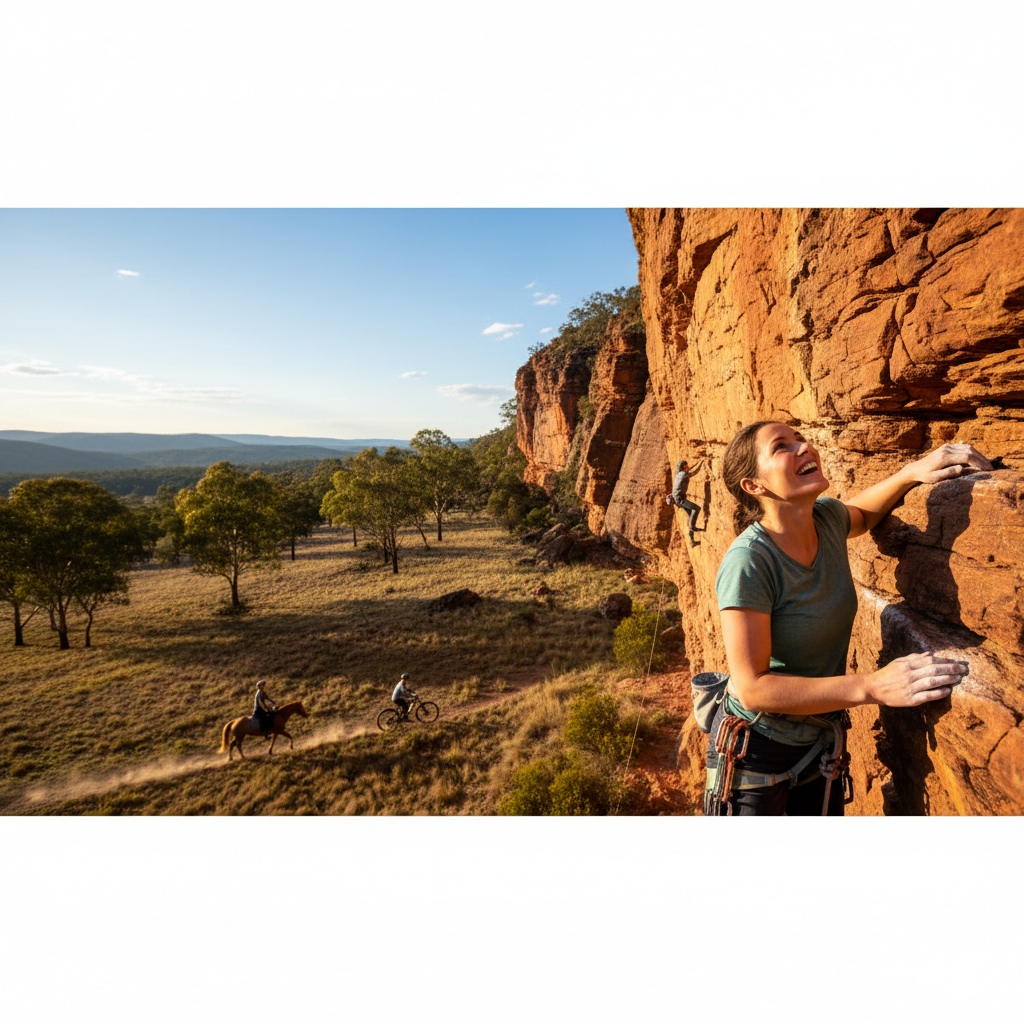
Climbing Helmets: Don't Let Your Face Fry in the Aussie Sun
So, you've got the helmet. Good start. It’s your lifeline when rocks decide to break free or you have a spectacular brain fade (we’ve all been there). But what about everything else? You know, your entire face, those sensitive ears, and that bit of neck that invariably catches the sun?
Australia. It's a cracker of a country for climbing. We've got sandstone, granite, alpine giants, and desert towers. But we also have UV indexes that could fry an egg on a windscreen, heat that makes the air shimmer, and days that seem to stretch on forever. Your standard climbing helmet, bless its hard shell, offers precisely zero protection for your face and neck. Nada. Zilch.
And let's be honest, the excuses are endless. "It'll get in the way." "It'll be too hot." "I'll look ridiculous." "I can just slap on some sunscreen." We're here to cut through the flannel. Sunburn on your face isn't a fashion statement, and heatstroke isn't a badge of honour. It’s just… stupid.
This isn't about looking pretty; it's about being smart, staying safe, and being able to climb for years to come without looking like a wrinkled prune.
The Brutal Reality of Aussie Climbing Conditions
Forget what you think you know about sunshine. Australian UV levels are no joke. Even on a cloudy day, significant UV radiation can penetrate. When you’re out on a multi-pitch route, especially during peak hours (10 am to 3 pm), the sun is relentless. You’re not just getting a bit of a tan; you’re accumulating skin damage that can lead to premature aging, sunspots, and, most importantly, skin cancer.
And then there’s the heat. Dehydration and heatstroke are serious risks. When you’re focused on your next move, it’s easy to forget to drink. Add direct sun exposure to your face and neck, and your body’s core temperature can climb dangerously fast. This impacts your concentration, your physical performance, and can quickly turn a fun day into an emergency.
Don't Just Rely on Sunscreen. Here's Why.
Sunscreen is part of the puzzle, but it’s rarely the whole solution for climbers:
Application is tricky: Getting even coverage on your ears, hairline, and neck, especially when you’re sweating, is difficult. Missed spots are inevitable.
Wears off: Sweat, friction from helmets and clothing, and the simple passage of time mean sunscreen needs constant reapplication. Who wants to take their helmet off mid-climb to reapply?
Doesn’t block physical heat: Sunscreen blocks UV rays, but it doesn’t offer much protection against the direct heat of the sun beating down on your skin.
Eyes are vulnerable: Even with sunglasses, direct sun glare and UV rays hitting the skin around your eyes can cause problems.
Your Helmet is a Platform, Not Just Protection
Think of your climbing helmet as the base. It’s designed to protect your noggin from impact. But with a few simple additions, it can become a comprehensive sun-protection system.
Face and Neck Protection Options: The No-Nonsense Guide
Forget fancy accessories that flap around or obscure your vision. We’re talking practical, durable solutions.
1. Helmet Brims: The Game Changer
This is where your helmet can go from head protection to total head and face protection. A well-designed helmet brim attaches securely to your existing helmet and extends the shade significantly. We're talking about something that casts a shadow over your entire face, down your neck, and even provides some brow protection.
What to look for:
Material: Durable, UV-resistant plastic or flexible, tough polymer. It needs to survive being stuffed in a pack.
Attachment: Secure and easy to attach/detach. No fiddly bits that get lost.
Coverage: Wide enough to cover your face and offer substantial neck shade. Check the dimensions. A few extra centimetres can make all the difference.
Vision: It shouldn't obstruct your upward or peripheral vision. Test it! Can you still see the route above and around you?
Objection Handling:
"It'll look silly." Better to look slightly unconventional and sunburn-free than like a baked tomato.
"It'll fall off." A good brim, like our Products, is designed for a secure fit that won't budge, even in wind or during movement.
"I'll look through it." Again, test it. A well-designed brim will give you shade without impeding your primary view of the rock face.
2. Wide-Brimmed Hats (Under the Helmet? No.)
This is where most people get it wrong. Wearing a wide-brimmed hat under your climbing helmet is a recipe for disaster. It compromises the helmet’s fit and effectiveness. If the hat is too bulky, it will lift the helmet off your head, making it useless in a fall. If it’s thin, it won’t offer much protection anyway.
The Solution: If you want a hat, wear it before and after climbing. During climbing, rely on your brimmed helmet.
3. Neck Gaiters/Buffs: The Versatile Warrior
A lightweight, breathable neck gaiter or buff is invaluable. It keeps the sun off your neck, and you can pull it up over your chin and lower face on particularly brutal days or when the wind picks up.
What to look for:
Material: Light, breathable, moisture-wicking fabric (like merino wool or synthetic blends). Avoid thick cotton.
Colour: Lighter colours will reflect some heat, but dark colours often offer better UV protection. It's a trade-off, but breathability is key.
Versatility: Can it be worn as a neck gaiter, a face mask, a headband, or even a beanie?
Objection Handling:
"It'll be too hot." A lightweight, breathable one won’t make you overheat more than direct sun on exposed skin.
"It'll get in the way." When worn properly around the neck, it stays put. Pulling it up is a conscious action for protection.
4. Long Sleeves and Trousers/Tights: The Obvious But Often Ignored
It sounds simple, but wearing lightweight, UPF-rated long sleeves and trousers is one of the most effective ways to protect your skin. Yes, even in climbing. Modern technical fabrics are designed to be breathable and sweat-wicking, so you don't end up boiling.
What to look for:
UPF Rating: Look for fabric with a high UPF (Ultraviolet Protection Factor) rating (50+ is excellent).
Breathability: Crucial for Aussie conditions. You want air to circulate.
Fit: Not too tight (restricts movement) and not too loose (can snag). Comfortable and functional.
Objection Handling:
"I’ll be too hot." As mentioned, the right technical fabric makes a huge difference. The protection from the sun often makes you feel cooler than being directly exposed.
"It’ll snag on the rock." Choose climbing-specific gear with reinforced panels and a fit that doesn't interfere with your movement. It takes practice to manage your clothing on the rock.
Putting It All Together: A Step-by-Step
Let's assume you’re heading out for a day of climbing on a sunny Australian crag. Here’s how you layer up your sun protection, focusing on your helmet.
Pre-Climb Prep:
1. Select your helmet: Ensure it's in good condition and fits snugly. Check our How to Install guide to make sure your brim is attached correctly and securely.
2. Attach your brim: If you’re using a helmet brim, attach it now. Make sure it's positioned for maximum shade without impeding vision.
3. Apply sunscreen: This is still important for any exposed areas not covered by your brim or neck gaiter. Don't forget behind the ears, tops of thighs if wearing shorts (though we strongly advise against it for climbing), backs of hands, and lips.
4. Don your neck gaiter: Wear it loosely around your neck initially.
5. Dress appropriately: Put on your UPF-rated long sleeves and trousers.
On the Climb:
Helmet: Keep it on. Always.
Brim: Let it do its job. It’s your primary face shield.
Neck Gaiter: As the sun intensifies or you feel the need, pull it up. It can cover your chin, mouth, and nose.
Hydration: Drink water constantly. Don't wait until you're thirsty. Alternate with electrolytes if it’s extremely hot.
Breaks: When taking breaks, find shade if possible. This is also a good time for quick hydration checks, not necessarily sunscreen reapplication unless you’ve had a major sweat-out.
Post-Climb:
Remove gear: Take off your helmet and gaiter. Check for any missed spots that might need a bit more sunscreen or moisture.
Hydrate and recover: Replenish fluids and electrolytes.
Check your skin: A quick self-assessment for any redness or hot spots.
Quick Checklist for Sun Safety:
[ ] Climbing helmet with a securely attached wide brim.
[ ] Lightweight, breathable neck gaiter/buff.
[ ] UPF-rated long-sleeved shirt.
[ ] UPF-rated long trousers or climbing tights.
[ ] High SPF, broad-spectrum sunscreen.
[ ] Lip balm with SPF.
[ ] Plenty of water and electrolytes.
Common Pitfalls to Avoid:
Skipping the brim: Thinking sunscreen is enough is shortsighted.
Wearing a hat under your helmet: Compromises safety.
Underestimating UV: Thinking clear skies = no risk.
Forgetting neck and ears: These are prime sunburn real estate.
Not drinking enough: Heatstroke is no joke.
It's Not About Complaining, It's About Preparing
Climbing in Australia under the sun is a privilege. But it demands respect. Ignoring sun protection is like climbing without a helmet – you’re just waiting for something to go wrong. We build gear like the Products specifically for the realities of outdoor pursuits. Our helmet brims are designed to integrate seamlessly with most standard climbing helmets, offering robust protection without fuss.
Don’t let sunburn, sunspots, or heatstroke cut your climbing adventures short. The best way to preserve your skin and your health for years of climbing is to be proactive, not reactive. Check out our Products for practical solutions, explore our FAQ for more common questions, and read more tips on our Blog to stay informed.
Your helmet is designed to protect your brain. Let's make sure the rest of you is just as well-protected. Stay cool, stay safe, and keep climbing.