
Climbing Helmets Aren't Enough: Protect Your Face and Neck from the Sun
Don't let sun damage cut your climbing sessions short. Learn practical ways to shield your face and neck from harsh Australian UV rays, even when wearing a helmet.
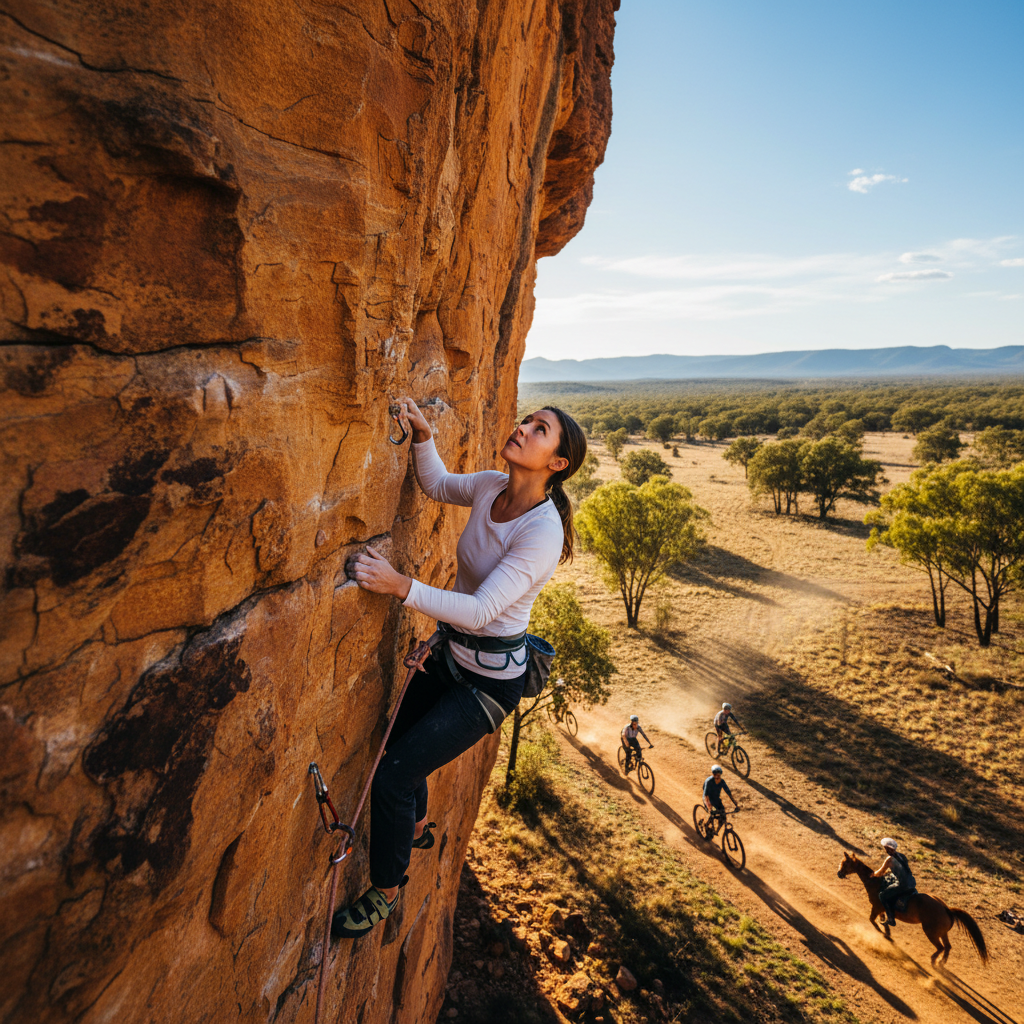
Climbing Helmets Aren't Enough: Shield Your Face and Neck from the Harsh Australian Sun
Australia. Beautiful, iconic, and home to some of the harshest UV radiation on the planet. If you're a climber, you know the drill: long days out, intense physical exertion, and a constant battle against the elements. You’ve got the helmet sorted – that’s essential for impact protection. But what about your face and neck? Relying solely on your helmet for sun protection is a rookie mistake, especially under the relentless Aussie sun.
We’re not talking about a quick trek to the crag. We’re talking about those full-day adventures, the multi-pitch ascents, the desert climbs where the sun beats down from dawn till dusk. The UV index can climb rapidly, even on cloudy days, and the cumulative damage adds up. Ignoring your skin’s vulnerability can lead to premature aging, sunburn, and, most importantly, an increased risk of skin cancer. Let’s get practical and talk about how to properly protect yourself.
The Helmet’s Limitations: Why You Need More Than Just Head Protection
Your climbing helmet is designed to protect your skull from falling debris and impacts. It’s a non-negotiable piece of gear. However, most helmets offer minimal, if any, protection to your face and neck from direct sunlight. The standard visor, if present at all, barely shades your forehead. Your ears, cheeks, nose, and the back of your neck are essentially left exposed to UV rays. This is particularly problematic when you’re looking up at the rock face for extended periods – that’s prime exposure time for your face and scalp edges.
Think about it: when you’re belaying, you’re often looking upwards. When you’re climbing, your head is tilted. The sun's angle shifts throughout the day, and its rays are relentless. Standard sun protection methods, like applying sunscreen, are vital but often insufficient on their own during long alpine days or multi-pitch epics, especially if you’re sweating it off or reapplying is difficult.
Practical Sun Protection Strategies for Climbers
Protecting your face and neck requires a multi-pronged approach. It's about layering your defences so you can focus on the climb, not the burn.
1. The Humble Hat (with a Caveat)
Before helmets became standard, wide-brimmed hats were the go-to. While a good hat is excellent for general outdoor use, it's not always compatible with a climbing helmet. If you're doing approach walks or chilling at the base, a hat is fantastic. But once the helmet goes on, it’s usually out. We'll address helmet-compatible solutions shortly.
2. Sunscreen: Your First Line of Defence
This is fundamental. Use a high SPF (50+) broad-spectrum sunscreen. Apply it generously to all exposed skin at least 15-20 minutes before heading out. Don't forget your ears, the back of your neck, and even your hairline. Reapply every two hours, or more frequently if you’re sweating heavily or swimming.
Tip: Look for a reef-safe, sweat-resistant formula. The last thing you want is sunscreen running into your eyes when you're on a pitch.
3. Sun-Protective Clothing
Long sleeves and pants made from lightweight, breathable, UPF-rated fabric are a game-changer. These clothes act as a physical barrier against UV rays, offering consistent protection that doesn't wear off.
4. The Eyewear Factor
Sunglasses aren't just for looking cool. They protect your eyes from UV damage and glare, which can impair vision. Wrap-around styles offer the best protection, minimising the amount of light that can enter from the sides.
The Helmet Conundrum: Integrating Sun Protection
Here’s where many climbers stumble. How do you combine the essential safety of a helmet with the necessary sun protection for your face and neck?
Solution 1: The Neck Gaiter or Buff
This is a versatile piece of kit. A lightweight, breathable neck gaiter or buff can be pulled up to cover your neck and lower face. Some climbers even wear them under their helmet, using the fabric to cover their ears and the back of their neck. Look for UPF-rated versions for maximum benefit.
Pros: Highly versatile, provides good coverage for neck and lower face, can be wet to help with cooling.
Cons: Can become hot, may not offer enough shade for the upper face.
Solution 2: Wide-Brimmed Hats (Under Certain Conditions)
For approaches or purely recreational climbing where helmet use isn't strictly mandatory (e.g., some bouldering), a wide-brimmed hat is excellent. However, never wear a brimmed hat under a climbing helmet. It's a serious safety hazard, compromising the helmet’s fit and effectiveness. This is a common misconception and a dangerous one. Always refer to your helmet manufacturer’s guidelines.
Solution 3: The Game Changer – Helmet Brim Extensions
This is where innovation meets protection. For climbers, especially those who spend hours exposed to the sun, specialised helmet brim extensions offer a practical and effective solution. These attach directly to your existing climbing helmet, extending the coverage of the brim significantly. This is the most direct and effective way to add shade to your face and the front of your neck without compromising helmet integrity. They’re designed to work with your helmet, not against it.
Pros: Direct facial shade, integrated with helmet for safety, easily deployable, reduces glare, protects against UV.
Cons: Requires purchasing an additional item, needs to be compatible with your specific helmet model.
Integrating Protection: A Practical Checklist
Here’s a quick checklist to ensure you’re covered from the sun before and during your next climb:
[ ] Sunscreen (SPF 50+): Applied generously to all exposed skin 20 mins before sun exposure.
[ ] Reapplication Strategy: Plan for sunscreen reapplication every 2 hours.
[ ] UPF Clothing: Long sleeves and pants for approach and climbing where feasible.
[ ] Headwear: A wide-brimmed hat for approaches/downtime (NOT under helmet), or a neck gaiter/buff for under-helmet use.
[ ] Eyewear: Sunglasses for approach and downtime.
- [ ] Helmet Brim Extension: Consider for prolonged sun exposure during climbs.
Choosing the Right Protection: A Quick Comparison
| Protection Method | Face Shade | Neck Shade | Helmet Compatibility | Ease of Use | Australian Conditions Suitability |
|---|---|---|---|---|---|
| Sunscreen | Moderate | Good | Excellent | High | Essential, but needs reapplication |
| UPF Clothing | N/A | Excellent | Good | High | Excellent, especially for long days |
| Neck Gaiter/Buff | Low | Good | Good | High | Good, can help with cooling |
| Helmet Brim Extension | Excellent | Low | Excellent | High | Excellent for direct facial shade |
Step-by-Step: Deploying Your Sun Defences
On a typical climbing day in Australia, here’s how you might deploy your defences:
1. Pre-Climb Application (Home/Car): Apply broad-spectrum SPF 50+ sunscreen liberally to your face, neck, ears, and any other exposed skin. Put on your UPF-rated long-sleeved shirt and pants.
2. Approach Walk: Wear your wide-brimmed hat and sunglasses. If it’s scorching, consider a neck gaiter pulled up over your lower face.
3. At the Crag (Pre-climb Prep): Remove your hat. If you're using a helmet brim extension, attach it now to your helmet (How to Install). Place your helmet on. If not using an extension, pull up your neck gaiter or ensure your collar is up.
4. During the Climb: Your helmet with an extension provides direct facial shade. The UPF clothing covers your arms and body. Your sunscreen protects other exposed areas. Keep an eye on the time for sunscreen reapplication during belay swaps or rests. If you're sweating heavily, consider a quick reapplication to your face if possible.
5. Downtime/Belay: If you have a moment, reapply sunscreen. Keep sunglasses handy for when you're not climbing.
6. Post-Climb: Sunscreen may be washed off, so reapply if you're still in the sun. Hydrate!
Beyond the Climb: Long-Term Skin Health
Think of sun protection when climbing not just as discomfort prevention, but as a long-term health strategy. The damage from a single bad sunburn can compound over years. Regular checks of your skin for any new or changing moles are also crucial. If you're spending a lot of time outdoors, consulting a dermatologist is always a good idea.
Making the Smart Choice for Australian Climbers
Don’t let the sun dictate your climbing limits or compromise your health. Implementing a comprehensive sun protection strategy is not about being precious; it’s about being smart, practical, and committed to enjoying the outdoors safely and for the long haul. We understand the need for robust gear that doesn't compromise safety or performance. That’s why we’ve developed solutions like our helmet brim extensions. They are designed to integrate seamlessly with your existing climbing helmet, providing that crucial extra shade without any fuss.
Explore our range of Products to find the right additions to your climbing kit. We’ve got answers to common questions on our FAQ page. For more tips and insights into outdoor adventure, check out our Blog.
Stay safe, climb hard, and enjoy the Australian outdoors without the burn.