
Climbing Helmets and Sun Exposure: Your Essential Australian Guide
Don't let the Australian sun dictate your climbing sessions. Learn how to protect yourself from UV damage and heatstroke while wearing your helmet, with practical tips and essential gear.
Climbing Helmets and Sun Exposure: Your Essential Australian Guide
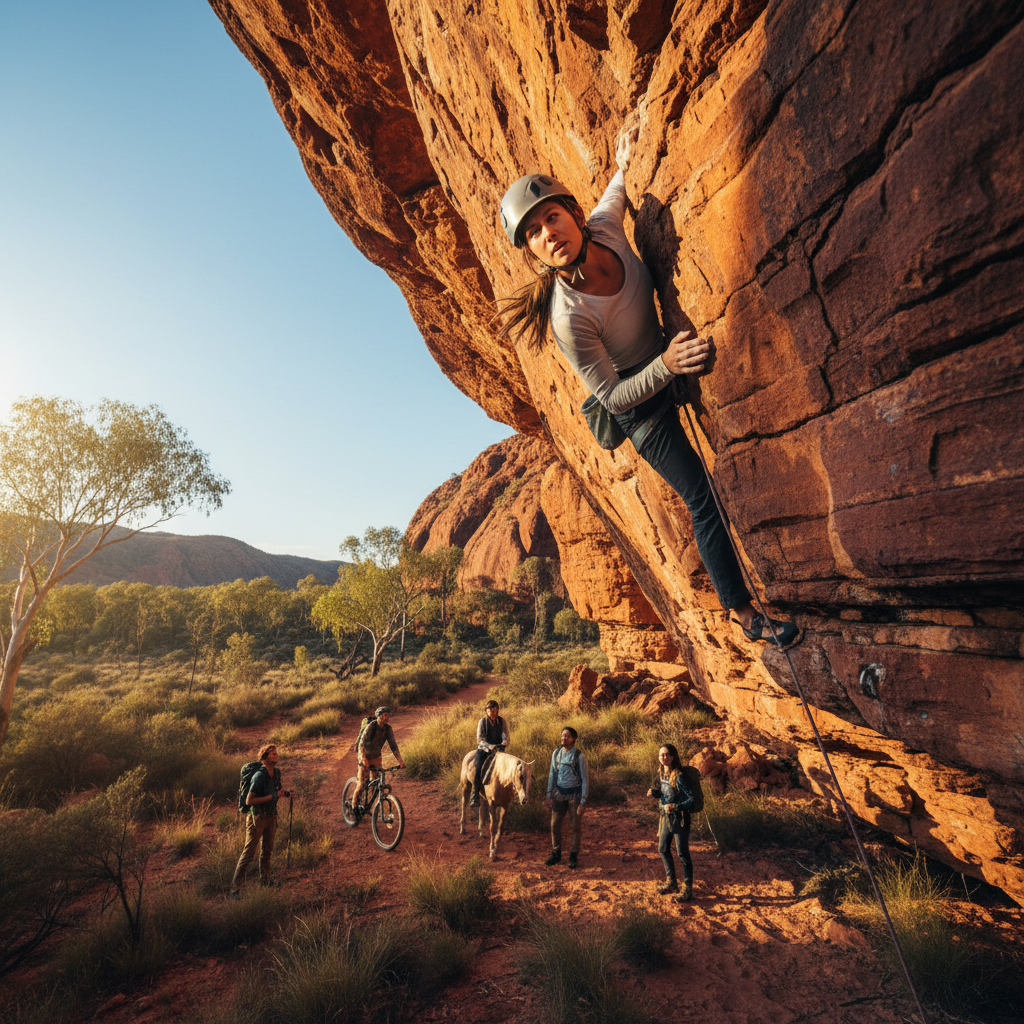
Australia is a climber's paradise. From the iconic Grampians to the rugged coastlines, we’re blessed with incredible rock formations and year-round climbing opportunities. But let’s be honest, the same sun that fuels our adventures can also be a serious hazard, especially when you're focused on your next move and your helmet is your primary safety tool.
This isn't about fear-mongering; it's about practicality. You're already wearing a helmet. That's smart. But are you protecting yourself from the sun's relentless rays while you’re wearing it? Most climbing helmets offer minimal sun protection by default. This is a problem, especially in Australia where the UV index can soar well beyond dangerous levels, even on cloudy days. Long climbing days mean prolonged exposure. High heat means increased risk of heatstroke.
Your helmet is designed for impact protection. It’s not designed to be a wide-brimmed hat. And while you could theoretically take it off for a bit of shade, that defeats the entire purpose of safety. So, how do you reconcile climbing safety with sun safety in our unique Australian conditions?
The Silent Threat: UV Radiation and Australian Conditions
We all know the sun is strong here. But let's break down why it's a bigger deal for climbers, particularly in Australia:
High UV Index: Australia consistently records some of the highest UV levels in the world. The UV Index can reach 11 or higher (Extreme risk) during peak sun hours, particularly in summer. This is regardless of temperature. Even if it feels cool, the UV rays are damaging.
Long Climbing Days: Ascents can take hours. Add in approaches, descents, and breaks, and you're looking at significant cumulative sun exposure. Your head and neck are particularly vulnerable.
Reflective Surfaces: Rocks, sand, and even water bodies reflect UV rays, increasing your overall exposure, even if you’re partially shaded.
Altitude (in some areas): While not as pronounced as in major mountain ranges globally, some Australian climbing locations offer higher elevations where UV radiation is stronger.
Heatstroke: Beyond UV damage, direct sun on exposed skin, combined with physical exertion, can lead to dehydration and heatstroke. Symptoms can range from dizziness and nausea to confusion and collapse – conditions nobody wants to experience while thousands of feet up or on a tricky descent.
Common Objections & Why They Don't Cut It
I've heard it all. When it comes to adding sun protection to a climbing helmet, people think:
"My helmet has a brim." – Most climbing helmets have a tiny brim, barely enough to shield your eyes, let alone your face, ears, and neck. It's designed to protect from falling debris, not intense UV.
"I'll just wear a hat under my helmet." – This is a dangerous practice. A hat often compromises the fit and effectiveness of your helmet. It can prevent the helmet from sitting correctly, meaning it might not offer optimal protection in a fall. It can also trap heat, increasing the risk of heatstroke.
"I only climb in the shade / early morning / late evening." – While smart strategy, weather and conditions can change. Plus, even in the shade, UV rays can penetrate. And what happens when you need to traverse into a sunnier section or the shade moves?
"I'm tough. I tan easily." – Sunburn and long-term skin damage aren't about toughness; they're about cumulative damage. Tanning is a sign of skin injury. Repeated exposure increases the risk of skin cancer, including potentially deadly melanomas.
"It's too much hassle to add something." – The hassle of dealing with severe sunburn, heatstroke, or skin cancer down the line is infinitely greater.
The Solution: Enhancing Your Climbing Helmet for Sun Protection
Your helmet is your critical piece of safety gear. We're not about compromising that. The most practical, effective, and safe solution is to add a dedicated sun brim to your existing helmet. Think of it as upgrading your helmet's functionality without affecting its core safety features.
Introducing the DA BRIM® Helmet Brim
This is where gear designed for purpose comes in. The DA BRIM® is specifically engineered to attach securely to most standard climbing helmet ventilation holes. It’s not a flimsy add-on; it’s a robust solution.
Extensive Coverage: Unlike your helmet's built-in brim, the DA BRIM® extends forward, downwards, and sideways, offering significant shade for your face, ears, and neck.
Secure Attachment: It uses a patented system that latches onto your helmet's vents, ensuring it stays put during your climb, even in windy conditions or after a fall. No drilling, no permanent modifications needed.
Heat Management: While it provides shade, it doesn't block essential airflow through your helmet's vents. This helps keep you cooler than wearing a hat underneath, reducing heatstroke risk.
UV Protection: The material itself is designed to block harmful UV rays, adding an extra layer of protection beyond just providing shade.
Australian Conditions Tested: Designed by Australians for Australian conditions, it's built to withstand our harsh sun and tough outdoor environments.
Thinking about compatibility? Most modern climbing helmets have ventilation holes spaced appropriately for this kind of attachment. It's a simple, effective upgrade.
Table: Sun Protection During Climbing
| Risk Factor | Traditional Helmet | Helmet with DA BRIM® | Why It Matters |
|---|---|---|---|
| UV Exposure to Face/Neck | Low | High | Protects against sunburn, premature aging, and skin cancer. |
| Heatstroke Risk | Moderate (can trap heat) | Low (maintains airflow) | Direct sun on the head contributes to overheating. More shade, less direct sun = cooler climber. |
| Eye Strain | Minimal | Significant | Reduces glare, allowing for better focus on the rock and surroundings. |
| Compatibility | N/A | High | Attaches securely without compromising helmet integrity. |
| Practicality | Requires separate hats/sunscreen | Integrated solution | One less thing to worry about, easy to attach/detach. |
Step-by-Step: Installing Your DA BRIM®
Worried it's complicated? It's not. Most users find the installation straightforward.
1. Identify Ventilation Holes: Look at your climbing helmet. You'll see standard ventilation openings. The DA BRIM® is designed to clip into these.
2. Test Fit: Before fully securing, position the DA BRIM® over the front of your helmet, aligning its attachment points with the chosen ventilation holes. Ensure it doesn't interfere with any other helmet features like headlamp clips.
3. Engage Latches: Most DA BRIM® models use a simple latching mechanism. Push firmly until you feel or hear a click, indicating the brim is securely attached to the helmet's ventilation structure.
4. Confirm Security: Gently tug on the brim to ensure it's firmly locked into place. It should not slide or detach easily with normal use.
5. Adjust for Comfort: Ensure the brim doesn't obstruct your vision or feel uncomfortable against your forehead or face. Minor adjustments might be possible depending on the DA BRIM® model and your helmet's shape.
For detailed instructions specific to your DA BRIM® model, always refer to the product's accompanying manual or our detailed How to Install guide. It’s designed to be incredibly user-friendly.
Your Sun Safety Checklist for Climbing
Here’s a quick rundown to ensure you’re covered, literally:
Mandatory: Climbing Helmet: Properly fitted and certified.
Enhancement: DA BRIM® Helmet Brim: Attached securely for maximum sun and UV protection.
Clothing: Long sleeves and pants made of lightweight, breathable, UPF-rated fabric.
Sunscreen: Apply broad-spectrum SPF 30+ sunscreen to any exposed skin not covered by clothing or the brim (e.g., back of hands, back of neck if you have a gap).
Hydration: Carry plenty of water and drink regularly, even if you don't feel thirsty.
Sunglasses: Essential for approaches, descents, and rest stops when your helmet might be off or the brim isn't providing enough coverage for your eyes.
Hat for Off-Helmet Use: A wide-brimmed hat is great for the campsite or rest spots, but never wear it under your climbing helmet.
Check UV Index: Be aware of the daily UV forecast.>
Seek Shade Strategically: Plan rests in shaded spots when possible.>
- Listen to Your Body: Recognize the early signs of heat exhaustion and dehydration.
Final Thoughts
Climbing in Australia offers unparalleled experiences. Don’t let sun damage or heatstroke cut your adventures short or, worse, lead to serious health issues. Your helmet is your primary safety device. Enhancing it with a DA BRIM® Helmet Brim is a practical, effective, and safe way to extend that protection into the crucial realm of sun and UV safety.
It’s about making smart choices for the long haul. Protect your skin, protect your eyes, and stay focused on the climb. For more information on our products and how they can help you stay safe and comfortable outdoors, check out our Products page. If you have specific questions about helmet compatibility or usage, our FAQ section is a great resource. And for more climbing and outdoor safety tips, visit our Blog.
Stay safe, climb hard, and enjoy the climb, whatever the weather.