
Climbing Helmet Sun Protection: Shield Your Skin, Hit the Shards
Climbing in Australia means serious sun. Learn how to protect your face and neck from harmful UV rays while wearing your helmet. Practical tips for climbers.
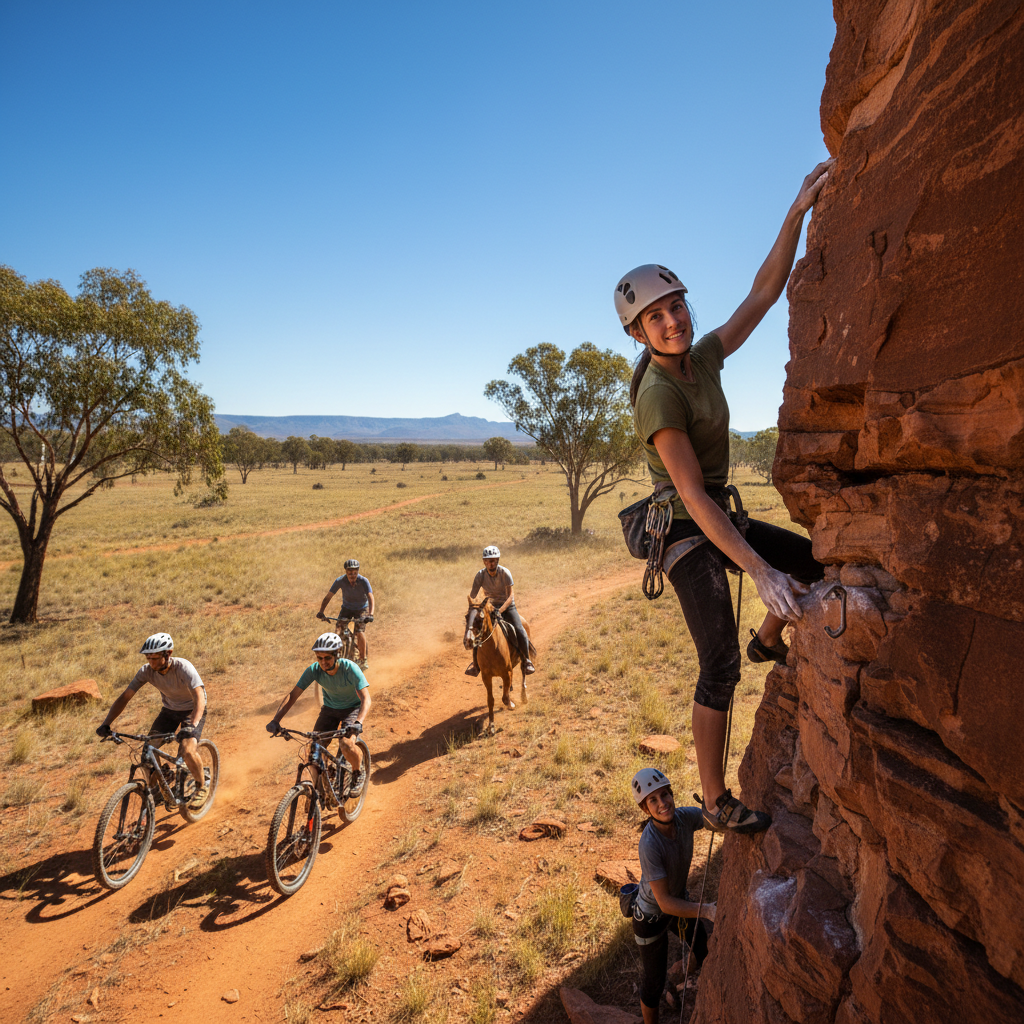
Climbing Helmet Sun Protection: Shield Your Skin, Hit the Shards
Let's be honest, when you're focused on the next hold, the thought of sunscreen might be the last thing on your mind. But here in Australia, where the sun can be relentless, neglecting sun protection while climbing is a fast track to a painful sunburn, premature aging, and a significantly increased risk of skin cancer. You've invested in a helmet for head protection – why not extend that to your vulnerable face and neck?
This isn't about fussy fashion statements. It's about practical, no-nonsense ways to keep your skin safe, allowing you to focus on the climb, not the burn. We’re talking about long days out, intense UV indexes, and heat that saps your energy – all amplified by direct sun exposure. Your helmet is a crucial piece of gear, but its inherent design often leaves your face and neck exposed.
The Problem: Why Your Helmet Isn't Enough
Most climbing helmets are designed for impact protection, not shade. They have vents to keep you cool, which is vital, but these also let in punishing sunlight. Even with sunscreen, reapplying can be a hassle, especially when you're mid-route or have chalked-up hands. And let's face it, sunscreen often feels greasy, runs into your eyes, and doesn't offer continuous protection throughout a long day.
Consider these common scenarios:
Long approaches: You're hiking to the crag, often in the brightest part of the day, with your helmet on and your face and neck baking.
Multi-pitch climbs: Hours spent on the wall mean prolonged exposure. Every pitch is another opportunity for the sun to do damage.
Belaying: Often a static position, you're usually facing into the sun, directly under its harshest rays.
Chalk dust and sweat: These can mix with sunscreen, making it less effective and irritating your skin.
The consequence? Red, peeling skin, sunspots, wrinkles, and a higher lifetime risk of melanoma. It's a gamble that's simply not worth taking.
The Solution: Extend Your Helmet's Coverage
The most effective way to shield your face and neck from the sun, while still wearing your climbing helmet, is to add a brim. This isn't about bulky hats that interfere with helmet fit. It’s about smart, integrated solutions.
Introducing the DA BRIM
This is where a helmet brim attachment comes in. The DA BRIM is designed to securely clip onto most standard climbing helmets, instantly extending the shade over your face and down your neck. It’s lightweight, durable, and built for outdoor use.
Benefits of a DA BRIM for Climbers:
Superior Shade: Provides significant shade for your entire face, including your ears and the bridge of your nose.
Neck Protection: The extended rear of the brim shields the back of your neck, a common and often forgotten area for sunburn.
UV Reduction: Blocks a substantial amount of harmful UV radiation from reaching your skin.
Reduced Glare: Helps improve visibility by reducing direct sunlight hitting your eyes.
Durability: Made from robust materials designed to withstand the rigours of climbing.
Easy to Use: Attaches and detaches quickly.
Comfort: Designed not to interfere with your helmet's fit or ventilation.
This is a practical upgrade, not a gimmick. It solves a real problem for Australian climbers who spend time outdoors.
Overcoming Objections: What About...?
We get it. You might have reservations. Let’s address some common ones:
“Will it fall off?” The DA BRIM is engineered with a secure attachment system designed to grip your helmet firmly. It won’t budge during strenuous activity. We’ve tested it extensively to ensure it stays put, even when you’re upside down or scrambling.
“Will it get in the way when I’m climbing?” The design prioritises a low profile. It's shaped to allow for a full range of motion and won’t impede your vision or snag on rock or gear. Unlike a wide-brimmed hat, it integrates with your helmet, becoming a functional extension of your protective gear.
“Is it heavy?” It’s incredibly lightweight. You’ll barely notice it’s there, but you’ll definitely notice the difference in sun protection. The added weight is negligible compared to the benefits.
“Will it make my helmet too hot?” While it adds a layer of shade, it doesn't block your helmet's vents. The primary cooling function of your helmet is maintained, and the shade significantly reduces the direct solar load on your head and face, which can actually make you feel cooler overall.
“I already wear sunscreen.” Great! Sunscreen is essential. But it’s not infallible. Reapplication is tricky mid-climb, and it can wash off with sweat. A brim provides a constant, passive layer of protection that complements your sunscreen routine. Think of it as a crucial first line of defence.
“It looks a bit silly.” Climbing is about performance and safety. If a bit of extra shade helps you climb longer, stronger, and with less risk of sun damage, then function trumps fleeting fashion. Besides, healthy skin is always in.
Practical Application: Integrating a DA BRIM
Using a DA BRIM is straightforward. The core idea is that it attaches to your helmet, not instead of it.
How to Install Your DA BRIM
It's designed to be quick and easy. For detailed instructions, always refer to our dedicated How to Install guide. Generally, it involves:
1. Identify Attachment Points: Locate the compatible slots or channels on your climbing helmet’s rim.
2. Align the Brim: Position the DA BRIM’s clips or connectors with these points.
3. Secure the Fit: Firmly press or slide the brim into place until it clicks or feels snug and secure.
4. Test for Stability: Gently tug and ensure it's attached robustly and won't shift during activity.
It takes less than a minute. Once attached, it’s ready for action. We offer various styles to suit different helmet designs. Browse our Products to find the best fit for your gear.
Daily Checklist for Sun-Safe Climbing
Before you head out for a climb in the Australian sun, mentally run through this quick checklist:
[ ] Helmet Check: Is your helmet properly fitted and in good condition?
[ ] Brim Attachment: Is your DA BRIM securely attached to your helmet?
[ ] Sunscreen Applied: Face, neck, ears, and any exposed skin?
[ ] Hydration: Water bottle filled and easily accessible?
[ ] Eyewear: Sunglasses (if appropriate for the crag and activity)?
[ ] Lip Balm with SPF: Don't forget your lips!
This simple routine ensures you’re prepared for the conditions.
When is it Essential?
Frankly, in Australia, it's essential almost all the time you're outdoors during daylight hours. But let’s highlight specific scenarios where a DA BRIM is particularly beneficial for climbers:
High UV Index Days: When the UV Index is forecast to be 3 or higher (which is most days in many parts of Australia), every bit of protection counts.
Open Faces and Big Walls: Extended exposure on rock faces with minimal natural shade.
Desert Climbs: Areas like the Grampians or the Flinders Ranges can have intense, direct sun with little relief.
Summer Months: December to February in Australia are peak times for solar radiation.
Midday Climbing: Climbing between 10 am and 3 pm, when the sun is at its strongest.
Alpine Climbs (Summer): Even at higher altitudes, UV is intensified.
Maintaining Your Gear
Like all your climbing equipment, your DA BRIM needs a little care. After a dusty or sweaty session, a quick wipe-down with a damp cloth is usually sufficient. Avoid harsh chemicals. Store it with your helmet, protected from excessive heat and UV when not in use. This ensures its longevity and continued effectiveness.
Beyond the Brim: Other Sun Protection Tips
While the DA BRIM is your primary tool for helmet-integrated sun protection, remember these are complementary strategies:
Sunscreen: Always have a broad-spectrum sunscreen (SPF 30 or higher) and reapply as needed, especially after sweating. Consider zinc-based formulas for extra physical barrier protection.
Hydration: Dehydration makes you more susceptible to sunburn and heatstroke. Drink plenty of water throughout the day.
Timing: If possible, plan your climbing sessions for early morning or late afternoon to avoid the harshest midday sun.
Clothing: Wear lightweight, sun-protective clothing where possible, especially during approaches and descents.
Don't Forget Your Neck: This is where the brim excels, but an extra effort with sunscreen or a neck gaiter is still a good idea.
Frequently Asked Questions
We often get asked about the nuances of using a brim with a helmet. For a comprehensive list, check out our FAQ page. Here are a couple of common ones:
Q: Will the brim cause my helmet to slip?
A: No, if attached correctly. The DA BRIM is designed to work with the helmet shell, not against its fit. The weight is minimal, and the secure attachment system ensures it remains stable.
Q: Can I use this with any climbing helmet?
A: The DA BRIM is designed to fit a wide range of popular climbing helmets. We recommend checking our Products page for compatibility notes or consulting our FAQ for more details.
Conclusion: Climb Smarter, Not Harder
Climbing in Australia is an incredible experience. Don't let sun damage cut your climbing days short or compromise your long-term health. A helmet brim attachment like the DA BRIM is a simple, effective, and practical solution to protect your face and neck from the harsh Australian sun. It’s an upgrade to your existing safety gear that pays dividends in comfort and skin health.
Invest in your skin. Extend your helmet’s protection. Focus on the climb.
Ready to shield your face and neck? Explore our range of helmet brims at Products and get ready for your next sun-safe adventure. For more tips and updates, visit our Blog.