
Climbing Helmet Brim: Your Crucial Sun Defence
Climbing exposes you to intense UV. Learn how to properly protect your face and neck with a helmet brim, especially under harsh Australian sun. Practical advice for climbers.
Climbing Helmet Brim: Your Crucial Sun Defence
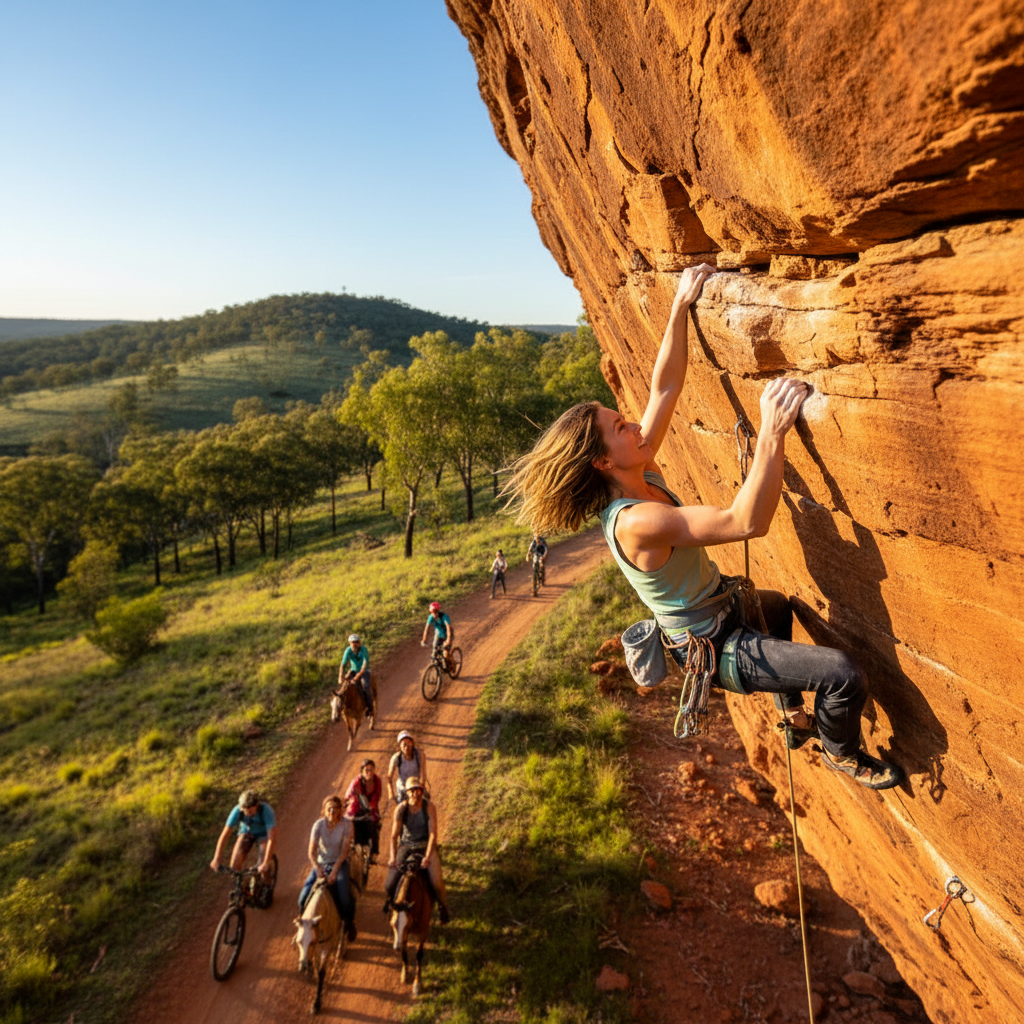
Let's cut to the chase. Climbing, especially here in Australia, is a commitment. It's about pushing limits, experiencing incredible environments, and yes, spending a lot of time outdoors. And that means a lot of time directly under the sun. You've got your helmet for impact protection, but what about your face and neck? Ignoring sun protection while climbing isn't just unwise; it's a direct invitation to premature ageing and skin cancer. This isn't about looking good; it's about being smart and healthy.
The Harsh Reality of the Australian Sun
We all know it. The Australian sun doesn't mess around. Even on days that feel cool, UV radiation can be intense and persistent. Long climbing days mean prolonged exposure. Think about it: how often are you belaying, resting at the base, or in direct sun for extended periods? Your helmet protects your head from rockfall, but it does next to nothing for the sun beating down on your face and neck. That's where a specialised climbing helmet brim comes in.
Why a Standard Helmet Isn't Enough
Your standard climbing helmet is designed for impact. It’s shaped to deflect falling objects and cushion head injuries. It offers virtually no shade for your face or neck. You might think a wide-brimmed hat is the answer, but try wearing one with a climbing helmet. It's awkward, unstable, and often interferes with your vision or the helmet's fit. A dedicated helmet brim is designed from the ground up to integrate seamlessly with your helmet, providing essential shade without compromising safety or comfort.
Objections Handled: Why You Need a Brim
Before we dive into specifics, let’s tackle some common hesitations:
"It looks silly." Let's be honest, function trumps fashion when it comes to safety. A few UV-induced wrinkles or, worse, skin cancer, will make you look a lot sillier than a well-fitted helmet brim. Functionality and protection are paramount.
"It'll get in the way." A properly designed and installed brim won't. It’s engineered to extend forward and sometimes backward, offering maximum shade without obstructing your peripheral vision or snagging on ropes. We’ll cover installation shortly.
"I only climb for short periods." UV damage is cumulative. Even short, frequent exposures add up. A quick boulder session or a short sport climb still means direct sun on your skin. Prevention is key.
"I wear sunscreen." Sunscreen is vital, but it's not a perfect barrier, especially over long, sweaty days. It needs reapplication, which isn't always practical or possible on the rock. A brim provides a physical barrier that doesn't wear off.
"My helmet has a small rim." Most climbing helmets have minimal brims, offering only a sliver of shade. This is insufficient for significant sun exposure.
The Critical Areas of Protection
When climbing, several areas are particularly vulnerable and benefit from a helmet brim:
Face: Your forehead, nose, cheeks, and ears are directly exposed. Sunburn here is common and painful, leading to peeling and increased skin cancer risk.
Neck: The back of your neck and the nape are often overlooked. This skin is delicate and prone to sun damage, especially when you're looking up at routes.
Scalp: While your hair offers some protection, thinner areas can still be compromised. A brim can help shade the hairline and forehead.
Introducing the Da Brim Climbing Helmet Extension
This is where solutions come in. Products like the Da Brim are specifically designed for this purpose. They are not just flimsy additions; they are engineered extensions that attach securely to your existing climbing helmet, dramatically increasing its sun-shielding capabilities.
The Da Brim Climbing Helmet Brim offers a significant extension both at the front and the sides, casting a shadow over your face and even your ears. Some models also offer rear protection. The key is that they are designed to be lightweight, durable, and integrate with the helmet's mounting system. We're talking about extending your protection for those long days, for belaying, for hiking to the crag, and for every moment the sun is out. For those in hotter climates or those who spend extensive time outdoors, this isn't a luxury; it's a necessity.
Key Features of a Good Climbing Helmet Brim
When looking at options, consider these points:
Material: It needs to be tough, UV-resistant, and lightweight. Flexible polymers are often used.
Attachment System: Secure and easy to use. It must stay put even in windy conditions or when you’re moving actively. Compatibility with common helmet types is crucial.
Coverage: How much shade does it provide? Look for ample coverage for your face and neck.
Visibility: Does it impede your vision? A well-designed brim shouldn't.
Durability: Can it withstand being packed, dropped, or exposed to the elements?
Installation: Simple, Secure, and Essential
Getting your brim attached properly is vital. It's not complicated, but it requires a little care. We’ve got a dedicated guide on How to Install your Da Brim, but the general process involves:
1. Clean your helmet: Ensure the surface where the brim will attach is clean and dry.
2. Position the brim: Align it correctly with the front of your helmet.
3. Secure the attachment: This usually involves straps, clips, or a specific mounting system that engages with your helmet's vents or structure. Follow the manufacturer's instructions precisely.
4. Test the fit: Gently pull and push on the brim to ensure it's firmly attached. Check for any looseness that could compromise safety.
This process takes minutes but provides hours of protection. Don't skip it.
Maintaining Your Sun Protection Strategy
Beyond the brim itself, a holistic approach to sun safety is best:
Reapply Sunscreen: Even with a brim, continue to apply sunscreen to any exposed areas, especially your ears, neck, and hands. Use a broad-spectrum SPF 30+ or higher. Reapply every two hours, or more often if sweating heavily.
Wear Sun-Protective Clothing: Lightweight, long-sleeved shirts and trousers can make a huge difference. Consider UPF-rated clothing.
Sunglasses: Essential for protecting your eyes from UV damage and glare. Ensure they fit well and don't interfere with your helmet straps.
Stay Hydrated: Dehydration can exacerbate the effects of sun exposure.
Seek Shade: Whenever possible, take breaks in shaded areas.
Be Mindful of Peak UV Times: While climbing, you might not have the luxury of avoiding peak UV hours (typically 10 am to 3 pm), which is another reason a physical barrier like a brim is so important.
Da Brim Product Comparison (Simplified)
While we focus on the climbing-specific model, it's worth noting the variety. Different Da Brim models exist for various helmet types (construction, cycling, etc.). The Climbing Helmet Brim is distinct for its shape and attachment method tailored to climbing helmets. You can explore the full range on our Products page.
| Feature | Standard Climbing Helmet | Climbing Helmet with Da Brim
| -------------- | ------------------------ | ---------------------------- |
| Face Shade | Minimal | Significant |
| Neck Shade | None | Moderate to Significant |
| UV Protection | Very Low | High |
| Visibility | Standard | Potentially slightly reduced peripheral (model dependent) |
| Snagging Risk | Low | Low (with proper fit) |
Your Sun Safety Checklist for Climbing
Before you head to the crag, run through this:
[ ] Climbing helmet fitted correctly.
[ ] Da Brim climbing helmet brim attached securely according to installation guide.
[ ] Broad-spectrum sunscreen applied to all exposed skin (face, ears, neck, hands).
[ ] Sunglasses (if applicable and compatible).
[ ] Sun-protective clothing (long sleeves/pants recommended).
- [ ] Water bottle, packed and ready.
Conclusion: Don't Let the Sun Win
Climbing offers incredible rewards. Don't let sun damage be a long-term consequence. A climbing helmet brim is a practical, effective, and essential piece of gear for any climber spending time under the Australian sun. It complements your existing safety gear, offering crucial protection for your face and neck that your helmet alone cannot provide. It’s a small addition that makes a massive difference to your health and comfort on and off the rock. Invest in your skin, invest in your future. You wouldn't climb without a helmet; don't climb without proper sun defence. Check out our Products and get yourself protected. Still have questions? Our FAQ page is packed with answers, or browse other helpful articles on our Blog.