
Climbing Extra Sun Protection: Shield Your Face & Neck Down Under
Climbing under the harsh Australian sun? Don't let UV rays and heat sideline you. Learn how to effectively protect your face and neck for longer, safer climbs. This is your no-nonsense guide.
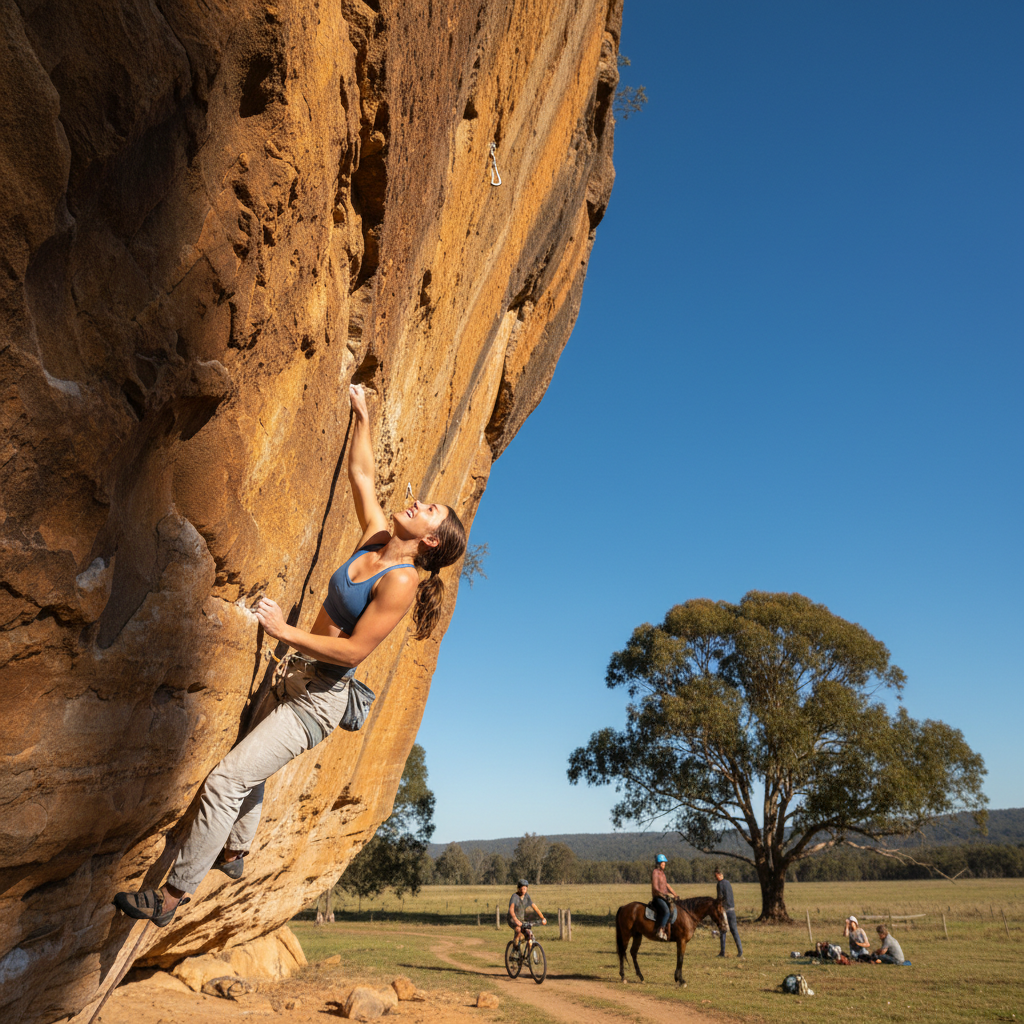
Climbing Extra Sun Protection: Shield Your Face & Neck Down Under
Let's be honest. Climbing in Australia means dealing with some serious sun. Whether you're scrambling up a rock face or tackling a multi-pitch route, you're often exposed for hours. That means your face and neck are prime targets for sunburn, heatstroke, and long-term skin damage. Standard helmets offer crucial head protection, but they leave a lot of your skin vulnerable. It's time to get serious about extra sun protection for your extremities.
This isn't about making climbing uncomfortable. It's about making it sustainable. Australian UV levels can be extreme, even on cloudy days. Long climbing days mean prolonged exposure, and the heat can be brutal. Ignoring sun protection isn't tough; it's just plain foolish and can lead to painful sunburn, premature aging, and increased skin cancer risk.
The Problem: Why Your Helmet Isn't Enough
Your climbing helmet is designed to protect you from impacts, rockfall, and abrasions. It's essential safety gear. However, most helmets offer minimal shade for your face and, critically, no protection for your neck and ears. When you're craning your neck upwards, rappelling, or just sitting at the belay stance, your neck is exposed. Your forehead, nose, and ears are constantly bathed in UV radiation.
Think about it:
Forward Facing Exposure: Your face is pointed towards the sun for large portions of your climb.
Upward Facing Exposure: When looking up at the route or to place protection, your neck and the back of your head get significant sun.
Belay Stance: You spend considerable time stationary, often in direct sunlight, at the belay.
Reflection: Rock faces and sand can reflect UV rays, increasing your exposure.
The Untreated Consequences
Painful Sunburn: Red, peeling, and incredibly uncomfortable. This can ruin your climb and your subsequent days.
Heat Exhaustion/Stroke: Prolonged sun exposure, especially combined with exertion, is a major contributor to heat-related illnesses. Symptoms can range from dizziness and nausea to confusion and collapse. This is a genuine safety risk.
Premature Skin Aging: Wrinkles, sunspots, and leathery skin are the legacy of unprotected sun exposure. Do you want to look older than you are because you didn't cover up?
Increased Skin Cancer Risk: This is the big one. Melanoma and other skin cancers are directly linked to UV exposure. Why risk it?
Solutions for Australian Climbers: Beyond the Basics
We need practical, effective ways to extend your sun protection beyond what your standard helmet provides. This means looking at accessories that integrate with your existing gear.
1. Sunscreen: The First Line of Defence (Still Crucial)
Don't skip this. A high SPF (50+), broad-spectrum (UVA/UVB) sunscreen is non-negotiable. Apply it generously to all exposed skin – face, ears, neck, hands – at least 20 minutes before heading out. Reapply every two hours, or more frequently if you're sweating heavily or getting wet.
Objection Handler: "Sunscreen gets in my eyes when I sweat." Buy a sweat-resistant formula or use a forehead sweatband. Also, try applying it a good while before your climb so it has time to soak in.
Objection Handler: "I never burn." Skin cancer doesn't care if you 'tan' or 'burn'. Cumulative UV damage is the problem, and it's invisible for years.
2. Headwear: Caps and Boonies
While not ideal for during a climb due to potential snagging, a wide-brimmed hat is great for approaching and descending. It offers good shade for your face and neck. For some approaches, a lightweight cap might suffice. However, they are not compatible with helmets and should be stowed.
3. Sun-Protective Clothing
Long-sleeved shirts and trousers made from UPF-rated fabric are crucial. They provide a physical barrier against UV rays. These are essential for the approach, descent, and any downtime.
4. The Game Changer: Helmet-Brims and Neck Shields
This is where you significantly boost your protection while wearing your helmet. Standard helmets offer very little brim. Adding an extended brim specifically designed for helmets addresses a major vulnerability.
The Problem with Standard Helmets
Standard climbing helmets don't have brims that extend far enough forward to shade your nose and mouth, or backwards and sideways to protect your ears and neck. They are designed for impact, not prolonged sun exposure.
The Solution: Attachable Helmet Brims
Products like Da Brim for helmets are designed to attach to the front of your existing climbing helmet. They extend the shade significantly.
Forehead and Face: A good brim shades your forehead, eyes, and nose from direct sunlight. This reduces glare and the intensity of UV hitting these sensitive areas.
Ears: Many designs offer side coverage.
Neck: The rear of the helmet provides some cover, but a brim extension or a separate neck shield is far better. Some helmet brims extend far back, casting a shadow over the upper neck. For full neck coverage, you might need to combine this with a buff or dedicated neck gaiter.
Key Features to Look For in Helmet Brims:
Coverage Area: How far does it extend forward, backward, and to the sides? More is generally better for Australian conditions.
UV Protection Rating: Does the material itself offer UV blocking?
Durability: It needs to withstand outdoor use and not degrade quickly in the sun.
Fit and Attachment: How securely does it attach to your helmet? Is it easy to put on and take off? Does it interfere with helmet straps or other gear?
Ventilation: Does it block crucial helmet vents? Ideally, it shouldn't significantly impede airflow.
Attaching Your Extended Brim: A Quick Guide
While specific instructions vary by product, the general principle is simple. You're adding an awning to your helmet.
Refer to the manufacturer's instructions. They are developed for a reason.
Ensure your helmet is clean before attachment.
Most systems use clips, Velcro, or a combination to attach to the helmet's rim or suspension system.
Test the fit and security before heading out. Give it a good tug. You don't want it coming loose on a windy pitch.
Learn how to install your Da Brim helmet brim – it's straightforward and takes just a couple of minutes.
Protecting Your Neck: The Underrated Area
Your neck is a vulnerable area that often gets overlooked. It's thin-skinned and susceptible to sunburn, and pain here can be particularly debilitating.
Here’s how to shield it:
Extended Helmet Brims: As mentioned, some brims offer rearward extension. This is the first layer of defence.
UPF Neck Gaiter/Buff: This is your best friend. A lightweight, breathable UPF-rated neck gaiter can be worn in multiple ways:
Pulled up high to cover your entire neck and the lower part of your face.
Worn as a headband and then pulled down.
In an emergency, it can even be used as a makeshift sunshade for your ears or a cooling compress when wet.
Collar on Clothing: A well-designed hiking shirt with a good collar can offer some protection, but it's often not enough on its own when looking upwards.
Objection Handler: "A neck gaiter is too hot." Choose a lightweight, moisture-wicking, UPF-rated fabric specifically designed for hot weather. Dampening it with water can provide evaporative cooling.
A Practical Checklist for Sun-Safe Climbing
Before you even step out to the crag, run through this checklist. It's designed to be practical and cover the bases:
[ ] Helmet: Check its condition and fit. Ensure it's CE certified.
[ ] Extended Brim: Is your helmet brim attached correctly and securely? Is it clean?
[ ] Sunscreen: High SPF (50+), broad-spectrum. Applied to face, ears, neck, hands.
[ ] Neck Protection: UPF neck gaiter/buff at the ready? Applied sunscreen to the neck?
[ ] Sun-Protective Clothing: Long sleeves, UPF-rated fabric, good collar on shirt.
[ ] Headwear for Approach/Descent: Wide-brimmed hat packed?
[ ] Sunglasses: For vision and eye protection during approaches and descents (ensure they don't interfere with helmet use or vision at the crag).
[ ] Water: Hydration is key for managing heat.
[ ] Reapplication Schedule: Mentally note when you'll reapply sunscreen.
Table: Comparing Sun Protection Accessories
| Accessory | Primary Protection Area | Pros | Cons |
|---|---|---|---|
| Standard Climbing Helmet | Head (impact) | Essential for head safety | Minimal face/neck shade |
| Extended Helmet Brim | Face, some neck/ears | Directly integrates with helmet, significantly increases shade | Requires secure attachment, can add bulk, potential snag risk (minimal) |
| UPF Neck Gaiter/Buff | Neck, face (lower) | Versatile, lightweight, excellent neck coverage, cooling effect | Can feel warm if not chosen correctly, needs to be worn/adjusted |
| Wide-Brimmed Hat | Face, neck, ears | Excellent shade, comfortable for approach/descent | Not compatible with helmet, snag hazard when climbing |
| UPF Long-Sleeved Clothing | Torso, arms, legs | Broad coverage, physical barrier | Can be warm, covers less mobile areas |
| SPF Sunscreen | All exposed skin | Essential for all skin, addresses missed spots | Needs reapplication, can sting eyes if it sweats off |
Adapting to Australian Conditions
The Australian sun is unforgiving. Long days, high UV intensity, and heat are constants. What works in other climates may not be enough here.
Midday Sun: The UV index is often at its peak. If you're climbing through midday, your protection needs to be at its absolute maximum. A helmet brim and neck gaiter are non-negotiable.
Extended Day Lengths: Early starts and late finishes mean your sun protection needs to last. Plan for reapplication. A good helmet brim means you're less likely to have to scramble for shade during pitches.
Heat Management: While physical barriers are key, don't forget hydration and breathable fabrics. Evaporative cooling from a damp neck gaiter can make a huge difference.
Objections and Reality Checks
"It's too much hassle." Is it more hassle than a painful sunburn, heatstroke, or the long-term risk of skin cancer? Taking a few minutes to prepare saves you days of misery and years of risk.
"I look silly." Do you want to look tough, or do you want to climb safely and healthily for years to come? Practicality trumps vanity. Plus, a well-designed helmet brim can look quite functional and professional.
"My helmet has a small brim already." Most climbing helmet brims are designed for impact deflection, not sun shade. They offer negligible coverage for your face and neck. You need more.
By combining your essential climbing helmet with practical, effective sun protection accessories like extended brims and UPF neck gaiters, you can significantly reduce your exposure to harmful UV radiation and heat. Investing in these simple additions means longer, more comfortable, and safer climbing days under the Australian sky.
Remember, consistency is key. Make sun protection a non-negotiable part of your climbing routine. For more on choosing the right gear, check out our Products page. If you're unsure about fitting accessories, our FAQ and How to Install guides are there to help. Stay safe out there and enjoy the climb!
For more general climbing tips, head over to our Blog.