
Climbers: Why You Get Sunburnt Even on Cool Days
Think a cool breeze means no sunburn? Think again, climbers. Australia's UV levels are relentless, and your helmet isn't always enough. Learn why and how to protect your skin.
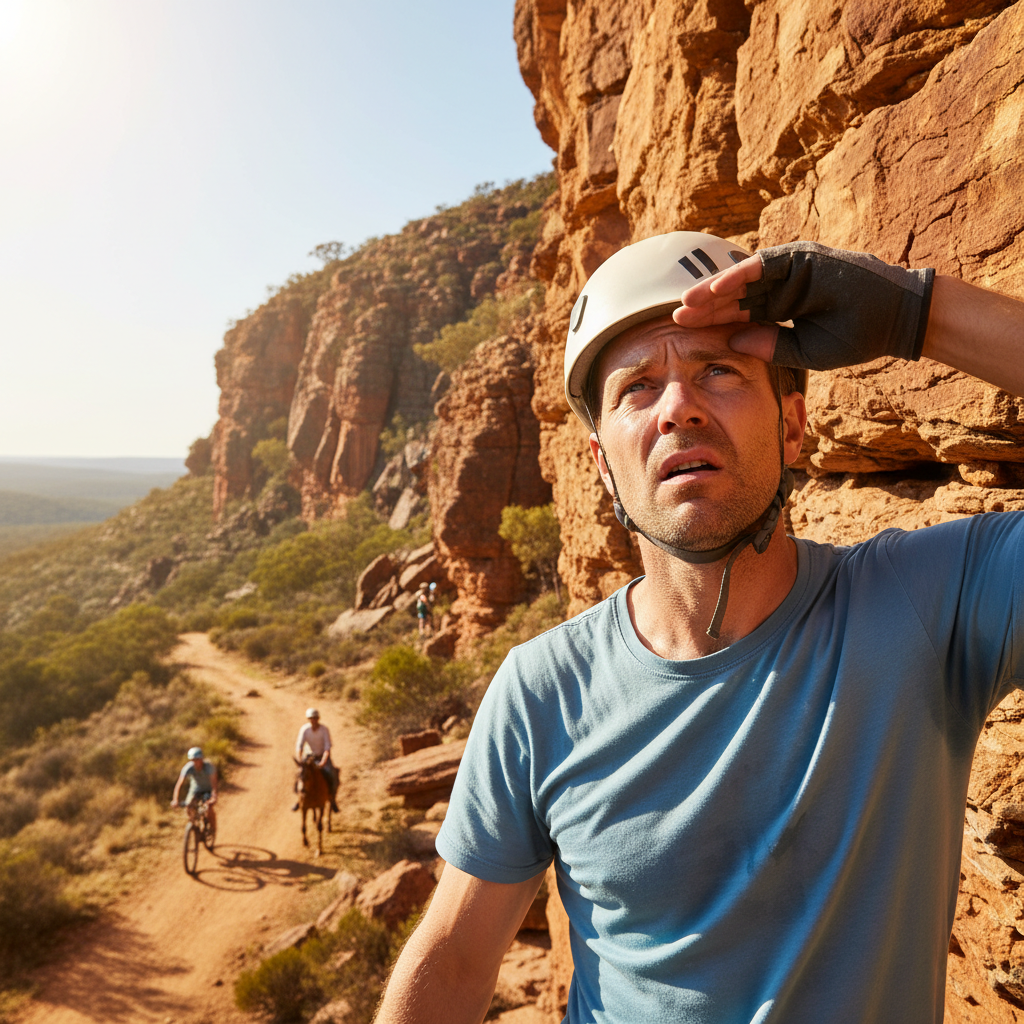
Climbers: Why You Get Sunburnt Even on Cool Days
You're geared up, the rock is calling, and the temperature feels… pretty good. Maybe a bit breezy, even. Perfect climbing conditions, right? Wrong. Too many climbers get caught out by sunburn, even when it's not scorching hot. Why? It’s all about Australia’s deceptively potent UV radiation.
This isn't about being delicate; it’s about being smart. Sunburn on the crag isn’t just uncomfortable; it’s a serious health risk. Years of cumulative sun damage contribute to premature ageing and, more importantly, skin cancer.
Let's break down why you’re still burning, even when you don't feel the heat.
The UV Deception: Heat vs. Radiation
Most people associate sunburn with hot weather. When it's sweltering, you’re more likely to wear less clothing and seek shade, naturally reducing your exposure. But the UV index – the true measure of sun damage potential – is a separate beast from temperature.
Australia experiences some of the highest UV levels on the planet. Even on a cool, breezy day, the UV can be dangerously high. This is due to several factors:
Proximity to the Equator: We’re closer to the sun than many other parts of the world.
Ozone Layer: While recovering, historical depletion and our latitude mean higher UV penetration.
Clear Skies: Clouds can block UV, but a crisp, clear day offers minimal protection.
Reflection: Surfaces like rock, sand, and water can reflect UV rays, increasing your exposure, even in shaded areas.
So, while you might feel comfortable temperature-wise, your skin can still be copping a serious UV blast. This is especially true for climbers, who often spend hours exposed.
Your Helmet Isn't a Full Shield
Helmets are for impact protection. They are not designed to be a comprehensive sunshade. While a helmet does cover the top of your head, it leaves significant areas vulnerable:
Face: Forehead, cheeks, nose, ears, and chin are all prime targets. Sunglasses and hats can help, but they don't cover everything.
Neck: The back of your neck is notoriously exposed, especially when you're looking up at routes.
Hands and Arms: These are often exposed unless you're wearing long sleeves and gloves, which might be too hot on cooler days.
Think about it: When you're belaying or resting, you're often looking upwards, exposing the underside of your chin and neck. When you're on the wall, your face is angled towards the sun for extended periods.
The Specific Risks for Climbers
Climbing exposes you to a unique set of sun-related challenges:
Extended Exposure: A climbing session can last for hours. Even with intermittent shade, the cumulative UV dose can be significant.
High Altitude (sometimes): While most crags aren't at extreme altitudes, many climbing areas are higher than sea level. UV levels increase by about 10-12% for every 1000 metres of altitude.
Reflection Off Rock: Many granite and sandstone crags are light-coloured, reflecting UV radiation back onto your skin.
Dehydration: Sun exposure contributes to dehydration, which can make you feel worse and less aware of your body's needs, including the need for sun protection.
What Areas Are Most Vulnerable?
Let's get practical. Where should you be focusing your sun protection efforts?
| Vulnerable Area | Description | Why it’s often missed |
|---|---|---|
| Face (Nose, Cheeks, Forehead, Ears) |
| Often covered partially by sunglasses or a cap, but not fully. Ears can be forgotten.
| Neck (Front and Back) | The back of the neck is especially exposed when looking up at routes. The front can be exposed during rest periods or belaying.
| Frequently overlooked, especially the back. Helmets offer no protection here.
| Lips | Thin, sensitive skin that burns easily.
| Often forgotten by sunscreen application.
| Scalp (if hair is thin or parted) | Direct UV penetration.
| People assume their hair offers enough protection.
| Hands and Forearms | Exposed while climbing, belaying, and carrying gear.
| Can feel less critical, or gloves might be too hot.
Common Scenarios Where Climbers Get Sunburnt
The "Cool but Sunny" Day: You’ve chosen a climbing day because it’s not baking hot. You skip the extra sunscreen because you’re not sweating much. UV is high, you burn.
The "Shaded" Route: You pick a route that looks like it has decent shade. But the sun moves, or you spend time on sunny approaches, belays, or between climbs.
The Belayer's Burn: You’re focused on the climber, standing in the sun for extended periods. You might have a hat on, but your arms, neck, and face are still exposed.
The "Just One More Climb" Trap: You’re feeling good, pushing through. You’ve been out for hours, and the cumulative sun exposure is taking its toll, even if you don’t feel it immediately.
Overcoming Objections: "I Don't Burn Easily" / "I'm Used to the Sun"
This is where we need to be blunt: "Being used to the sun" doesn't make you immune to UV damage.
1. Immunity is a Myth: Your skin doesn't develop immunity to UV radiation. It can develop a tan, which is a sign of damage, and it can become more resilient to certain types of burns, but the underlying damage continues.
2. Cumulative Damage: The most dangerous aspect of UV exposure is its cumulative nature. Every bit of damage adds up over years. You might not peel dramatically today, but you're increasing your long-term risk of skin cancer.
3. Skin Type Matters, But So Does UV Index: While fairer skin burns more easily, darker skin tones are not immune. High UV levels can damage all skin types.
4. Focus on Risk Reduction, Not "Toughing it Out": Think of sun protection like wearing a helmet or a harness. It's a safety precaution, not a sign of weakness. It's about prolonging your climbing life safely.
Practical Sun Protection for Climbers
Sun protection for climbers needs to be integrated into your routine.
The Checklist: Your Pre-Climb Sun Prep
Before you even leave the house, or as you pack your gear, run through this:
[ ] Check the UV Index: Always know what you're dealing with. Australian UV is high year-round in many areas.
[ ] Generous Sunscreen Application: Apply generously to all exposed skin at least 15-20 minutes before heading out.
[ ] Water-Resistant Formula: Choose SPF 30 or higher, water-resistant sunscreen. Reapply regularly.
[ ] Face Protection Beyond Sunscreen: Consider a wide-brimmed hat or a cap under your helmet (if it fits safely). Look for specific face shields or buffs.
[ ] Lip Balm with SPF: Don't forget your lips.
[ ] Protective Clothing: Long sleeves and pants, even lightweight ones, significantly reduce UV exposure.
[ ] Hydration: Start hydrating before you even leave.
Sunscreen: Your First Line of Defence
SPF 30 or Higher: Always.
Broad Spectrum: Protects against UVA and UVB rays.
Water-Resistant: Essential for sweat and potential splashes.
Reapplication: Crucial. Don't just slap it on once.
Beyond Sunscreen: Your Sun Protection System
Sunscreen is vital, but it's not the only tool. Layering protection is key.
Clothing: Lightweight, long-sleeved shirts and pants. UPF-rated clothing offers the best protection.
Hats: A wide-brimmed hat for approaches and breaks. Some caps can be worn under helmets, but check for safety and comfort.
Sunglasses: Protect your eyes and the delicate skin around them.
The Da Brim Helmet Brim (Internal Link: Products): This is a game-changer for climbers. It's designed to give you extra shade where your helmet doesn't cover – particularly the face, ears, and neck. It attaches easily and stays put. Check out how to install your Da Brim. It's a practical solution to a common problem.
Step-by-Step Reapplication Strategy
Sunscreen wears off. You sweat. You touch your face. You need a plan.
1. Pre-Climb Application: Apply sunscreen 15-20 minutes before you start your session. This allows it to bind to your skin.
2. During Crag Breaks: When you rest between climbs or routes, take 30 seconds to reapply. Check any areas you might have missed or sweated off.
3. Post-Climb Check: Even if you think you’re protected, examine your skin. You might find red patches you didn't notice.
4. Water-Resistant Reapplication: If you're sweating heavily or the day is particularly harsh, reapply every 2 hours, even if the bottle says "water-resistant." Water-resistance means it can withstand sweat for a certain period, not that it’s immune to loss.
What to Do If You Get Sunburnt
Despite best efforts, it can happen. Here’s how to manage it:
Cool Down: Take a cool (not cold) shower or bath.
Moisturise: Apply aloe vera gel or a gentle, fragrance-free moisturiser to soothe the skin. Avoid products with alcohol.
Hydrate: Drink plenty of water.
Pain Relief: Over-the-counter pain relievers like ibuprofen can help with swelling and pain.
Avoid Further Sun: Keep the burnt area out of the sun completely until it heals.
Seek Medical Advice: If you have severe blistering, fever, or feel unwell, consult a doctor.
Final Thoughts for the Crag
Don't let a cool day lull you into a false sense of security. Australia's UV levels are serious business. Protecting your skin isn't about being weak; it's about being a smart, long-term climber.
Your helmet is for impacts. For sun protection, you need a system: sunscreen, clothing, hats, and practical aids like the Da Brim (Products). Make sun safety a non-negotiable part of your climbing routine. Your future self will thank you.
For more tips and answers to common questions, check out our FAQ or browse our Blog.