
Climbers: Shield Your Face & Neck in the Aussie Sun
Climbing under the harsh Australian sun? Don't let sunburn derail your ascent. Learn practical ways to protect your face and neck, from helmet-mounted brims to effective sunscreen strategies.
Climbers: Shield Your Face & Neck in the Aussie Sun
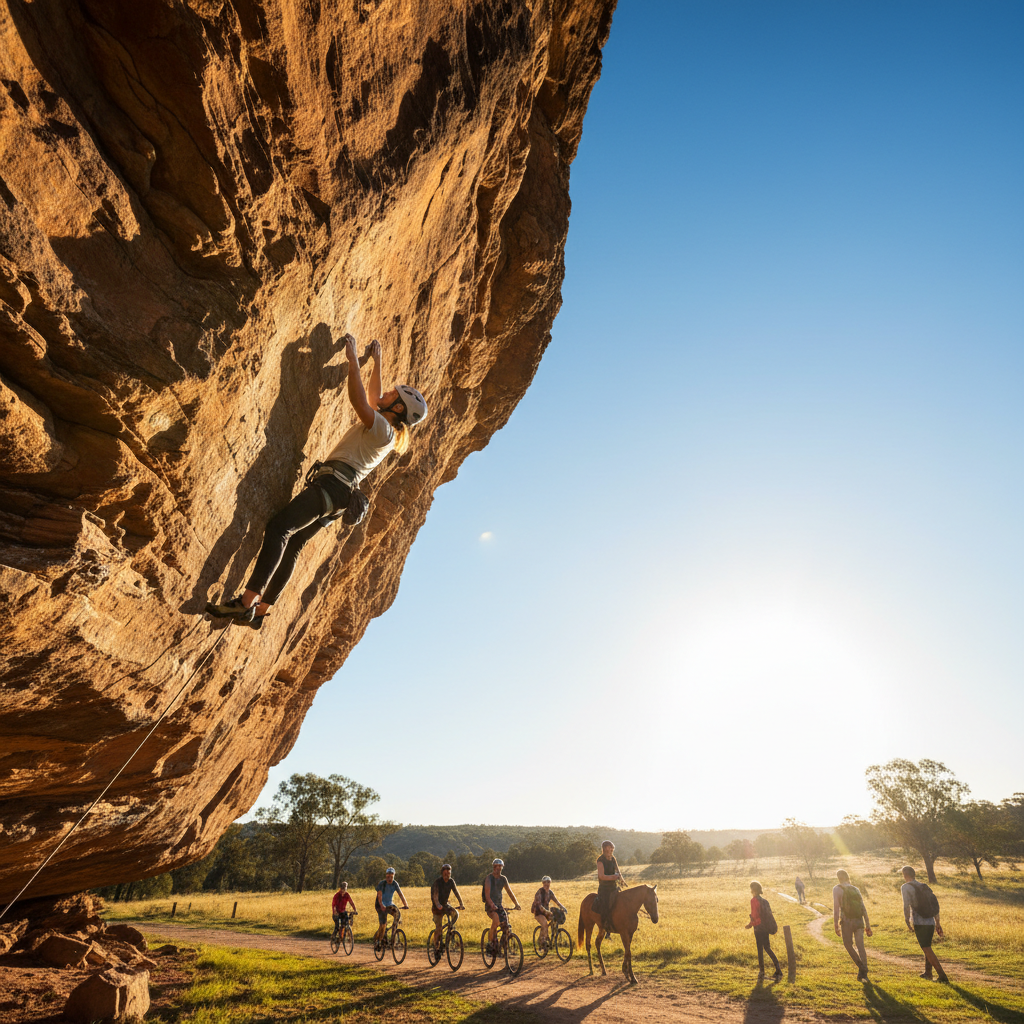
Australian climbing conditions are legendary. We have incredible rock formations, diverse landscapes, and sunshine that seems to last forever. But let's be blunt: that sunshine is also brutal, especially for your skin. Prolonged exposure on long climbing days, often in high UV index environments, means your face and neck are prime targets for sunburn, premature aging, and even skin cancer. Relying solely on your helmet's basic coverage just won't cut it. It's time to get serious about sun protection for the extremities.
The Obvious Problem: Your Helmet Isn't Enough
Your climbing helmet is a life-saver, designed to protect your head from impacts. But its primary function isn't sun protection. Most helmets offer minimal brim coverage, leaving your ears, cheeks, nose, and especially your neck completely exposed. Think about it: when you're craning your neck to spot holds, or just sitting belaying, that exposed skin is baking. This is especially true in Australia, where the UV index can soar, even on cooler days.
Common Excuses and Why They Don't Fly:
"I just wear a cap under my helmet." A thin cap might offer a sliver of shade, but it's flimsy, can get hot, and often shifts around. It won't protect your neck and can even create uncomfortable pressure points under your helmet. Plus, it’s not designed for the intense UV we get here.
"I apply sunscreen generously." Sunscreen is crucial, no doubt. But reapplication can be a pain mid-climb or when you're focused on reaching the next ledge. Even the best sunscreen can sweat off or be rubbed away. And are you really remembering your ears and the back of your neck every single time?
"I don't climb long enough for it to matter." Every minute counts under the Australian sun. Short, intense bursts of UV can still cause damage. And if you're doing multi-pitch routes or spending a full day at the crag, the cumulative exposure is significant.
"It looks silly." Functionality trumps fashion when it comes to protecting your health. A little temporary silliness now saves you from a lot of pain, redness, and long-term damage later. Plus, with the right gear, you won't look silly at all.
The Smart Solution: Extended Coverage for Your Head and Neck
We need solutions that integrate seamlessly with our existing safety gear and provide robust, reliable protection. This means looking beyond basic headwear and considering accessories designed for intense outdoor conditions.
Key Areas to Protect:
Face: Cheeks, nose, forehead, and ears are constantly exposed to direct sunlight. This is where most sunburn occurs and where long-term sun damage is most visible.
Neck: The back and sides of your neck are particularly vulnerable, especially when craning your head upwards or when the sun is at a lower angle. This area is often overlooked until it's too late.
Practical Protection Strategies for Australian Climbers
To effectively shield your face and neck while climbing, you need a multi-pronged approach. Simply relying on one method isn't enough.
1. The Helmet-Mounted Brim: Your First Line of Defence
This is arguably the most impactful addition to your climbing sun-protection arsenal. A wide, flexible brim that attaches directly to your helmet provides instant, consistent shade.
Why it works:
Consistent Shade: It follows your head movement, ensuring shade is always where you need it.
Extended Coverage: Designed to shield your face, ears, and even extend down to cover the upper neck area.
UV Protection: Many are made from UPF-rated fabrics, offering a physical barrier against UV radiation.
Durability: Constructed to withstand outdoor conditions.
Considerations when choosing:
Compatibility: Does it fit your helmet securely? Look for adjustable attachments.
Brim Width: Wider is generally better for maximum coverage, but ensure it doesn't obstruct your vision or get caught.
Material: Lightweight, breathable, and UV-protective are key.
If you're serious about climbing in Australia, investing in a helmet brim is a no-brainer. It's a simple, effective upgrade that dramatically improves your sun defence. Check out our range of Products designed to integrate with your climbing helmet.
2. Sunscreen is Still Essential
Even with a brim, sunscreen remains a critical component of your sun protection strategy. It covers areas the brim might miss and provides an extra layer of defence.
When to apply:
Before you leave: Apply at least 15-20 minutes before sun exposure.
Reapply: Every two hours, or more frequently if sweating heavily or swimming.
What to choose:
SPF 30 or higher: Aim for broad-spectrum protection.
Water-resistant: Australian conditions often mean sweat, so water-resistance is a must.
Face-specific formulas: Often feel less greasy and are designed for sensitive skin.
Remember to cover your ears, nose, lips, and the back of your neck religiously. If you're unsure about application, our How to Install guide also touches on general sun safety principles to keep you covered.
3. Protective Clothing
While not directly attached to your helmet, lightweight, long-sleeved shirts and long pants made from UPF-rated fabric are invaluable for full-day protection.
UPF Fabric: Look for a UPF rating of 50+ for maximum protection.
Breathability: Choose fabrics that wick moisture and allow airflow to prevent overheating.
Fit: Loose-fitting is generally more comfortable and breathable.
This provides a base layer of protection, especially for your arms and legs, which can still get significant sun exposure between belay stances or during approaches.
A Simple Checklist for Sun-Safe Climbing
Before you head out on your next climb, run through this quick checklist:
[ ] Helmet with a secure-fitting, wide sun brim attached.
[ ] SPF 30+ broad-spectrum sunscreen applied to all exposed skin (face, ears, neck).
[ ] Lip balm with SPF.
[ ] Long-sleeved UPF-rated shirt.
[ ] Long pants or climbing trousers.
[ ] Sunglasses (for approaches and rest breaks).
[ ] Wide-brimmed hat for non-climbing periods.
This comprehensive approach ensures minimal exposed skin.
Integrating Protection: A Step-by-Step Approach
Let's break down how to layer your protection for a day of climbing:
Step 1: Pre-Climb Preparation
Apply your chosen sunscreen generously to your face, ears, and neck at least 15-20 minutes before departing. Don't forget your lips.
Ensure your helmet with its attached brim is properly fitted and secure. Check that the brim isn't hindering your vision.
Put on your UPF-rated long-sleeved shirt and long pants.
Step 2: During the Climb
Your helmet brim is now actively deflecting direct sunlight from your face and ears. The UPF clothing protects your arms and neck.
Be mindful of sun position. As the day progresses, the sun might hit your neck from a different angle. The brim should still offer the best available shade.
If you're taking a lengthy rest or belaying for an extended period, and the sun is directly on your face or neck, consider adding a non-climbing hat for a short burst of extra shade, or adjusting your position if possible.
Step 3: Reapplication and Mid-Climb Care
During scheduled breaks (e.g., at the top of a pitch for a water stop), assess your sunscreen. If it's been more than two hours, or you've been sweating a lot, reapply to your face and neck. This might require removing your helmet temporarily.
Keep sunscreen in an accessible pocket or bag.
Step 4: Post-Climb
Once descending or finished, you might have accumulated some sun exposure. Cleanse your skin and apply a soothing moisturizer.
Continue sun-safe practices until the sun has set, especially during longer twilight hours in summer.
Common Questions About Helmet Brims for Climbing
We often get questions about adding brims to climbing helmets. Here's a quick rundown, but you can find more detailed answers on our FAQ page.
| Question | Answer |
|---|---|
| Will it fall off? | Not if properly attached. Our brims are designed for secure fitting. Check the How to Install guide for best results. |
| Will it affect my helmet's safety rating? | Our brims are designed as accessories that attach to the outside of the helmet and do not compromise its structural integrity or impact absorption capabilities. They are not permanent modifications. |
| Can it get caught on rocks? | While any protrusion carries a small risk, the flexible nature of our brims, along with their strategic positioning, minimises this. Always be mindful of your surroundings. For most climbing scenarios, this risk is very low compared to the benefits. |
| Is it hot or stuffy? | Our brims are made from lightweight, breathable materials designed to allow airflow. They actually help keep the sun off, which can make you feel cooler overall. |
| Do they fit all helmets? | Our Products page lists compatible helmet types and attachment methods. Universal designs are available, but fit is key. |
Don't Become Another Sunburn Statistic
Climbing in Australia is a privilege. Respecting the environment includes respecting its powerful sun. Prioritising sun protection for your face and neck isn't optional; it's essential for long-term health and enjoyment of the sport.
Don't wait until you're peeling for weeks or dealing with the consequences of sun damage. A simple, effective solution exists that enhances your existing safety gear. Browse our range of Products and start climbing smarter and safer under the harsh Aussie sun. For more tips and updates, check out our Blog.
Stay safe, stay covered, and keep those ascents epic!