
Climbers, Don't Get Burned: Why Sunburn Hits Even on Cool Aussie Days
You're kitted out, mentally prepared, the rock face beckons. But even on a seemingly mild day, that familiar sting of sunburn can creep up on you. This isn't just bad luck; it's a consequence of climbing in Australia's intense sun, even when the temperature doesn't feel tropical. Let's talk about why, and more importantly, how to stop it with practical sun protection for helmet wearers.
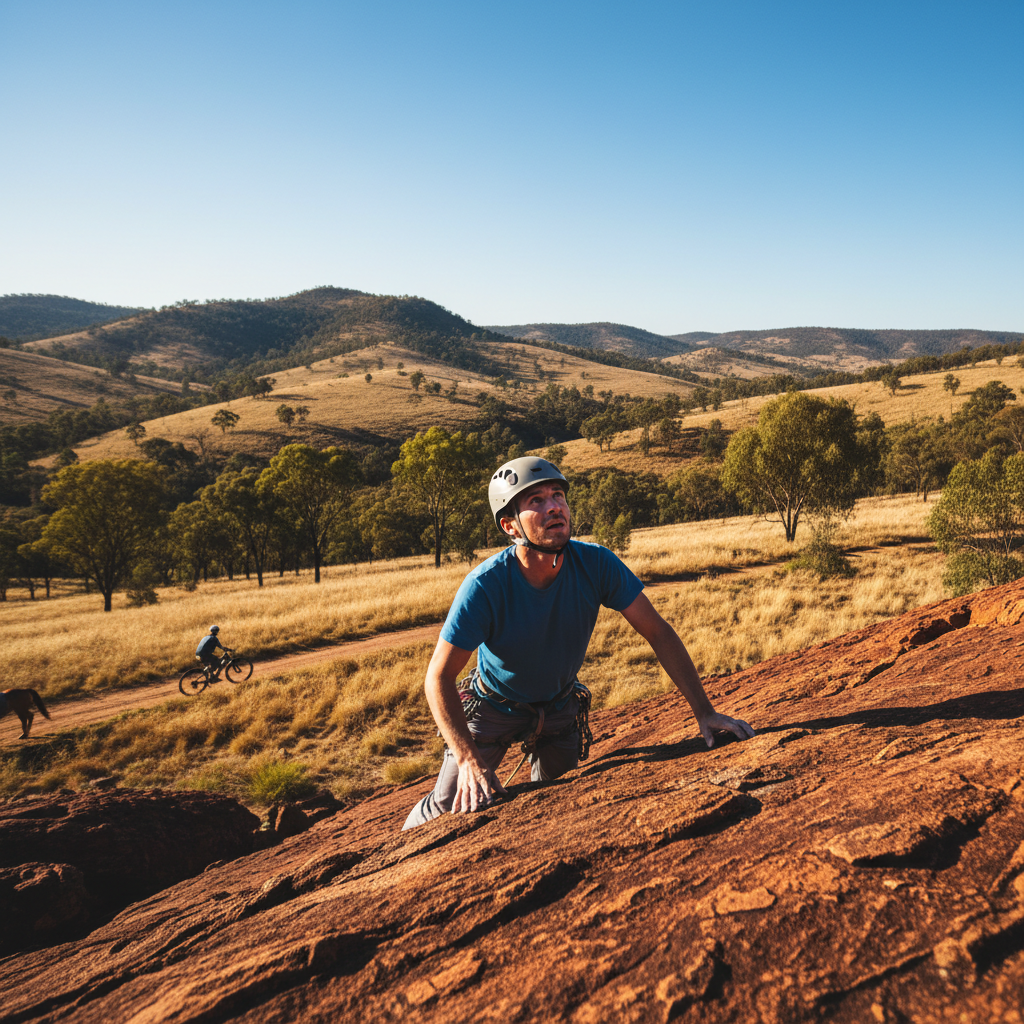
Why Climbers Get Sunburned Even on Cooler Australian Days: It's Not About the Heat
You’re geared up, focused. The rock face is there, waiting. You’ve checked the weather, and it’s not a scorcher. Perfect climbing conditions, right? Wrong. That familiar, unwelcome sting of sunburn can still catch you out, even when the air feels cool. This isn’t a fluke; it’s a direct result of climbing under Australia’s notoriously strong sun, regardless of the ambient temperature. As climbers, we often associate sunburn with oppressive heat, but the real culprit is UV radiation, and that can be just as dangerous on a crisp 18-degree day as it is on a sweltering 30-degree one.
Let's cut to the chase: your helmet is essential for impact protection, but it’s not always enough to shield you from the sun’s relentless assault. We need to talk about practical, no-nonsense sun safety specifically for climbers.
The Invisible Threat: UV Radiation and Climbing
Forget the thermometer for a moment. The critical factor for sunburn is the Ultraviolet (UV) Index. Australia consistently has some of the highest UV levels in the world. Even on overcast days, UV rays can penetrate clouds and reflect off surfaces, doubling your exposure. Think about it: you're often exposed to the sun for hours on end, frequently at higher altitudes or with less atmospheric shielding, and your helmet, if it’s a standard climbing lid, likely leaves your face, neck, and ears exposed.
Here's the basic breakdown of how UV works its damage:
UV-A: Penetrates deep into the skin, contributing to premature aging and long-term skin damage.
UV-B: The main cause of sunburn. It’s more intense during the middle of the day and can also cause DNA damage that leads to skin cancer.
Neither of these feel hot. You can’t see or feel UV radiation. It’s a silent attacker, and on a climbing objective, especially multi-pitch or an exposed face, you're a prime target.
Why Your Helmet Isn't Enough (Usually)
Most climbing helmets are designed for impact protection, not comprehensive sun coverage. They protect your crown, but what about your face, nose, ears, and the back of your neck? These are classic Vunerable areas for climbers.
The Brim Gap: Traditional helmets often have a minimal or non-existent brim that offers little to no protection for your face and eyes. Direct sunlight can still hit your eyes and the delicate skin around them.
Neck Exposure: As you lean and crane your neck to look up at the route, the back of your neck is constantly exposed. This is a common spot for painful sunburn.
Ears: Helmets often sit above or around the ears, leaving them exposed to the sun for prolonged periods.
Reflected UV: Snow, rock, and even water can reflect UV rays, increasing your overall exposure. If you're climbing a light-coloured granite or sandstone, you're getting a double dose.
Common Objections & How to Handle Them
Let's address some common reasons climbers might skimp on sun protection:
Objection 1: "It's too cool to burn." / "I don't feel hot."
Reality Check: As mentioned, UV index is the key, not temperature. You can get a severe sunburn on a windy, 15°C day if the UV is high. Feeling cool often makes you less aware of how much sun you’re actually accumulating. Think of it like this: you wouldn't skip a helmet because it’s not raining, right? UV is just as constant a hazard.
Objection 2: "I'll just wear a hat under my helmet."
Reality Check: A standard baseball cap or beanie might offer some shade, but it's often hot, uncomfortable, and doesn't fit well under a helmet. Plus, the back of your neck and ears are still exposed. A brimmed hat is also likely to interfere with helmet fit and safety. We're talking practical, integrated solutions here.
Objection 3: "Sunscreen is greasy and comes off."
Reality Check: While some sunscreens can be, there are high-SPF, sweat-resistant formulas designed for active use. However, relying solely on sunscreen means constant reapplication, which is impractical on a long climbing day. And you still can’t cover every inch of skin effectively and consistently, especially if you've been sweating.
Objection 4: "I'm tough. A little burn doesn't bother me."
Reality Check: This is the most dangerous mindset. A little burn is your skin’s alarm bell screaming that DNA damage is occurring. Repeated sun damage isn't just about discomfort; it significantly increases your risk of melanoma and other skin cancers later in life. Your climbing future depends on your health today.
The Solution: Integrated Sun Protection for Climbers
The best way to avoid sunburn is to prevent exposure in the first place. This means adding effective sun protection directly to your climbing setup. Your helmet’s primary function is safety, but it can be enhanced.
Understanding Your Exposure Zones:
When climbing in Australia, consider these areas for sun exposure:
Face: Forehead, cheeks, nose, chin.
Eyes: Directly and via reflection.
Ears: Both sides.
Neck: Front and back.
Scalp/Hairline: If hair is thin or swept back.
Practical Sun Protection Strategies
Here’s what you need to do, broken down into actionable steps.
1. The Extended Brim: Your First Line of Defence
This is the game-changer. A helmet brim, significantly longer than standard, acts like a wide-brimmed hat integrated directly onto your helmet. It casts shade over your face, protecting your eyes and the delicate skin of your nose and cheeks. This is crucial for reducing UV exposure even when the air is cool.
Visibility: A good brim doesn't obscure your upward vision, which is critical for climbing.
Coverage: It extends protection significantly further down your face and nose.
Check out our Products page for options that provide superior brim coverage.
2. High SPF Sunscreen (For What's Left)
Even with a brim, some areas might still be exposed, especially if you forget to reapply or if the sun is at an awkward angle.
Choose Wisely: Opt for broad-spectrum, sweat-resistant, SPF 50+ sunscreen. Look for formulas that don't sting your eyes.
Apply 20 Mins Before: Always apply sunscreen before heading out. It needs time to bind to your skin.
Reapply Religiously: This is the tricky part. If you're climbing for more than two hours, you must reapply every two hours, or more often if you’re sweating heavily or have been in contact with water or sand.
3. UPF Headwear Under/Around
While a full hat under a helmet can be too hot, lightweight, close-fitting UPF-rated headwear can offer an extra layer of protection, especially for the ears and neck.
Balaclavas/Snoods: Thin, breathable, UPF-rated balaclavas that can be pulled up to cover the neck and lower face are excellent. Ensure a good fit under your helmet so it doesn't compromise safety.
Headbands: UPF headbands can protect your ears and hairline.
4. Sunglasses: Essential for High UV
Protecting your eyes is paramount. Wear sunglasses that offer good UV protection, especially when approaching routes or during descents when you’re not actively climbing but still exposed. Amber or brown tints can improve contrast on rock faces.
5. Neck Gaiter / Buff
A simple neck gaiter or Buff made of UPF material is incredibly versatile. It can be worn around your neck, pulled up over your lower face, or even used as a makeshift hair covering. This is a low-tech, high-impact piece of gear for climbers.
Your Sun Protection Checklist for Climbers
Before you head to the crag, run through this quick checklist:
[ ] Helmet Brim: Is it sufficient to shade your face and nose? (Consider upgrading if not).
[ ] Sunscreen: SPF 50+, broad-spectrum, sweat-resistant. Applied correctly?
[ ] Eyes: Are you wearing UV-protective sunglasses or have tinted lenses if applicable?
[ ] Ears: Are they covered adequately by your helmet or extra headwear?
[ ] Neck: Is your neck, front and back, protected?
[ ] Lips: Don't forget lip balm with SPF.
Easy Step-by-Step Sun Protection Integration
Let's make this simple. Integrating sun protection shouldn't be an afterthought. It needs to be as habitual as checking your belay device.
Before You Leave Home:
1. Apply Sunscreen: Cover all exposed skin at least 20 minutes before heading out. This includes ears, neck, and any exposed skin on your face not covered by your helmet brim.
2. Prep Your Gear: Ensure your helmet brim is in place, and any additional UPF headwear (like a neck gaiter) is packed or worn.
3. Grab Your Shades: Make sure your sunglasses are clean and readily accessible.
At the Crag (or during breaks):
4. Reapply Sunscreen: Every two hours. Use a mirror if needed to ensure you haven’t missed spots. This is critical on longer climbing days.
5. Adjust Headwear: Pull up your neck gaiter if the sun is hitting your lower face or neck.
6. Check Exposed Skin: Briefly glance at your ears and neck for any signs of redness. If you catch it early, more sunscreen can help prevent a full burn.
After Climbing:
7. Assess:* Check for any areas that might have burned. Treat them with moisturiser or aloe vera. This is feedback for your next outing.
Long Days, Long Term Health
Australian climbing days can be long, especially in summer. Long days mean prolonged sun exposure. What you do on these extended outings has a cumulative effect on your skin's health. Prioritising integrated sun protection isn't about being fussy; it's about smart risk management. You wouldn't push a route with a frayed rope, so don't tackle the sun with inadequate protection.
UV Index Awareness: Keep an eye on the daily UV forecast. If it's 8 or above, you need maximum protection.
Time of Day: The sun is most intense between 10 am and 4 pm. Be extra vigilant during these hours.
Conclusion: Climb Smarter, Not Burned
Sunburn is a preventable injury for climbers. It’s not a badge of honour; it’s evidence of neglected protection. By understanding the role of UV radiation, using strategies beyond just sunscreen, and integrating solutions like superior helmet brims, you can significantly reduce your risk.
Don't let cool temperatures lull you into a false sense of security. Australia's sun demands respect and smart preparation. Invest in headwear and sun protection that works with* your climbing gear, not against it. Protect your skin, protect your future climbing days.
For solutions to enhance your helmet's sun protection, visit our Products page. Need to know how to get the best coverage? Check out our How to Install guide. Still have questions? Our FAQ is here to help, or explore more Blog posts for climbing safety tips.