
Climbers, Don't Get Burned: Why Sunburn Can Still Hit on Cooler Australian Days
Even when the air feels crisp, your helmet might not be enough. Learn why climbers get sunburned on cooler days in Australia and how to stop it.
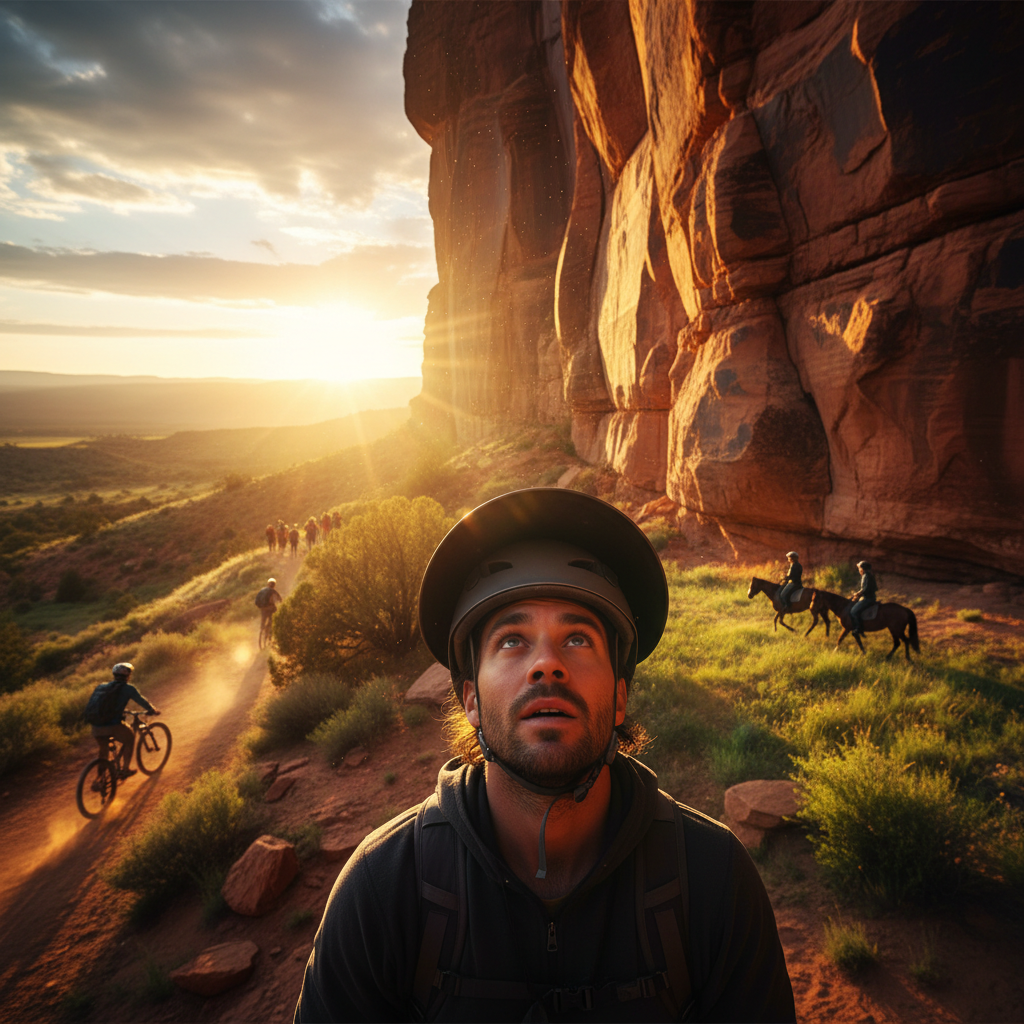
Climbers, Don't Get Burned: Why Sunburn Can Still Hit on Cooler Australian Days
Look, we all know Australia. It's a belter of a place to climb, but it's also a place where the sun can pack a wallop. You’d think on those glorious, slightly crisp mornings when you're itching to hit the rock, you’d be safe from the burn. Think again. Many climbers get sunburned even on cooler days, and it's not just bad luck. It’s a combination of factors that Australian conditions amplify.
Your helmet is crucial for protecting your head from impacts, but it's often not the complete sun protection solution. Let’s break down why you’re still getting scorched, and what you can realistically do about it.
The Sneaky Sun: How You Get Burned When It’s Not Blazing Hot
It’s easy to associate sunburn with sweat-dripping heat. But the real culprit for sunburn is ultraviolet (UV) radiation, not the temperature itself. UV radiation is invisible, and its intensity varies independently of how hot it feels. This is where Australian conditions really play havoc.
UV Index is King, Not Temperature: The UV Index is the internationally recognised measure of UV radiation. On a bright, cooler day, the UV Index can still be high, especially in Australia. The ozone layer is thinner in some parts of the world, and Australia is particularly exposed. Even if you’re not feeling the heat, the UV rays are still penetrating.
Altitude: Many climbing spots are at higher elevations. As altitude increases, atmospheric pressure decreases, and there are fewer molecules of air to scatter and absorb UV radiation. This means more UV rays reach the ground. So, even a cool day at a higher elevation can expose you to significant UV.
Reflection: Rocks, particularly light-coloured ones, are excellent reflectors of UV radiation. This means you’re getting a double dose – direct sunlight and reflected UV from the surfaces around you.
Cloud Cover Deception: Clouds can sometimes scatter UV radiation, making it seem less intense. However, thin or broken cloud cover can actually increase UV levels as the rays are scattered in multiple directions. So, a seemingly overcast but cool day can still deliver a significant UV punch.
Longer Daylight Hours: Australia experiences long daylight hours, especially during its seasons. This simply means more time exposed to UV radiation, regardless of the temperature or perceived 'heat'.
Helmet Design Limitations: Most climbing helmets are designed for impact protection, not comprehensive sun shielding. They offer some shade, but often leave significant areas of your face, neck, and ears exposed. The sides and back offer little protection from direct or reflected UV.
The Reality Check: Why Existing Gear Isn't Enough
You might think your helmet is doing its job. It stops you from cracking your skull, great. But when it comes to UV, it's often a very limited barrier. Here’s why you’re still susceptible:
Ear and Neck Exposure: These are common burn zones for climbers. When you’re looking up, belaying, or moving, your ears and the back of your neck are often directly exposed to UV. Your helmet might cover your skull, but not much else.
Facial Burn: The brim of your helmet, if it has one, is usually too small to effectively shade your entire face, especially your nose, cheeks, and forehead when you're constantly changing positions.
Reflected UV from Below: When you're looking upwards at a climb, the sun can also reflect off the rock face or the ground directly onto your underside. Your helmet offers no protection against this.
The 'Cool Air' Fallacy: Your skin can still burn when the air temperature is cool. This is where people get complacent. They feel the cool air, assume the sun isn't strong, and skip crucial sun protection. This is a dangerous assumption in Australia.
What Your Helmet Doesn't Protect
| Area Exposed | Why It's a Problem |
|---|---|
| Ears | Directly catch UV rays, especially when looking up. Prone to painful burns and skin damage. |
| Neck (back and sides) | Often exposed when looking up or during movement. High cumulative sun damage risk. |
| Forehead (edge of hairline) | Skin can be exposed if helmet sits high or brim is small. |
| Nose and Cheeks (lower areas) | Particularly vulnerable to reflected UV and direct rays from below. |
| Upper Face (even with glasses/hat) | Gaps can let UV in. |
This isn't about dissing helmets – they are critical safety gear. This is about understanding their limitations for sun protection.
Practical Sun Protection for Climbers: Beyond the Helmet
So, what's the go? You need to stack your defences. Relying solely on your helmet for sun protection is like wearing one sock to a mud run. You need a comprehensive strategy.
Your Sun Safety Checklist for Climbing Days
High SPF Sunscreen: Apply it everywhere your helmet doesn't cover – ears, neck, face, hands. Reapply regularly, especially if you sweat. Look for broad-spectrum protection.
Lip Balm with SPF: Don’t forget your lips. They’re soft skin and burn easily.
Long Sleeves and Pants: Lightweight, breathable UV-protective clothing is your best friend. It offers constant, reliable protection.
Wide-Brimmed Hat (for approach/descent): While not for climbing, a good hat can protect you during walks to and from the crag.
Sunglasses: Essential for protecting your eyes and the skin around them during the approach and descent.
Neck Gaiter or Buff: A simple yet effective way to shield your neck and lower face.
Helmet Brim Extender: This is where a specific solution for helmet-based sun protection comes in. Products like Da Brim are game-changers for climbers.
Installing Your Extra Shade: A Step-by-Step
If you’re ready to take helmet sun protection seriously, a good helmet brim extender is the most practical on-the-go solution. Let's look at how easy it is to add more shade to your existing helmet.
How to Install Your Da Brim Helmet Brim
This is straightforward. Think of it like adding a visor to your cap, but for your helmet. The goal is to extend the shade coverage significantly without compromising helmet function.
1. Choose Your Model: Ensure you have the correct Da Brim model for your specific helmet type. Check the Products page for compatibility.
2. Prepare Your Helmet: Make sure your helmet is clean and dry. You don't want any dirt interfering with the attachment.
3. Position the Brim: Align the Da Brim around the circumference of your helmet. Most models have specific attachment points or channels designed to work with common helmet styles.
4. Secure the Attachment: This is usually done via durable clips or a unique clamping system. Follow the specific instructions for your chosen Da Brim, but generally, you'll be clipping it firmly into place, ensuring it's snug and won't move.
5. Test the Fit: Gently tug on the brim to ensure it's securely attached. Check that it doesn't obstruct your vision or interfere with helmet straps.
6. Adjust as Needed: Most setups allow for minor adjustments to ensure optimal positioning for maximum shade.
That’s it. You’ve just significantly upgraded your sun protection without buying a whole new helmet. For more detail, check out the How to Install guide.
Addressing Objections: 'It's Too Hot', 'It's Too Much Hassle'
'It’s too hot to wear more gear.' This is the biggest misconception we hear when talking about sun protection in cooler weather. Remember, UV is invisible and burns independently of temperature. If it’s a bright day, the UV is there. Skipping protection because it feels cool is how you get a painful burn that makes the rest of your trip miserable. Lightweight, breathable UV-protective clothing and a good helmet brim like Da Brim add minimal heat but massive protection. It’s about smart protection, not just covering up completely.
'It's too much hassle.' Honestly, a few extra minutes at the start of your day saves hours of discomfort and long-term skin damage. Applying sunscreen, putting on a neck gaiter, or installing a helmet brim is a small investment in your climbing enjoyment. Compare this to the hassle of dealing with a sunburn: peeling skin, pain, increased risk of infection, and potentially missing out on future climbing days. A properly installed Da Brim stays on – it's not a daily setup.
'I just don't burn.' Great for you, but skin cancer is a serious risk for everyone, and cumulative UV exposure is the primary driver. Even if you don't visibly burn, you're still accumulating damage that can lead to health problems down the line. Australia has one of the highest rates of skin cancer in the world. Don't be complacent.
Final Word: Climb Smarter, Not Harder
Sunburn on a cool day while climbing is a real and preventable problem, especially in Australia. Your helmet is essential safety gear, and enhancing its sun-shielding capabilities with a product like a Da Brim makes perfect sense. Combine this with diligent sunscreen application and appropriate clothing, and you’re a lot better protected.
Don't let misleading temperatures fool you. UV radiation is the constant threat. Prioritise your sun safety, protect your skin, and focus on sending your projects. For more tips and answers, visit our FAQ or browse our Blog for ongoing advice. Stay safe out there.