
Climb Smarter, Not Harder: Maximising Helmet Safety and Comfort in the Aussie Sun
Don't let harsh Australian sun and heat compromise your climbing helmet's effectiveness or your performance. Learn practical ways to stay safe, cool, and protected.
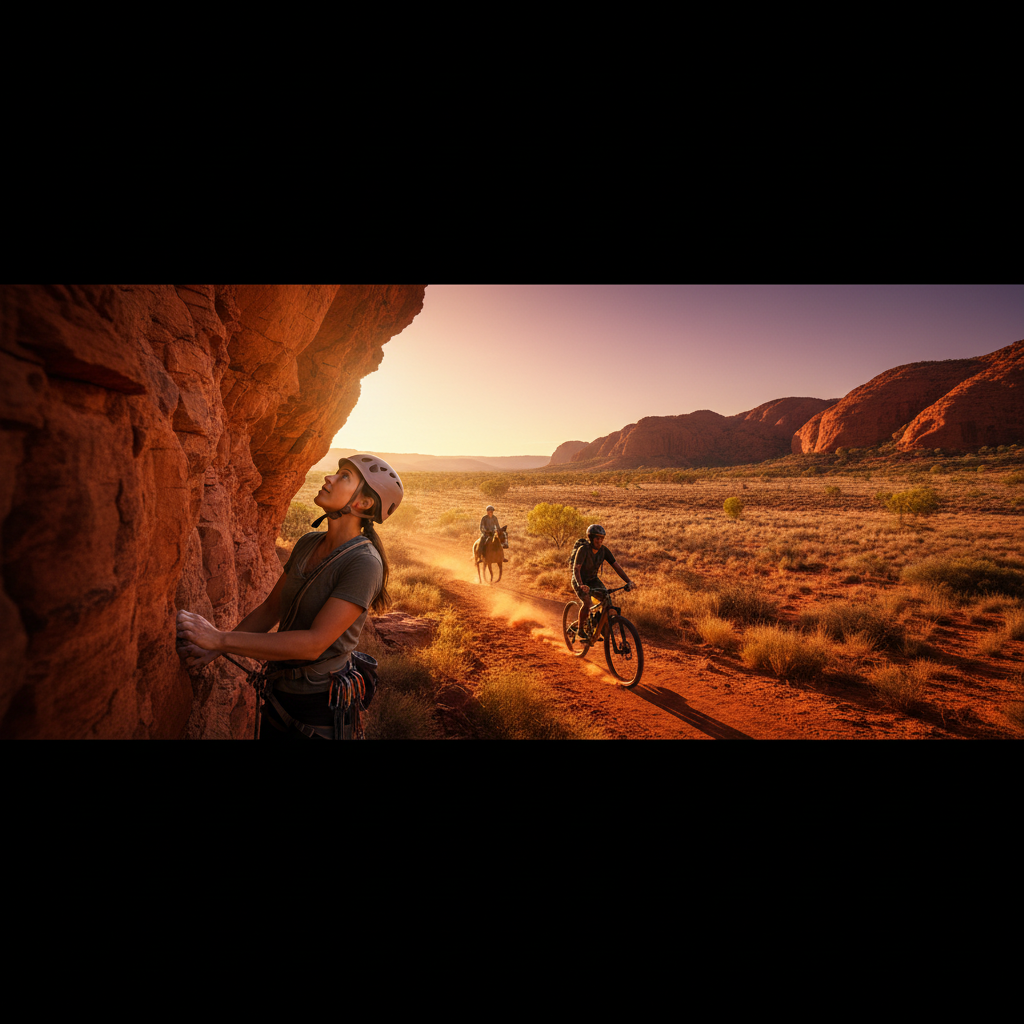
Climb Smarter, Not Harder: Maximising Helmet Safety and Comfort in the Aussie Sun
Australia’s climbing scene is legendary – think vast sandstone cliffs, impressive granite domes, and coastal crags kissed by the sea breeze. But let’s cut to the chase: the sun here is no joke. We’re talking scorching UV levels, relentless heat, and days that stretch long into the afternoon. If you’re spending serious time outdoors, especially in a situation where you’re wearing a helmet for protection, you need to be smart about how you manage the elements.
This isn't about fluffy comfort. This is about practical, no-nonsense strategies to ensure your climbing helmet remains your best mate, not a baking tin strapped to your head. We'll cover why this matters, how to combat the heat and UV, and what accessories can make a real difference for Australian climbers.
The Sun: Your Climbing Partner… or Your Biggest Threat?
We love the sun for giving us more daylight for those epic routes, but its intensity can seriously impact your climbing experience and, crucially, your safety.
UV Radiation: Even on a cloudy day, UV rays can penetrate. Prolonged exposure leads to sunburn, premature skin aging, and increased risk of skin cancer. Your face, neck, and ears are particularly vulnerable, especially when the sun is beating down from above during a climb.
Heat Build-up: Helmets are designed to protect your head from impact. This often means a snug fit and ventilation designed for airflow. However, in intense Australian heat, this airflow can feel insufficient. Heat build-up can lead to heat exhaustion, dehydration, and reduced cognitive function. When your brain isn't working at its best, your decision-making suffers, and that’s a dangerous situation on the rock face.
Glare: Direct sunlight can impair your vision, making it harder to spot holds, assess routes, or see your surroundings. This is more than an annoyance; it's a direct safety hazard.
Your Helmet: The Foundation of Safety
Your climbing helmet is non-negotiable. It’s there to absorb impact energy from falling rock, equipment, or falls. But even the best helmet can become less effective, and certainly less comfortable, when battling the Australian elements. What’s the point of having great head protection if you’re so overheated and uncomfortable you can’t focus?
Many climbers think of helmets purely for impact protection. They're vital for that, but the secondary effects of sun and heat exposure are often overlooked. Let's look at how to enhance your helmet's performance in our unique environment.
Practical Solutions for Sun and Heat:
Here’s the straight talk. You need to actively manage sun exposure and heat build-up in conjunction with your helmet. Relying solely on the helmet's built-in features often isn't enough.
1. The Power of Shade – When and Where You Can Get It
This might sound obvious, but smart route planning can significantly reduce your exposure. Look for routes that offer natural shade during the hottest parts of the day. Mornings and late afternoons are often your best bet. This might mean adjusting your climbing schedule or even your location.
However, we know this isn't always possible. Many crags in Australia are fully exposed. That’s where accessories come in.
2. Enhancing Your Helmet's Sun and Heat Defence:
This is where you can make a tangible difference. Standard climbing helmets, while protective, can act like small ovens. Adding accessories that deflect sun and improve airflow is key to sustained comfort and focus.
The Primary Objection: "Will it mess with my helmet fit?" or "Will it make the helmet less safe?"
The Reality: When chosen and installed correctly, additional accessories designed for helmets enhance your experience without compromising the core safety of your certified helmet. They are designed to work with, not against, your helmet's protective capabilities.
D-Briffs for The Win
A well-designed helmet brim is arguably the most effective accessory for direct sun protection. It extends the shaded area over your face, neck, and often down to your chest if designed correctly. This significantly reduces glare and direct UV assault.
What to look for:
Coverage: Does it genuinely cover your face and extend past your temples?
Durability: Can it withstand being tossed in a climbing pack?
Attachment: Is it secure? Will it stay put during a fall or while you're moving?
Compatibility: Does it work with your specific helmet model?
Our DA BRIM Helmet Brim: Designed for Australian conditions, DA BRIM attaches securely to most standard climbing helmets. It’s lightweight, tough, and provides significant shade, reducing glare and protecting your face and neck from the harsh UV. Easy to install, it’s a quick win for comfort and extended climbing days.
3. Staying Hydrated and Cool:
This is about your body, but it impacts your helmet-wearing experience. Dehydration makes you feel worse, amplifies the effects of heat, and clouds judgment. Always carry more water than you think you’ll need, especially on longer, hotter climbs.
Consider carrying a lightweight, spray bottle filled with water. A quick spritz on your face and neck can provide immediate, temporary relief and help regulate your core temperature when you're at the anchors or on a ledge.
4. Ventilation – Maximising What You've Got:
Most modern climbing helmets have vents. Keep them clear of dirt and debris. If you’re prone to sweating heavily, consider a thin, moisture-wicking headband that sits under your helmet. This can absorb sweat and prevent it from dripping into your eyes, making your helmet feel cooler and more comfortable.
The Objection: "A headband will make it hotter."
The Reality: A breathable, moisture-wicking headband absorbs sweat, preventing it from running down your face. This is often more comfortable than sweat dripping into your eyes and down your neck, even if the fabric itself feels warm.
Accessory Checklist for Australian Climbers
Here’s a quick rundown to make sure you’re kitted out for the sun and heat:
[ ] Certified Climbing Helmet: Your primary safety device.
[ ] Helmet Brim (e.g., DA BRIM): For extended shade and UV protection.
[ ] Plenty of Water: Crucial for hydration and heat management.
[ ] Sunscreen: High SPF, sweat-resistant formula.
[ ] Sun-protective Clothing: Long sleeves, wide-brimmed hat (for approach/descent), sunglasses.
[ ] Moisture-Wicking Headband (optional): For sweat management inside the helmet.
[ ] Lightweight Spray Bottle (optional): For quick cooling.
Installing Your DA BRIM Helmet Brim: A Step-by-Step Guide
Adding sun protection shouldn't be a drama. Our DA BRIM is designed for simplicity and security. Follow these steps for a quick and effective installation:
1. Clean Your Helmet: Ensure the area where the brim will attach is clean and dry. This ensures optimal adhesion.
2. Identify Attachment Points: Locate the designated attachment points or the rim of your helmet where the brim will sit securely.
3. Align the Brim: Position the DA BRIM over the front of your helmet, aligning its attachment tabs with your helmet's features.
4. Secure Firmly: Depending on the DA BRIM model, you’ll either clip, hook, or use the provided fasteners. Ensure each point is firmly secured. It should feel snug and stable.
5. Test for Stability: Gently tug on the brim to ensure it’s securely attached and won't shift during active climbing. If it feels loose, re-adjust and re-secure.
That’s it. Within minutes, you’ve significantly boosted your sun protection and comfort. For detailed instructions specific to various helmet types, check out our How to Install guide.
Common Questions and Objections Handled
We get asked a lot about helmet accessories. Here’s how we address the usual concerns:
Q: "Won't a brim make my helmet heavier or unbalanced?"
A: Modern materials are incredibly light. The DA BRIM is designed to add negligible weight and maintain your helmet's balance. The distribution of weight is key, and it's engineered to sit comfortably without odd pressure points.
Q: "Will it get caught on things?"
A: While any accessory could have a theoretical snagging risk, the DA BRIM is shaped to avoid common snag points. Its smooth profile is designed to deflect rather than catch on rock or foliage. Always be mindful of your surroundings, as you should be with or without any accessory.
Q: "Is it safe in a fall? Will it break off?"
A: The DA BRIM is designed to be secure. It uses robust attachment methods that are tested for durability. In extreme circumstances where a snag could* cause it to detach, it's designed to do so rather than transmitting undue force to your helmet or neck. However, for normal climbing use, it remains firmly attached. For more detail, our FAQ page has comprehensive answers.
Q: "I already wear a cap under my helmet. Isn't that enough?"
A: A cap offers some shade, but it’s often insufficient for climbing. It can bunch up, shift, and the brim is usually too small. Furthermore, a cap can hinder the fit and effectiveness of your helmet. A dedicated helmet brim attached directly offers superior, consistent shade and doesn't interfere with helmet fit. See our Products range for the best solutions.
Your Safety is Primary.
Don’t let the dazzling Australian sun turn your climbing trip into a miserable, potentially dangerous event. Your helmet is your first line of defence against impact. By adding practical accessories like a good helmet brim, you’re extending that protection to cover the sun and heat, keeping you focused, comfortable, and safer on the rock.
Investing in small, practical additions can make a massive difference to your climbing experience here in Australia. It’s about climbing smarter, longer, and safer.
Ready to upgrade your comfort and sun protection? Explore our range of Products.