
Choosing Your Helmet Sun Brim: Shielding Up for Australian Conditions
Don't get caught out by the Aussie sun. Learn how to pick the right helmet sun brim to keep you cool, comfortable, and protected, no matter your activity. Simple advice for serious sun.
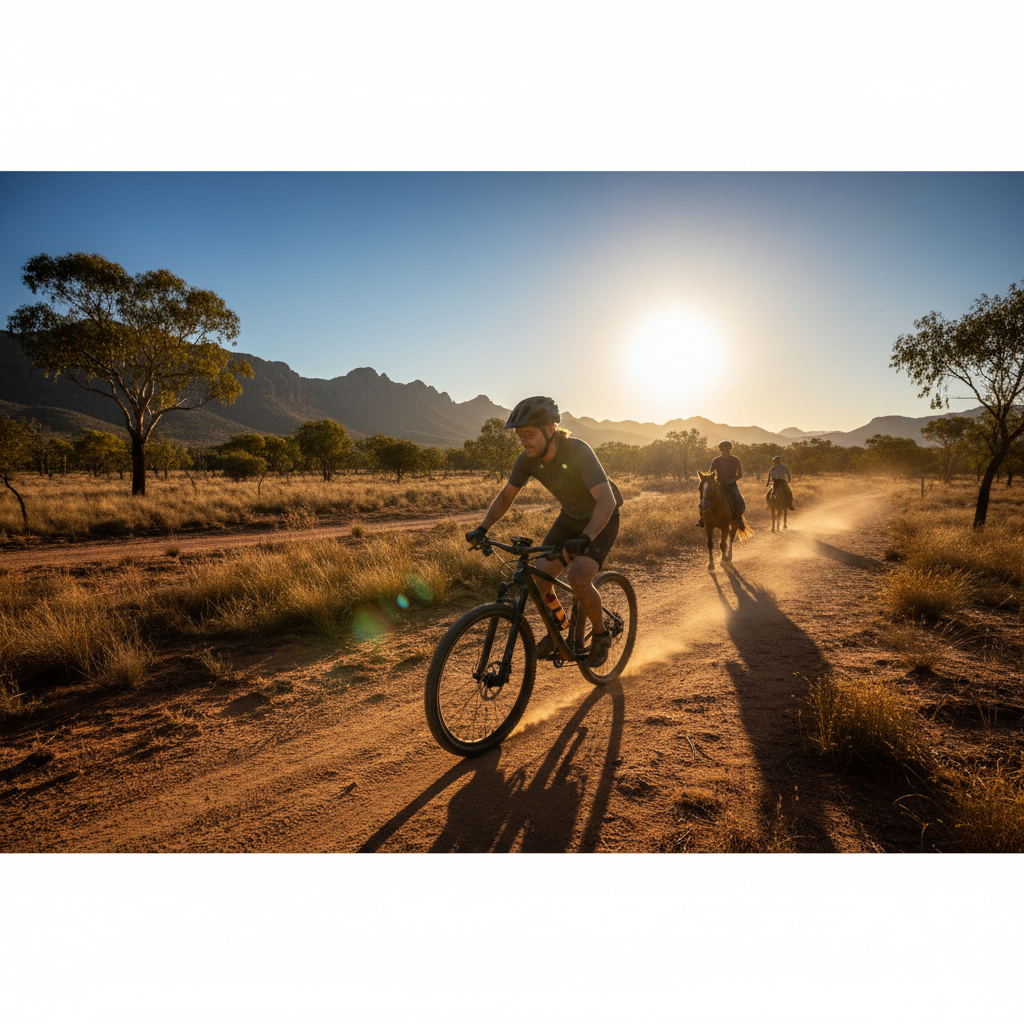
Choosing Your Helmet Sun Brim: Shielding Up for Australian Conditions
Australia. Beautiful. Sunny. Sometimes, brutally so. We all know the drill: high UV indexes, scorching heat, and those long summer days that demand serious sun protection. If you wear a helmet for work, sport, or recreation, you've probably looked at ways to amp up your sun defence. That's where a helmet sun brim comes in. It's not just an accessory; it's a vital piece of kit for staying safe and comfortable under our harsh skies.
But not all brims are created equal. Choosing the right one depends on what you're actually doing out there. Staring down a construction site all day is different from a weekend mountain bike ride, and your sun protection needs to match. This guide cuts through the fluff and gives you practical advice on selecting a helmet sun brim that works for you, under Australian conditions.
Why Bother with a Helmet Sun Brim? Real Talk.
Let's get this straight: Your helmet is for impact protection. A sun brim is for sun protection. They serve different, but equally important, roles.
Sunburn: The Australian sun is no joke. Long-term exposure, even on cooler days, increases your risk of skin cancer and premature ageing. A brim shades your face, neck, and ears – areas often missed or inadequately covered.
Glare: Intense sunlight can impair your vision, leading to mistakes and accidents, especially if you're operating machinery, cycling, or engaged in sports. A brim cuts down on glare.
Heat: A good brim can create a microclimate of shade, making you feel cooler and reducing the risk of heatstroke, a real concern during our hot Australian summers.
Comfort: Honestly, it just makes being outdoors for extended periods more bearable. Less squinting, less burning, more focus on what you're doing.
Think of it like this: your helmet is your armour. Your sun brim is your immediate shield from the elements. Both are essential for prolonged outdoor activity in our climate.
Matching the Brim to Your Activity: The Nitty-Gritty
Here's where we get practical. What are you doing? That's the key question.
For the Tradies and Site Workers: Durability Meets Coverage
If your workday involves a hard hat, you're likely exposed to the sun for extended periods. You need something robust that won't snag or break, and offers maximum coverage.
Key Features: Wide, deep brims are your best bet. Materials need to be tough, resistant to dust, dirt, and UV degradation. Look for brims that attach securely and won't pop off with sudden movements or bumps. Some might even offer neck protection via an extended drape.
Australian Consideration: Construction sites often have minimal shade. You're doing yourself a favour by ensuring your face and neck are shielded all day, from dawn till dusk.
Objection Handling: "It'll get in the way." Modern brims are designed to offer generous shade without obstructing your field of vision upwards or downwards. They are engineered to stay put. If it's getting in the way, it might be a poor fit or the wrong design for your specific helmet.
For the Cyclists (MTB, Road, Commuters): Aerodynamics and Visibility
Cyclists have unique needs. Visibility is paramount, and so is minimising wind resistance. You don't want your brim acting like a parachute.
Key Features: Smaller, more contoured brims are generally preferred. They still offer crucial face shade and glare reduction without significantly impacting aerodynamics or getting caught in the wind. For mountain biking, a slightly larger brim can help with trail debris and low-hanging branches, but it still needs to be manageable.
Australian Consideration: Long cycling days in the Australian sun can lead to significant sun exposure on your face and scalp. Adequate shade is crucial for preventing sunburn and discomfort, especially on those long country road rides.
Objection Handling: "Will it look silly?" Functionality comes first. However, many brims are designed to integrate well with helmet styles. They aren't clunky plastic sheets. Plus, looking sunburned and squinting is arguably less stylish.
For the Horticulturalists and Landscapers: All-Day Protection
If you're spending hours in the garden or on a property, you're not just exposed to the sun; you might encounter dust, branches, and water spray.
Key Features: A balance between a wide brim for maximum facial and neck shade, and durability. Look for water-resistant materials and easy cleaning. A brim that offers good coverage without being so large it snags on plants or tools is ideal.
Australian Consideration: Many landscaping and gardening tasks are performed during the hottest parts of the day. The cumulative effect of sun exposure is high. A brim is essential for preventing chronic sun damage.
Objection Handling: "I already wear a wide-brimmed hat." A hat can be cumbersome under a helmet. A brim designed to attach directly to your helmet is a more integrated, less fiddly solution that ensures consistent coverage.
For the Recreationalists (Hikers, Horse Riders, etc.): Versatility is Key
For those who enjoy the outdoors for leisure, the brim needs to be versatile enough for different situations.
Key Features: Consider something that offers good shade but is also lightweight and easy to attach or detach. A brim that's compatible with multiple helmet types (if you use different ones) is a bonus. For hiking, a brim that doesn't impede looking up at scenic views is important.
Australian Consideration: Long weekends and holidays mean more time in the sun. Whether you're hiking a coastal trail or riding horses in the bush, protecting your face from our strong UV is non-negotiable.
Objection Handling: "I only need it sometimes." That's fair, but when you need it, you really need it. A quick-release or easy-to-fit brim means you can add protection when the UV index is high or you plan to be out for a while, without being a permanent fixture.
What to Look For: The Practical Checklist
Before you click 'add to cart' or head to the store, run through this checklist. It’s designed to help you make a smart choice.
Material: Is it UV resistant? Is it durable enough for your activity? Is it lightweight?
Coverage Area: Does it provide sufficient shade for your face, eyes, nose, and neck? (Consider the UV index in your region).
Attachment System: Is it secure? Will it fit your helmet? Is it easy to attach and remove (if needed)?
Ventilation: Does it hinder your helmet's ventilation system? (Less crucial for some, vital for others).
Visibility: Does it obstruct your vision in any direction required for your activity?
Durability: Can it withstand the elements and the general knocks of your activity?
Compatibility: Does it fit your specific helmet? Not all brims fit all helmets. Check the product details.
How to Choose the Right Brim: A Step-by-Step Approach
This isn't rocket science, but a methodical approach ensures you don't end up with a useless accessory. Follow these steps:
Step 1: Identify Your Primary Activity. Be honest. What do you do 80% of the time when wearing a helmet outdoors?
Step 2: Assess Your Helmet. What type of helmet is it? (e.g., construction, cycling, motorcycling). Does it have a smooth surface where a brim can attach? Are there specific attachment points? Check our Products page for options compatible with various helmet types.
Step 3: Evaluate Australian Sun Conditions. Think about the typical UV index and temperatures you encounter. Do you spend hours exposed? Or is it intermittent bursts?
Step 4: Determine Your Coverage Needs. Do you need maximum neck coverage for a labour-intensive job, or is glare reduction the main goal for cycling?
Step 5: Research Brim Styles. Based on your activity, consider the brim shapes and sizes that best meet your needs. For instance, a wider brim offers more shade, but a narrower one might be better for cycling aerodynamics.
Step 6: Check Compatibility and Installation. This is critical. Ensure the brim is designed to fit your helmet model. If unsure, check out our How to Install guide or consult our FAQ section. A poorly fitted brim is ineffective and potentially dangerous.
Step 7: Consider Durability and Material. For harsh environments, opt for robust, UV-resistant materials. For recreational use, lighter, more flexible options might suffice.
Step 8: Read Reviews (if available for the specific product). See what other users in similar conditions or activities have to say.
Step 9: Make Your Purchase. Once you've gone through the steps, you'll be well-equipped to select the right brim from our range of Products.
Common Objections, Real Answers
We’ve addressed some already, but let's be blunt:
"It's too expensive." Compare the cost of a brim to the cost of treating sunburnt skin, heatstroke, or even a more serious skin condition down the line. It's an investment in your health and comfort.
"It will make my helmet too hot." A well-designed brim shades your face, which is often where sweat builds up. While it adds a layer, the shade it provides can actually reduce overall heat discomfort by preventing direct solar radiation on your head and face. Many brims are designed to maintain airflow.
"I hate stuff hanging off my helmet." We get it. That's why many brims are designed for quick, secure attachment and often have a low profile when installed correctly. It shouldn't feel like a constant annoyance. If it does, it's likely the wrong product or fit.
The Bottom Line
Don't let the Australian sun dictate your comfort or compromise your safety. Choosing the right helmet sun brim is a practical step towards enjoying your outdoor activities, whether for work or play. It's about smart protection tailored to your needs.
Invest a little time in understanding what you need, and you'll reap the benefits of comfortable, shaded protection every time you head outdoors.
For more details, browse our Products, check out our How to Install guide, or visit our FAQ page. And for more tips on staying safe and sun-smart, keep an eye on the Blog.
Stay cool, stay shaded, and stay safe out there.