
Choosing the Right Helmet Sun Brim: Shielding Yourself in Australian Sun
Don't let the Australian sun catch you unprotected. This guide helps you choose the perfect helmet sun brim for any activity, ensuring maximum UV protection and comfort.
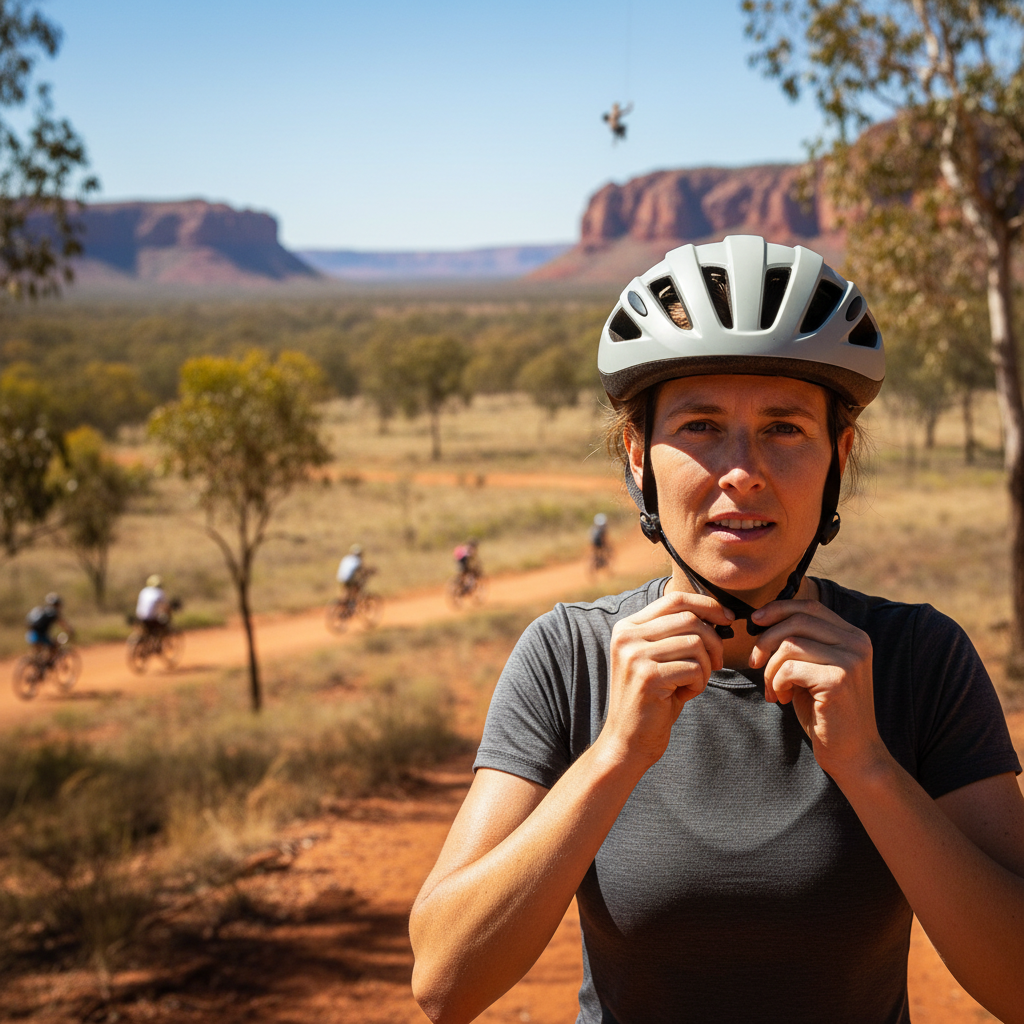
Choosing the Right Helmet Sun Brim: Shielding Yourself in Australian Sun
Australia. We love it. The beaches, the bush, the long days outdoors. But there's something else we can't ignore: our relentless sun. Even on cloudy days, UV radiation poses a serious risk, and when the sun is out in full force, it's a no-brainer – you need protection. That’s where a good helmet sun brim comes in. It’s not just about comfort; it’s about safeguarding your skin, your eyes, and your long-term health.
But not all brims are created equal. What works for a dusty ute track might be overkill for a quick trip to the shops, or not enough for a full day on the water. This guide cuts through the fluff and tells you exactly how to pick the right helmet sun brim for your activity, considering our unique Australian conditions.
Why Bother with a Helmet Sun Brim?
Let’s not beat around the bush. You’re already wearing a helmet for safety. Adding a brim might seem like a minor detail, but it’s a crucial one, especially here.
UV Protection: This is paramount. The sun's UV rays can cause sunburn, premature aging, and significantly increase your risk of skin cancer. A brim extends further shade over your face, neck, and ears – areas often exposed even with a helmet.
Glare Reduction: Direct sunlight can blind you, making activities dangerous. Whether you're driving, cycling, or working outdoors, reduced glare means better visibility and fewer mistakes.
Heat Management: While your helmet’s vents are important, a brim can provide an extra layer of shade, keeping direct sunlight off the helmet's surface and your head cooler. This is a big deal in our heat.
Comfort: Simply put, a shaded face is a more comfortable face. Less squinting, less burning, more enjoyment.
Understanding Australian Sun Conditions
We live under one of the highest UV levels in the world. This isn't an exaggeration; it's a fact. The UV Index, a measure of UV radiation intensity, frequently reaches 'Very High' (7-9) and 'Extreme' (11+) during peak hours, especially in summer. Long daylight hours mean extended exposure periods. Factor in reflective surfaces like water, sand, and roads, and your risk multiplies.
This is why a robust sun protection strategy, including the right helmet brim, isn't optional; it's essential. Don't rely on 'just getting used to it' – that's a recipe for damage.
Activity-Based Brim Selection Guide
Your helmet brim choice should align directly with how and where you'll be using it. Think about the duration of exposure, the intensity of the sun, and your specific needs.
1. Light Duty / Occasional Use (e.g., short commutes, running errands)
If you're just popping to the shops, heading for a short bike ride on a sunny afternoon, or doing a quick bit of gardening, you still need protection, but you don't need maximum coverage.
What to look for: A brim that offers decent face shading without being obtrusive. It should be easy to attach and detach if you don't need it all the time.
Why: You're still exposed to UV, and glare can be an issue even on short trips. A moderate brim strikes a balance between protection and practicality.
Consider: A brim that easily clips on and off, or one that folds. Full face coverage isn't usually a priority here.
2. Moderate Duty / Regular Outdoor Activities (e.g., cycling, walking, construction work)
This is for those who spend a good chunk of their day under the sun. Think tradies on site, recreational cyclists, or serious walkers. This is where UV protection becomes critical.
What to look for: A brim that offers substantial coverage of the face, ears, and neck. Durability is also key.
Why: Extended exposure means cumulative UV damage. Glare can hinder performance and safety. Heat build-up is also a factor.
Consider: Wider brims that extend further forward and around the sides. Look for breathable materials if possible, though the brim itself provides shade.
3. Heavy Duty / Extended Exposure (e.g., farming, mining, long-distance touring, offshore work)
For jobs or hobbies that demand being outdoors for hours on end, often in remote or highly exposed areas. This is where you need maximum defense.
What to look for: The widest possible brim that still allows for safe operation and visibility. It must withstand harsh conditions.
Why: Prolonged, intense UV exposure necessitates the highest level of protection. Reduced visibility due to glare is a major safety hazard. Comfort is crucial for endurance.
Consider: Full-wrap neck and ear protection. Material that is tough, UV-resistant, and easy to clean. Think about how it integrates with other gear you might wear (e.g., safety glasses).
Key Features to Consider
When shopping for a helmet sun brim, keep these features in mind:
Coverage Area: How far forward does it extend? Does it cover your ears and neck?
Material: Is it UV-resistant? Is it durable? Some are made from treated fabrics, others from more rigid plastics.
Attachment Method: How does it connect to your helmet? Is it secure? Is it easy to install or remove? Most modern brims are designed for specific helmet types, but universal options exist. For instance, our Products page showcases various secure attachment systems.
Flexibility/Rigidity: A rigid brim offers consistent shade but can be more cumbersome. A flexible brim might be lighter and easier to store but could flap more in the wind.
Ventilation: While the brim itself doesn't ventilate, ensure it doesn't block your helmet’s existing vents, which would trap heat.
Compatibility: Does it fit your helmet? Not all brims are universal. Check compatibility before buying.
Common Objections and How to Handle Them
Objection 1: “It looks silly.”
Reality Check: You’re thinking about aesthetics; we’re talking about skin cancer. While we design our brims to be functional and robust, a slight visual compromise is a small price to pay for serious protection. Think of it as a badge of smart protection, not a fashion faux pas. Remember, sun damage is permanent, and skin cancer can be life-threatening. Practicality trumps vanity every time.
Objection 2: “I’ll get too hot.”
Reality Check: It’s a valid concern, but often misunderstood. While a brim adds a layer, it primarily provides shade. This shade reduces the direct solar radiation hitting your head and helmet, which can actually make you feel cooler than without it. Good helmet design includes vents to allow airflow under the brim. The key is choosing a brim that doesn't impede this airflow. Our Products are designed with this in mind.
Objection 3: “They’re difficult to put on/take off.”
Reality Check: If a brim is fiddly, it’s a poorly designed one. We recommend looking for systems that are intuitive and secure. For example, our attachment system is designed for quick, tool-free How to Install in seconds. If you’re struggling, it might be time to look at a different product. Check out our FAQ for tips.
Objection 4: “I already wear sunscreen.”
Reality Check: Sunscreen is vital, but it’s not a perfect shield. It wears off, you miss spots, sweat washes it away, and it doesn’t protect against glare. A brim offers consistent, physical blockage, working in conjunction with sunscreen, not as a replacement. Think layered defence.
Step-by-Step Brim Selection
Here’s a straightforward process to ensure you get the right brim:
1. Identify Your Primary Activity: What will you be doing most when wearing your helmet with the brim?
2. Assess Exposure Level: How long are you typically in direct sun for this activity? (Short, moderate, extended)
3. Determine Required Coverage: Do you need basic face shade, or do you need to protect your ears and neck too?
4. Check Helmet Compatibility: Your helmet model might have specific brim options, or you might need a more universal fitting. Visit our Products to see what fits various helmet styles.
5. Consider Environmental Factors: Are you often dealing with dust, water spray, or high winds? This might influence material choice and attachment security.
6. Read Reviews/Ask for Advice: See what other users in similar activities say. Our FAQ section is also a good resource, or you can reach out to us directly.
Quick Checklist for Choosing Your Brim
Use this handy list before you make a purchase:
[ ] Does it provide enough shade for my face?
[ ] Does it cover my ears and neck adequately (if needed)?
[ ] Is it made from durable, UV-resistant material?
[ ] Does it attach securely and easily to my helmet?
[ ] Will it obstruct my helmet's ventilation or my vision?
- [ ] Is it suitable for the typical weather conditions I encounter?
Our Brim Recommendations (Brief)
While we encourage you to browse our full range at Products and consider your specific needs, here's a general guide:
| Activity Type | Recommended Brim Coverage | Key Considerations |
|---|---|---|
| Light Duty | Moderate Face Shade | Easy attachment, lightweight, no vision obstruction |
| Moderate Duty | Extended Face & Ear | Durable, secure attachment, good all-round shade |
| Heavy Duty / Extreme | Full Face, Neck, Ears | Maximum coverage, robust construction, high UV rating |
Conclusion: Your Head Deserves Protection
Choosing the right helmet sun brim isn't a luxury; it's a smart, practical decision for anyone spending time outdoors in Australia. By understanding your activity, the Australian sun's intensity, and the features that matter, you can select a brim that offers optimal protection and comfort. Don't wait for the damage to be done. Invest in a good brim, keep up with other sun-safe practices like sunscreen and protective clothing, and enjoy our incredible country safely. For more information on installation or specific product features, head to our How to Install page or our comprehensive FAQ. Make sure to check out our latest updates and tips on the Blog. Stay shaded, stay safe.