
Choosing the Right Helmet Sun Brim for Australian Conditions
Don't get caught out by the harsh Australian sun. Learn how to pick the best helmet sun brim for your activity to stay cool, comfortable, and protected.
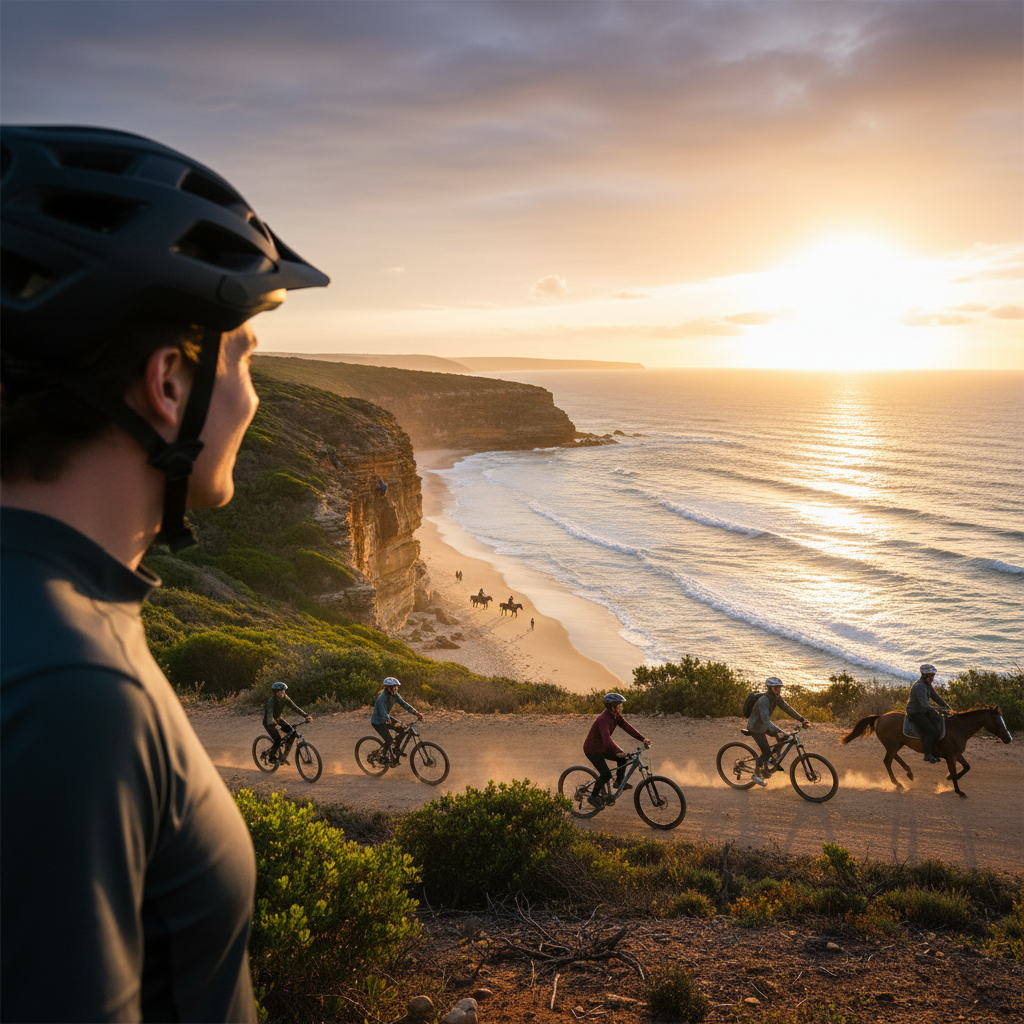
Choosing the Right Helmet Sun Brim for Australian Conditions
Australia. We love it. The sunshine, the wide-open spaces, the outdoor lifestyle. But let's be real, our sun is relentless. That high UV index isn't just for show; it can do some serious damage if you're not protected. And when you're out there enjoying yourself – whether cycling, hiking, working outdoors, or just commuting – your head and face are often the most exposed.
That's where a helmet sun brim comes in. It's not just an accessory; it's essential gear for anyone spending time under the Aussie sun. But not all brims are created equal. The one you need for a grueling mountain bike ride might be overkill, or not enough, for a casual stroll.
This guide will walk you through choosing the right helmet sun brim for your specific activity, focusing on what actually matters here in Australia: UV protection, heat management, and practicality.
Why Bother With a Helmet Sun Brim?
Fair question. You've got a helmet. Isn't that enough?
No. Here's why:
Sunburn: The skin on your face, neck, and ears is vulnerable. Even on cloudy days, UV rays can penetrate. Sunburn isn't just uncomfortable; it's a direct contributor to premature skin aging and increased skin cancer risk.
Eye Strain & Glare: Intense sunlight can make it hard to see, leading to squinting, headaches, and reduced reaction times – especially dangerous if you're operating machinery or navigating tricky terrain.
Heat Stroke & Heat Exhaustion: Australia gets hot. While your helmet's vents help, direct sun beating down on your head can significantly increase your core temperature. A brim offers shade, reducing the heat load on your head.
Comfort: Simple as that. Less glare, less sunburn, less heat equals a more enjoyable experience. You'll last longer outdoors.
Understanding Australian Conditions
We're not talking about a gentle European summer here. When we talk about Australian conditions, we mean:
High UV Index: Regularly hitting 10 or even 11+ during peak daylight hours, especially in summer. This means you can burn in as little as 10-15 minutes without protection.
Intense Sun: The sun feels hotter and brighter. Glare off surfaces like water, sand, or light-coloured roads can be blinding.
Long Daylight Hours: Especially in summer, days are long, meaning more exposure time.
Variable Weather: While we often think of heat, wind can also be a factor, bringing dust or debris that a well-designed brim can help deflect.
Key Features to Consider
When looking at helmet sun brims, especially from our Products range, keep these features in mind:
Coverage Area: How much of your face and neck does it shade?
UV Protection Level: While the brim itself provides shade, some materials might offer additional UV blocking properties (though shade is the primary defence).
Flexibility & Durability: Can it withstand knocks, drops, or being stuffed in a bag?
Ventilation Compatibility: Does it block your helmet's crucial vents? A good brim complements your helmet's cooling system, not hinders it.
Attachment Method: How securely does it attach? Easy to install and remove? We've designed our brims for simple, secure fitting, detailed in our How to Install guide.
Field of Vision: Does it obstruct your peripheral vision?
Weight: Unnecessary weight can cause discomfort during long periods.
Matching the Brim to Your Activity
This is where it gets practical. Your needs on a fast-paced road bike are different from your needs on a slow, technical hike.
1. Cycling (Road, Commuting, Casual)
Needs: Good forward vision for traffic, glare reduction, some neck shade, lightweight, doesn't create excessive drag.
What to look for:
Medium-length brim: Enough to shield your eyes and the bridge of your nose from direct sun without obscuring your vision of the road ahead or your peripheral view. A brim that's too long can catch the wind.
Contoured shape: Designed to work with helmet aerodynamics.
Secure fit: Critical for stability at speed and in wind.
Objection Handling: "Won't it blow off?" Our brims utilise a secure clip system designed for stability. A properly fitted brim won't detach at speed. Check out our Products for specific fitment details.
2. Cycling (Mountain Biking, Gravel)
Needs: Maximum face and neck protection from sun, low branches, and debris. Good downhill visibility is key. Needs to be durable.
What to look for:
Longer, wider brim: Offers more shade for the face and neck, crucial when you're frequently looking up or downhill. Provides better protection from sun and trail hazards. Think of it as a mini-visor.
Robust construction: Needs to handle potential impacts and the rigours of off-road riding.
Secure, easy-to-adjust attachment: You might want to adjust it on the fly.
Objection Handling: "A long brim will get caught on branches." While longer brims offer more sun protection, the key is material and design. Our brims are designed to be flexible enough to flex rather than snap, and the attachment points are robust. For extreme trail use, consider the trade-off between maximum shade and maximum snagging risk. Our range has options for different preferences, browse our Products.
3. Hiking & Bushwalking
Needs: Broad sun protection for face, neck, and ears; protection from sun when looking up at vistas; durability; good airflow.
What to look for:
Wide brim coverage: Maximising shade for face, ears, and the back of the neck is paramount. Think all-around protection.
Slightly flexible material: Can absorb some impact without breaking.
Good ventilation: You're often moving at a slower pace, so heat can build up. The brim shouldn't completely block air intake.
Objection Handling: "It looks too aggressive for hiking." Functionality trumps aesthetics when it comes to sun protection. A longer, wider brim offers superior defence against our harsh sun. You'll appreciate the extra shade when you're hours into a trek under that bright sky.
4. Tretien & Outdoor Work
Needs: Maximum sun protection for prolonged exposure, durability, ability to integrate with safety helmets, minimal interference with work tasks.
*What to look for:
Full coverage: Prioritise brims that offer the most comprehensive shading for the face, ears, and neck. Think wide and deep.
Tough and resilient: Must withstand daily use in potentially harsh environments.
Compatibility: Ensure it fits securely onto your specific safety helmet. Some work helmets have specific mounting points.
Objection Handling: "I need to see clearly to do my job." Choose a brim designed with a specific viewing angle in mind. For many tasks, a longer brim offers crucial protection from glare and direct sun, improving visibility rather than hindering it. If you have specific concerns, consult our FAQ or contact us.
5. Watersports (Kayaking, Paddleboarding)
Needs: Protection from direct sun and reflected glare off water, water resistance, secure fit to prevent loss.
What to look for:
Good face and neck coverage: The sun reflecting off water is intense.
Water-resistant material: Doesn't absorb water and become heavy or degrade.
Very secure attachment: Essential to prevent it from washing away.
Objection Handling: "Will it float if it falls off?" While our main focus is secure attachment, some designs might offer better buoyancy if detached. Our Products list details on materials and intended use.
Quick Comparison Table
| Activity Type | Primary Need | Recommended Brim Width | Recommended Brim Depth | Key Considerations |
|---|---|---|---|---|
| Road Cycling | Glare Control, Aerodynamics | Medium | Medium | Peripheral Vision, Stability at Speed |
| Mountain Biking | Sun & Debris Shield | Long | Long | Durability, Downhill Vision, Snag Resistance |
| Hiking/Bushwalking | Maximum Sun Protection | Wide | Long | Neck/Ear Coverage, Ventilation, Durability |
| Outdoor Work/Tretien | Full Sun Defence | Wide | Very Long | Durability, Helmet Compatibility, Workforce Safety |
| Watersports | Glare & Sun Bounce | Medium | Medium | Water Resistance, Secure Fit, Buoyancy (Optional) |
Step-by-Step: Choosing Your Brim
Forget the guesswork. Follow these steps:
1. Identify Your Primary Activity: What do you do most* often where you wear a helmet?
2. Assess Your Sun Exposure: How long are you typically outdoors? During what hours? What's the typical UV index in your area?
3. Consider Environmental Factors: Are there a lot of trees and branches (MTB, hiking)? Is there a lot of glare (water, open roads)? Are you exposed to dust or debris?
4. Review Helmet Type: Does your helmet have specific mounting points? Is ventilation a major concern?
5. Check Brim Specifications: Look at the product descriptions for width, depth, material, and attachment method. Browse our Products.
6. Read Reviews (if available): See how others in similar activities use and rate the brims. Visit our Blog for user stories.
7. Consider Your Personal Preferences: Some people prioritize maximum coverage, others prioritize minimal visual obstruction.
Installation & Care
Once you've chosen your brim, installation is usually straightforward. Our specific How to Install guide covers all our models. Remember that even the best brim needs care. Keep it clean, check the attachment points regularly, and store it properly to maximise its lifespan.
Final Thoughts
Don't let our incredible Australian sun beat you down. Choosing the right helmet sun brim is a simple, effective step towards staying safer and more comfortable outdoors. Whether you're hitting the trails, the roads, the water, or the worksite, there's a brim designed to enhance your experience and protect your skin.
Invest in your comfort. Invest in your health. Browse our range of helmet sun brims at Products and conquer the Australian outdoors with confidence.