
Burn Proof Your Ride: Sun Protection for Long Australian Cycling Adventures
Don't let sunburn cut short your Australian cycling adventures. Learn practical, no-nonsense strategies to stay protected on long rides, from helmet hacks to essential gear.
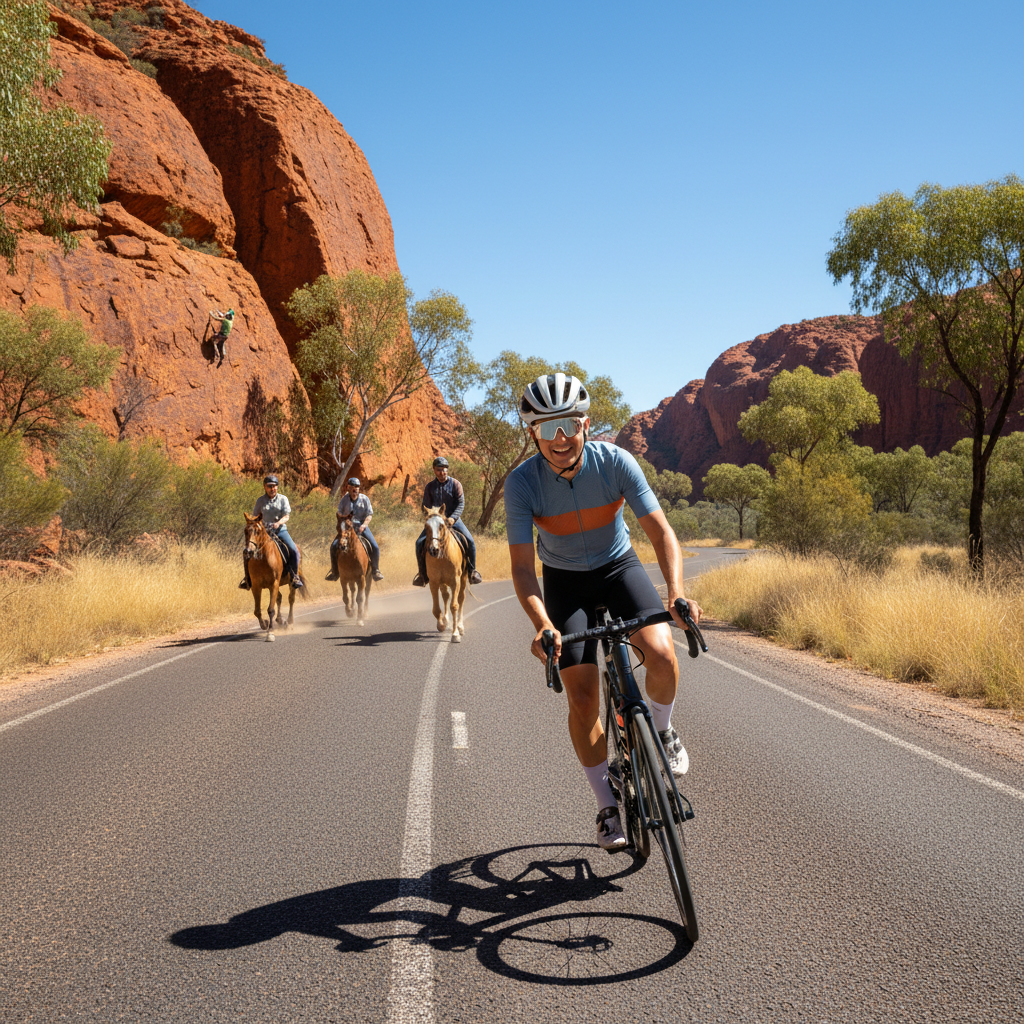
Burn Proof Your Ride: Sun Protection for Long Australian Cycling Adventures
Australia. We love our sun. We love our great outdoors. And for many of us, that means long days in the saddle. But let's be honest, that same glorious sunshine can turn a fantastic ride into a painful, peeling nightmare if you’re not prepared. Sunburn isn't just uncomfortable; it's a serious health risk.
This isn't about fluffy advice. This is about practical, no-BS strategies to keep your skin safe on those epic Australian rides where the sun seems to be in your face for hours on end. We've all been there – forgetting sunscreen on your ears, getting that tell-tale helmet line, or just underestimating how strong the UV can be, even on a cloudy day.
The Harsh Reality of Australian UV Rays on the Bike
Our UV index? It's legendary. Even outside of summer, it can reach dangerous levels. The long daylight hours here mean more exposure time. And when you're on a bike, you're often exposed, with fewer places to hide than walking around town. Your head, face, neck, and arms are prime targets.
Many cyclists think their helmet is enough. It offers some shade, sure, but it's far from a complete solution. The gaps, the airflow vents, the bare skin where the helmet doesn't cover – these are all entry points for damaging UV rays. This is especially true for long rides where you're out for multiple hours.
Common Sunburn Pitfalls for Cyclists
The Helmet Tan Line: Classic. The imprint of your helmet straps and the edge of the helmet itself, leaving you with a lobster-red mark.
Neck Burn: The back of your neck and ears are often forgotten or poorly covered.
Forehead and Temples: Even with a helmet, these areas are exposed to reflected sunlight and peripheral rays.
Hands and Arms: Unless you're wearing long sleeves and gloves, these are constantly hit.
Underestimating UV: Thinking that because it's not scorching hot, the UV is low. False. UV can be high even on cool, breezy days.
Your Go-To Sun Protection Strategy: Beyond Just a Helmet
Your helmet is crucial for safety, but it's only one piece of the sun-protection puzzle. To truly prevent sunburn on long rides, you need a multi-layered approach. This means smart gear choices and consistent application of protective measures.
Essential Gear for Burn-Proof Rides
Here’s what you need to consider:
A Helmet Brim: This is a game-changer. A dedicated helmet brim, like those found in our Products section, extends the shade provided by your helmet, covering more of your face and a lot of your neck. It attaches securely and doesn't interfere with airflow or safety. This is the single most effective addition to your helmet for sun protection.
High SPF Sunscreen: Non-negotiable. Use a broad-spectrum SPF 50+ sunscreen. Look for water-resistant formulas as you'll likely sweat.
UV-Protective Clothing: Invest in lightweight, breathable jerseys with UPF (Ultraviolet Protection Factor) ratings. Long sleeves are your best friend for long rides.
Cycling Sunglasses with UV Protection: Protect your eyes and the delicate skin around them. Wraparound styles are best.
Neck Gaiter or Buff: A lightweight, moisture-wicking neck gaiter can be pulled up to cover your neck and lower face during the hottest parts of the day. Again, look for UV-protective fabrics.
Cycling Gloves: Protect your hands from sun and improve grip.
Sunscreen Application: Do It Right, Do It Often
This is where most people slip up (pun intended). Simply slapping on some sunscreen once isn't enough for a long ride, especially in Australia.
Sunscreen Application Checklist:
[ ] Before You Leave: Apply a generous, even layer to all exposed skin at least 15-20 minutes before heading out. This allows it to dry and bond to your skin.
[ ] High-Contact Areas: Pay extra attention to the back of your neck, ears, hairline, forehead, and any exposed skin on your hands and arms.
[ ] Reapplication is Key: For rides longer than two hours, you must reapply. Carry a small tube or stick in your jersey pocket.
[ ] Don't Forget Non-Obvious Spots: Your scalp (if your hair is thin or parted), shoulders, and even the tops of your feet if you wear sandals or open shoes (though cycling shoes are standard).
The Helmet Brim Advantage: A Closer Look
Let’s get practical about the helmet brim. Many cyclists are hesitant, worried about it looking silly or affecting their ride. Forget that. Modern helmet brims are designed to be functional and discreet.
How a Helmet Brim Works:
Extended Shade: It physically extends the shadow cast by your helmet, significantly covering your face, ears, and neck. This is crucial, especially when the sun is low in the sky or directly overhead.
Reduced Glare: By blocking more direct sunlight from your peripheral vision, it can also reduce glare.
Easy Attachment: Brims like ours attach securely with velcro or clips. They’re designed to be quick to put on and take off, and they stay put. Check out How to Install for simple instructions.
Sun Protection Table: Helmet vs. Helmet + Brim
| Area Protected | Standard Helmet Only | Helmet with Brim | Benefit of Brim |
|---|---|---|---|
| Forehead | Partial | High | Significantly more coverage |
| Temples | Mostly Exposed | Reduced Exposure | Better peripheral shade |
| Ears | Partially Covered | High Coverage | Much better protection |
| Upper Cheeks | Exposed | Significant Coverage | Crucial area protected |
| Lower Cheeks/Jaw | Exposed | Partial Coverage | Adds a layer of protection |
| Neck (Upper) | Exposed | High Coverage | Vital for long rides |
| Neck (Lower) | Exposed | Moderate Coverage | Improved protection |
What to Look For in a Helmet Brim:
Coverage: Does it offer ample shade without obstructing your vision?
Attachment: Is it secure, easy to install and remove?
Durability: Is it made from robust materials?
Ventilation: Does it compromise your helmet's airflow too much? (Most good designs don't).
You can find a range of quality options in our Products section.
Step-by-Step Sun Protection Routine for Long Rides
To make this easy to follow, here’s a step-by-step process. Tailor it to your ride duration and intensity.
Before You Even Think About Riding:
1. Gear Up: Ensure your helmet has a brim fitted (if not, get one from Products). Put on your UPF-rated jersey and any arm warmers or sleeves. Have your sunglasses ready.
2. Sunscreen Application (Phase 1): Apply SPF 50+ broad-spectrum sunscreen to your face, neck (front and back), ears, hands, and any other exposed skin. Ensure an even coat and let it dry.
3. Hydration Check: Start your ride well-hydrated. Dehydration can make you feel the heat and sun more intensely.
During the Ride (Especially Rides > 2 Hours):
4. Mid-Ride Reapplication Strategy: Plan a stop, perhaps at a shop or a quiet spot, around the 2-hour mark. This is where your portable sunscreen comes in handy.
5. Sunscreen Application (Phase 2 - Reapplication): Reapply sunscreen to all exposed areas. Don’t be shy here. This is critical for preventing burns on longer excursions.
6. Neck Gaiter/Buff (Optional but Recommended): If the sun is particularly brutal or you're feeling the heat on your neck and face, pull up your neck gaiter or buff.
7. Take Advantage of Shade: When riding through shaded sections, it's a good time to let your skin breathe for a moment, but don't rely on this.
After the Ride:
8. Post-Ride Moisturise: Apply a good quality moisturiser. If you do get any redness, after-sun lotion can help soothe it. This isn't sun protection but aids skin recovery.
9. Hydrate: Continue to drink plenty of fluids.
Common Objections and How to Handle Them
Objection 1: "Helmet brims look daggy."
Reality: Fashion is subjective, but your skin health isn't. Modern brims are designed for function and are far less obtrusive than you might think. Plus, a bad sunburn looks a lot worse than any brim. Prioritise protection. You can learn more in our FAQ section.
Objection 2: "Sunscreen is greasy and drips into my eyes."
Reality: Use a good quality, quick-drying sunscreen, especially a stick for facial application. Applying it thoroughly before you ride and letting it dry down helps. A helmet brim also helps divert sweat and potential drips away from your eyes. Reapply carefully during your ride, perhaps using a wipe or a quick dab.
Objection 3: "I only ride short distances, so I don't need much protection."
Reality: Even short exposures add up. If you ride regularly, the cumulative damage from UV exposure is significant. Always protect yourself. It's better to be overprepared. For more on this, head to our Blog.
Objection 4: "I wear a cap under my helmet."
Reality: A cycling cap can provide some shade, but it often bunches up, interferes with helmet fit, and doesn't cover the back of your neck or ears effectively. It can also trap heat. A dedicated helmet brim offers superior, integrated protection without these drawbacks.
Don't Let the Sun Win
Long rides in Australia are fantastic. But they require preparation. Sunburn is an avoidable consequence of not taking your sun protection seriously. By incorporating practical tools like helmet brims, using sunscreen effectively and often, and wearing protective clothing, you can ensure your adventures are memorable for all the right reasons – not for the pain of sunburnt skin.
Ready to upgrade your sun protection setup? Explore our range of helmet brims and other essential gear in our Products section. It’s the smartest investment you’ll make for comfortable, safe, long rides under the Australian sun.