
Beyond the Sunscreen: Essential Sun Protection for Horse Riders You're Probably Missing
Don't let the Australian sun sideline your riding. Discover the often-overlooked sun protection strategies every horse rider needs, from protecting your scalp to managing heat stroke.
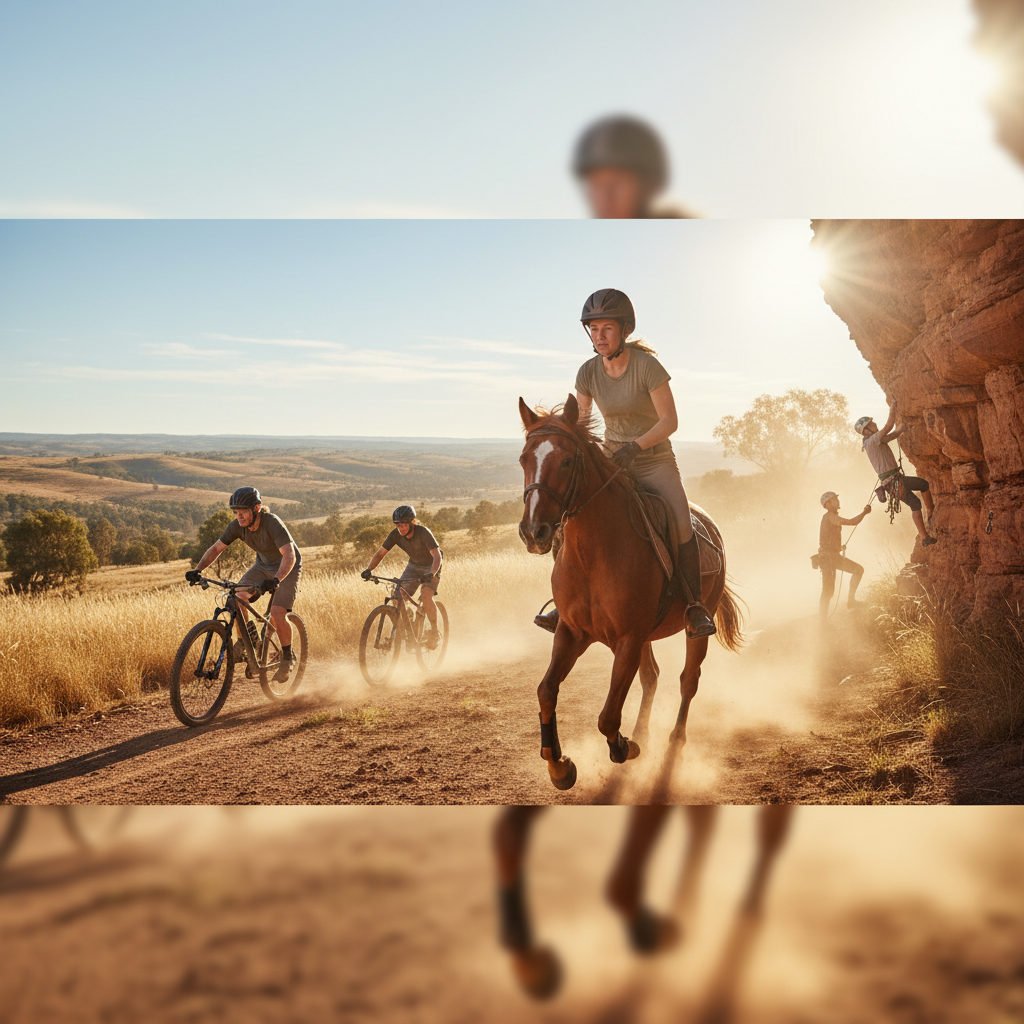
Beyond the Sunscreen: Essential Sun Protection for Horse Riders You're Probably Missing
The Australian sun is legendary. Brilliant, beautiful, and potentially brutal. As horse riders, we spend hours in the saddle, often exposed to its full force. We slather on sunscreen, slap on a hat, and think we're covered. But are we? Most riders miss crucial sun protection strategies that can impact comfort, performance, and long-term health. Let's get practical.
The Obvious (and Not So Obvious) Dangers
We all know about sunburn. Red skin, peeling, pain – it’s annoying, but usually temporary. The real issues for riders go deeper:
Scalp and Hair Damage: Your scalp is skin, and it burns. Especially the parting of your hair or any thinning areas. This isn't just about a red scalp; it contributes to premature ageing of the skin and hair follicle damage. Think about how much scalp is exposed under your helmet. Hats offer minimal protection when worn under a helmet, and the helmet itself can actually trap heat and sweat, exacerbating the problem.
Eye Strain and Damage: Glare can significantly impair your vision, making it harder to see approaching obstacles, judge distances, or even spot subtle changes in your horse’s behaviour. Long-term exposure without adequate eye protection increases the risk of cataracts and other eye conditions.
Heat Exhaustion and Heat Stroke: Australia’s summer heat, paired with the physical exertion of riding and the insulating effect of riding gear and helmets, is a recipe for heat-related illness. This is not a joke. Heat exhaustion can rapidly escalate to heat stroke, a life-threatening emergency. Symptoms often sneak up – fatigue, dizziness, nausea, confusion. These aren't just signs you need a break; they're danger signals.
Dehydration: On hot days, you're losing fluid through sweat constantly. Even if you don't feel thirsty, your body can become dangerously dehydrated. Dehydration impacts concentration, physical performance, and can contribute to overheating.
Cumulative Sun Damage: The sun's UV rays cause cumulative damage over years. This leads to premature ageing (wrinkles, sunspots) and, more critically, increases your lifetime risk of skin cancer. Every bit of unprotected exposure adds up.
What Most Riders Get Wrong
It’s not just about applying SPF 50. Here’s where the common gaps are:
Underestimating UV Index: We often ride when the UV index is high, even if it doesn’t feel intensely hot. Those long summer days mean prolonged exposure, even during what feels like milder parts of the day.
Focusing Only on Exposed Skin: We diligently apply sunscreen to arms and face. But what about the ears, the back of the neck, and the scalp we mentioned? These areas are prime targets.
Relying on Helmets for Sun Protection: Helmets are for impact protection, not UV protection. While some might offer shade to the face, most leave significant portions of the scalp and neck exposed, and they can trap heat, making you hotter.
Insufficient Hydration Strategy: Thinking you’ll just grab a drink after your ride is too late. You need to pre-hydrate and sip consistently during longer rides.
Ignoring Early Symptoms: Pushing through dizziness or nausea on a hot day is incredibly risky. Your body is telling you to stop.
Practical Solutions for Sun-Savvy Riders
Let's move from problems to solutions. These are actionable steps you can take immediately.
1. Head and Scalp Protection: Your First Line of Defence
This is where most riders are seriously failing. Sunscreen on your scalp can wash off with sweat, and a hat under a helmet offers minimal protection. The solution? Consider a helmet brim designed specifically for the job.
DA! BRIM™ Helmet Brim: This is a game-changer for Aussie riders. It attaches to your existing helmet, providing significant shade to your face, ears, and neck. It’s lightweight, breathable, and dramatically reduces glare and UV exposure to your most vulnerable areas. No need to replace your helmet, just enhance it. Check out our Products page for options.
Apply Sunscreen Generously and Reapply: Even with a brim, your ears and neck need protection. Use a broad-spectrum SPF 50+ sunscreen and reapply every two hours, or more often if sweating.
Consider a Light, Breathable Under-Helmet Cap: Choose one made from moisture-wicking fabric. This can offer a thin layer of extra protection and help manage sweat, but it's not a substitute for a proper brim.
2. Eye Protection: See Clearly, Ride Safely
Good sunglasses are non-negotiable. Look for:
UV Protection: Ensure they block 100% of UVA and UVB rays.
Polarisation: This cuts down glare significantly, improving visibility.
Comfort and Fit: They need to stay put while riding.
3. Hydration and Cooling: Beat the Heat
This requires a proactive strategy, especially during the warmer months.
Pre-hydrate: Drink plenty of water in the hours leading up to your ride.
Sip Consistently: Carry a water bottle and take small sips every 15-20 minutes.
Electrolytes: For longer rides or particularly hot conditions, consider electrolyte supplements to replace lost salts.
Cooling Techniques: Dampen a bandanna and wear it around your neck, or use a spray bottle filled with water to mist yourself. Take breaks in the shade where possible.
4. Clothing: Coverage is Key
Think beyond short sleeves:
Long-Sleeved Riding Shirts: Opt for lightweight, breathable, UV-protective fabrics. Many brands now offer specific UPF (Ultraviolet Protection Factor) rated clothing.
Light Colours: Dark colours absorb more heat.
A Quick Sun Protection Checklist for Riders
Print this out. Make it your pre-ride ritual:
[ ] Apply broad-spectrum SPF 50+ sunscreen to all exposed skin (face, neck, ears, arms, hands – reapply every 2 hours).
[ ] Apply sunscreen to scalp parting or areas of thinning hair.
[ ] Fit and secure DA! BRIM™ helmet brim for maximum facial and neck shade.
[ ] Wear 100% UV-protective, polarised sunglasses.
[ ] Pre-hydrate well before your ride.
[ ] Carry water and sip regularly during the ride.
[ ] Wear lightweight, long-sleeved UPF-rated riding shirt.
[ ] Consider a light, moisture-wicking under-helmet cap.
[ ] Be aware of heat exhaustion/stroke symptoms: dizziness, nausea, excessive fatigue, headache, confusion.
When to Seriously Reconsider Riding
Sometimes, the smartest sun protection is not riding at all, or at least altering your schedule.
Extreme UV Index: If the UV index is forecast to be above 8 or 9, especially during peak UV hours (10 am - 3 pm), consider resheduleing to early morning or late evening.
Extreme Heat Warnings: If the Bureau of Meteorology issues a heatwave warning, prioritize safety. Your horse will thank you too.
Feeling Unwell: If you wake up feeling fatigued, unwell, or already dehydrated, a riding session is a bad idea.
Installing Your DA! BRIM™ Helmet Brim
Worried about the installation process? It’s designed to be simple and secure. Most of our brims attach using robust clips or Velcro, fitting most standard equestrian helmets. For detailed guidance, please refer to our How to Install page. It takes just a few minutes but adds hours of effective sun protection.
FAQs: Your Burning Questions Answered
We get asked a lot about sun protection on the yard. For more in-depth answers to common questions about rider safety, horse care in the heat, and our products, visit our FAQ section.
Protect Yourself, Ride Longer
Don't let the Australian sun dictate when and how long you can ride. By addressing the often-overlooked aspects of sun protection – particularly scalp and eye protection, proactive hydration, and listening to your body – you can enjoy your time in the saddle safely and comfortably. Invest in better protection. It’s not about luxury; it’s about sensible, practical equine and rider health. For more tips and product information, explore our Products or browse our Blog for further insights.
Your health and your horse’s well-being depend on it. Ride smart. Ride safe.