
Beyond the Helmet: Your Sun Protection Blind Spot as a Horse Rider
You're wearing a helmet, so you're covered, right? Wrong. Australian sun is brutal. Discover the crucial sun protection steps horse riders often miss, and how to stay safe.
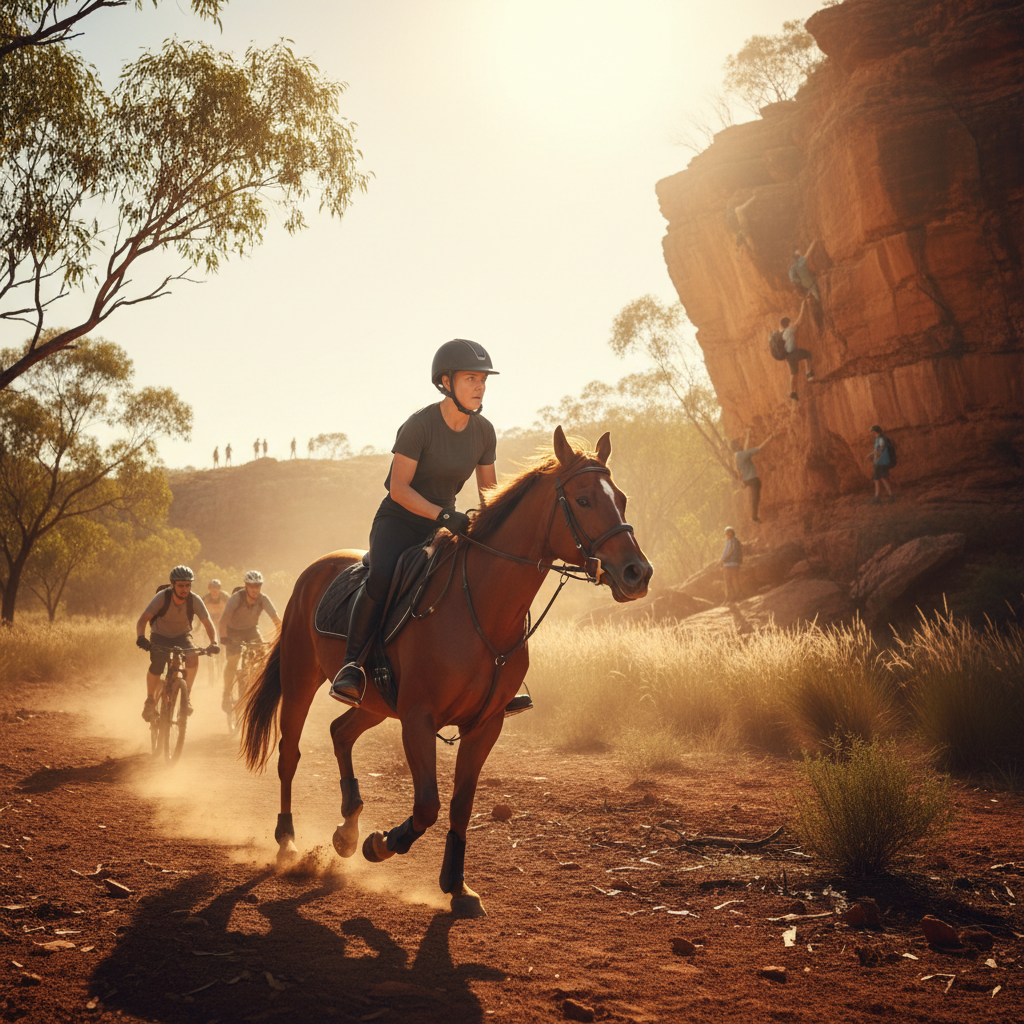
Beyond the Helmet: Your Sun Protection Blind Spot as a Horse Rider
Australian sun. It's a fact of life for us. We know it’s strong, we know we need to be careful, and if you're like most horse riders, you're probably thinking, "I wear a helmet. I'm covered."
And you're partially right. A helmet is essential for safety, no argument there. But when it comes to sun protection, that helmet alone leaves massive gaps. Gaps that can lead to premature ageing, sunburnt skin, and a significantly increased risk of skin cancer. And let's not forget comfort – squinting all day in the glare isn't exactly a recipe for enjoying your ride.
This isn't about scaring you; it's about arming you with the facts and practical solutions most riders overlook. We live Down Under. Our UV index can soar, our heat can be relentless, and our days in the saddle can be long. Pretending a helmet is a 'one-and-done' sun solution is a risky game.
What Most Horse Riders Miss About Sun Protection
Let's break down where your sun protection strategy might be falling short.
1. The Unprotected Neck and Ears
Your helmet doesn't cover your neck. Period. The back of your neck, the nape area, the side of your ears – these are prime real estate for sun damage. Whether you're leaning forward over a jump or simply holding your reins, these areas are exposed.
Problem: Constant, cumulative sun exposure on these sensitive parts of the skin. They can burn quickly and are often forgotten until it's too late.
Consequence: Sunburn, leathery skin, increased risk of skin cancers (especially on the ears).
2. The Unprotected Face (Around and Under the Helmet)
Even with a helmet, parts of your face are still vulnerable. Think about the area just above your helmet line, and crucially, the skin under the straps and padding. If your helmet doesn't have a substantial brim, your nose, cheeks, and forehead are still soaking up direct rays.
Problem: Sunlight penetrating through gaps, reflecting off surfaces, and direct exposure on areas not fully shaded by the helmet.
Consequence: Sunburn on the nose, cheeks, and forehead. Eyes still exposed to glare, leading to squinting and eye strain.
3. The Sunburnt Scalp (If You Have Thinning Hair or Part Your Hair)
If your hair is thinning, or if you have a distinct part, your scalp is a major vulnerability. Helmets, especially those that aren't well-ventilated, can trap heat and make you feel hotter, but they don't magically block UV rays from reaching your scalp.
Problem: Direct UV exposure on the scalp.
Consequence: Extreme discomfort, scalp burns, and an increased risk of melanoma on the scalp (a particularly dangerous type).
4. The Midday Sun is a Killer
We often ride during peak sun hours – late morning through to mid-afternoon. This is precisely when the UV index is at its highest. A lightweight helmet might feel breezy, but it provides zero UV barrier for the exposed parts of your body.
Problem: Prolonged exposure to intense UV radiation during the most dangerous part of the day.
Consequence: Rapid and severe sunburn, heatstroke, and significant long-term skin damage.
5. The "Just a Quick Ride" Trap
It’s easy to think, "I'm only out for 30 minutes, I'll be fine." But in Australia, 30 minutes in the midday sun can be more than enough to cause damage, especially if you're riding regularly. Cumulative damage is the name of the game with skin cancer.
Problem: Underestimating the intensity and cumulative effect of UV exposure.
Consequence: Daily, small exposures add up over a lifetime, significantly increasing your lifetime risk of skin cancer.
The Essential Sun Protection Checklist for Horse Riders
This is your no-nonsense guide to doing it right. Don't leave home without addressing these.
[ ] Helmet with Adequate Brim: Look for helmets designed with riders in mind, offering a decent brim to shade your face and eyes. Or, consider an add-on brim like the DA BRIM.
[ ] High SPF Sunscreen (SPF 50+): Apply liberally to all exposed skin 20 minutes before you ride. Don't forget your ears, neck, and face.
[ ] Water-Resistant Sunscreen: If you sweat a lot (and who doesn't when riding in Australia?), look for water-resistant formulas.
[ ] Broad-Spectrum Protection: Ensure your sunscreen protects against both UVA and UVB rays.
[ ] Lip Balm with SPF: Your lips can burn too!
[ ] Sunglasses: Essential for protecting your eyes from glare and UV rays. Choose ones with 100% UV protection.
[ ] Sun-Protective Clothing: Consider long-sleeved, lightweight, UPF-rated riding shirts for extra protection. Many are designed specifically for equestrian use.
[ ] Neck Gaiter or Scarf: A lightweight, breathable neck gaiter can be pulled up to protect your neck and lower face.
[ ] Hat Under Helmet (Optional, Check Helmet Fit): Some riders wear a thin, sweat-wicking skull cap or balaclava that extends down to cover the neck. Ensure this doesn't compromise your helmet fit – safety first!
[ ] Reapplication Strategy: If you're out for extended periods, plan for reapplication. Keep a travel-sized sunscreen in your gear bag.
Why Your Current Helmet Isn't Enough: Focusing on the Gaps
Let’s be blunt. Most standard equestrian helmets are designed for impact protection, not comprehensive sun shielding. They might offer some shade from the very top, but that’s it.
Think about it: the front of many helmets is quite short. It doesn’t extend far enough to block the sun hitting your nose, cheeks, or the tops of your ears. And the sides? Forget about it. What about the sun coming from the side or even slightly behind you? You’re still exposed.
This is where solutions that add to your existing helmet, rather than replacing it entirely, become incredibly practical. The goal is to extend the shade your helmet provides without compromising fit, ventilation, or safety. We want to cover those blind spots.
Practical Solutions for Unprotected Areas
1. The Neck and Ears: Go Beyond Sunscreen
While sunscreen is non-negotiable, relying on it alone for the neck and ears is a common mistake. It can rub off, you can miss spots, and reapplication isn't always convenient mid-ride.
The Neck Gaiter/Scarf Hack: A lightweight, breathable fabric gaiter (like those made from merino wool or technical synthetics) is your best friend. You can pull it up over your lower face and neck when the sun is high or harsh. They're cool, wick sweat, and provide a physical barrier.
Protective Clothing: Long-sleeved shirts with a high collar offer excellent protection. Look for lightweight, breathable fabrics designed for riding. Some even have built-in UPF protection.
2. Face Protection: Extending Your Helmet's Shade
This is arguably where the biggest oversight happens. The nose, cheeks, and forehead need more than just a helmet that might offer a sliver of shade at best.
Add-On Brim Technology: This is where innovation meets necessity. Products designed to attach to your existing helmet can dramatically extend the brim's protective coverage. Think wider brims that cast a significant shadow over your face, protecting your nose, cheeks, and eyes from direct sun. These are often designed to be lightweight and secure, not interfering with your helmet's safety features. Learn more about helmet brim solutions here.
Sunglasses are Crucial: Even with a brim, direct glare can be an issue. Wrap-around sunglasses designed for sports offer the best protection for your eyes and the delicate skin around them.
3. Scalp Protection: Don't Ignore It
If you have any concerns about thinning hair or a visible part, treat your scalp like you would any other exposed skin.
Sunscreen on the Scalp: Apply SPF 50+ directly to your scalp, especially along your parting. This can feel a bit greasy, so lightweight sprays or sticks can be easier to manage.
Under-Helmet Caps: Thin, moisture-wicking skull caps or balaclavas can provide an extra layer of protection. Crucially, ensure this does not affect your helmet's fit. A compromised helmet fit is a serious safety risk. Check How to Install any accessories to ensure they don't interfere with your helmet's primary safety function.
A Step-by-Step Pre-Ride Sun Protection Routine
Make this a habit. It takes minutes but offers hours of protection.
1. Apply Sunscreen Generously (20 mins before ride):
Face: Nose, cheeks, forehead, chin.
Ears: Front, back, and lobes.
Neck: Front, back, sides, and nape.
Any other exposed skin (e.g., arms if not wearing long sleeves).
Your lips (with SPF lip balm).
Your scalp if applicable.
2. Apply Sunscreen to Neck Gaiter/Scarf (if applicable): If the fabric isn't inherently UV protective, a light sunscreen application can boost protection.
3. Don Your Sun-Protective Clothing: Long sleeves, neck gaiter pulled up, etc.
4. Put On Sunglasses: Ensure they fit snugly.
5. Don Your Helmet: Ensure proper fit. If you're using an add-on brim, ensure it's securely attached and doesn't impede vision or fit.
6. Final Check: Look in the mirror. Are there any gaps? Any areas you might have missed?
Don't Wait for the Burn: Prevention is Key
We're lucky to live in Australia and enjoy our horses outdoors. But that privilege comes with responsibility. The sun here is unforgiving, and the damage it causes is cumulative and often irreversible. Wearing a helmet is a critical safety step for riding, but it’s not the end of your sun protection story.
By acknowledging the blind spots and implementing practical, multi-layered strategies, you can ensure your rides are not only safe but also comfortable and healthy for your skin. Don't let what most people miss become your downfall. Invest in your skin's future and enjoy your time in the saddle, protected.
For more information about specific sun protection solutions for riders, check out our Products page, and if you have questions about installation or usage, our FAQ section is a great resource. Don't forget to explore more tips on our Blog.