
Beyond the Helmet: Ultimate Sun Protection for Long Australian Road Rides
Your helmet is crucial, but it's only part of the picture for sun protection on long Australian road rides. Learn how to shield yourself from harsh UV and stay comfortable.
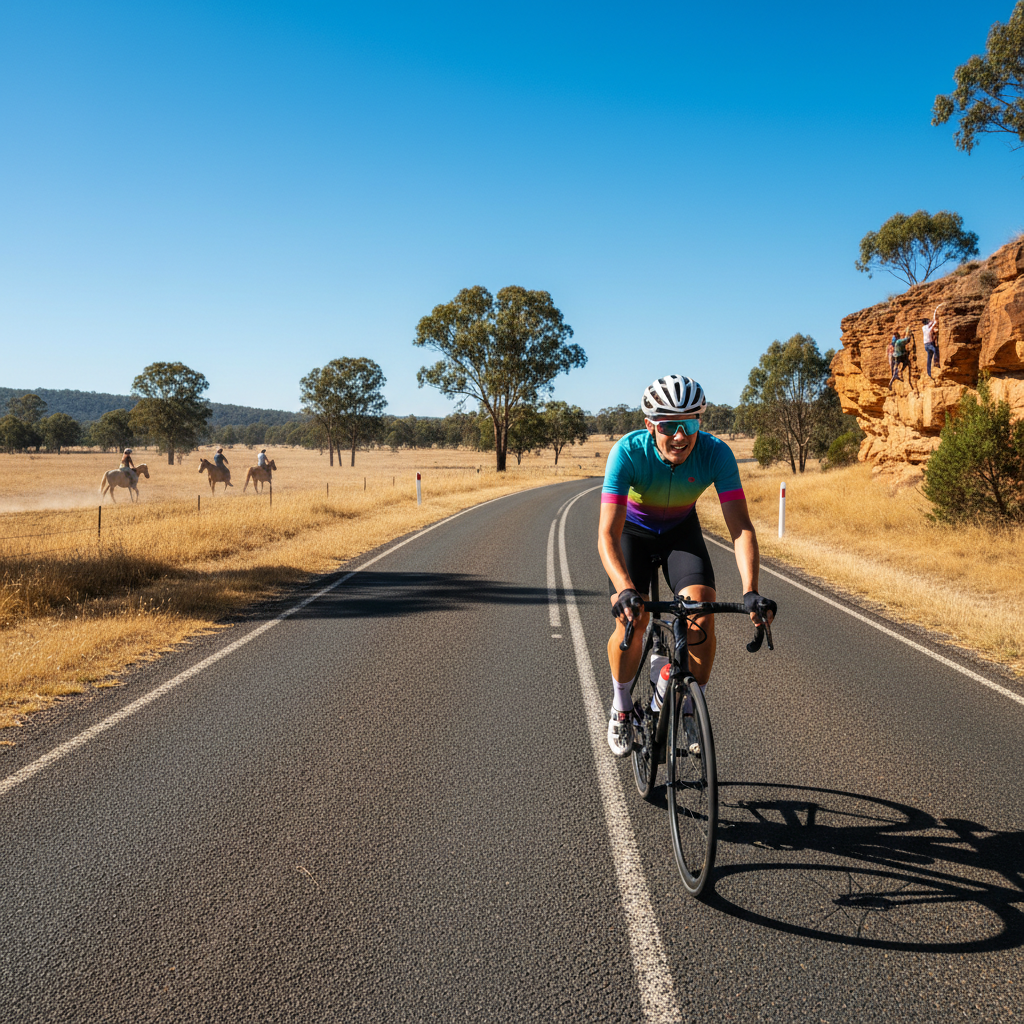
Australian sun. It's a beautiful thing, powering our lives and making us the outdoor nation we are. But for cyclists, especially on those epic long road rides that define our weekends, it's also a serious hazard. You've got the helmet – good. That's your first line of defence. But is it enough? Does it cover everything? Let's get real about sun protection for your long haul rides.
The Problem with Just a Helmet
Helmets are designed for impact protection, not comprehensive sun coverage. While they offer shade for the top of your head and a bit for your forehead, they leave a lot exposed. Think about it: your ears, your neck, your face, your eyes. These are prime real estate for sun damage, and on a long ride, you’re often out during peak UV hours.
Australia consistently ranks high for UV radiation. We all know that feeling of getting off the bike after a few hours and realising your ears have turned a painful shade of red, or your neck feels like it's been roasted.
Beyond the Basics: What You Need For Full Protection
We're talking about extended exposure here. The kind of kilometres you rack up on a Saturday or Sunday morning. The sun angle changes, your position on the bike means different parts catch the rays, and that constant exposure adds up. Forget popping into a cafe for an hour; on a long ride, you're fully committed. Here's what you actually need:
1. Your Helmet and It's Limitations
Let's start with the lid. Most standard cycling helmets offer minimal shade beyond the immediate brow. While some have a small forward brim, it's often insufficient for true sun protection, especially when the sun is lower in the sky or directly overhead. The vents designed for cooling can also be a pathway for UV rays to reach your scalp.
Don't get me wrong, your helmet is non-negotiable for safety. But for sun protection, it needs support.
2. Eye Protection: Non-Negotiable
Eyes are incredibly sensitive to UV damage. Long-term exposure increases the risk of cataracts and other eye conditions. Plus, on a bright day, glare can impair vision, which is dangerous on the road. You need high-quality cycling sunglasses with full UV protection. Look for lenses that wrap around to block light and debris from the sides. Consider photochromic lenses that adapt to changing light conditions – perfect for rides that start in the dawn and finish mid-afternoon.
3. Neck and Ear Coverage: The Unsung Heroes
This is where many cyclists fall down. The back of your neck and your ears are often completely exposed. Think about the angle you sit at while riding; your neck is tilted forward, presenting its underside to the sun. Your ears stick out, soaking up rays. A lightweight, breathable neck gaiter or a specific cycling cap with a long neck flap can make a huge difference. These are crucial for prolonged exposure.
4. Face Protection: Beyond Sunscreen
Sunscreen is an essential part of your arsenal, but it has its limitations on a long ride. It can sweat off, it needs reapplication, and sometimes you just don't have the time or the desire to be fiddling with it. A wide-brimmed helmet attachment can drastically improve the shade over your face, protecting your nose, cheeks, and chin. Combined with sunglasses, this offers much more reliable, hands-free coverage.
The 'Da Brim' Advantage: Solving the Shade Problem
This is where innovations like the Da Brim helmet attachment come into their own. These aren't your flimsy cycling caps that slip around. They are designed to integrate with your existing helmet, significantly extending the brim and providing substantial shade for your face and neck. They’re built tough for Australian conditions.
Extended Shade: Think a wide, forward-facing brim that cuts out glare and keeps the sun off your nose and cheeks. Some models extend coverage at the sides and rear too.
Neck Protection: The design often incorporates a longer rear section, effectively shading the vulnerable nape of your neck.
Durability: Made from robust materials, they can handle being packed away and used on ride after ride.
If you're serious about long road rides in Australia, relying solely on your helmet's built-in brim is a gamble. An attachment like Da Brim offers a practical, effective solution to extend your sun protection.
Practical Tips for Long Rides
Sun protection isn't just about the gear, it's about the strategy. Here’s how to approach it for those epic Australian rides:
Sunscreen is Still King (but needs backup): Apply a broad-spectrum, high SPF sunscreen to all exposed skin before you even get on your bike. Don't forget ears, neck, and the back of your hands if you're not wearing gloves. Reapply if your ride is over 4 hours or if you're sweating heavily.
Strategic Timing (When Possible): If you have flexibility, try to schedule your longest efforts for outside of the peak UV hours (10 am - 3 pm). Early mornings and late afternoons are your friends.
Hydration and Sun Protection: Dehydration can make you feel worse, and ironically, can sometimes make your skin feel more sensitive. Stay properly hydrated.
Clothing Matters: Wear UV-protective cycling jerseys and bib shorts. Light colours reflect heat better, but dark colours can sometimes offer better UV protection – check the UPF rating. Ensure sleeves are long enough to cover your arms for as much of the ride as possible.
Helmet Fit and Straps: Even with an attachment, ensure your helmet fits snugly. Loose straps can be annoying and ineffective. Make sure the helmet sits level.
Table: Sun Protection Gear Checklist for Long Rides
| Gear Item | Primary Function | Australian Condition Relevance | Notes | |
|---|---|---|---|---|
| Cycling Helmet | Impact Protection (Base Layer) | Essential for all road riding | Supports other protection methods. | |
| Helmet Brim Extender (e.g. Da Brim) | Extended Face & Neck Shade | High UV, long ride exposure | Significantly boosts coverage, reduces reliance on reapplication. | Products |
| UV-Protective Sunglasses | Eye Protection (UV & Glare) | Bright sun, high UV index | Wraparound style for best coverage. | |
| Neck Gaiter / Long Neck Flap | Neck & Lower Ear Protection | Constant UV exposure on neck | Lightweight and breathable is key. | |
| Broad-Spectrum SPF Sunscreen | Skin UV Protection | All exposed skin, long duration | Apply generously, reapply if needed. | |
| UV-Protective Cycling Apparel | Arm, Torso, Leg Protection | Prolonged daylight hours | Look for UPF ratings on jerseys and bibs. |
Putting It All Together: A Step-by-Step Approach
How do you implement this without making it overly complicated? It’s about building good habits.
Step 1: Pre-Ride Prep (Minimum 20 mins before leaving)
Apply high SPF, broad-spectrum sunscreen to all exposed areas: face, neck (front and back), ears, hands, and any visible skin on arms or legs. Don't forget the back of your hands! Do this while you're getting your bike ready or eating breakfast.
Ensure all your protective gear is in place. This includes your sunglasses being clean and ready, and any neck gaiter sorted. If you use a Da Brim, ensure it's securely attached to your helmet and you've learned How to Install it correctly. A well-fitted brim makes all the difference.
Step 2: On the Ride - Maintain and Adapt
Utilise your extended brim: Notice how much extra shade the Da Brim provides. This is passive protection, working constantly without you needing to think about it.
Check your neck: Periodically, especially on longer climbs or when you stop briefly (if safe to do so), touch your neck. Does it feel hot? Is the sunscreen still there?
Sunglasses check: Ensure they haven't slipped down your nose, compromising your peripheral vision or exposing your eyes.
Reapplication strategy (if needed): If you're on a ride exceeding 4-5 hours, or if it’s exceptionally hot and you're sweating profusely, planned reapplication is key. A small tube of sunscreen can fit in a jersey pocket. Stop at a safe, convenient point (e.g., a quiet roadside or a planned cafe stop) to reapply to your face and neck.
Step 3: Post-Ride Assessment
Check for any missed spots. Did your ears get missed? Is the top of your head still warm?
Hydrate well and check your skin for signs of sunburn. Early detection means you can treat it and learn for next time.
Common Objections and How to Handle Them
"It looks silly/un-aerodynamic."
> Reality: Aerodynamics matter, but so does skin cancer. Modern helmet brim extenders are designed to be relatively sleek and certainly less intrusive than a badly burnt nose. Your health and comfort on the bike in the long run are more important than marginal aerodynamic gains, especially for most recreational and endurance riders.
"It's too much hassle to put on/take off."
> Reality: Once you get the hang of attaching a Da Brim to your helmet (which is quick, see How to Install), it's on and stays on. The hassle is far less than dealing with sunburn, premature ageing, or worse.
"I'll just reapply sunscreen."
> Reality: On a long, hot, dusty Australian ride, sunscreen sweats off, gets wiped off, and needs frequent reapplication. An extended brim provides consistent, passive protection that sunscreen alone can't match. It's a supplementary system, not a replacement for sunscreen, but a far more reliable one for prolonged exposure.
"My helmet is good enough."
> Reality: As we've discussed, most standard helmets offer minimal coverage. If a more robust, extended brim is an option that fits your helmet, it's a worthwhile investment for the extensive sun exposure cyclists face in Australia. Check out the range on our Products page.
Conclusion: Ride Smarter, Ride Safer
Don't let the beautiful Australian sun turn your long road rides into a painful ordeal or a long-term health risk. Your helmet is essential, but for comprehensive sun protection, especially in our harsh climate, it needs reinforcement. Prioritise eye, neck, and face coverage. Look into practical solutions like helmet brim extenders such as Da Brim. Combine this with good sunscreen habits and appropriate apparel. For more information on common questions, visit our FAQ. Happy riding, and stay shaded!
Want to explore more cycling tips and news? Check out our Blog.