
Beyond Direct Sun: How Rock Reflection Amplifies UV Damage for Climbers
Your helmet protects your head, but what about your face and neck? Learn how UV reflects off rock and why you need extra sun protection when climbing in Australia.
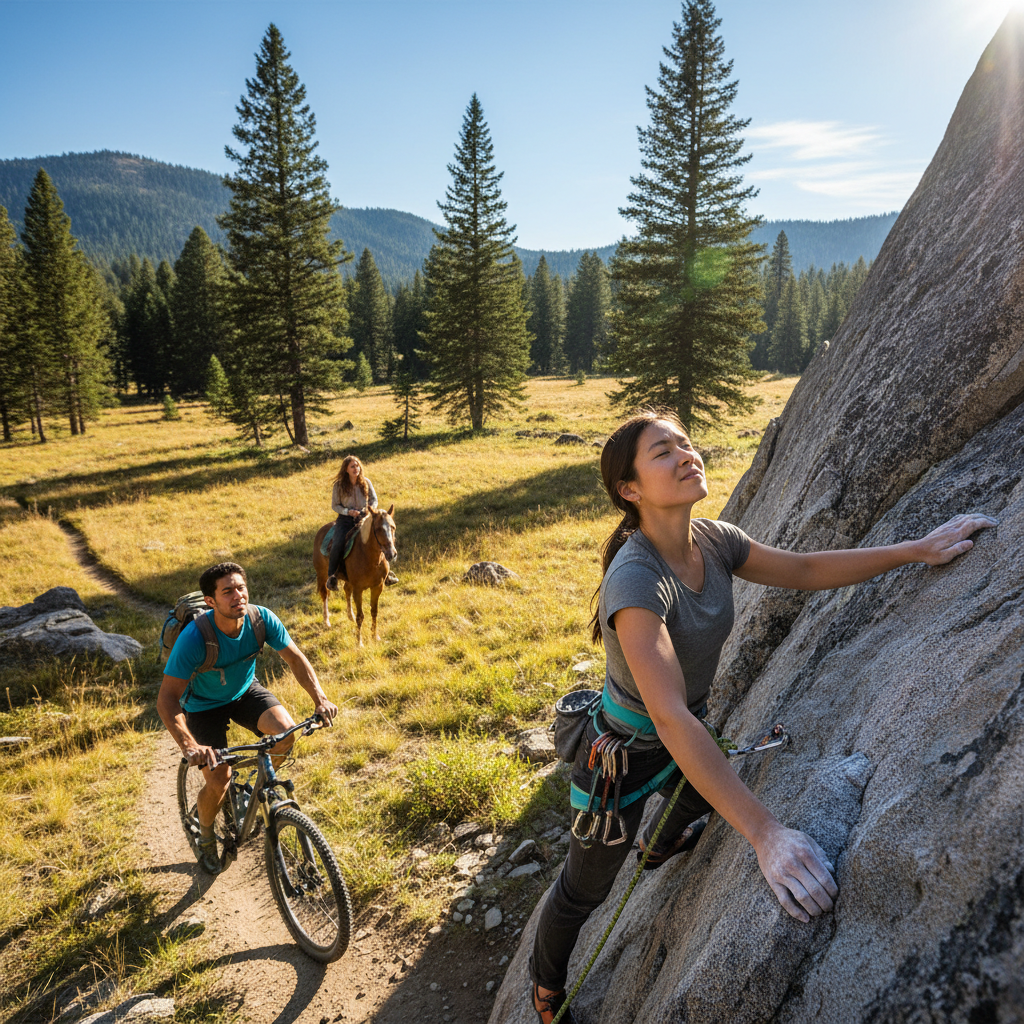
Beyond Direct Sun: How Rock Reflection Amplifies UV Damage for Climbers
Australia. We love our outdoors, and for many, that means heading out to the crags. Rock climbing offers an incredible challenge, a connection to nature, and a killer workout. But let's talk about something else that’s abundant in our beautiful country: the sun. And more specifically, the sneaky way it can amplify its damage when you're out climbing.
You might think your helmet is your silver bullet against the sun. And yes, it's crucial for protecting your noggin from falls and impacts. But what about the rest of you? Your face, your neck, your ears – these areas are often exposed, and when you add the reflective power of rock, the UV damage can be far worse than you realise.
The Invisible Threat: UV Rays and Reflection
We all know the sun emits ultraviolet (UV) radiation. This radiation is split into UVA and UVB rays. UVA rays penetrate deeper into the skin, contributing to premature ageing and skin cancer, while UVB rays are the primary cause of sunburn.
When sunlight hits a surface, it can either be absorbed or reflected. Darker surfaces tend to absorb more, while lighter, rougher surfaces reflect more. In the context of climbing, the rock itself becomes a significant secondary source of UV radiation.
Consider this: direct sunlight hits the rock face. Instead of just warming the rock, a substantial portion of that UV radiation bounces off. Where does it go? It can scatter in all directions. For you, clinging to that rock face, it means you’re not just getting hit by the sun from above, but also from the surfaces all around you – below, to the sides, and even those you can't see directly.
Why Australian Conditions Make This Worse
Australia is notorious for its high UV levels. Our UV Index often reaches extreme levels, even on cloudy days. Coupled with long daylight hours, particularly during summer, and the intense heat that can make you stay out longer, the cumulative exposure is significant.
High UV Index: Even a moderate UV Index of 3 can cause skin damage over time. Australia frequently sees UV Indexes of 10 and above, which is considered very high to extreme. At these levels, unprotected skin can burn in as little as 10 minutes.
Long Daylight Hours: Summer days stretch on, giving the sun more time to deliver its dose of UV radiation. If you’re out on a multi-pitch climb or spending an entire day at the boulders, that’s a lot of cumulative exposure.
Heat: While heat and UV are different, they often go hand-in-hand. High temperatures can make you feel like you have to get out of the sun, but ironically, the very conditions that make it hot (clear skies, strong sun) are also the conditions that maximise UV exposure and reflection.
The Cumulative Damage: It All Adds Up
Most climbers understand the risk of sunburn on a hot day. But the damage from UV reflection is more insidious. It’s the constant bombardment, day after day, climb after climb.
This repeated exposure to reflected UV can lead to:
Premature Skin Ageing: Wrinkles, leathery skin, sun spots, and loss of elasticity. Your skin might look older than your years.
Increased Risk of Skin Cancer: All types of skin cancer, including melanoma, basal cell carcinoma, and squamous cell carcinoma, are strongly linked to UV exposure.
Eye Damage: Cataracts and other eye conditions can be exacerbated by prolonged UV exposure, which is amplified by reflection.
Your Helmet is Not Enough: Handling Objections
We get it. You're already wearing a helmet. You might feel like you're covered. Let's address some common thoughts:
Objection 1: "My helmet shades my face, so I'm protected."
Reality: Helmets offer some shade, but it's limited. The brim of most climbing helmets is relatively short and designed for impact protection, not broad sun coverage. When you're looking up at a route, the sun can easily hit your forehead, nose, and cheeks. And remember that reflected UV? It's bouncing off the rock below and around you, sneaking into those shaded areas.
Objection 2: "I'm only out for a few hours. It’s not that bad."
Reality: Even a few hours in strong Australian sun, with reflected UV, can be enough to cause damage, especially if it's a regular occurrence. Cumulative damage is the real killer here. That "few hours" adds up over weeks, months, and years.
Objection 3: "I get a bit of tan, no big deal."
Reality: A tan is your body’s response to UV damage. It’s a sign your skin has been injured. While some may desire a tan, it comes with a significant health cost. The Australian sun demands respect, not just a casual approach.
Objection 4: "Sunscreen is greasy and I’ll just rub it off on the rock."
Reality: This is a valid concern. Traditional sunscreens can feel greasy and be inconvenient. That’s why innovative solutions exist. Using a lightweight, quick-drying sunscreen and reapplying diligently, or opting for sun-protective clothing and accessories, can mitigate this. More on solutions below.
The Solution: Layered Protection for Climbers
Fighting reflected UV requires a multi-pronged approach. Your helmet is part of the puzzle, but you need more.
1. Enhance Your Helmet's Protection
The simplest, most effective way to add serious sun protection to your existing helmet is with an attachable brim. Products like Da Brim Helmet Brim are designed to extend the shade significantly, covering your face, ears, and neck much more effectively than a standard helmet brim. They attach easily and add a crucial layer of defence against direct and reflected UV.
How it works: These brims extend the shadow cast by your helmet, keeping more of your skin out of direct sunlight. They also create a barrier against UV rays bouncing off the rock below.
Installation: It’s straightforward. Check out our guide on How to Install to see just how easy it is.
2. Sun-Protective Clothing (UPF Rated)
When you’re not actively gripping rock, long sleeves and pants made from lightweight, UPF (Ultraviolet Protection Factor) rated fabric are your best friends. This clothing acts like a physical barrier against UV radiation.
Lightweight fabrics: Choose breathable, moisture-wicking materials to stay cool.
Full coverage: Don’t underestimate the power of covering up. Long sleeves and pants can make a huge difference.
3. Sunscreen (Applied Correctly)
Even with extra shade, exposed areas like your hands, ears, and neck still need sunscreen. Broad-spectrum SPF 30 or higher is essential.
Apply generously: Don't skimp.
Reapply frequently: Especially after sweating or if you come into contact with rock or clothing that might rub it off. Set a timer if you need to.
Choose the right type: Look for water-resistant, non-greasy formulas if that’s a concern.
4. Eye Protection
Sunglasses with UV protection are vital for preventing long-term eye damage. The glare bouncing off rock can be intense.
Wraparound styles: These offer better protection from light entering from the sides.
Your Sun Safety Checklist for Climbing
Before you head to the crag, run through this quick checklist:
[ ] Helmet with Extended Brim: Is your helmet fitted with an effective sun brim like Da Brim?
[ ] UPF Clothing: Are you packing long-sleeved shirts and pants made from UV-protective material?
[ ] Sunscreen: Do you have broad-spectrum SPF 30+ sunscreen? Is it nearly full so you can reapply?
[ ] Lip Balm with SPF: Don’t forget your lips!
[ ] Sunglasses with UV Protection: Are they with you?
[ ] Water: Staying hydrated is crucial and helps your body cope with heat and sun exposure.
Making Sun Protection a Habit
Integrating these practices can feel like a chore at first, but it quickly becomes second nature. Think of it like checking your gear before a climb, or warming up. It's a fundamental part of planning for a safe and enjoyable day outdoors.
Step-by-Step Sun Protection Routine Before Climbing:
1. Install your Da Brim: If you haven't already, attach your Da Brim Helmet Brim. Ensure it's secure and providing maximum coverage.
2. Dress Smart: Put on your UPF rated long-sleeved shirt and pants.
3. Sunscreen Application: Apply sunscreen to all exposed skin – face, neck, ears, hands. Pay attention to areas your helmet might miss, like the sides of your face and your chin.
4. Don Your Shades: Put on your UV-protective sunglasses.
5. Final Check: Put on your helmet with its extended brim. Adjust for comfort. Ensure it's not obstructing your vision.
Step-by-Step Reapplication During Climbing:
1. Mid-Climb/Belay Station: If you're on a multi-pitch, belay stations are ideal times to reapply sunscreen to your face and neck.
2. After a Sweat Session: If you've been pushing hard and sweating heavily, wipe down and reapply sunscreen.
3. After Contact: If your sunscreen has rubbed off on rock or clothing, reapply.
Don't Let the Rock Outsmart You
Climbing in Australia is an incredible experience. Don't let preventable sun damage diminish your enjoyment or compromise your long-term health. Reflected UV from rock is a serious factor that often gets overlooked. By understanding this threat and implementing smart, layered protection – including the essential addition of an extended brim to your helmet – you can stay safer, more comfortable, and keep climbing for years to come.
For more tips and product information, check out our FAQ and explore our range of sun-protective solutions at Products. Remember, consistent sun safety is just as important as your climbing technique. Stay safe out there!
For more insights into outdoor safety and climbing, visit our Blog.