
Beat the Sun: Your No-Nonsense Guide to Cycling Sun Protection on Long Australian Rides
Long rides on Australian roads mean serious sun. This guide cuts the fluff and gives you practical sun protection strategies for your helmet, keeping you comfortable and safe. No excuses.
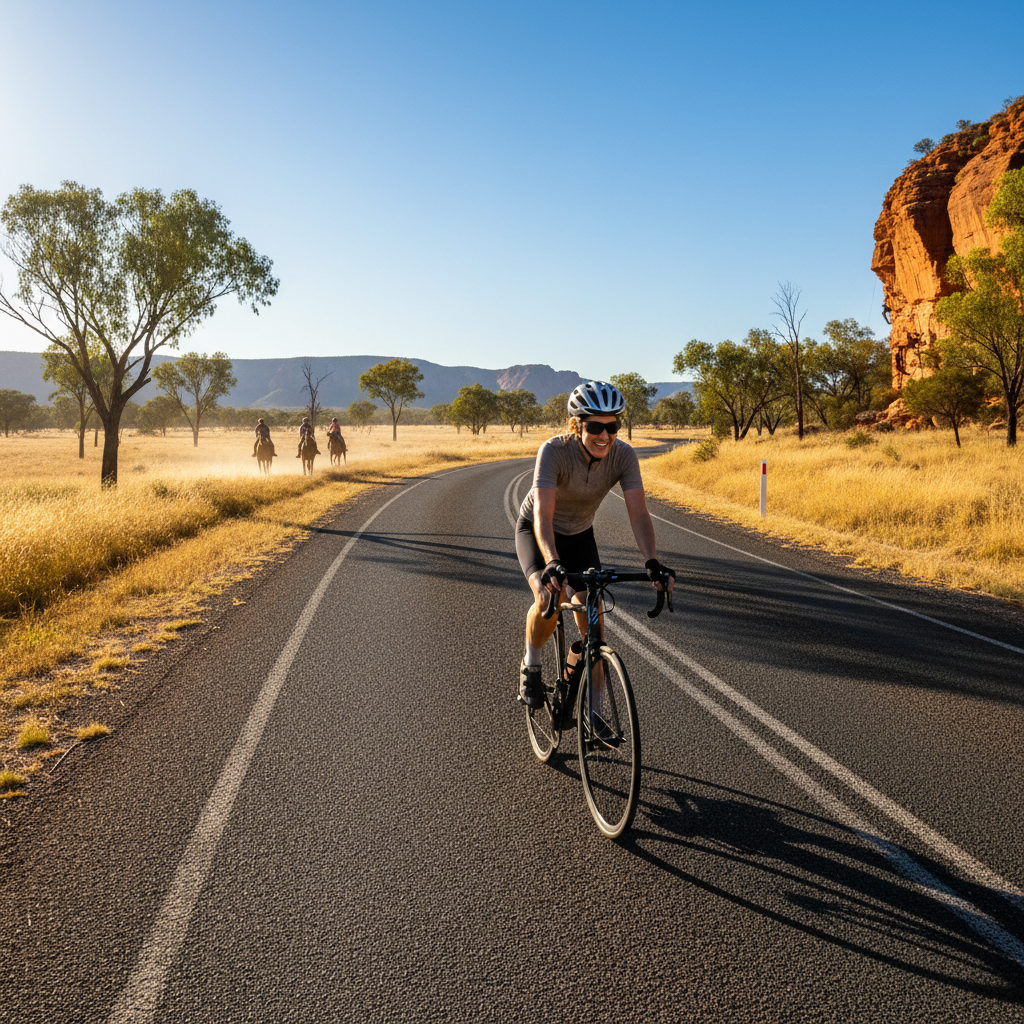
Beat the Sun: Your No-Nonsense Guide to Cycling Sun Protection on Long Australian Rides
Australian sun. It's a beauty, until it's not. And on a long road ride, especially during the summer months, it's definitely not your friend. We’re talking about harsh UV rays, relentless heat, and long days where the sun seems to have a personal vendetta against exposed skin. If you’re serious about your cycling, you need serious sun protection. This isn't about looking pretty; it's about staying comfortable, avoiding burns, and preventing long-term damage while you rack up the kilometres.
Let’s be straight: cycling helmets are mandatory for a reason, but they’re not a complete sun shield. The standard helmet leaves a lot of your face and neck exposed. That means sunburn, premature aging, and an increased risk of skin cancer. For us Aussies, this is non-negotiable. We live in a high UV environment. Ignoring sun safety on the bike is just asking for trouble.
The Problem: Why Helmets Alone Aren't Enough
Your helmet is designed for impact protection. While it offers some shade, it's rarely enough. Think about it: the direct sun beating down from above, reflecting off the road, and the sides. Your eyes are squinting, your nose is burning, and your neck is getting roasted even with sunscreen. The chin strap area, the sides of your face, your ears – they’re all vulnerable.
And what about glare? Constant squinting leads to fatigue, which can compromise your focus and reaction time. This is dangerous on the road. We need a practical solution that works with your existing helmet, not against it.
The Solution: Practical Gear for Australian Conditions
We’re not here to sell you snake oil. We’re here to give you actionable advice. The core of good sun protection for cyclists comes down to three things:
1. Comprehensive Coverage: Shielding more than just your scalp.
2. Comfort and Breathability: Avoiding overheating.
3. Durability: Gear that can handle the Australian elements.
Let's break down what actually works.
1. The Helmet Brim: Your First Line of Defence
You might already have a helmet with a small brim. Good. But for serious Australian conditions, it’s often not enough. The key here is extending that shade.
Think of it like this: a small brim offers shade for your eyes. A larger, more substantial brim offers shade for your eyes, your nose, your cheeks, and even the top of your neck. This significantly reduces the amount of direct UV radiation hitting your sensitive facial skin.
Why opt for an add-on brim?
Versatility: You can add it to most existing helmets. No need to buy a whole new helmet just for better sun protection.
Targeted Shade: They’re designed to maximise shade coverage where you need it most – your face and neck.
Reduces Glare: A good brim cuts down on that blinding glare, improving your vision and reducing eye strain.
UV Index Beating: When the UV index is high (and in Australia, it often is), every bit of shade counts. A properly designed brim can make a huge difference.
We’ve seen countless riders struggle with sunburned noses and foreheads even after applying sunscreen. It’s often because the sunscreen has sweated off, or the application wasn’t thorough enough. A physical shield, like a helmet brim, is far more reliable.
For long rides, especially those starting early or finishing late when the sun is low and at its most damaging angle, an extended brim is invaluable. It’s a simple addition that pays dividends in comfort and protection on long road rides.
2. Sunscreen: The Essential Backup
Let’s be clear: sunscreen is NOT optional. Even with the best brim, you will have some exposed skin. Your ears, the sides of your neck, and any areas where the brim doesn't quite reach need protection.
Choose Wisely: Opt for a broad-spectrum, high SPF (50+) sunscreen. Look for water-resistant formulas, as you will sweat.
Apply Liberally and Early: Apply at least 15-20 minutes before you head out. This allows it to soak in and form a protective layer. Don't skimp – cover everything that might be exposed.
Reapplication is Key: Sunscreen wears off, especially when you're sweating heavily on a hot Australian day. Pack a travel-sized tube and aim to reapply every two hours, or more frequently if you're sweating a lot. On a long ride, this is crucial.
Objection Handling: "Sunscreen sweats off!"
Yes, it does. That’s why we recommend water-resistant formulas and reapplication. But more importantly, that's why a physical shield like a helmet brim is so vital. It acts as your primary defence, reducing the reliance on sunscreen alone and minimising the impact when it does inevitably wear off.
3. Sunglasses: Eye Protection is Paramount
Don't underestimate the damage the sun can do to your eyes. Long hours of exposure can lead to cataracts and other vision problems over time. Plus, the glare is a major safety hazard on the road.
UV Protection: Ensure your sunglasses block 100% of UVA and UVB rays. This is non-negotiable.
Coverage: Wrap-around styles offer the best protection, preventing light from sneaking in the sides.
Tint: Lighter tints are fine for overcast days, but for bright Australian sun, a darker tint will reduce glare more effectively. Polarised lenses can also cut down on reflected glare from the road surface.
4. Riding Apparel: More Than Just Lycra
While we’re focused on the helmet area, don’t forget the rest of your exposed skin.
Long Sleeves: Lightweight, moisture-wicking jerseys with UV protection are ideal. They’re significantly better than short sleeves on scorching days.
Gloves: Often overlooked, but the backs of your hands can get a serious tan and burn. UV-protective gloves are a smart investment.
Neck Gaiter/Buff: A lightweight, breathable neck gaiter can be pulled up over your lower face or used to cover your neck, especially on those long stretches where the sun is directly behind you or hitting your back.
The Practical Checklist for Long Rides
Before you head out on that epic Australian road ride, run through this:
[ ] Helmet securely fitted.
[ ] Helmet brim extension attached and adjusted (if applicable).
[ ] Broad-spectrum SPF 50+ sunscreen applied to all exposed skin at least 15 minutes before departure (face, ears, neck, arms, legs).
[ ] Sunglasses with 100% UV protection and suitable tint selected.
[ ] Long-sleeved, UV-protective cycling jersey.
[ ] Cycling gloves.
[ ] Water-resistant sunscreen OR small reapplication tube packed.
[ ] Neck gaiter/buff (optional, but recommended for prolonged exposure).
This checklist ensures you're covered from dial-up to pack-up.
Implementing Your Sun Protection Strategy
It’s one thing to know what to do; it’s another to do it. Here’s a step-by-step approach to integrating better sun protection into your cycling routine.
Step 1: Assess Your Current Helmet and UV Risk
Look at your helmet. How much shade does its built-in brim provide? Is it really covering your nose and cheeks?
Consider the typical UV index where you ride, especially during peak sun hours (roughly 10 AM to 3 PM). If it's frequently high, you need maximum protection.
Think about your longest rides. Hours in the saddle mean prolonged exposure. What works for a 1-hour spin won't cut it for a 5-hour journey.
Step 2: Get the Right Gear
Invest in a quality helmet brim extension. Look for one that’s compatible with your helmet, easy to attach, and provides substantial shade without obstructing your vision. Our products section has options designed for this.
Stock up on effective sunscreen. Don't play games with low SPF or brands that wash off easily.
Ensure your sunglasses are up to the task. Test them for glare and comfort on a bright day.
Step 3: Develop a Pre-Ride Routine
Make applying sunscreen a non-negotiable part of your pre-ride preparation, just like checking your tyre pressure.
Attach your helmet brim extension if you haven't already. Learn how to install it correctly so it's secure and effective.
Put on your sunglasses before you leave the house.
Step 4: Plan for Reapplication on the Road
For rides over 3 hours, build reapplication into your strategy. This might mean stopping at a servo, taking a short break, or even just pulling over for two minutes.
Keep your sunscreen in an easily accessible jersey pocket.
If you have a hydration pack, keep it there.
Step 5: Post-Ride Care
Check for any missed spots and reapply sunscreen if necessary after you’ve cooled down.
Hydrate properly. Heat exhaustion is a real risk too, and good hydration helps your body cope.
Common Objections and Our Take
"It's too hot to wear extra gear on my head."
A well-designed helmet brim actually improves comfort by keeping the sun directly off your face. This can stop you from overheating as quickly and reduce the urge to constantly shield your eyes with your hands. Plus, avoiding sunburn is always better than dealing with heatstroke. Our products are designed for airflow.
"Sunscreen is enough."
As we've said, for serious Australian conditions and long rides, it's a critical part of the solution, but rarely the entire solution. The physical barrier of a brim is a more reliable first line of defence against intense UV.
"I don't want to look silly."
This is Australia. We prioritize practicality and safety. A few more kilometres on the bike are worth more than a fleeting fashion concern. And frankly, a blistering sunburn or developing skin cancer is far less stylish than adding a functional piece of gear to your helmet.
- "My helmet has a good brim already."
Final Thoughts
Long rides are fantastic. They build endurance, clear the head, and let you explore. But they also expose you to significant sun risk, especially in Australia. Don't let preventable sunburn or long-term skin damage ruin your passion or your health. By integrating practical sun protection strategies – focusing on comprehensive coverage with a helmet brim, using effective sunscreen, and protecting your eyes – you can ride longer, safer, and more comfortably.
Invest in your health. Invest in your ride. Check out our products and start planning your sun-safe cycling adventures today. For more tips and insights, browse our blog.
Ride wise, ride safe, and enjoy the journey under the Southern Hemisphere sun.