
Beat the Sun: What to Look For in Helmet Sun Protection
Don't let the harsh Australian sun ruin your ride. Learn the essentials of choosing the right helmet sun protection accessory.
Beat the Sun: What to Look For in Helmet Sun Protection
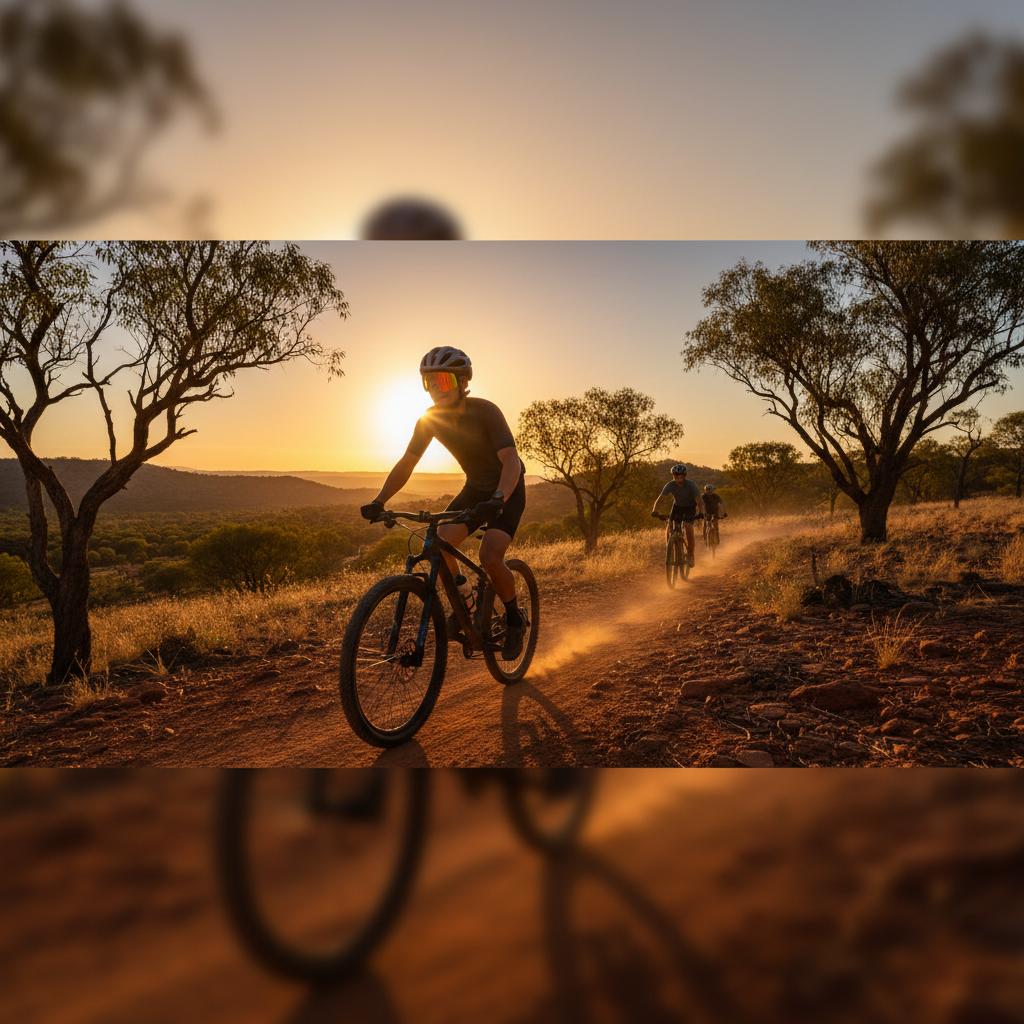
Australia. We love the outdoors, the long days, the glorious sunshine. But let’s be honest: that sun can be brutal. Whether you're on a worksite, a bike, or out in the field, your face and neck are taking a beating from UV rays and glare, even when you're wearing a helmet. You might think your helmet is enough, but think again. Standard helmets often leave your face exposed to harsh sunlight and heat. That's where a dedicated helmet sun protection accessory comes in. But with options out there, what should you actually be looking for?
This isn't about fancy gadgets. It's about practical protection for Australian conditions. We've got high UV indexes, relentless heat, and the need to keep our vision clear and our skin safe. If you're serious about protecting yourself, you need to know what works.
The Problem: What a Standard Helmet Doesn't Cover
Your standard hard hat or safety helmet is designed for impact protection. Great for that. But sun? Not so much. Here’s what you're missing:
Facial Sunburn: The upper part of your face, your nose, your ears – they’re often directly exposed. Repeated sun exposure leads to premature ageing and, more importantly, skin cancer.
Glare and Vision Impairment: Direct sunlight can cause glare, making it hard to see obstacles, read important information (like signs on a worksite), or simply enjoy the view. This is a safety hazard.
Heat Build-up: While some helmets have vents, the sun beating down on your head and the exposed skin on your face can significantly increase your core temperature. Heat stress is a real danger.
Neck Sunburn: The back of your neck is another common sunburn zone, especially when you’re looking up or leaning forward.
What to Prioritise in a Helmet Sun Protection Accessory
When you're investing in sun protection for your helmet, don't get distracted by gimmicks. Focus on these core features that address the real risks posed by the Australian sun:
1. Coverage: The More, The Better (Within Reason)
This is the most critical factor. Look for an accessory that significantly extends protection beyond the brim of your existing helmet. Ideally, it should cover:
Your Forehead: Even a tiny bit of exposed forehead can burn.
Your Eyes and Nose: Crucial for reducing glare and protecting sensitive skin.
Your Cheeks: Especially the upper parts susceptible to glare bounce.
Your Ears: Often forgotten, but easily burnt.
Your Neck: A good accessory will provide a curtain or extended brim to shield the back and sides of your neck.
The goal is to create a shaded zone that mimics a wide-brimmed hat but integrates with your helmet.
2. UV Protection Factor (UPF)
Just like sunscreen, fabric can have a UPF rating. While not all accessories will explicitly state a UPF rating, look for materials that are dense and dark, as these generally offer better UV blocking. Some accessories might mention being tested for UPF. This is a strong indicator of quality sun protection. If it doesn't mention UPF, assume it's primarily blocking sun through shade rather than the fabric itself.
3. Durability and Material Quality
This accessory will be exposed to the elements just like your helmet. It needs to be:
Tough: Able to withstand bumps, scrapes, and general wear and tear.
Weather-resistant: UV rays degrade materials over time. Look for fabrics and attachments that are designed to last under Australian sun.
Easy to Clean: Working outdoors means dirt and dust. It should be simple to wipe down or wash.
4. Fit and Attachment Mechanism
This isn't just about adding something to your helmet; it needs to be practical.
Secure Fit: It must attach firmly to your helmet so it doesn't fly off in windy conditions or during strenuous activity. A loose accessory is not only annoying but can be a safety hazard.
Easy Installation/Removal: You might not need sun protection every single minute. The ability to quickly attach and detach it is a major plus. Think about the attachment system – clips, Velcro, straps? Does it feel robust?
Comfort: While protection is key, it shouldn't make your helmet unbearably hot or heavy. The material should ideally be breathable (if it’s a fabric extension) and not interfere with your helmet’s ventilation too much.
5. Visibility and Colour
This is a nuanced point. For construction and road work, high-visibility colours (like fluorescent yellow or orange) are often essential for safety regulations and to make you more conspicuous. However, these bright colours can sometimes be less effective at blocking UV light themselves compared to darker, denser materials. If high-vis is a requirement, ensure the design prioritises deep shade coverage. For other applications, a darker colour might offer better inherent sun blocking but might not meet visibility standards.
Common Helmet Sun Protection Accessories and What to Look For
There are a few main types of accessories you'll encounter. Here’s a quick breakdown:
| Accessory Type | Pros | Cons | What to Look For |
|---|---|---|---|
| Neck Shade/Curtain | Excellent neck coverage, often simple to attach. | Can feel warm, might not cover the face well. | Full coverage (down to shoulders), breathable fabric, secure attachment. |
| Clip-on Visor | Good facial shade, improves glare reduction. | Limited neck coverage, can look bulky, might not fit all helmets. | Wide coverage area, durable material, adjustable angle, stable attachment. |
| Integrated Brim | Offers a good balance of face and neck coverage, often sleek. | Can be a permanent addition, might not fit all existing helmets well. | Extends far beyond helmet brim, covers sides and neck, robust attachment points. |
Objection Handling: Will it Make Me Hotter? Will it Stay On?
These are valid concerns, especially in the Australian heat.
"Won't it just trap more heat?"
This is a common fear. The reality is, a well-designed sun protection accessory, especially one made from lighter, breathable materials where appropriate, or one that effectively shades your face and neck from direct sun, will often reduce the heat you feel. By preventing direct sunlight from hitting your head and face, you're actually lessening the heat absorbed. Think of it like wearing a light-coloured shirt on a hot day versus a dark one. While the accessory adds a layer, the shade it creates is usually more beneficial than the potential for slight heat trapping, especially if it's designed for ventilation. Materials like tightly woven polyester or even some mesh designs can offer a good balance.
"Will it just fall off when I'm working or riding?"
This is where quality and design matter most. Look for accessories with robust attachment mechanisms. For clip-on styles, ensure the clips have a strong grip and are designed to withstand movement. If it uses Velcro or straps, check that they are wide, durable, and can be secured firmly. Products designed by people who actually use them in tough conditions will have engineered these attachment points for reliability. A poorly designed accessory will fall off. A well-designed one won't. Read reviews if possible, or check how the accessory is meant to integrate with your specific helmet type.
The Ultimate Checklist for Your Helmet Sun Protection Accessory:
Before you buy, run through this:
[ ] Coverage: Does it shield my face, ears, neck from direct sun?
[ ] UV Protection: Is the material opaque? Does it mention UPF (even if indirectly)?
[ ] Durability: Does the material feel tough? Is it rated for outdoor use?
[ ] Attachment: Is the mechanism secure and easy to use?
[ ] Comfort: Will it add excessive heat or be too heavy?
[ ] Visibility: Does it meet any safety requirements for my work/activity?
[ ] Cleanliness: Can it be easily cleaned?
Installation: Simple Steps to Sun Safety
Most good helmet sun protection accessories are designed for quick and easy installation, meaning you can get protected in minutes. Here’s a general guide, but always refer to the manufacturer’s specific instructions:
1. Prepare Your Helmet: Ensure your helmet is clean and dry. If it has any existing attachments, remove them if necessary.
2. Identify Attachment Points: Locate the specific points on your helmet where the accessory is designed to connect. This might be slots, a rim, or specific areas for clips.
For Clip-on Visors/Brims:
1. Align: Position the visor/brim over the front of your helmet.
2. Clip: Firmly press the clips onto the rim or designated areas of the helmet. You should hear or feel a secure click.
3. Test: Gently tug the accessory to ensure it’s firmly attached and won't budge.
For Neck Shades/Curtains that Attach to the Helmet Band:
1. Locate: Find the points where the curtain attaches to the helmet's suspension system or inner band.
2. Attach: Secure the Velcro, clips, or snaps as per the instructions. Ensure the fabric drapes correctly over the back of your neck.
3. Adjust: Make sure there are no gaps where the sun can get through.
For Integrated Solutions that Replace Standard Brim/Parts:
1. Remove Existing: Carefully remove any existing brim or side shields from your helmet.
2. Align New Part: Position the new integrated sun protection piece.
3. Secure Fasteners: Re-attach any screws, clips, or locking mechanisms to hold the new part firmly in place.
Always check the specific instructions provided with your accessory. If you're unsure, our How to Install guide offers further clarity on common methods.
Investing in Your Long-Term Health
Think of a good helmet sun protection accessory not as an expense, but an investment. An investment in preventing painful sunburns, reducing your risk of skin cancer, and making your time outdoors more comfortable and safer. In Australia, where the sun’s UV index can be extreme, ignoring this is simply not practical. Don't wait until you've had a nasty burn to realise you need better protection.
Explore your options at our Products page to find a solution that fits your needs and your helmet. For more information on common questions, check out our FAQ or browse our Blog for more practical tips.
Stay safe, and stay sun-smart out there.